No pods added to your quote request yet. Add some now for a free quote!
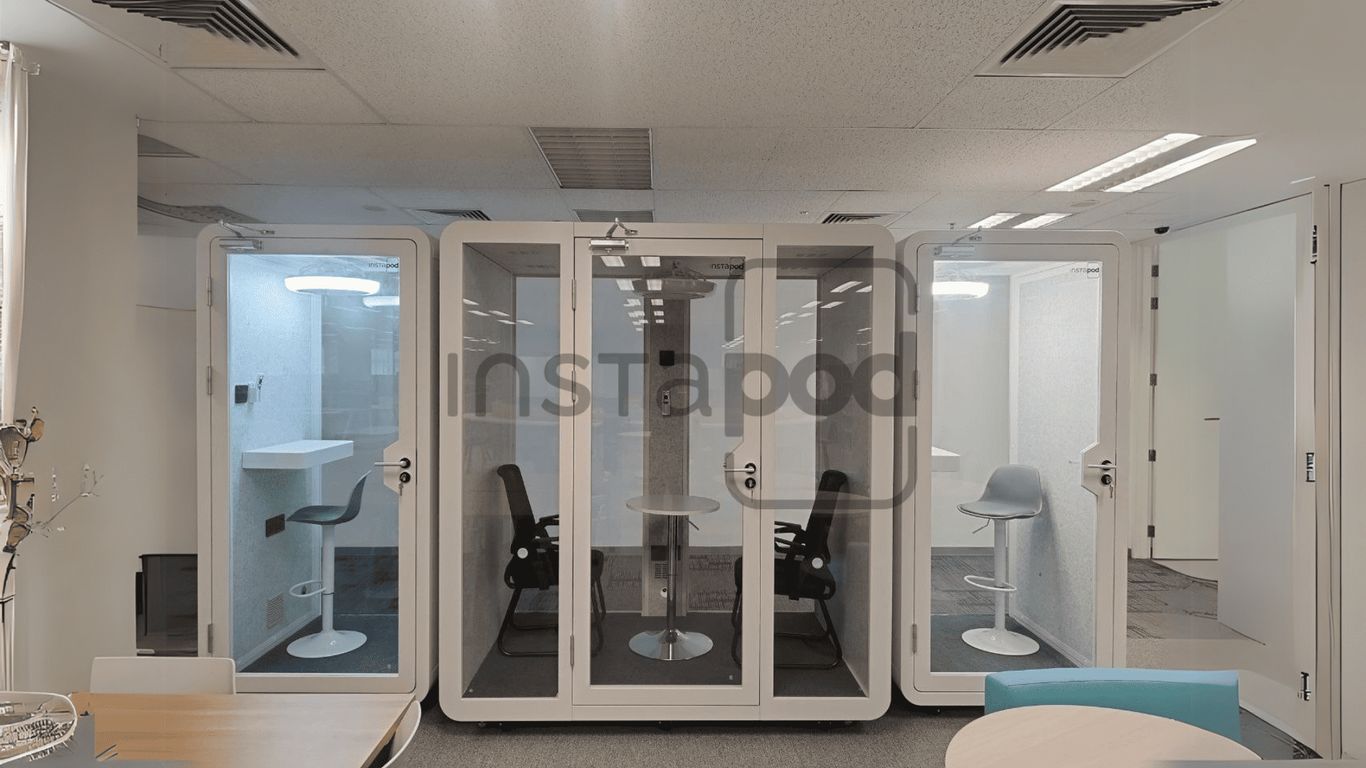
Open offices are great for collaboration, but let’s be real, they can get noisy. Sometimes you just need a quiet spot to make a call or get some work done without everyone overhearing. That’s where the office work booth comes in. These handy little spaces are popping up everywhere, and for good reason. They offer a simple solution to a common problem, giving people the privacy they need. This article looks at three main ways these booths are being used in offices today.
Key Takeaways
- Phone booths provide private, sound-dampened spaces for individual calls and quick tasks.
- Focus pods offer a larger, more comfortable environment for extended periods of deep work.
- Meeting pods are designed for small groups, acting as an alternative to traditional meeting rooms.
- These work booth solutions help manage noise and distractions in open-plan offices.
- Their modular nature allows offices to adapt their layouts easily as needs change.
1. Phone Booth
Open offices are great for collaboration, but let’s be real, they can get loud. That’s where the humble phone booth comes in. It’s not just for making calls anymore; it’s a dedicated quiet space for all sorts of private conversations or focused work. Think about those sensitive HR chats, client calls where you can’t have background noise, or even just needing five minutes of peace to concentrate.
These booths are designed to be soundproof, giving you that much-needed privacy. They’re also super flexible. You don’t need a building permit to install one, and they can be moved around if your office layout changes. It’s like having a mini, private office on demand.
Here’s a quick look at what you might expect:
- Cost: Single-person booths can range from about $4,000 to over $11,500.
- Return on Investment (ROI): Most companies see their investment pay for itself in about 6 to 7 months, thanks to increased productivity and fewer interruptions.
- Quantity: A good starting point is one booth for every 6 to 12 employees, but you’ll want to watch how often they’re used to figure out the perfect number for your team.
Treating these booths as essential workplace infrastructure, rather than just furniture, is key. It’s about providing the tools your team needs to do their best work, no matter the office setup.
Setting up clear guidelines for use is also a good idea. Things like limiting session times (maybe 45-60 minutes) and asking people to tidy up after themselves can help keep things running smoothly for everyone.
2. Focus Pod
When you really need to get into the zone, a focus pod is your best friend. These aren’t just glorified closets; they’re designed for serious concentration. Think of those times you’re trying to crunch numbers, write a report, or just get some creative thinking done, but the office buzz keeps pulling you away. That’s where these sound proof pod solutions shine.
They offer a dedicated, quiet space to escape the open-plan chaos.
What makes a good focus pod? It’s all about the details:
- Acoustic Isolation: Look for pods that boast certified soundproofing, usually around 30 dB. This is what actually keeps the office chatter out.
- Comfortable Environment: Good ventilation is a must, especially for longer work sessions. Adjustable lighting also makes a big difference.
- Ergonomics: While some are just for calls, others are designed for actual desk work, so check for a comfortable setup.
Here’s a quick look at what you might find:
| Feature | Typical Specification |
|---|---|
| Soundproofing | ~30 dB isolation |
| Ventilation | Multiple silent fans |
| Lighting | Dimmable LED |
| Power | Outlets & USB ports |
| Footprint (approx) | ~1 m² |
These pods are more than just furniture; they’re engineered spaces. The difference between a basic booth and a true focus pod lies in the materials, the soundproofing layers, and how well they manage airflow and light. It’s about creating a mini-environment where your brain can actually do its best work without constant distractions.
3. Meeting Pod
When you need a space for a few people to get together without disrupting the rest of the office, meeting pods are a great solution. Think of them as mini conference rooms that you can place pretty much anywhere. They’re perfect for those quick team huddles, one-on-one chats with a colleague, or even a short brainstorming session. Unlike building a whole new room, these office pods are quick to set up and can be moved if your office layout changes.
These work pods offer a flexible alternative to traditional meeting rooms, providing acoustic privacy and a dedicated space for collaboration. They come in various sizes, but typically accommodate two to four people. This makes them ideal for small groups that don’t need the full capacity of a larger conference room.
Here’s a quick look at what makes them useful:
- Improved Collaboration: Provides a quiet zone for focused discussions, preventing interruptions from the open office.
- Flexibility: Can be easily relocated or reconfigured as team needs evolve, unlike permanent meeting rooms.
- Noise Reduction: High-quality soundproofing helps maintain a productive atmosphere for everyone in the office.
- Cost-Effective: Often a more budget-friendly option compared to constructing dedicated meeting rooms.
Many modern offices, especially those in places like office pod Singapore, are adopting these solutions to make the most of their available space. They help balance the need for private collaboration with the benefits of an open-plan layout.
When looking at different office pod options, consider factors like acoustic performance, ventilation, and the inclusion of power outlets or USB ports. These features can make a big difference in how comfortable and productive the space feels for its users.
Wrapping It Up
So, we’ve looked at a few ways these office booths can really make a difference. Whether it’s giving someone a quiet spot to really focus on a big project, providing a private space for an important call without everyone overhearing, or just offering a flexible little nook for a quick team chat, these booths are pretty handy. They’re not just fancy furniture; they’re tools that help make the office work better for everyone, especially with how we work these days. It seems like a smart move for a lot of companies looking to improve their workspace.
Frequently Asked Questions
What exactly is an office work booth?
Think of an office work booth as a small, private room you can pop into at work. It’s designed to give you a quiet space for important calls, focused work, or quick chats without bothering others or being bothered yourself. They’re great for open offices where it can get noisy.
Why do offices need these booths?
Offices often have open layouts these days, which is good for talking to people, but not so good for quiet work. Booths help solve this by giving people a private, sound-proof spot. This means fewer distractions, better concentration, and more private conversations.
How is a phone booth different from a focus pod?
A phone booth is usually smaller and perfect for short calls or video chats. A focus pod is generally a bit bigger and more comfortable, designed for longer periods of deep work where you really need to concentrate without any interruptions.
Can a meeting pod really replace a conference room?
For small groups, yes! Meeting pods are made for 2 to 4 people, so they’re ideal for quick team huddles, one-on-one chats, or brainstorming sessions. They save the bigger conference rooms for larger meetings.
Are these booths hard to move if the office layout changes?
Not at all! Most modern booths are designed to be moved. They’re often built in sections or on wheels, so you can easily relocate them without a major construction project. It’s much simpler than moving a permanent wall.
How many booths should an office have?
A good starting point is to have about one booth for every 6 to 12 employees. But the best number really depends on how your team works. It’s smart to see how often the booths are used and then add more if needed, or adjust their placement.