No pods added to your quote request yet. Add some now for a free quote!

Designing a modern office in Singapore means thinking about how people actually work today. It’s not just about having desks anymore. We need spaces that can change, areas for quiet focus, and places where people can easily connect. This article looks at some smart ways to set up your office, keeping in mind that work styles are always shifting. We’ll cover everything from flexible layouts to making sure everyone has a quiet spot, like dedicated work pods, when they need it.
Key Takeaways
- Flexible office layouts and movable furniture are key for hybrid work, letting spaces adapt to different needs throughout the day.
- Good sound control, using insulation and smart zoning, is vital for privacy and focus in busy offices.
- Hospitality-inspired spaces, like comfy pantries and lounges, help build team connections and make the office feel more welcoming.
- Dedicated work pods, such as phone booths and focus rooms, offer private spaces for calls and concentrated tasks.
- Integrating technology for collaboration and using sustainable building materials are important for modern, efficient workplaces.
Embracing Flexibility for Evolving Work Styles
Work in Singapore has really changed, especially with everyone doing a bit of both office and home working. Offices aren’t just places to sit at a desk all day anymore. They need to be able to shift and change based on who’s in, what they’re doing, and when they’re there. It’s all about making spaces that can do more than one thing, rather than just having fixed spots for everything.
Adapting Layouts for Hybrid Work Patterns
Think about how your office space can change throughout the day. Instead of rows of desks that never move, imagine areas that can be easily reconfigured. This means fewer permanent walls and more open spaces that can be sectioned off when needed. It’s about creating an environment that feels fluid, responding to the ebb and flow of people coming and going. This approach acknowledges that not everyone needs a dedicated desk every single day, and that’s perfectly fine. The goal is to make the office a place that supports different ways of working, not dictates them.
Integrating Movable Furniture and Multi-Use Areas
This is where the fun stuff comes in. Movable furniture is a game-changer. We’re talking about desks on wheels, modular seating that can be rearranged into different configurations, and partitions that can be put up or taken down easily. These elements let you transform a large meeting room into several smaller focus zones in minutes, or create a casual collaboration hub from an open area. Multi-use areas are also key; a space that works for a quick team huddle in the morning could become a quiet work zone in the afternoon. It’s about getting the most out of every square foot.
Prioritizing Adaptable Spaces Over Fixed Designs
So, what does this really mean for your office? It means moving away from the idea of a one-size-fits-all setup. Instead, focus on creating zones that serve multiple purposes. For example, a comfortable lounge area might be great for informal chats, but it could also be used for solo work if it’s quiet enough. The most successful flexible offices are those that are designed with input from the people who use them every day. Asking your team what they need – maybe more quiet spots or areas for quick stand-up meetings – can make a huge difference. It’s about building an office that works for people, not the other way around.
Designing for flexibility means anticipating change. It’s about building an office that can evolve alongside your business and your employees’ needs, rather than being a static structure that quickly becomes outdated.
Enhancing Focus and Collaboration with Acoustic Solutions
In today’s busy offices, especially those with open layouts or hybrid setups, noise can really mess with concentration and privacy. It’s not just about loud conversations; even the general hum of activity can make it tough to focus on your work or have a private chat. That’s where thinking about acoustics comes in. Good sound control helps create a workspace where people can actually get things done without constant interruptions.
The Importance of High-Performance Acoustics
When you can’t hear yourself think, productivity takes a nosedive. Employees often report that a lack of sound privacy is a major issue, even if they’re generally happy with their office environment. This isn’t just a minor annoyance; it directly impacts how well people can concentrate, how clear meetings are, and the overall comfort of the workspace. Ignoring acoustics means you’re missing a big piece of the puzzle for a functional office.
The goal is to build an environment that supports different work needs naturally. This means creating spaces where focused work is possible without being disruptive, and where collaboration can happen without adding to the general noise level.
Utilizing Sound Insulation and Treatments
So, how do we actually tackle the noise problem? It’s not about building a completely silent fortress, but rather about smart interventions. Think about adding things like acoustic panels to walls and ceilings – they really help soak up sound and cut down on echo. Soft furnishings, like carpets and upholstered furniture, also play a role. Even simple things like well-sealed doors and windows make a difference. For those moments when you absolutely need to block out the world, dedicated sound proof pod solutions are fantastic. These are designed specifically to create a quiet bubble for calls or deep concentration.
Here are some common ways to improve acoustics:
- Acoustic Panels: Mounted on walls or ceilings to absorb sound.
- Sound-Absorbing Materials: Using carpets, fabric partitions, and soft furnishings.
- Sealed Doors and Windows: Minimizing sound leaks from outside or between rooms.
- Privacy Pods: Self-contained units offering high levels of sound isolation.
Strategic Zoning for Quiet and Collaborative Zones
Beyond just adding materials, how you lay out the office matters a lot. It’s about creating distinct zones. You might have areas specifically designed for quiet, focused work, perhaps with individual workstations or those handy privacy pods. Then, you’ll have other zones meant for collaboration, where a bit more noise is expected and acceptable. By separating these areas, you prevent the buzz of a brainstorming session from disturbing someone trying to finish a report. This kind of thoughtful zoning means the office can support various work styles without creating a cacophony.
Creating Welcoming Spaces with Hospitality-Inspired Design
Think about the last time you stayed at a nice hotel or popped into a cool café. What made it feel good? Chances are, it was the vibe – comfortable seating, maybe some nice lighting, and a general feeling of being looked after. We’re seeing a lot more of that feeling creeping into office design these days, especially here in Singapore. Companies are realizing that just having desks and meeting rooms isn’t enough anymore. They want spaces that feel more like a destination, a place people actually want to be.
Designing Inviting Lounge and Café-Style Pantries
This is where the hospitality influence really shines. Forget those sterile, utilitarian kitchens of the past. We’re talking about pantries that look and feel more like a cozy café or a relaxed lounge. Think plush seating, maybe some communal tables that encourage people to gather, and definitely good coffee facilities. The goal is to create a spot where people can take a real break, chat with colleagues they might not see at their desks, and just generally recharge. It’s about making the break room a destination in itself.
- Comfortable Seating: Mix and match sofas, armchairs, and banquettes. Variety keeps things interesting and caters to different preferences.
- Natural Light: Maximize windows and use lighter colors to make the space feel open and airy.
- Durable Materials: While aiming for comfort, remember these are high-traffic areas. Choose materials that can withstand daily use but still look good.
- Good Acoustics: Even in a relaxed space, nobody wants to feel like they’re shouting over background noise. Some simple acoustic treatments can make a big difference.
Fostering Social Connection and Informal Interaction
When people feel more connected, they tend to work better together. These hospitality-inspired spaces are perfect for that. They’re not formal meeting rooms, so there’s less pressure. Someone might grab a coffee and bump into a colleague from another department, sparking an idea or solving a quick problem. It’s these unplanned moments that can really build team spirit and lead to unexpected collaborations. It’s about creating opportunities for those casual chats that build relationships.
The shift towards hospitality design in offices isn’t just about aesthetics; it’s a strategic move to make the workplace more appealing and functional for a modern workforce. It acknowledges that people need spaces to connect and relax, not just to work.
Balancing Comfort with Professional Aesthetics
Of course, we still need the office to feel like an office. It’s a balancing act. We want it to be welcoming and comfortable, but it also needs to reflect the company’s brand and professionalism. This means choosing finishes and furniture that are both stylish and durable. It’s about creating an environment that feels good to be in, but also looks polished and put-together. Think of it like a high-end hotel lobby – it’s comfortable and inviting, but you still know you’re in a professional setting. The key is thoughtful selection and a cohesive design approach that ties everything together.
Integrating Private Work Pods for Enhanced Productivity
The Role of Phone Booths and Focus Rooms
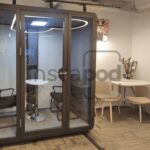
Open-plan offices are great for some things, but let’s be honest, they’re not always ideal for deep concentration or private chats. That’s where the humble office pod comes in. Think of these as your personal quiet zones, little sanctuaries within the larger workspace. Whether it’s a compact phone booth for a quick, confidential call or a slightly larger focus room for tackling a complex report, these spaces are designed to minimize distractions. They give employees the control to choose an environment that suits their immediate task. This isn’t just about reducing noise; it’s about providing the mental space needed to perform at your best. In a busy Singapore office, having these dedicated spots can make a world of difference to individual output and overall team efficiency.
Designing Variety in Work Pod Styles
Not all work is the same, so why should all work pods be the same? Offering a range of styles means you can cater to different needs and preferences. Some people might prefer a standing desk setup in their pod, while others might want a more relaxed, lounge-style seating for brainstorming or reading. You could have pods designed for solo work, and others that can comfortably fit two or three people for small, impromptu team huddles. Consider different sizes, shapes, and even interior finishes. This variety shows you’re thinking about individual work styles and are committed to creating a truly flexible environment. It’s about giving people options, not forcing them into a one-size-fits-all solution.
Here are a few ideas for different pod types:
- Solo Focus Pods: Compact, often with a small desk and chair, perfect for intense concentration.
- Collaboration Pods: Slightly larger, perhaps with a small table and seating for 2-4 people for quick team discussions.
- Phone Booths: Minimalist, sound-insulated spaces specifically for private calls.
- Lounge Pods: More comfortable seating arrangements for relaxed thinking or informal chats.
Personalizing Pods for Employee Comfort
Once you’ve got your office pods in place, don’t just leave them as sterile boxes. Encourage employees to add a personal touch. This could be as simple as allowing them to bring in a small plant, a framed photo, or a favorite mug. When a space feels a bit more like their own, people tend to feel more comfortable and invested in using it. It transforms the pod from just a piece of furniture into a personal workspace that supports their well-being. This small act of personalization can significantly boost morale and make the office pod a more inviting place to be. It’s a simple way to show you care about the individual experience within the larger office setting.
Providing these private spaces acknowledges that different tasks require different environments. It’s a practical approach to boosting productivity by giving employees the autonomy to select where and how they work best, reducing stress and improving focus.
Leveraging Technology for Seamless Hybrid Work
In today’s work environment, technology isn’t just a nice-to-have; it’s pretty much the backbone of how we get things done, especially with hybrid models. Making sure your office is set up with the right tech means fewer headaches and more productive days for everyone, whether they’re in the office or working from home.
Equipping Digital Collaboration Spaces
Think about your meeting rooms. Are they ready for people joining from different locations? Having good quality cameras, microphones, and screens is a start. But it’s also about making sure the software works smoothly. We’re talking about platforms that let people share screens easily, take notes together, and feel like they’re in the same room. It’s not just about having the gear; it’s about making sure it all connects without a fuss.
- High-definition cameras that capture everyone clearly.
- Clear audio systems that pick up voices without background noise.
- Large displays for easy viewing of shared content.
- Intuitive controls so anyone can start a meeting quickly.
Ensuring Tech Infrastructure for Remote Teamwork
When some of your team is remote, the office’s tech needs to support them just as much as those present. This means having a robust network that can handle multiple connections and a reliable cloud infrastructure. It’s about creating a digital workspace that feels consistent, no matter where someone is logging in from. Think about secure access to files and applications, and communication tools that keep everyone in the loop.
The goal is to make the technology fade into the background, supporting work rather than becoming a distraction. When it’s done right, people can focus on their tasks, not on troubleshooting their connection.
Facilitating Hybrid Meetings and Teamwork
Hybrid meetings can be tricky. You want to make sure that the person joining remotely has the same experience as someone sitting in the room. This often means rethinking the layout of meeting spaces. Maybe a round table works better than a long one, so remote participants can see everyone. It’s also about setting clear expectations for how meetings will run. Having a designated facilitator who pays attention to both in-room and remote participants can make a big difference.
| Feature | In-Room Benefit | Remote Benefit |
|---|---|---|
| Video Conferencing | See and interact with remote colleagues | See and interact with in-room colleagues |
| Screen Sharing | Collaborative viewing of digital content | Collaborative viewing of digital content |
| Digital Whiteboards | Real-time brainstorming and idea capture | Real-time brainstorming and idea capture |
| Chat Functionality | Quick questions or comments without interrupting | Quick questions or comments without interrupting |
Sustainable Design Principles for Modern Workplaces
Thinking about the planet while designing your office space isn’t just a nice idea anymore; it’s becoming a standard practice, especially here in Singapore. It’s about making smart choices now that pay off later, both for the environment and for your company’s reputation. This means looking at everything from the ground up, considering the materials we use and how we build.
Prioritizing Low-Carbon Construction Materials
When you’re building or renovating, the materials you pick make a big difference. We’re seeing a shift away from materials that have a heavy carbon footprint towards options that are much kinder to the earth. Think about things like recycled steel, mass timber, or even using parts of existing buildings instead of tearing them down completely. These choices help cut down on waste and pollution.
- Recycled Steel: Often uses significantly less energy to produce than new steel.
- Mass Timber: A renewable resource that can store carbon.
- Adaptive Reuse: Giving old structures new life reduces the need for new construction materials.
The goal is to minimize the environmental impact from the very start of the construction process. It’s about building smarter, not just bigger.
Supporting ESG Commitments with Green Building
Companies are increasingly focused on Environmental, Social, and Governance (ESG) goals. A green building strategy directly supports the ‘E’ in ESG. It shows stakeholders, from employees to investors, that your company is serious about its environmental responsibilities. This can involve a range of initiatives, from reducing energy consumption to improving indoor air quality.
Achieving Green Certifications Through Sustainable Practices
Getting a green building certification, like those offered by Singapore’s Building and Construction Authority (BCA), is a great way to validate your sustainable efforts. These certifications provide a framework for making environmentally conscious decisions and can lead to tangible benefits. They often look at:
- Energy Efficiency: How well your building uses energy, including lighting and HVAC systems.
- Water Conservation: Measures taken to reduce water usage.
- Indoor Environmental Quality: Ensuring a healthy and comfortable space for occupants through good air quality and natural light.
- Materials Used: The sustainability of the construction and finishing materials.
These certifications not only help the environment but can also lead to lower operating costs and a more attractive workplace for employees.
Wrapping It Up
So, we’ve looked at a bunch of ways to make offices in Singapore work better for everyone, especially with how we all work now. It’s not just about having desks anymore. Think flexible spaces that can change, quiet spots for calls, and comfy areas for chatting. Making the office feel more welcoming, like a cafe or lounge, seems to be a big deal too. And don’t forget about nature – bringing in plants and natural light really makes a difference. By mixing these ideas, companies can create a workspace that’s not only good for getting stuff done but also a place people actually want to be. It’s all about adapting to how we work today and making sure everyone feels comfortable and productive.
Frequently Asked Questions
Why is flexible office design important now?
Work has changed a lot, especially with more people working from home sometimes. Offices need to be able to change easily for different numbers of people, different ways of working, and different schedules. It’s better to have spaces that can be used in many ways instead of being stuck in one setup.
How can offices help people focus better?
Offices can use special materials and designs to block out noise and create quiet spots. This helps people concentrate on their work or have private conversations without being bothered by the buzz of the office.
What makes an office feel more welcoming?
Making the office feel more like a comfortable cafe or lounge can help. This means having cozy seating, nice lighting, and spaces where people can chat and relax. It makes the office a more pleasant place to be.
What are ‘work pods’ and why are they useful?
Work pods, like phone booths or small focus rooms, are private spaces within the office. They’re great for taking important calls, having online meetings, or just getting some quiet work done without interruptions.
How does technology help with hybrid work?
Technology helps people work together smoothly, even if they aren’t in the same place. Special meeting rooms with video conferencing tools and easy-to-use screens allow teams to connect and collaborate effectively, whether they’re in the office or working remotely.
What does ‘sustainable design’ mean for offices?
Sustainable design means using materials that are better for the environment, like wood from well-managed forests or recycled materials. It also involves using less energy and creating a healthier space for people, which helps the company be more eco-friendly.