No pods added to your quote request yet. Add some now for a free quote!
Here are the main things to remember about using hot desking and work pods in Singapore:
Key Takeaways
- Hot desking means employees don’t have their own assigned desks, allowing for flexible use of office space.
- Companies in Singapore are adopting hot desking to save money on rent and use their office space more wisely.
- Flexible workstations need the right furniture, like adjustable desks and ergonomic chairs, to work well.
- Technology, such as desk booking apps, is key to making hot desking run smoothly and without confusion.
- A good hot desking setup can lead to more collaboration, better employee satisfaction, and a more dynamic workday.
Understanding Hot Desking In Singapore
What Is Hot Desking?
Hot desking is basically a way of working where nobody has their own assigned desk. Instead, when you come into the office, you just grab whichever desk is free. It’s a bit like a library, but for work. This setup is really taking off in Singapore, especially with so many people working hybrid schedules or coming into the office only a few days a week. It means companies can use their office space a lot more efficiently. Think about it: if half your staff are working from home on any given day, you don’t need desks for everyone all the time. This approach is becoming super common, even for managers and higher-ups.
Key Drivers For Adoption In Singapore
So, why is hot desking becoming such a big deal here? Well, a few things are pushing it. First off, office rent in Singapore is no joke – it’s pretty expensive. By not having fixed desks for everyone, businesses can actually cut down on the amount of space they need, which saves a good chunk of money. Plus, with more people working from home sometimes and coming into the office other times, a flexible setup just makes more sense. It allows companies to easily adjust to different work patterns without being stuck with empty desks.
Here are some of the main reasons companies are going for it:
- Cost Savings: Companies can reduce the number of desks they have, sometimes by 30-40%, without needing fewer employees.
- Flexibility: It easily supports teams that split their time between home and the office.
- Space Efficiency: It makes the most of limited office space, which is a big deal in a city like Singapore.
- Employee Choice: It gives staff more freedom to pick where they work best each day.
The shift towards hot desking isn’t just about saving money; it’s about adapting to how people actually work now. It’s a practical response to changing work habits and the high cost of real estate.
Benefits For Employees And Businesses
For businesses, the advantages are pretty clear: lower overheads from reduced office space and a more adaptable workplace. But it’s not just about the company’s bottom line. Employees often find they like it too. They can choose a desk that suits their task for the day – maybe a quiet spot for focused work or a table in a more lively area for collaboration. It breaks up the monotony of sitting in the same spot every single day. It can also create a more level playing field, as there aren’t the usual ‘corner office’ perks tied to specific desks.
Here’s a quick look at what employees gain:
- Variety: The ability to pick a workspace that fits their current task.
- Dynamic Days: Workdays feel less static and more engaging.
- Equality: A sense that everyone is on a more even footing, regardless of their role.
- Autonomy: More control over their immediate work environment.
Designing Your Agile Workstation Singapore
Setting up an agile workstation isn’t just about getting rid of old desks and buying new ones. It’s about creating a space that works for everyone, no matter what they’re doing that day. Think about how people actually work – sometimes you need quiet to focus, other times you need to brainstorm with a group. Your furniture and layout need to support all of that.
Essential Furniture Features For Flexibility
When you’re picking out furniture for a hot-desking setup, you want things that can adapt. Modular desks are a good start; they can be rearranged easily. Look for chairs that are comfortable for long periods and can be adjusted. Things like monitor arms help keep the desk tidy, and built-in power outlets or wireless chargers are a big plus. Don’t forget about storage – lockers or personal cubbies are a must so people can leave their stuff without worry.
- Modular desks: Easy to move and reconfigure.
- Ergonomic chairs: Adjustable for different body types and comfort.
- Cable management: Keeps wires out of the way and makes things look neat.
- Integrated power/charging: Convenient for keeping devices topped up.
- Personal storage: Lockers or drawers for belongings.
Types Of Flexible Workstations Available
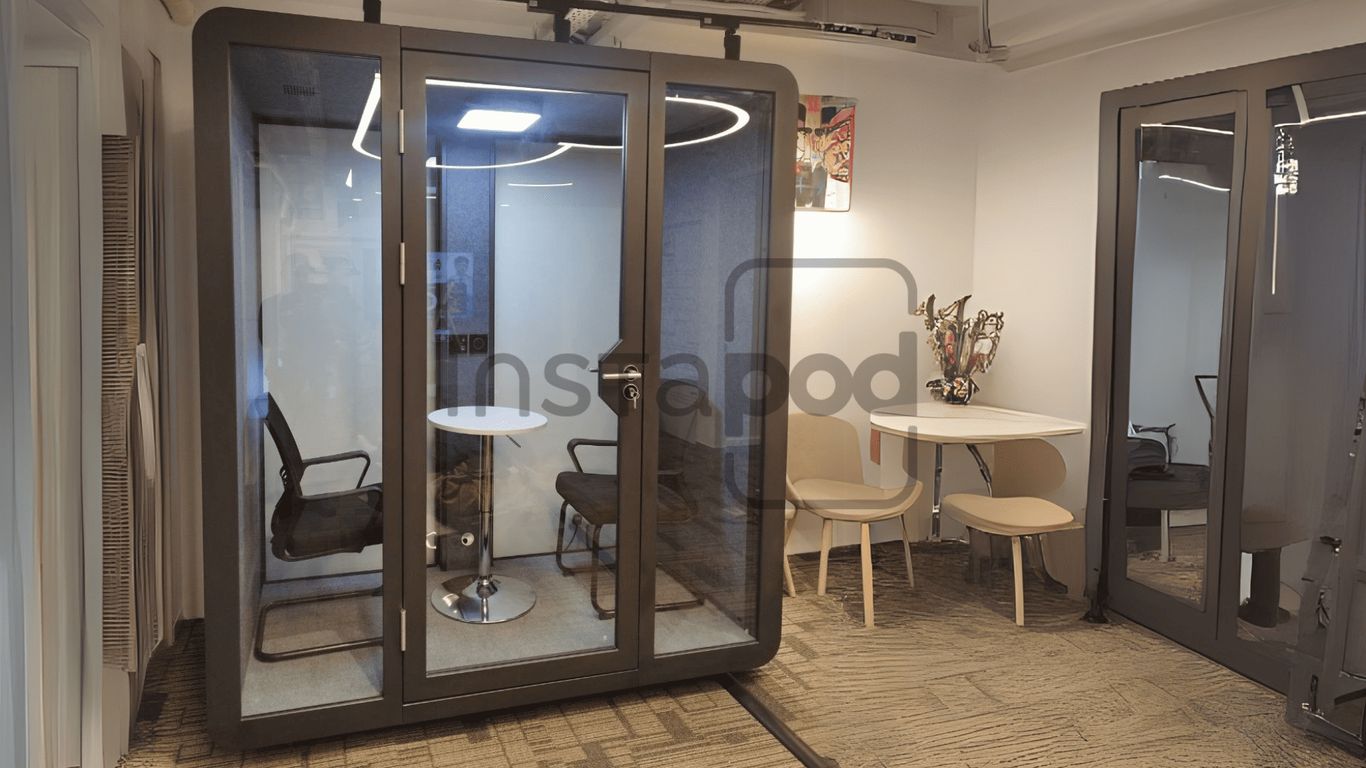
Not all flexible workstations are the same, and Singapore offices are using a few different types to cover all bases. You’ve got your standard hot desks, which are just open spots anyone can use. Then there are focus pods, which are like mini private rooms for when you really need to concentrate or take a call without distractions. Collaboration tables are great for team meetings or quick huddles. And don’t forget sit-stand desks, which let people change their posture throughout the day, which is good for health.
| Workstation Type | Description | Best For |
|---|---|---|
| Hot Desks | Shared workstations, basic setup | General team use, hybrid schedules |
| Focus Pods | Sound-insulated cubicles | Deep work, private calls, video meetings |
| Collaboration Tables | Open tables for small groups (4-6 people) | Brainstorming, informal team discussions |
| Sit-Stand Desks | Adjustable height desks | Employee health, posture variation |
Creating Zones For Different Work Styles
It’s really helpful to divide your office space into different zones. This way, people know where to go for what. You can have a quiet zone for focused work, a collaborative zone with those big tables, and maybe a social area for breaks. Clear signage helps a lot here, so people don’t accidentally start a loud conversation in a quiet area.
Thinking about how people use the space throughout the day can make a big difference. It’s not just about having desks, but about creating an environment that supports different tasks and moods. This thoughtful approach helps everyone feel more comfortable and productive.
By mixing these different types of workstations and clearly defining zones, you can create an office that feels both organised and adaptable, catering to the diverse needs of a modern workforce.
Implementing Successful Hot Desking Solutions
Getting hot desking right isn’t just about clearing out old desks and telling people to find a spot. It takes some real thought and planning to make it work smoothly for everyone. Think of it like setting up a new system for your home – you need the right tools, clear rules, and a bit of adjustment time. The goal is to create a flexible space that actually helps people work better, not just a place to save money on office furniture.
Overcoming Common Hot Desking Challenges
Change can be tough, and people often worry about losing their personal space or not finding a desk when they need one. It’s a valid concern. To tackle this, clear communication is key. Explain why the company is moving to hot desking – maybe it’s about using the office space more wisely or encouraging more team interaction. Providing things like personal lockers for belongings can also make a big difference. And don’t forget about hygiene; with shared desks, keeping things clean is super important. Having a solid cleaning routine and making sure everyone knows their part in it is a must.
- Communicate the ‘why’: Clearly explain the benefits of hot desking to your team.
- Provide storage: Offer lockers or personal storage solutions.
- Establish hygiene protocols: Implement and enforce strict cleaning rules.
- Offer training: Show people how to use booking systems and etiquette.
A successful rollout involves listening to employee concerns and making adjustments based on their feedback. It’s a partnership, not a mandate.
The Role Of Technology In Desk Management
Technology is the backbone of any good hot desking setup. Without it, things can get messy fast. You need systems to manage who sits where and when. Think about desk booking software that lets people reserve a spot for the day or even just a few hours. This stops the morning scramble for a desk. Smart sensors can also track which desks are actually being used, giving you data to make better decisions about office layout and cleaning schedules. Reliable Wi-Fi and easy access to company systems are also non-negotiable – nobody wants to waste time troubleshooting tech issues.
| Technology Type | Functionality |
|---|---|
| Desk Booking Software | Reservations, check-ins, usage analytics |
| Smart Sensors (IoT) | Real-time occupancy, environmental monitoring |
| Wi-Fi & Network Access | Reliable connectivity for all devices |
| Cloud-based Tools | Access to files and applications from any desk |
Best Practices For Office Layout And Design
When you’re designing an office for hot desking, think about different work styles. Not everyone needs a quiet, isolated spot all the time. Some people thrive on collaboration, while others need focus. Creating different zones can help. You might have open areas for team chats, quiet zones for deep work, and maybe some smaller meeting rooms or pods for private calls. The layout should encourage movement and interaction, but also provide options for concentration. Make sure there are enough power outlets and good lighting everywhere. It’s about creating a dynamic environment that supports various tasks throughout the day.
The Employee Experience With Flexible Work
So, what’s it actually like for the folks using these hot desks day in and day out? It’s a big shift from the old ways, for sure. Gone are the days of having your own little kingdom, your own desk that’s been yours for years. Now, it’s more about picking your spot each morning, depending on what you’re doing that day. Some days you might want to be near the window for some natural light, other days you might need to be close to a meeting room. It’s a bit like musical chairs, but with a purpose.
Embracing Dynamic Workdays
This new way of working means your workday can feel a lot more fluid. You’re not tied to one spot. If you need to focus, you can find a quiet zone. If you’re collaborating with a team, you can head to a more open area. It really puts the control back into your hands, letting you shape your environment to match your tasks. This autonomy is a big deal for many people. It means you can adapt your workspace to your personal rhythm, not the other way around.
Fostering Equality and Autonomy
Hot desking can actually level the playing field. When everyone uses the same shared desks, there’s less emphasis on who has the
Case Studies Of Work Pods Singapore
A Marketing Agency’s Transformation
A small marketing agency in Bugis, Singapore, with about 25 employees, decided to shake things up. Their old office had fixed desks and cubicles, and a meeting room that was always booked. Turns out, about 30% of their desks were empty every day, which felt like a waste of space. After a renovation, they swapped out the old setup for 14 hot desks, 4 focus pods, and 2 collaboration tables. They even got a desk booking app linked to their HR system.
Within six months, things got better. Collaboration picked up, and people moved around more. They used their office space about 40% more efficiently and even cut their rent costs by 25%. It’s a model that other small businesses in the area are starting to copy.
Tech Firm SAP’s Hot Desking Strategy
While specific details for SAP’s Singapore hot-desking strategy aren’t publicly detailed in the provided snippets, many large tech firms like SAP globally have embraced flexible workspace solutions. The general trend involves reducing assigned seating to encourage movement and collaboration. This often means implementing a mix of hot desks, quiet zones, and collaborative areas.
The shift towards flexible work is driven by a need for agility and cost-efficiency, especially in prime urban locations like Singapore. Companies are looking at how to make their office space work harder for them.
Takeda Pharmaceuticals’ Space Optimisation
Takeda Pharmaceuticals in Singapore took a significant step by reducing their hot-desking workstations from around 120 to just 40. They also installed lockers so employees could store their personal items. Ms. Janice Yee, head of HR, mentioned that most workspaces, except for meeting rooms, are now available on a first-come, first-served basis.
This change has turned their office into a place for meaningful face-to-face interaction, networking, and social connections, moving away from the old idea of what an office should be. It’s a clear example of how companies are adapting their physical spaces to support hybrid work models and reduce operational costs while meeting employee expectations. The use of office pods and work pods has become a key part of this optimisation.
The Future Of Work Pods Singapore
AI And Predictive Analytics In Desk Management
The way we manage office space is getting smarter, and fast. Think about it: instead of just booking a desk, imagine the system knowing you’ll need one before you even ask. That’s where AI and predictive analytics come in. These tools can look at past usage patterns, team schedules, and even external factors like weather or local events to guess how many desks will be needed on any given day. This means fewer empty desks and less scrambling for a spot when everyone decides to come in on the same Tuesday. It’s about making the office work for us, not the other way around.
Integrating Wellness And Sustainability
Future work pods aren’t just about where you sit; they’re about how you feel and the impact we have. We’re seeing a big push to include more natural elements – think plants, natural light, and materials that feel good to touch. This isn’t just for looks; it’s proven to help people feel calmer and more focused. On the sustainability front, companies are looking at furniture made from recycled materials and designing spaces that use less energy. It’s about creating an environment that’s good for people and good for the planet.
Hot Desking Beyond 2025
So, what’s next after 2025? It’s likely that hot-desking will become even more integrated into the fabric of work life. We might see more ‘activity-based working’ where the office is designed with distinct zones for different tasks – quiet areas for deep focus, lively spots for collaboration, and comfortable nooks for quick chats. The goal is to create a truly dynamic environment that adapts to individual needs and team projects on the fly. Expect technology to play an even bigger role, with smart systems managing everything from desk availability to room bookings and even adjusting lighting and temperature based on who’s in the room. It’s all about making the office a flexible, responsive, and enjoyable place to be, no matter what your workday throws at you.
Conclusion
The way we work has changed a lot, and our offices need to keep up. Hot desking, especially with smart work pods in Singapore, is a great way to make your office more flexible and efficient. It helps save money, makes better use of space, and can even make employees happier. As technology gets better and we focus more on well-being, these flexible setups will only become more important. It’s not just about having desks; it’s about creating a workspace that works for everyone, today and tomorrow.
Frequently Asked Questions
What exactly is hot desking?
Hot desking is like a shared seating arrangement in an office. Instead of having your own desk every day, you pick an available spot when you come in. It’s a way to use office space more freely, especially when not everyone is in the office at the same time.
Why are businesses in Singapore using hot desking so much?
Singapore has expensive office space, so hot desking helps companies save money by needing fewer desks. It also makes the office more flexible for hybrid work, where people work from home sometimes and in the office other times. It’s a smart way to use the space you have.
What kind of furniture do I need for hot desking?
You’ll want furniture that’s easy to use for different people. Think about desks that can be adjusted, comfy chairs that support your back, and ways to keep cables tidy. Also, having places to store personal items, like lockers, is a good idea.
Does everyone like not having their own desk?
Some people might miss having their own space, but many employees actually like the change. It makes the workday more interesting and gives them choices. Companies can help by providing lockers and making sure there are different types of work areas, like quiet spots for focus.
How does technology help with hot desking?
Technology is super important! Apps can let employees book a desk before they come in, so they know they’ll have a spot. This stops confusion and makes sure the space is used well. It’s like having a digital assistant for your office desks.
Are work pods the same as hot desks?
Work pods are often a type of hot desking solution, but they usually offer more privacy or a specific setup. Think of them as specialized workstations within a hot desking environment, like small quiet rooms for focused work or private calls.