No pods added to your quote request yet. Add some now for a free quote!
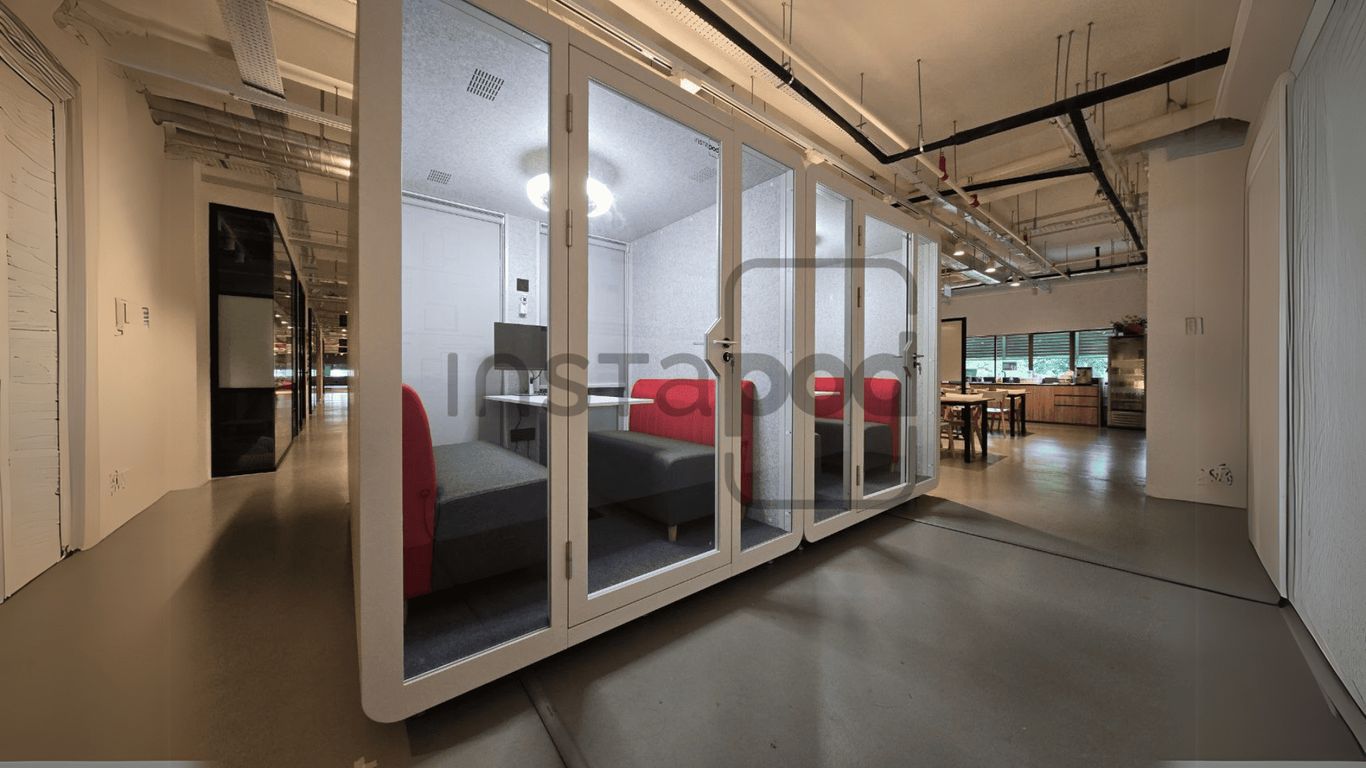
Offices in Singapore are changing, and you know, it’s not just about fancy new furniture or a fresh coat of paint. A big part of this shift involves something called office pods. These aren’t just little rooms; they’re becoming super important for how people work today. Think about it – open offices were supposed to be great for teamwork, but they often just end up being noisy and distracting. That’s where these office pods come in, offering a quiet escape or a private space when you really need to get something done. They’re popping up everywhere, and for good reason.
Key Takeaways
- Office pods are a growing trend in Singapore, addressing the noise and privacy issues common in open-plan workspaces.
- These private spaces help workers concentrate on tasks, boosting individual productivity.
- Office pods also serve as quiet areas for virtual meetings and focused collaboration, supporting flexible work.
- By providing dedicated spaces for different work needs, companies show they value their employees’ diverse working styles.
- Investing in office pods can improve employee well-being and satisfaction, contributing to staff retention.
The Evolving Singaporean Office Landscape
The Modern Workspace and Employee Expectations
The way we think about offices is changing, and Singapore is right there with it. Gone are the days when a desk and a computer were enough. Today’s workers, especially the younger generation, expect more from their workplaces. They’re looking for environments that support their well-being and offer flexibility. This shift means companies need to rethink their spaces, moving beyond just functional areas to places that actually contribute to employee happiness and productivity. It’s not just about having a place to work; it’s about creating an experience.
Addressing Open-Plan Office Challenges
Open-plan offices became popular because they were thought to encourage collaboration. However, many people find them noisy and distracting. It’s hard to concentrate when there’s constant chatter and movement. This lack of privacy can really hurt productivity. Plus, not everyone works best in a loud environment. Some people need quiet to do their best work, and open plans just don’t provide that. This is where solutions like meeting pods in Singapore are starting to make a big difference, offering a way to get the benefits of an open space without all the downsides.
The traditional office setup is no longer meeting the needs of a modern workforce. Companies are realizing that investing in adaptable and people-focused spaces is key to attracting and keeping talent. This means looking at everything from lighting and furniture to the overall layout and available amenities.
Boosting Productivity with Office Pods
Open-plan offices were supposed to be great for collaboration, right? Well, sometimes they just end up being noisy and full of distractions. That’s where office pods come in. They’re like little sanctuaries within the larger office space, designed to help people get their work done without constant interruptions.
Creating Zones for Deep Concentration
Need to really focus on a complex report or a piece of code? Trying to do that with colleagues chatting nearby or phones ringing is tough. Office pods offer a quiet escape. These enclosed spaces cut down on noise and visual distractions, letting your brain do its thing. It’s about giving people the control to find a quiet spot when they need it most. Think of them as personal focus zones, available on demand.
Facilitating Dynamic Brainstorming Sessions
It’s not all about quiet work, though. Meeting pods and smaller collaboration pods are fantastic for quick team huddles or brainstorming sessions. Instead of booking a formal conference room for a quick chat, a nearby pod can be used. This makes it easier for ideas to flow freely and for teams to pivot quickly. They’re great for those ‘aha!’ moments that can happen anywhere, anytime. Even if you’re working from home sometimes, having something like office pods for home can make those remote brainstorming sessions much more effective.
Here’s a quick look at how pods can help:
- Reduced Distractions: Significantly cuts down on ambient noise and interruptions.
- Improved Focus: Allows for sustained concentration on demanding tasks.
- Quick Collaboration: Provides accessible spaces for impromptu team discussions.
- Flexibility: Can be used for solo work, calls, or small group meetings.
The ability to switch between a buzzing open area and a quiet, private pod is a game-changer for many workers. It acknowledges that different tasks require different environments, and gives employees the power to choose what works best for them at any given moment.
Enhancing Employee Well-being Through Design
Integrating Technology for Relaxation
Offices are starting to use tech in break areas, not just for work, but for unwinding. Think about soundscapes that mimic nature or even virtual reality experiences designed to help people de-stress. These aren’t just fancy gadgets; they’re tools to help employees mentally switch off and recharge. Some places are even looking at things like aromatherapy diffusers or nap pods, which sound a bit futuristic but are really about giving people options to relax and reset during the workday. It’s about making the office a place that supports your whole self, not just your work output.
Calming Colour Palettes and Biophilic Elements
Have you noticed how some rooms just feel more peaceful than others? A lot of that comes down to colour and nature. Offices are bringing in muted tones like soft blues, greens, and earthy neutrals. These colours are known to help lower stress levels and make people feel more focused when they return to their tasks. Then there’s the biophilic design – basically, bringing the outdoors in. This means lots of natural light, plants scattered around, and materials that feel natural. It’s about creating a connection to nature, which has a proven calming effect.
Ergonomic Furniture for Optimal Comfort
It’s not just about how a space looks; it’s about how it feels to be in it. That’s where ergonomic furniture comes in. We’re talking chairs that actually support your back properly, not just the standard office seat. Desks are being designed to fit people better, and some even adjust so you can stand while you work. This isn’t just about avoiding aches and pains, though that’s a big part of it. It’s about making sure people are comfortable enough to focus and feel good physically throughout the day. When you’re not fidgeting or feeling stiff, you can concentrate better and just generally feel more positive about being at your desk.
The goal is to create spaces that actively contribute to an employee’s sense of calm and physical comfort, moving beyond mere aesthetics to functional well-being.
Here’s a quick look at what’s changing:
- Colour Psychology: Using blues and greens to reduce stress and boost focus.
- Natural Integration: Incorporating plants and natural light to mimic outdoor environments.
- Comfort-First Furnishings: Prioritizing chairs and desks that support posture and reduce physical strain.
- Tech for Tranquility: Employing soundscapes and VR for mental breaks.
The Role of Office Pods in Employee Retention
Fostering a Positive Company Culture
When companies invest in spaces like office pods, it sends a pretty clear message to the team. It says, ‘We see you, we get that you work differently, and we care about making your day better.’ This kind of investment goes a long way in making people feel appreciated. It’s not just about having a nice desk; it’s about having a workspace that actually supports what you need to do your job well. When employees feel valued, they’re more likely to stick around. It builds a sense of loyalty that money can’t always buy.
Valuing Individual Work Styles
Let’s be real, not everyone thrives in the same environment. Some folks need absolute quiet to get their best work done, while others might need a quick, private spot for a video call. Office pods acknowledge this diversity. They provide dedicated zones for different needs:
- Deep Focus Zones: Small, sound-dampened pods perfect for concentrating on complex tasks without interruption.
- Collaboration Nooks: Slightly larger pods designed for small team discussions or quick brainstorming sessions.
- Private Call Booths: Compact spaces ideal for taking personal calls or participating in virtual meetings.
This flexibility means employees can choose the space that best suits their current task, leading to less frustration and more effective work. It shows the company respects that people have different ways of working.
Demonstrating Investment in Staff
Think about it: putting in office pods isn’t exactly cheap. It requires planning, resources, and a commitment to improving the workplace. When employees see these tangible improvements, it signals that the company is serious about their well-being and productivity. It’s a physical representation of the company’s commitment to its people. This kind of investment can significantly impact how employees view their job and their employer, making them less likely to look elsewhere.
Providing varied spaces acknowledges that work isn’t one-size-fits-all. It’s about creating an environment where everyone can find their rhythm and perform at their peak, which naturally leads to greater job satisfaction and a stronger connection to the company.
Supporting Flexible Work Arrangements
The way we work has really changed, hasn’t it? With more people splitting their time between home and the office, companies in Singapore are looking for ways to make this hybrid setup actually work. It’s not just about letting people work from home; it’s about making the office a place that complements that flexibility, not fights against it.
Bridging Remote and In-Office Gaps
Office pods are surprisingly good at helping everyone feel connected, no matter where they’re logging in from. When someone working remotely needs to jump on a video call, they can do it without worrying about disturbing colleagues in the main office. Likewise, people in the office can focus without being interrupted by someone else’s important client meeting happening nearby. It means everyone gets a decent space to do their job, which is a big deal for keeping people happy and productive.
- Dedicated call spaces: Small, soundproof pods mean virtual meetings don’t disrupt the whole floor.
- Hybrid team zones: Larger pods can be set up for small, in-person team huddles that include remote participants via screen.
- Quiet focus areas: These pods give anyone needing uninterrupted time a place to go, whether they’re in the office full-time or just for a few days a week.
The goal is to create an environment where work can happen effectively, regardless of whether an employee is physically present or connecting from afar. This adaptability is key to modern office success.
Providing Private Spaces for Virtual Collaboration
Think about it: trying to have a serious discussion or a brainstorming session over a video call in a noisy open-plan office is just… not ideal. Pods offer that much-needed privacy. They’re like mini meeting rooms that you can book for an hour or just pop into for a quick chat. This means those virtual collaborations can be more focused and professional, making sure everyone feels heard and understood, even if they’re miles apart. It shows the company is thinking about how people actually work today.
Innovative Solutions for Quiet Spaces
Acoustic Pods and Booths for Privacy
Finding a quiet spot in a busy office can feel like a treasure hunt, right? Especially when you’ve got a task that needs your full attention, like writing a report or crunching some numbers. Open-plan offices, while great for chatting, often mean constant background noise. That’s where acoustic pods and booths come in. These are basically small, enclosed rooms designed to keep sound out (and in!). Think of them as personal quiet zones you can book for an hour or two. They’re perfect for making important calls without everyone overhearing, or just for getting some serious, uninterrupted work done. They don’t take up a ton of space and can be moved around if the office layout needs to change. It’s a smart way to give people a private escape without a major renovation.
Modular Furniture for Adaptable Workspaces
Beyond dedicated pods, the way we arrange our furniture also plays a big role in creating quieter areas. Modular furniture is a game-changer here. Instead of fixed desks and walls, you get pieces that can be easily rearranged. This means you can quickly create semi-private nooks or divide larger spaces. Imagine using movable partitions to section off a few desks for a team that needs to focus, or setting up a small, quiet zone away from the main hustle. It’s all about flexibility. The office can adapt to different needs on different days.
Here’s a quick look at how modular elements help:
- Creating Zones: Easily set up areas for focused work, quick chats, or even small team huddles.
- Adaptability: Reconfigure the space quickly as project needs or team sizes change.
- Privacy on Demand: Add screens or partitions to desks for a bit more personal space.
The goal is to give employees control over their immediate environment. When people can adjust their workspace to suit their task and personal preference, they tend to be more comfortable and productive. It’s about building an office that works for the people in it, not the other way around.
The Value of Workplace Relaxation Havens
Facilities That Boost Restfulness
More and more, Singaporean offices are adding special spots designed to help people unwind, practice mindfulness, and just generally dial down the stress. Think of it as moving beyond the basic coffee machine and into a space that actively supports your well-being. These areas aren’t just about taking a break; they’re about providing a genuine haven to recharge. We’re seeing things like dedicated quiet zones, comfy seating that feels almost like a hug, and even areas with yoga mats for a quick stretch. These thoughtful additions go beyond just looking nice; they’re about giving staff a real chance to reset and come back to their tasks feeling more focused and less frazzled.
Areas for Mindfulness and Meditation
Beyond just a quick breather, some Singapore workplaces are really stepping up by creating dedicated mindfulness and meditation spaces. These spots are designed to engage your senses and help you feel refreshed. They offer a real escape from the usual office hustle, promoting a sense of calm and a chance for a little introspection. You’ll often find soft lighting, really comfortable chairs, and decor that feels peaceful, almost like a mini-spa. Companies are putting effort into making these places feel immersive, perfect for a few minutes of focused breathing or just quiet thought. Some even have soundproofing, so you can truly get away from the office noise. It’s a big step towards acknowledging that mental well-being is just as important as getting the work done.
The shift towards creating dedicated relaxation and mindfulness areas shows a company’s commitment to its employees’ overall health. It’s not just about productivity metrics; it’s about cultivating a supportive environment where people can thrive both personally and professionally.
Here’s a look at some common features:
- Quiet Zones: Soundproofed or semi-enclosed spaces for uninterrupted thought or quiet activities.
- Comfortable Seating: Ergonomic chairs, beanbags, or lounge areas designed for relaxation.
- Natural Elements: Plants, natural light, and calming colours to create a serene atmosphere.
- Wellness Tools: Access to resources like guided meditation apps, calming music, or even massage chairs.
Wrapping It Up
So, it’s pretty clear that these office pods are more than just a passing fad in Singapore. They’re really helping companies create better spaces for their people. By giving folks a quiet spot to focus, a place for quick chats, or just a bit of privacy, these pods make a big difference in how people feel about their workday. It’s not just about looking modern; it’s about making work feel more manageable and less stressful. Companies that are bringing these pods in are showing they care about their employees’ well-being and productivity, which is a smart move for keeping good staff around.
Frequently Asked Questions
What exactly are office pods?
Office pods are like small, private rooms inside a bigger office. Think of them as mini-offices or quiet boxes where you can go to focus on your work without being bothered by noise or other people. They come in different sizes, some for just one person and others for small groups.
Why are offices using these pods?
Offices are using pods to help people work better. In big, open offices, it can be noisy and hard to concentrate. Pods give workers a quiet place to get important tasks done or have private calls. They also help when people need to brainstorm ideas together in a focused way.
Do these pods help employees feel better?
Yes, they do! Having a quiet space helps reduce stress. Pods can also be designed with comfy chairs, nice colors, and even plants, making them feel like a relaxing spot. This helps people feel happier and more comfortable at work.
Can office pods help keep employees at a company?
Definitely. When a company provides nice spaces like pods, it shows they care about their employees’ needs and comfort. This makes people feel more valued and appreciated, which can make them want to stay with the company longer. It’s like saying, ‘We invested in you and your work environment.’
How do pods help with working from home sometimes and in the office other times?
Many jobs now let people work from home part of the week and come to the office the rest. Pods are great for this because they give people a private spot in the office for video calls, so they don’t disturb others or get disturbed themselves. It makes the office useful for everyone, no matter where they usually work.
Are there other ways to create quiet spaces besides pods?
Yes, besides pods, companies can use things like special sound-blocking materials to make parts of the office quieter. They can also use furniture that can be moved around to create smaller, more private areas. Sometimes, just having designated ‘quiet times’ when everyone tries to be silent can also help a lot.