No pods added to your quote request yet. Add some now for a free quote!
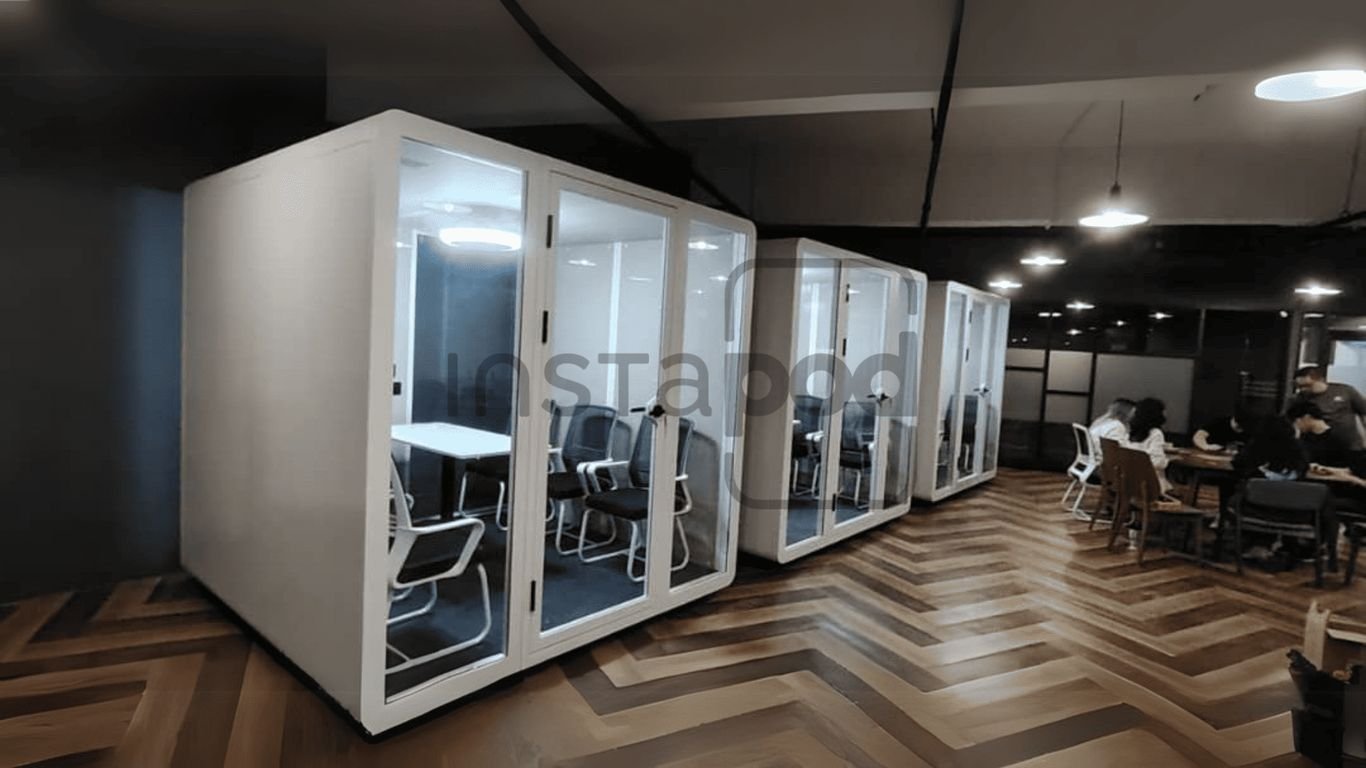
Offices in Singapore are changing, and you’ve probably noticed those little pods popping up. They’re not just for show; they’re actually making a big difference in how people work. Think about it – we all need a quiet spot sometimes, right? Especially in busy open-plan offices. These work pods are becoming super popular because they give people that space. It’s all about making work a bit more comfortable and productive for everyone.
Key Takeaways
- Work pods are becoming common in Singapore as companies look for better ways to set up their work areas.
- These pods help people focus and get more done, which is good for both the individual worker and the company overall.
- Pods make office spaces more flexible, allowing businesses to use their area more effectively and experiment with different work setups.
- They are great for supporting new work styles, like hybrid models where people split their time between home and the office.
- Companies are investing in these pods as a smart move to improve employee comfort and boost overall productivity.
Addressing The Noise Challenge In Modern Offices
The Rise Of Work Pods In Singapore
Open-plan offices have been the go-to for a while now, aiming for that collaborative vibe. But let’s be real, they can get loud. Think constant chatter, phones ringing, keyboards clacking – it all adds up. This noise isn’t just annoying; it really messes with people’s ability to concentrate. Studies show that background noise can seriously tank productivity, sometimes by a lot. It’s tough to get into that deep work zone when there’s always something going on around you. This is where things like office telephone booth solutions start to make a lot of sense.
A Response To Open-Plan Office Challenges
So, what’s the fix? Well, offices are starting to look at ways to bring back some quiet without ditching the open feel entirely. It’s about finding a balance. You want people to be able to chat and brainstorm, but you also need spaces where someone can actually get some work done without feeling like they’re in a cafeteria. This is where dedicated quiet zones and private spaces become super important. They’re not just a nice-to-have anymore; they’re becoming a necessity for a lot of companies.
Addressing Distractions In Busy Offices
Finding a quiet spot in a busy office can feel like a treasure hunt. People might try to find an empty meeting room or even just a quiet corner, but those aren’t always available. This is where things like office phone booths come into play. They offer a ready-made solution for quick calls or focused work, right there in the office. They’re designed to block out the surrounding noise, giving you a personal bubble of calm.
Here’s a quick look at common office noise sources:
- Conversations and team huddles
- Foot traffic and movement
- Office equipment sounds
- Reverberation from hard surfaces
The constant hum of activity in modern workspaces, while sometimes energetic, often creates an environment where deep concentration is difficult. This auditory overload can lead to increased stress and a noticeable drop in output, prompting a search for practical solutions that offer respite without isolating employees completely.
Meeting Evolving Workspace Needs With Working Pods
Adapting To Different Work Styles
Look, the way we work isn’t really a one-size-fits-all thing anymore, is it? Some days you need to really buckle down and focus on a big report, no distractions allowed. Other days, you might need to quickly huddle with a couple of colleagues to hash out an idea. Traditional office setups, especially those sprawling open-plan ones, just don’t cater to this mix very well. That’s where these working pods really shine. They’re like little adaptable zones within the larger office space. You can have a super quiet pod for deep concentration, maybe with just a comfy chair and good lighting. Then, right nearby, you could have another pod designed for a quick chat, perhaps with a small table and a screen for sharing ideas. It means people can actually choose the environment that fits what they need to do at that moment, instead of just trying to make do.
Enhancing Employee Well-being And Satisfaction
It’s pretty simple, really: when people have control over their workspace, they tend to be happier and more productive. Having a private space to retreat to, even for just an hour, can make a huge difference in reducing stress. Think about it – no more awkward silences during important calls or feeling like everyone’s listening in on your private conversation. These pods give employees a sense of personal space and autonomy, which is a big deal. It’s not just about having a place to sit; it’s about having a reliable spot where you can feel comfortable and get your work done without constant interruptions. This kind of thoughtful design really shows employees that their comfort and focus are a priority.
The modern office needs to be more than just a collection of desks. It needs to be a flexible environment that supports the diverse ways people work and helps them feel good while they’re doing it. Pods are a key part of making that happen.
Providing Flexible Space Solutions
Let’s be honest, setting up permanent new rooms in an office can be a massive headache and a huge expense. You’re talking about construction, permits, and a lot of disruption. Pods offer a much more straightforward way to add dedicated spaces. Need a few more spots for private calls? Just bring in a few pods. Your team size changes and you need more small meeting areas? You can rearrange or add pods without tearing down walls. This flexibility means your office layout can actually keep up with your business needs, rather than being a rigid structure that you’re stuck with. It’s a smart way to use your office footprint more effectively, creating different zones for different tasks without the commitment of traditional building work.
Innovations In Acoustic Performance For Working Pods
It’s not enough for a pod to just look good; it has to actually work. And when we talk about work pods, the biggest thing they need to do is keep the noise out. Companies are really starting to pay attention to how these pods are built, looking for materials and designs that actually make a difference.
Advanced Soundproofing Materials
Gone are the days of flimsy partitions. Today’s pods are built with serious sound-dampening materials. Think multi-layered panels with special foam or mineral wool inside. These aren’t just thrown in there; they’re engineered to absorb sound waves, stopping them from bouncing around and getting out. The goal is to create a solid barrier against the usual office sounds – the chatter, the keyboard tapping, the ringing phones. It’s about making sure that when you step inside, the outside world just fades away.
- Sound Absorption: Materials that soak up noise, like dense fabrics or specialized acoustic panels.
- Sound Blocking: Solid construction with airtight seals to prevent sound leakage.
- Vibration Dampening: Components designed to minimize the transfer of vibrations through the structure.
Creating Immersive, Distraction-Free Environments
The real magic happens when these acoustic features combine to create a space where you can truly focus. It’s more than just quiet; it’s about creating a mental sanctuary. When you’re in a pod, the external noise pollution drops significantly, allowing your brain to switch gears. This is especially important for tasks that need deep concentration, like writing complex reports, coding, or having a sensitive client call. The pod becomes a tool that helps you get into a flow state without constant interruptions.
The design of these pods aims to provide a consistent, quiet atmosphere, which is a big help for tasks that require deep thought. It’s like having your own private office, but without the permanent walls.
The Future Of Privacy Pods In Singapore
What’s next? We’re seeing a push towards pods with even more advanced acoustic controls. Imagine pods where you can actually adjust the level of soundproofing, maybe even choose different acoustic profiles depending on your task. This could involve smart materials that adapt or modular designs that allow for different levels of sound isolation. The idea is to give users complete control over their auditory environment, making these pods even more effective for a wider range of work needs.
| Feature | Current Pods | Future Pods |
|---|---|---|
| Soundproofing Level | Standard, good noise reduction | Adjustable, customizable sound isolation |
| Material Innovation | Dense foams, mineral wool | Smart materials, advanced composites |
| User Control | Passive (closed door) | Active (adjustable settings, app control) |
| Environment | Quiet | Immersive, distraction-free, tailored acoustics |
The Integration Of Smart Technology In Working Pods
Intelligent Features For Enhanced Functionality
These aren’t just quiet boxes anymore. The new wave of working pods is packed with tech that makes them genuinely useful. Think about stepping into a pod and having the lights automatically adjust to a comfortable level, or the ventilation kicking in to keep the air fresh. Many pods now come with built-in sensors that monitor air quality, temperature, and even occupancy, all managed through a simple interface. It’s about creating an environment that’s not just quiet, but also comfortable and healthy for whoever is using it.
Seamless Booking And Environmental Controls
Forget the old way of wandering around the office hoping to find an empty pod. Smart technology means you can book a pod right from your phone or computer. You can even set your preferences before you get there. Want it a bit cooler? Need brighter lights for reading? You can often set all that up in advance. This makes using the pods super easy and takes away a lot of the guesswork and potential frustration.
Here’s a quick look at how booking systems are changing:
- App-Based Booking: Reserve a pod from anywhere using a dedicated app.
- Calendar Integration: Syncs with your work calendar to show availability and book slots.
- Remote Control: Adjust lighting, temperature, and fan speed before you even enter.
- Occupancy Sensors: Automatically free up pods when they’re no longer in use.
Tailored Pods For Specific Needs
We’re moving beyond a one-size-fits-all approach. Offices are starting to see different types of pods designed for particular tasks. Some might have integrated screens and digital whiteboards, perfect for quick, impromptu video calls or brainstorming sessions with a colleague. Others might be designed purely for deep focus, with extra soundproofing and minimal distractions. This means you can pick the pod that best suits what you need to get done that day, making your time in the office much more productive.
The goal is to make the office a place where people want to come, not just where they have to be. Pods help achieve that by giving people control over their immediate environment, supporting different work styles and preferences.
The Benefits Of Working Pods For Collaboration
Facilitating Small Group Work
Sometimes, you just need to huddle up with a couple of colleagues for a quick chat or a mini-brainstorm. Trying to do that in an open-plan office can be a real challenge, right? You end up disturbing others, or worse, you can’t even hear each other over the general office noise. That’s where workpods shine. Many of these units are designed specifically for small groups, offering a contained space where you can talk freely without bothering the rest of the office. They’re like little meeting rooms on demand, perfect for those spontaneous collaborations that keep projects moving.
Enabling Effective Hybrid Meetings
Hybrid work means some team members are in the office, and others are remote. Making sure everyone feels included and can contribute equally during meetings is key. Certain workpods are kitted out with the tech needed for professional video calls – think good cameras, microphones, and screens. This means you can have a focused, high-quality meeting in a pod, bridging the gap between those physically present and those joining virtually. It cuts down on the awkwardness and technical glitches that can plague hybrid interactions, making teamwork feel more natural.
Creating Mini-Hubs For Team Interaction
These workplace pods aren’t just for quiet, solo work. They can actually become dynamic little zones for team interaction. Imagine a pod set up with a small whiteboard or a screen where a project team can gather for a quick sync-up. It creates a dedicated space for focused team activity without taking over a larger meeting room. This flexibility allows different teams to have their own impromptu collaboration spots, making the office a more adaptable and interactive environment for everyone involved. Pods help make the office a place people want to come to, not just where they have to be.
The modern office needs to be more than just desks and chairs. It needs to support different ways of working, and that includes how teams connect and collaborate. By providing these dedicated, contained spaces, workpods allow for more focused and productive group interactions, which is a big win for any company trying to stay agile.
The Future Of Working Pods In Singapore
It’s pretty obvious by now that work pods aren’t just a passing fad in Singapore’s offices. They’re really starting to feel like a permanent fixture, a standard part of how we design workspaces. As work itself keeps changing, these pods are going to change too. We’re heading towards a future where they’re even more built-in, smarter, and made to fit exactly what different teams or people need.
Becoming A Standard In Office Design
Think about it: open-plan offices were the big thing for a while, meant to encourage collaboration. But we learned pretty quickly that constant noise and interruptions aren’t always the best for getting serious work done. Pods stepped in to fill that gap, offering a quiet escape. Now, they’re not just an add-on; they’re becoming a fundamental part of office layouts, just like meeting rooms or break areas. Companies are realizing that having these dedicated quiet zones is just as important as having collaborative spaces.
Increasing Integration And Customization
What’s next? Expect pods to get even better at blocking out noise. We’re talking about advanced materials and designs that create a truly quiet bubble, letting you control your sound environment. Some might even have adjustable soundproofing. Plus, they’ll be more integrated with smart tech. Imagine pods that automatically adjust lighting and ventilation, or have simple booking systems built right in. Customization will also be key, with companies able to tailor pods to their specific brand colors or functional needs, like adding whiteboards or specific tech setups.
Supporting Evolving Work Models
These pods are also going to be super important for supporting different ways of working. With more hybrid models where people split time between home and the office, pods provide that necessary focused space when people are in the building. They can also be configured for different tasks:
- Deep Work Zones: For tasks requiring intense concentration.
- Private Call Booths: For sensitive or important conversations.
- Mini Collaboration Hubs: Small, enclosed spaces for quick team huddles or brainstorming sessions.
The goal is to make the office a place that truly supports its people, offering flexibility and control over their immediate work environment. This makes the office a more attractive and productive place to be.
It’s all about making the office work better for everyone, no matter their preferred work style. Pods are a big part of that puzzle, helping Singapore offices stay modern and productive.
The Future is Quiet (and Productive)
So, it’s pretty clear that these office pods are more than just a temporary fix for Singapore’s workplaces. They’re becoming a standard part of how we design offices now, helping people focus better and making spaces more flexible. As companies keep looking for ways to make their employees happier and more productive, especially with different work styles becoming common, these pods are a smart move. We’ll probably see them become even more common, fitting right into the evolving picture of what a modern office looks like.
Frequently Asked Questions
What are office pods and why are they used?
Office pods are like small, private rooms inside a bigger office. They’re built to give people a quiet spot for focused work, taking calls, or having short meetings without disturbing others. Think of them as mini-workspaces within the main office area, helping everyone concentrate better.
Why are these pods becoming so popular in Singapore?
In Singapore, companies are using pods because they help employees focus and get more work done. Having a quiet space reduces distractions, making people more productive. It also makes the overall office atmosphere calmer and more peaceful, which is great for everyone’s mood and well-being.
Do office pods actually help save space?
Yes, they can! Because pods are compact and designed for specific tasks, offices can fit more people and different work activities into the same area. This means businesses can use their office space more wisely and potentially save on rent costs.
How do office pods help with hybrid work?
Hybrid work means people split their time between home and the office. Pods offer a consistent, private space for those in the office, ensuring they have a quiet place for calls or focused tasks, just like they might have at home. This makes the office a reliable place to work, no matter where else you might be working from.
Are these pods just for working alone?
Not at all! Many pods are designed for small groups. They make it easy for colleagues to meet up and share ideas without making noise for others. Some even have screens or whiteboards, turning them into handy spots for team chats or quick project discussions.
What’s the future of office pods in Singapore?
It looks like office pods are here to stay and will become a normal part of office design. We’ll likely see them get even smarter, with more features like better sound control and easier ways to book them. They’ll continue to support different ways of working, making offices more adaptable and employee-friendly.