No pods added to your quote request yet. Add some now for a free quote!
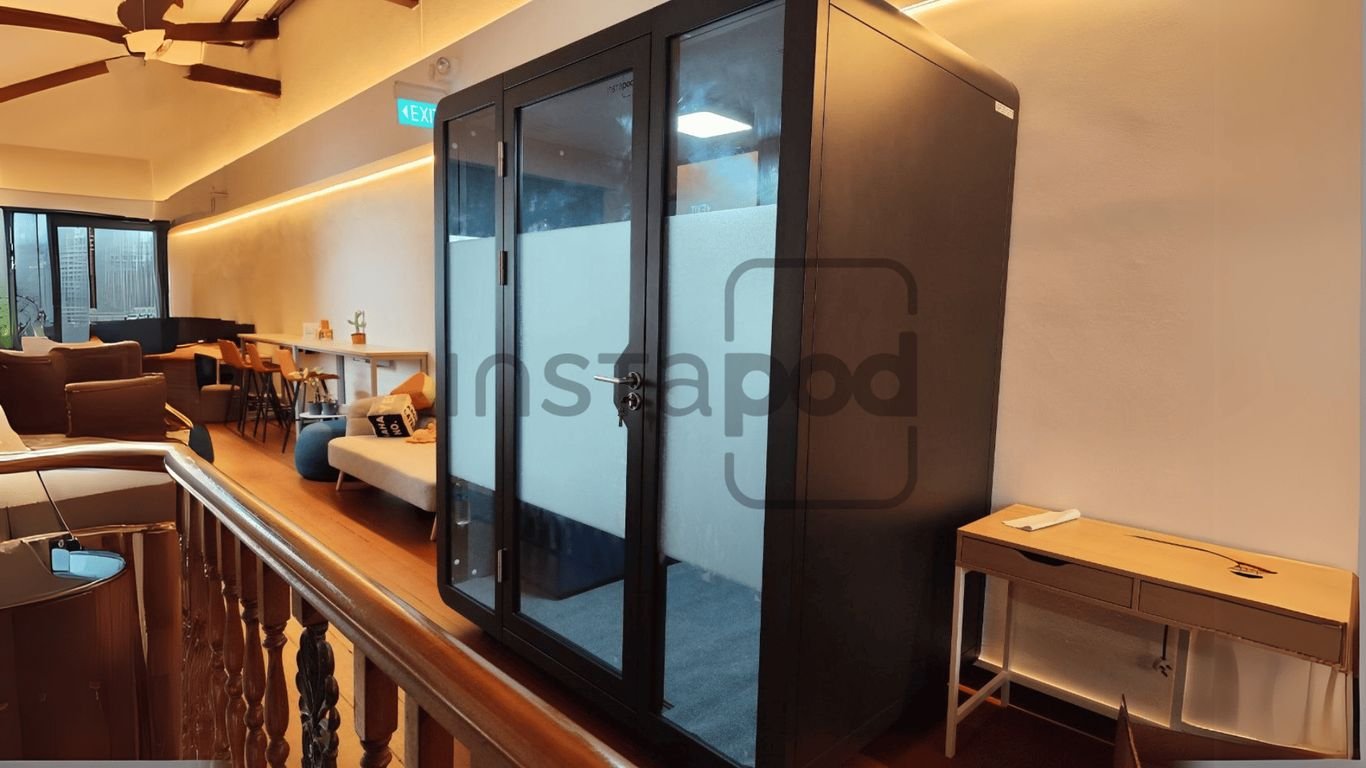
Offices are changing, and fast. Gone are the days of just rows of desks or huge, noisy open spaces. Now, there’s a new trend popping up everywhere: conference room pods. These aren’t just fancy little rooms; they’re actually solving some big problems in how we work today. Think about needing a quiet spot for a call or a private place to really focus. That’s where these pods come in, making work feel a bit more human and a lot more productive.
Key Takeaways
- Offices have evolved from cubicles to flexible spaces, with conference room pods meeting new employee needs for privacy and focus.
- Conference room pods create quiet zones for concentration and improve hybrid meetings by providing better audio and lighting for remote participants.
- Pods are easily integrated into existing office layouts, offering a flexible way to balance open areas with private spaces without major construction.
- Modern conference room pods include smart technology for better user experience and are often made with sustainable materials.
- These versatile units serve multiple purposes, from individual focus booths to small meeting spaces, adapting to various work styles and coworking needs.
The Evolution of Office Environments and the Rise of Conference Room Pods
Remember the days of endless rows of cubicles, or the chaotic open-plan spaces where you could hear every single phone call? Offices used to be pretty static. You got your assigned spot, and that was that. But things have really shifted, haven’t they? We’ve started to realize that not everyone works the same way, and forcing everyone into one mold just doesn’t cut it anymore. This is where the idea of the conference room pod, or what some call an office booth, really starts to make sense.
Adapting to New Ways of Working
The traditional office setup, with its fixed desks and meeting rooms, was built for a different era. As work became more flexible, especially with the rise of remote and hybrid models, offices had to catch up. People need spaces that fit the task at hand, whether that’s deep concentration or a quick chat. The old ways just weren’t cutting it.
- Open plans: Great for collaboration, but terrible for focus and private calls.
- Cubicles: Offered a bit of privacy, but felt isolating and weren’t very flexible.
- Traditional meeting rooms: Often too big for small groups or booked solid when you just needed a quiet corner.
Addressing Employee Expectations for Privacy
Employees today expect more from their workspace. They want to be able to take a confidential call without the whole office listening in, or find a quiet spot to really buckle down on a project. It’s not just about comfort; it’s about being able to do your job effectively. Providing these adaptable spaces shows that a company cares about its employees’ needs.
The push for privacy isn’t just a perk; it’s becoming a necessity for focused work and sensitive communication in shared environments.
From Cubicles to Customizable Spaces
We’ve moved beyond the era of just assigning a desk. Now, the focus is on creating environments that can be changed and adapted. Think of office pods as the modern solution to the limitations of older office designs. They offer a way to bring privacy and dedicated work zones into even the most open of layouts, without the hassle of major construction. It’s about making the office work for the people in it, not the other way around.
Enhancing Productivity and Collaboration With Conference Room Pods
It’s pretty wild how much a little bit of quiet can change your workday, right? Offices used to be all about open spaces, which is great for some things, but not so much when you actually need to get stuff done without a million distractions. That’s where these conference room pods, or sometimes called office privacy pods, really come into their own. They’re like little sanctuaries you can pop into.
Creating Soundproof Sanctuaries for Focus
Think about it: you’ve got a big report due, or maybe a sensitive client call. The last thing you need is someone’s loud conversation or the coffee machine whirring in the background. These soundproof office pods are designed to block out that noise. They create a quiet zone, letting you concentrate fully on the task at hand. It’s not just about blocking noise, though. The lighting is usually better, and the air circulation is often controlled, making it a more comfortable space to spend time in. This focus boost is a big deal for getting through demanding work.
Facilitating Seamless Hybrid Meetings
Hybrid work is here to stay, and let’s be honest, it can be tricky. Trying to have a meeting where some people are in the room and others are on a screen can be a mess. Pods help fix that. They offer a controlled environment for the in-office folks. This means better audio quality for everyone, no matter where they are. Plus, you don’t need to book a huge conference room for a quick chat between two people or a small team huddle. It makes those impromptu or smaller meetings much smoother.
Boosting Morale Through Thoughtful Design
When a company puts in these kinds of spaces, it shows they’re thinking about their employees. Having a place to go for quiet work or a private conversation makes people feel more valued. It’s not just about productivity; it’s about well-being too. People can take a moment to decompress, have a private chat without being overheard, or just get away from the general office buzz for a bit. This kind of thoughtful design can really make a difference in how people feel about their workplace.
Here’s a quick look at what makes these pods so effective:
- Acoustic Insulation: High-quality materials block out external noise.
- Controlled Environment: Features like adjustable lighting and ventilation.
- Tech Integration: Often include power outlets and USB ports for devices.
- Privacy: Offers a dedicated, secure space for conversations.
The shift towards these private spaces within open-plan offices isn’t just a trend; it’s a practical response to the diverse needs of modern workers. It acknowledges that different tasks require different environments, and providing these options directly impacts an employee’s ability to perform and feel comfortable throughout the day.
Integrating Conference Room Pods into Modern Workspaces
So, you’ve got these cool new conference room pods, but where do they actually go? It’s not just about sticking them anywhere. Think of your office like a neighborhood. You need those busy public squares where everyone can chat and bump into each other, but you also need quiet little houses where people can go to focus or just chill. Pods are like those houses. They give people a break from the open-plan hustle. This mix is key to making sure everyone, whether they need to concentrate or collaborate, feels like they have a spot. It’s not about getting rid of open space, but about adding different kinds of spaces that work together. We’re seeing a lot of companies use pods to break up large, open areas, which helps cut down on noise and gives people more options for where they do their best work. It’s a smart way to use your existing footprint without major renovations.
Flexible Workspace Integration
Pods really shine when it comes to flexibility. They can be put in place pretty quickly, moved around without a huge fuss, and changed up if your team size shifts. No need for drywall or permits, which means fewer headaches. This adaptability is a big deal for modern offices that are trying to stay nimble. Facilities teams can tweak floor plans easily as hybrid work patterns change. Need a few small meeting spots near the hot-desking area? Done. Want a bigger pod for a project team? Easy. This flexibility means you can add spaces in days, not weeks or months.
Balancing Open and Private Work Areas
Finding the right balance between open areas and private spots can be tricky. It’s about creating a mix that works for everyone. Pods help achieve this by offering dedicated private zones within a larger, more open environment. This means people who need to concentrate on a task or have a confidential call can do so without disturbing others, while still being part of the general office buzz. It’s not about choosing one over the other, but about having both.
- Creating quiet zones: Pods offer a dedicated space for deep work, free from distractions.
- Facilitating impromptu chats: Smaller pods can be used for quick, private conversations without needing to book a large meeting room.
- Supporting diverse work styles: They cater to individuals who thrive in quiet environments and those who prefer a bit more separation.
Strategic Placement for Optimal Use
Putting pods into your office isn’t a one-size-fits-all deal. You’ve got to look at your current setup and figure out where they’ll make the most sense. Maybe you put a few focus pods near the quietest part of the office, or you cluster some meeting pods together to create a mini-collaboration zone. It’s about being thoughtful with placement. For instance, putting a few discussion pods near the kitchen area can create a casual spot for quick chats without interrupting people trying to concentrate. It’s about making the pods work for your specific office flow, not the other way around.
The goal is to make these spaces work for your team, not the other way around. Consider how people move through the office and where natural gathering or quiet spots might be needed. Thoughtful placement can turn a pod from just another piece of furniture into a vital part of your daily workflow.
Here’s a quick look at placement ideas:
- Near high-traffic areas: For quick calls or brief discussions.
- Adjacent to open work zones: To provide a quiet escape for focused tasks.
- Clustered together: To create a dedicated collaboration hub or team zone.
- In underutilized corners: To bring life and function to less-used spaces.
The Technological Advancements in Conference Room Pods
These aren’t your grandpa’s meeting rooms. Today’s conference room pods are packed with tech that makes working in them a breeze. Think about it: you walk into a pod, and the lights just turn on. Pretty neat, right? That’s thanks to smart sensors that know when you’re there. The ventilation kicks in too, keeping the air fresh without you having to lift a finger. It’s all about making things easy and efficient.
Smart Technology for Enhanced User Experience
It’s not just about automation, though. Many pods now have touch controls, letting you adjust lighting, temperature, and even sound levels with a simple tap. Some even connect to your company’s booking system, so you can reserve a spot right from your computer or phone. This means less time spent searching for a quiet space and more time actually getting work done. The goal is to make the pod adapt to you, not the other way around.
Sustainable Materials and Design
Beyond the smart features, there’s a growing focus on making these pods eco-friendly. Manufacturers are using recycled materials and designing them for easy disassembly and recycling at the end of their life. This means you can have a functional, tech-filled space without a huge environmental footprint. It’s a win-win for both the company and the planet.
Integrated Connectivity and Amenities
Need to charge your laptop or phone? Most pods have you covered with built-in power outlets and USB ports. Some even come with integrated screens or whiteboards, turning them into mini-collaboration hubs. For those quick calls or video conferences, a dedicated phone pod offers a private, soundproof space, ensuring your conversations are clear and confidential. It’s like having your own personal office, ready whenever you need it.
The integration of technology into these spaces is really about making work easier and more productive. It’s not just about having a quiet spot; it’s about having a smart, connected, and comfortable environment that supports whatever task you’re doing. This tech focus is what’s really pushing pods forward as a solution for modern workplaces.
Here’s a quick look at some common tech features:
- Automated Lighting & Ventilation: Sensors detect presence and adjust settings.
- User-Adjustable Controls: Touch panels for temperature, light, and sound.
- Connectivity Hubs: Power outlets and USB ports for devices.
- Integrated AV: Screens and microphones for video conferencing.
- Smart Booking Systems: Digital integration for easy reservation.
The Versatility and Application of Conference Room Pods
These aren’t just fancy boxes; conference room pods are seriously changing how we use office space. They’re popping up everywhere because they do a bunch of different jobs really well, which is pretty neat.
Individual Focus Booths
Sometimes you just need to get away from the noise. That’s where these single-person pods come in. They’re like little quiet zones built right into the office. You can hop in to make a private call, really concentrate on a tricky report, or just have a moment to yourself without anyone bothering you. They usually have a small desk and a comfy seat, so you can get straight to work. It’s all about giving people a dedicated spot for deep focus when they need it.
Collaborative Meeting Spaces
Then you’ve got the pods designed for groups. These are great for quick team chats, brainstorming sessions, or even client meetings where you don’t need a huge boardroom. They come in various sizes, from cozy spots for two or three people to larger ones that can fit a small team. They often have whiteboards or screens, making them perfect for working through ideas together. It beats trying to cram into a corner of the open office or booking a big room that’s mostly empty.
Adaptable Solutions for Coworking Environments
Coworking spaces are all about flexibility, and pods fit right in. Since they’re not permanent structures, they can be moved around easily. This means a coworking space can quickly add more meeting spots if demand goes up, or rearrange them to suit different events. They can be clustered near the entrance for quick calls or grouped together for project teams. This makes it easy for the space to change and adapt without a lot of hassle or expense. It’s a smart way to make sure there’s always a suitable space available for whatever people need to do that day.
Pods offer a practical way to manage office space. They can be set up quickly, moved without much fuss, and don’t require major construction. This makes them a really good option for businesses that need to change their office layout often or are dealing with fluctuating numbers of people in the office.
The Future of Workspaces: The Enduring Appeal of Conference Room Pods
It’s pretty clear that workplace pods aren’t just a passing trend. As we keep figuring out this whole hybrid work thing, these little spaces are becoming super important. Think about it: people want options, right? They want to be able to focus when they need to, but also have places to chat with colleagues. Pods help make that happen without needing to build new rooms.
A Cost-Effective Alternative to Traditional Construction
Building out new office spaces or even just adding a few permanent rooms can get really expensive, fast. You’re talking about permits, contractors, drywall, paint – the whole nine yards. Pods, on the other hand, are like furniture you can walk into. They can be installed pretty quickly, and if you need to move them around or reconfigure your space as your team grows or shrinks, it’s way less of a headache. This flexibility means companies can adapt their layouts without a massive capital investment. It’s a smart way to get the functionality you need without breaking the bank.
The Cultural Impact of Flexible Design Choices
When you start adding these flexible spaces, it actually changes how people think about work and the office itself. It shows you care about different working styles and needs. If someone needs quiet time, they have a place to go. If a team needs to huddle up, there’s a spot for that too. This kind of flexibility can really boost morale and make people feel more valued. It’s a move away from the old, rigid office setup towards something more adaptable and human-centered. This shift can lead to a more positive work atmosphere where people feel supported in doing their best work, contributing to a better work-life balance.
The goal is to create an environment where people have choices about how and where they work best, making the office a more supportive and productive place for everyone involved.
Pods as Essential Infrastructure for the Hybrid Era
With more people splitting their time between home and the office, having dedicated, functional spaces within the office is key. Pods provide that much-needed privacy for calls or focused work that open-plan offices often lack. They also make hybrid meetings smoother, giving in-office folks a quiet, well-lit spot with good acoustics so remote colleagues can hear and see clearly. They’re not just nice-to-haves anymore; they’re becoming a core part of how offices support a mixed workforce. They help make the office a place people want to come to, knowing they can get their work done effectively, whatever that entails for them on any given day.
The Way Forward: Pods and the Evolving Office
So, it’s pretty clear that these office pods aren’t just a passing fad. They’re really changing how we set up our work areas, making them more flexible and, honestly, more human. Companies are seeing that giving people a bit of quiet space or a private spot for a call makes a big difference in how happy and productive everyone is. Plus, they’re way easier and cheaper to put in than building new walls. As work keeps changing, especially with more people working from home sometimes and in the office other times, these pods just make sense. They help businesses adapt without a huge headache, and that’s a win-win for everyone involved.
Frequently Asked Questions
What exactly is a workspace pod?
Think of a workspace pod as a mini-room you can place inside a bigger office. They’re designed to give you a quiet place to focus, take a private phone call, or have a small chat with a coworker without bothering anyone else. It’s like having your own little private space right in the middle of the office!
Why are offices using more of these pods now?
Offices are changing because people work differently now. Many people need quiet spots to concentrate or private places for calls. Pods offer these options easily. Plus, they’re much simpler and cheaper to add than building new walls, making offices more flexible for everyone.
Can these pods help with meetings that have people both in the office and at home?
Yes, absolutely! Pods are great for hybrid meetings. They make sure the people in the office have clear sound, good lighting, and no background noise. This makes the meeting better for everyone, whether they’re in the room or joining from far away.
Are these pods just for meetings, or can they be used for other things?
Pods are super versatile! You can use them for individual focus work, taking important calls, having quick team chats, or even for brainstorming sessions. Some are small for one person, while others are bigger for small groups. They can be whatever you need them to be!
Are these pods noisy or do they block out sound well?
One of the best things about these pods is that they are built to be quiet. They have special materials and designs to block out office noise, so you can concentrate or have a private conversation without being overheard. It’s like having your own soundproof bubble.
Are office pods expensive to install?
Compared to building new rooms, pods are usually much more affordable and quicker to set up. They don’t require major construction, and they can even be moved if the office layout needs to change. This makes them a smart and cost-effective choice for making an office more flexible.