No pods added to your quote request yet. Add some now for a free quote!
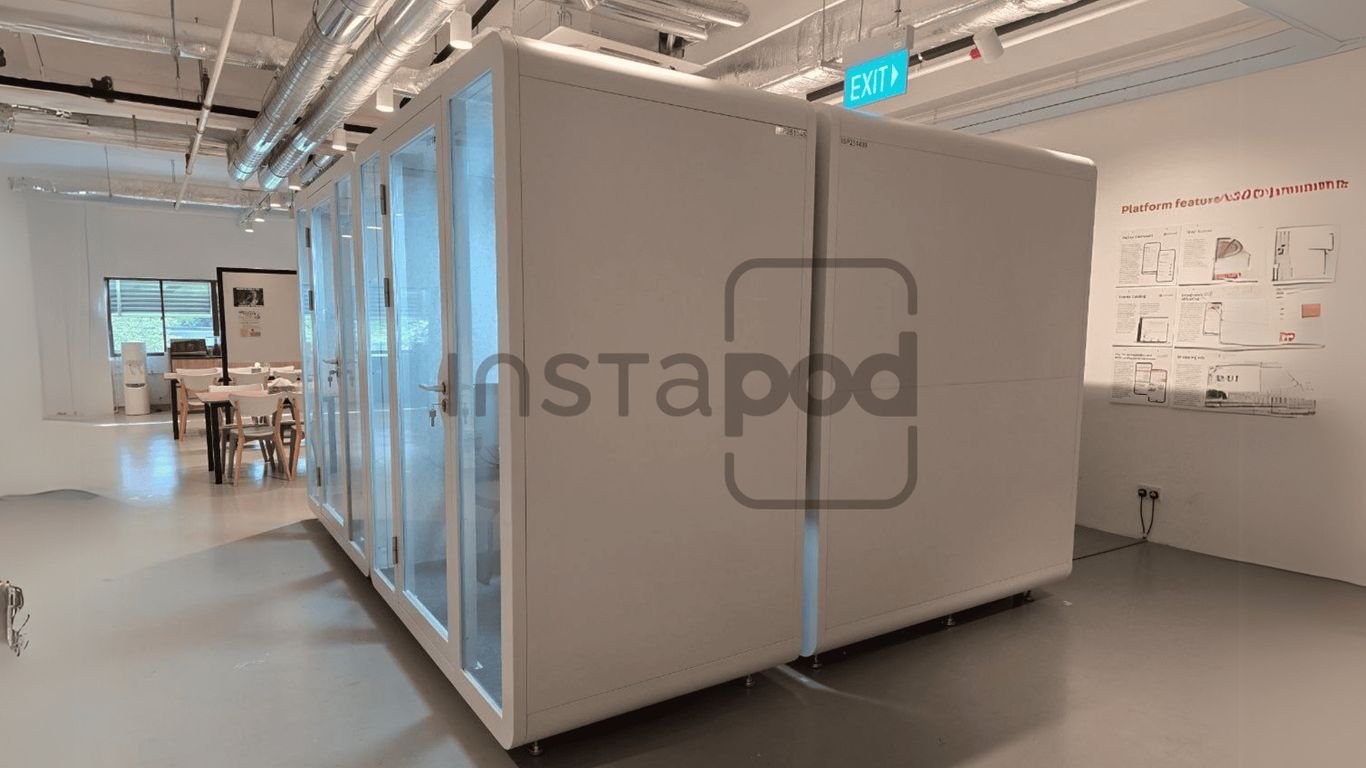
Open-concept offices were supposed to be the future, right? More collaboration, more energy. But let’s be honest, sometimes all that openness just means more noise and fewer places to actually get work done. It’s like trying to have a quiet chat in the middle of a busy market. That’s where the humble work booth comes in. It’s not just a trend; it’s a smart solution for making these open spaces work better for everyone. Think of it as a personal quiet zone you can deploy anywhere.
Key Takeaways
- Work booths are a direct answer to the noise and distraction problems common in open-plan offices, offering a private space for calls and focused tasks.
- These modern booths have evolved from simple phone boxes into well-equipped, comfortable micro-offices designed for productivity.
- They help improve employee well-being by providing a much-needed escape from constant office buzz, reducing stress.
- Work booths can be easily integrated into office design, helping to create a balance between open collaboration areas and private zones.
- Key features like built-in lighting, ventilation, power outlets, and excellent soundproofing make these booths functional and user-friendly.
Addressing Open-Concept Office Challenges
Open-concept offices, while aiming for collaboration, often create a noisy, distracting environment. It’s a bit like trying to have a quiet chat at a busy train station – possible, but not ideal for deep thought or private conversations. The constant hum of activity, people talking on calls, and general movement can really break concentration. Studies show that interruptions can take a significant amount of time to recover from, sometimes up to 20 minutes just to get back on track. This isn’t just annoying; it directly impacts how much quality work gets done.
Mitigating Noise and Enhancing Focus
The biggest hurdle in open offices is the noise. It’s not just about loud conversations; even background chatter can be a major distraction. This constant auditory bombardment makes it tough for employees to concentrate on tasks that require deep thinking. The result is a workforce that’s often stressed and less productive than they could be. Finding a quiet spot for focused work becomes a daily challenge.
Creating Distraction-Free Zones
Beyond just noise, open plans lack dedicated spaces for private activities. Need to make a sensitive client call? Or perhaps you just need a few uninterrupted minutes to finish a report? In a typical open layout, these options are scarce. This forces employees to either conduct private conversations in the open, risking confidentiality and disturbing others, or to leave the office entirely, which isn’t always practical. This is where solutions like an office pod come into play, offering a quick escape.
Providing Speech Privacy and Intelligibility
It’s not just about blocking out noise; it’s also about ensuring that when you do need to speak, your conversation remains private. In an open setting, even hushed tones can be overheard, leading to a lack of confidence when discussing sensitive topics. Conversely, when people speak loudly to overcome the ambient noise, it only adds to the overall distraction. Modern office pods are designed to tackle both issues, creating a bubble where conversations are private and clear for the participants, without disturbing those outside. This is a key reason why companies, even in places like Singapore, are looking into office pod solutions.
The Evolution of The Work Booth
Remember those old-school phone booths? The ones you’d find on street corners, often a bit grimy, where you’d cram yourself in to make a quick, coin-operated call? Well, the office version has really come a long way from that basic public utility idea. Today’s work booth is less about just making a call and more about creating a personal, quiet zone within a busy open-plan office. They’ve transformed from a simple communication tool into a dedicated micro-environment for focused work.
From Public Utility to Private Office Space
The shift is pretty clear. We’ve gone from a shared, often unreliable, public service to a private, tech-integrated space designed for individual needs. It’s about giving people control over their immediate work environment, a stark contrast to the days when a phone booth was just a box to stand in.
Upgrading The Traditional Office Phone Booth Concept
Forget those clunky, outdated phone booths of yesteryear. The modern office phone booth is a whole different beast, designed with today’s worker in mind. These aren’t just boxes to stand in; they’re thoughtfully crafted spaces that actually help you get stuff done. Think of them as mini, private offices that you can deploy wherever you need them most. They’ve been upgraded for the needs of today’s agile and hybrid work models.
Modern Features for Enhanced Productivity
These new booths are packed with features that make a real difference. We’re talking about things that make your life easier and your work better. It’s all about creating a comfortable and functional environment so you can focus without any hassle. Some common additions include:
- Integrated Lighting: Adjustable, natural-feeling light to prevent eye strain.
- Climate Control: Built-in ventilation systems keep the air fresh and comfortable.
- Power & Connectivity: Ample outlets and USB ports for all your devices.
- Acoustic Design: Superior soundproofing to block out office noise.
The modern work booth is a response to the challenges of open-plan offices, offering a flexible solution that supports both focused work and private communication without requiring permanent construction. It’s a smart way to adapt office layouts to changing business needs.
Work Booths: A Solution For Modern Workplaces
Addressing Inadequate Call Spaces
Open-concept offices are great for teamwork, but let’s be honest, they often fall short when someone needs to make a private call or concentrate without the surrounding chatter. This is where the modern work booth, or sound proof pod, steps in. These compact, enclosed spaces are designed to be a quick escape from the office buzz, offering a dedicated spot for sensitive conversations or focused tasks. Forget trying to find an empty conference room or whispering at your desk; these pods provide an immediate, accessible solution.
Boosting Employee Well-being and Reducing Stress
Constant noise and lack of privacy can really wear people down. It makes it hard to focus, increases stress levels, and can even lead to mistakes. Work pods help by giving employees control over their immediate environment. Having a quiet, private space available when needed can significantly reduce daily frustrations. It’s about creating an office where people can actually do their best work without feeling overwhelmed by their surroundings. This simple addition can make a big difference in how people feel about their workday.
Versatile Use Beyond Just Phone Calls
While they’re often called "phone booths," their usefulness extends far beyond just taking calls. These work pods are incredibly adaptable. Think of them as mini, private workspaces that can be used for a variety of needs:
- Video Conferencing: Conduct virtual meetings without background noise interfering.
- Focused Work: Tackle tasks that require deep concentration, away from distractions.
- One-on-One Meetings: Have private discussions with colleagues or clients.
- Quiet Reflection: Take a moment to decompress or brainstorm ideas.
- Virtual Training: Participate in online courses or workshops without interruption.
The integration of these sound proof pods into office layouts acknowledges that not all work happens best in an open setting. They provide a necessary balance, allowing for both collaboration and individual focus within the same physical space.
Integrating Work Booths Into Office Design
Spatial Revolution: From Flat Desks to Cellular Ecosystems
Open-concept offices, while aiming for connection, often end up feeling like a vast, undifferentiated space. Think of it as a flat landscape where everyone’s work is visible and audible. Introducing work booths changes this dynamic entirely. Instead of just rows of desks, the office starts to look more like a cellular ecosystem, with distinct zones for different types of work. These booths aren’t just furniture; they’re architectural elements that break up the open space, creating pockets of privacy and focus within the larger layout. This shift moves us away from a purely two-dimensional workspace to a more three-dimensional one, where different needs can be met without disrupting the whole.
Workplace Design: Blending Open Collaboration With Private Enclaves
Designing a modern office is all about balance. You want spaces where people can easily chat and brainstorm, but you also need places where they can concentrate without interruption or have sensitive conversations. Work booths are the perfect tool for this. They allow you to keep the collaborative spirit of an open office while providing the necessary private retreats. It’s like having a quiet library corner right next to a bustling common area. This blend means employees can choose the environment that best suits their task at hand, leading to better work and less stress.
Here’s how booths help achieve this balance:
- Noise Reduction: Booths are built with sound-dampening materials, significantly cutting down on ambient noise. This creates a quiet zone for focused work or private calls.
- Privacy: They offer a completely enclosed space, ensuring conversations and tasks remain confidential.
- Flexibility: Booths can be placed strategically throughout the office, providing on-demand private spaces without the need for permanent construction.
The key is to see these booths not as an afterthought, but as integral components of the office’s overall design strategy. They help create a more adaptable and human-centric environment.
Real Estate Usage: Maximizing Space Utilization
When you think about office space, you usually picture desks, meeting rooms, and common areas. But what about those moments when someone needs a quiet place for a quick call or to focus on a complex report? In many open offices, there just isn’t a good spot for that. This leads to people trying to make do at their desks or in noisy hallways, which isn’t ideal for anyone. Work booths solve this problem by offering dedicated, private spaces that can be set up almost anywhere. This means you’re not wasting valuable square footage on underutilized, fixed private offices. Instead, you can deploy these modular booths where they’re needed most, making your overall office footprint work harder for you. It’s a smart way to get more functionality out of your existing space, especially with hybrid work models becoming more common.
Key Features Of Modern Work Booths
These aren’t just empty boxes; modern work booths are packed with thoughtful features designed to make your work life easier and more productive. Think of them as mini, private offices that you can deploy wherever you need them most.
Built-in Lighting and Ventilation Systems
Nobody likes working in a stuffy, dark box. That’s why these booths come with integrated lighting, so you can actually see your notes or your screen. Plus, there’s a ventilation system to keep the air fresh and circulating. It might seem like a small thing, but good airflow really makes a difference when you’re trying to concentrate for a while. Adjustable LED lighting and quiet, variable-speed fans are becoming standard, helping to create a comfortable environment.
Power Outlets and USB Ports for Connectivity
Your phone needs charging, your laptop might too, and you can’t be tethered to a single outlet. Modern booths solve this by including plenty of power outlets and USB ports. This means you can plug in your devices and stay connected without any worry. It’s a simple upgrade, but it’s a big deal for productivity.
Acoustic Mastery and Soundproofing
This is where work booths really shine. They’re built with sound-dampening materials, acting like little quiet zones in the middle of the office buzz. We’re talking about thick wall panels, sealed doors, and often enclosed ceilings to block out noise. The goal is to create a space where outside conversations become inaudible or highly suppressed, allowing for deep focus or private calls without disruption.
The effectiveness of soundproofing can be measured, with top models achieving significant reductions in sound leakage. This means you can have a sensitive client call or concentrate on a complex task without the usual office chatter bleeding through.
Here’s a quick look at what makes them so quiet:
- Wall/Roof Panels: Typically 50–100 mm thick with high-porosity filler materials.
- Doors: Often feature laminated or coated glass with acoustic gaskets to ensure a tight seal.
- Ceiling: Most models include an enclosed ceiling to prevent noise from traveling from above.
- Floor: Usually sits on an isolated base or adjustable feet to minimize vibrations.
The Cultural Impact Of Work Booths
It’s pretty interesting how these little work booths are actually changing how we think about the office. For a long time, the big trend was all about open spaces, right? Everyone together, supposed to be great for collaboration. But we all know that can get pretty loud and distracting. These booths are kind of a quiet rebellion against that, showing that we need both – the open buzz and the private quiet.
Accepting Both Open Collaboration and Individual Focus
Think about it: you can’t really have a serious client call or a deep thinking session when there’s chatter all around. The work booth acknowledges that different tasks need different environments. It’s a signal that the company gets it – that we’re not all robots who can just power through noise. It’s about respecting that sometimes you need to duck out for a bit to get something done without interruption. This shift means we’re moving away from a one-size-fits-all office setup to something more flexible and human-centered.
Signaling Organizational Acknowledgement of Diverse Needs
When a company puts in these booths, it’s more than just adding furniture. It’s a statement. It says, "We see you. We know you have different needs, and we’ve provided a solution." This can really boost morale. It shows that management isn’t just following a trend but is actively trying to make the workspace better for everyone. It’s like saying, "We value your focus and your privacy, not just your ability to chat by the coffee machine."
Shaping Future Workplace Etiquette
We’re already seeing it happen. People are starting to understand that a booth is for focused work or private calls, not for hanging out and chatting. It’s becoming a given, like knowing you need to be quiet in a library. Over time, this will become even more ingrained. We’ll probably see more designated quiet zones and a general understanding that you don’t just barge into someone’s private space. It’s a subtle but important evolution in how we interact professionally.
Here’s a quick look at how the perception has changed:
- Past: Phone booths were just for making calls, often public and a bit rundown.
- Present: They are sleek, soundproof spaces for focused work, private calls, and quick meetings.
- Future: They’ll be seen as a standard, necessary part of any well-designed office, just like good Wi-Fi.
The integration of work booths into office layouts is more than a design choice; it’s a cultural shift. It reflects a growing understanding that employee well-being and productivity are directly tied to providing varied and appropriate work settings. This move acknowledges the complexity of modern work and the diverse needs of the workforce.
The Future is Quietly Productive
So, it’s pretty clear these work booths aren’t just a passing fad. They’ve become a really smart way for offices to handle the noise and lack of privacy that comes with open layouts. By giving people a dedicated spot to focus or take a call, they help everyone get more done without driving each other crazy. It seems like these little quiet spaces are here to stay, becoming a normal part of how we work, just like having Wi-Fi or a coffee machine. As offices keep changing, expect to see more of these booths popping up, making work a bit more peaceful and a lot more productive for everyone.
Frequently Asked Questions
Why are work booths becoming so popular in offices?
Work booths are popular because open offices can be really noisy and distracting. These booths give people a quiet, private spot to focus on their work, take important calls, or have video meetings without bothering anyone else. They’re like a mini, soundproof room you can use whenever you need it.
What problems do work booths solve in an open office?
They solve a few big problems! First, they cut down on noise so people can concentrate better. Second, they give you a private space for calls or sensitive talks, which you don’t get at your regular desk. They also help reduce stress by offering a calm escape from the busy office environment.
Are work booths just for making phone calls?
Nope! Even though they’re sometimes called phone booths, they’re super versatile. You can use them for video calls, doing focused work that needs concentration, having quiet one-on-one chats, or even just taking a few minutes to relax and think without interruptions.
What kind of features do modern work booths have?
Today’s booths are pretty fancy! They usually have good lighting so you can see clearly, a fan to keep the air fresh, and power outlets and USB ports so you can charge your phone or laptop. The best part is they’re designed to block out sound really well.
How do work booths help with office design?
Work booths help offices become more flexible. Instead of needing big, permanent meeting rooms, you can add these smaller booths where needed. They let companies use their space better, offering both areas for people to work together openly and private spots for focused tasks.
Do work booths change how people act in the office?
Yes, they help create a better office culture. They show that the company understands people need different kinds of spaces – sometimes for talking with others and sometimes for being alone and concentrating. Over time, people get used to using them, making the office a more comfortable place for everyone’s work style.