No pods added to your quote request yet. Add some now for a free quote!
Key Takeaways
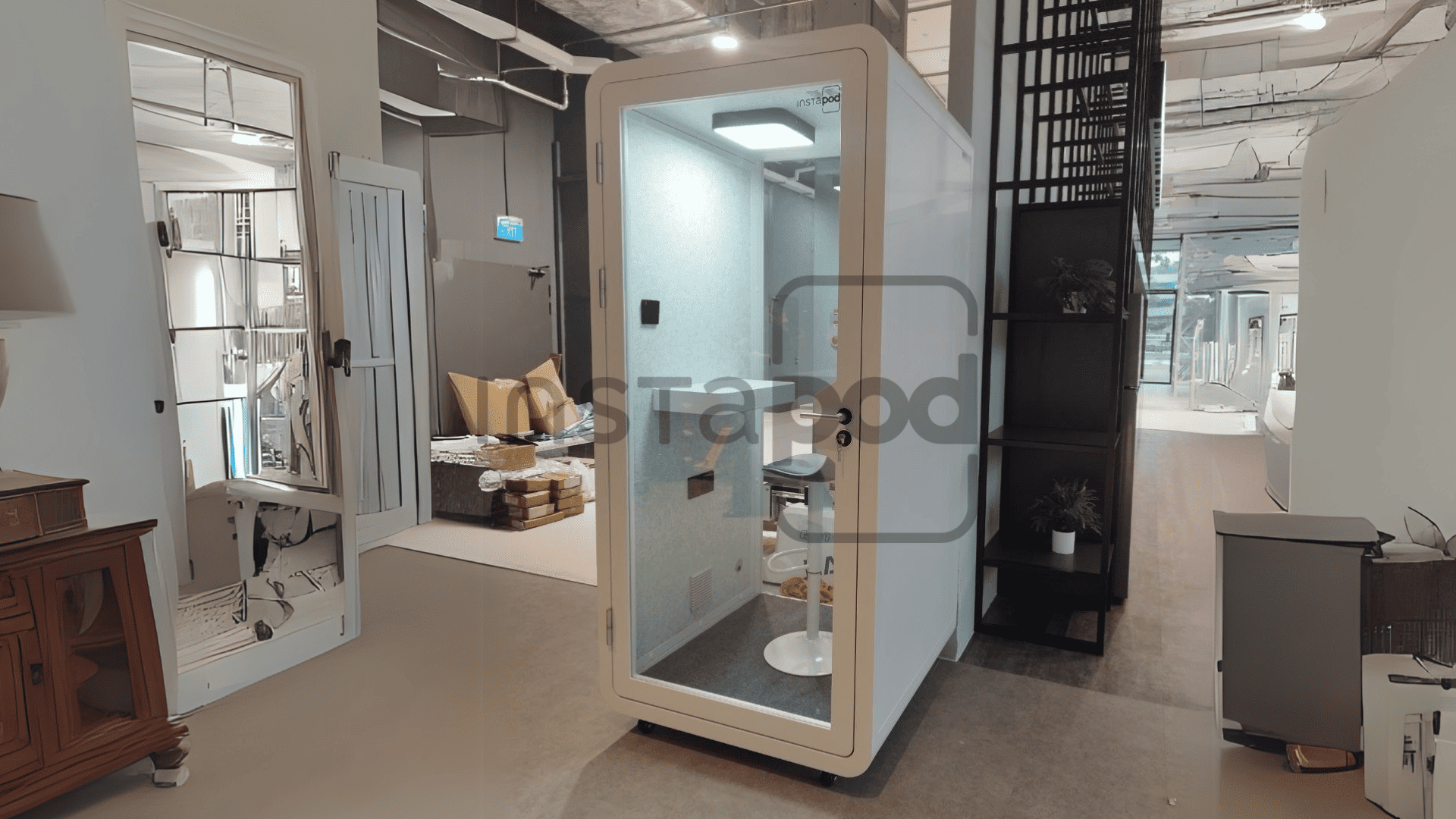
Transitioning to advanced academic pursuits often requires a shift in how you manage your daily work routine and physical space. These study settings provide controlled environments that are specifically designed to reduce outside interference and boost clarity during long sessions.
- Dedicated enclosures provide physical barriers that minimize distractions and help maintain mental focus.
- Advanced acoustic controls effectively filter out ambient noise for deep concentration.
- Specialized furniture setups encourage correct posture to prevent fatigue during extended research periods.
- Reliable, high-speed power and network infrastructure ensure constant access to digital resources.
- Professional spaces help establish a mental boundary for serious and productive work periods.
1. Heightened concentration within dedicated study pods Singapore spaces
Navigating the rigor of postgraduate coursework often requires more than just a typical library desk or a home office corner. Many students find that the physical act of entering a specific environment primes the brain for deep, uninterrupted thought. Using study pods Singapore configurations gives scholars a distinct, contained area that is free from the varying interruptions common in more open, shared public areas. By minimizing visual and environmental cues that trigger procrastination, these pods help maintain a high level of academic output over time. Spatial provides environments that focus on this exact balance of vibes and utility, ensuring you remain motivated, particularly during the intense pressure of research deadlines.
2. Acoustic control for uninterrupted online research and virtual modules
Sound management is often the most significant factor influencing whether a study session remains productive or becomes a struggle. Open settings frequently suffer from background conversation or moving foot traffic, both of which can break a scholar’s concentration. In contrast, enclosed study pods are designed to handle this issue by creating a barrier that filters incoming noise significantly, allowing users to engage with online modules without stress. Acoustic control is vital during virtual meetings or recording research notes where clear audio input and output are expected. CosyCorner features individual rooms with acoustic soundproofing, which serves as a highly practical solution when users need to attend online interviews or important academic discussions away from a noisy household.
3. Ergonomic optimization during intensive academic work sessions
Sitting for long durations while writing theses or analyzing data can lead to significant physical discomfort if the workspace is not properly configured. Unlike standard cafe chairs or temporary seating arrangements, pods are specifically constructed to accommodate the physical demands of long-term work. Ergonomic optimization is a cornerstone of any productive session, ensuring that your desk height, back support, and screen positioning remain consistent throughout the day. When your body is not distracted by physical strain, you are better equipped to sustain high-level mental clarity. Adopting this approach prevents common issues like neck fatigue or lower back tension that often emerge when students try to force productivity in non-optimized spaces.
4. Reliable connectivity and power infrastructure for multi-device workflows
Modern academic work usually demands the simultaneous use of multiple devices, from tablets to high-performance laptops and external monitors. The stress of managing battery life or searching for open outlets in crowded venues can derail an otherwise efficient research hour. Reliable infrastructure provides the necessary peace of mind to keep multiple workflows active without checking for low-battery warnings. When you have dedicated access to constant, high-speed connections and dedicated power points, your work remains uninterrupted. GetSpaces facilitates access to a broad range of such areas, allowing students to select a space where logistical needs like high-speed internet are guaranteed as part of their rental, removing the uncertainty found in public locales.
5. Professional environment for sustained mental clarity and productivity
Creating a psychological division between home life or casual chilling and productive work is essential for postgrad performance. When you enter a workspace designed for serious engagement, your brain recognizes the context, making it easier to adopt a professional mindset. This sustained mental clarity is heavily influenced by your setting, as the lack of clutter and organized, quiet atmosphere fosters a more efficient cognitive state. By choosing a dedicated spot for your work, you effectively signal to yourself that it is time for deep output, distancing yourself from the routine of household distractions or unpredictable cafe environments.
Conclusion
Selecting the right environment for postgraduate study significantly impacts your ability to manage intense workloads and maintain steady progress. By prioritizing features such as acoustic privacy, ergonomic furniture, and solid tech connectivity through the use of dedicated work pods, you create a sustainable routine that supports your academic success over the long term. These environments are not merely about having a desk, but about building a structure where your output is enhanced by the space you occupy.
Frequently Asked Questions
Can study pods help with research fatigue?
Yes, these spaces are designed to provide a distraction-free transition that helps the brain focus more efficiently during intense, long-duration research tasks.
How do pods improve virtual meeting quality?
Because they provide acoustic shielding, these spaces limit ambient noise, ensuring that your audio transmission remains clear and professional for external participants.
Are these environments suitable for long-term projects?
Absolutely, many facilities offer flexible access agreements, allowing students to secure a consistent, reliable base for the duration of a thesis or an entire academic semester.
Does interior design influence productivity levels?
Research indicates that clean, minimalist, and quiet surroundings reduce the cognitive load on the brain, helping you stay in a flow state for longer periods compared to chaotic cafes.
How do I choose between different space options?
Consider your primary need, such as whether you require soundproofing for audio work or just a consistently open power outlet and desk space for reading and writing.
Is it normal to move between different study environments?
Changing your environment is often beneficial for mental stimulation, although maintaining a base of work pods ensures you always have a high-performance backup option when needed.
Do these pods provide enough privacy for sensitive research?
Most modern pod designs incorporate private, often opaque or shielded walls that offer a significant degree of visual privacy, which is ideal if you are managing sensitive or proprietary data.