No pods added to your quote request yet. Add some now for a free quote!
Key Takeaways
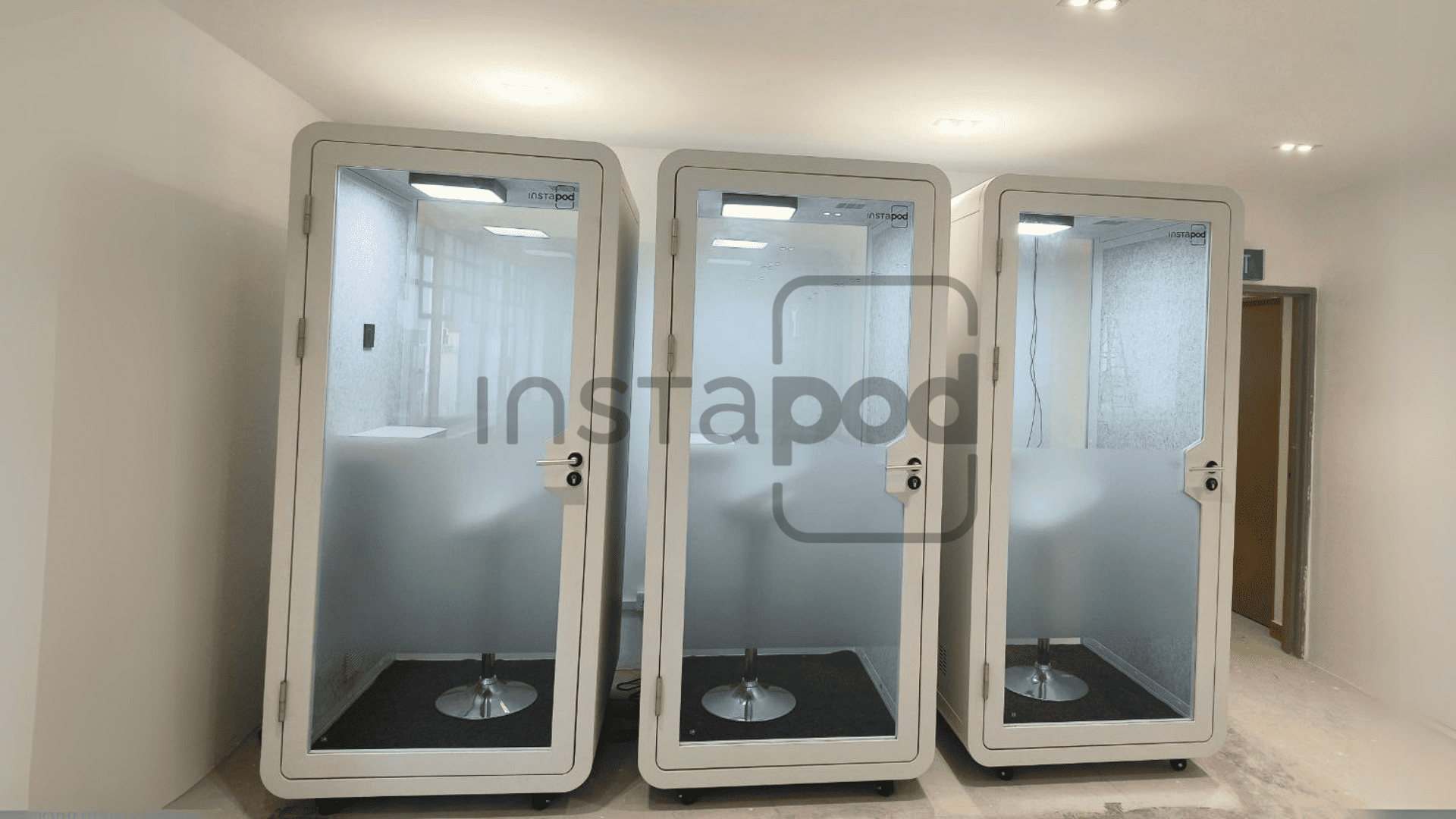
Study pods provide dedicated environments for privacy and concentration, allowing students to focus without the intrusion of ambient noise. Implementing these solutions helps modern facilities meet growing needs for silent study zones and specialized work areas.
- Improved noise management in shared public areas.
- Optimized utilization of existing floor space.
- Enhanced privacy for remote meetings and tutoring.
- Increased accessibility for neurodiverse or distracted learners.
- Flexible, non-permanent deployment options for institutions.
The rise of individual study spaces
Evolution of modern learning environments
The way people approach academic work has shifted significantly over the past decade. Traditional library layouts are being re-engineered to balance open social areas with private nooks, acknowledging that a one-size-fits-all approach no longer serves the diverse needs of modern students. These spaces are evolving into settings where focused academic work is prioritized alongside collaborative projects.
Impact of collaborative versus independent study needs
Modern learners frequently move between team discussions and deep individual work in a single day. Facilities often struggle to accommodate both simultaneously, as collaborative spaces tend to carry natural volume levels that disrupt anyone trying to concentrate. By dedicating areas specifically for solo sessions, libraries and schools can reduce user frustration.
Addressing the demand for quiet zones in public buildings
Finding a truly quiet space in a busy building is the primary hurdle for those working on intense research or writing. Demand for study pods for libraries and schools has surged as patrons seek reliable alternatives to coffee shops or crowded reading rooms. These units provide clear, defined boundaries that alert others that the individual is in an active, quiet-focused state.
Key features of effective study pods
Soundproofing and acoustic materials
High-quality pods rely on advanced engineering to maintain a barrier against external sound interference. Rather than simple thin-walled rooms, modern designs utilize dual-pane glass and acoustic dampening panels to ensure that interior voices stay inside and surrounding chaos remains outside.
Integrated power and connectivity options
Modern pods function as complete command centers for a student’s devices. These units typically come pre-wired with universal power outlets, high-speed data ports, and in some cases, USB-C charging hardware to keep equipment running through long sessions.
Ergonomics and modular seating designs
Comfortable furniture is essential for maintaining productivity during long study sessions. Effective units focus on modularity, allowing institutions to swap chairs or desks based on the specific usage requirements or space constraints.
Ventilation and internal climate control
Air quality is a crucial factor for comfort within an enclosed, small space. Advanced units include integrated ventilation systems that cycle air at a high frequency to maintain a cool environment, preventing the stuffiness often associated with small enclosures. Consider the technical specifications regarding airflow efficiency represented in the table below:
| Feature | Performance Metric | Primary Benefit |
|---|---|---|
| Ventilation Rate | 4-6 Air Changes/Hour | Constant Fresh Air |
| Noise Attenuation | 30-35 Decibels | Deep Acoustic Isolation |
| Power Ports | USB-C and 240V | Device Ready Performance |
These metrics ensure that every occupant enjoys an environment tailored to sustained concentration without physical discomfort.
Benefits for libraries, universities, and tuition centres
Optimizing space efficiency in high-traffic facilities
Real estate within universities and high-traffic public institutions is expensive and limited, requiring creative approaches to furniture placement. Unlike fixed wall construction, portable pods allow administrators to rearrange floor plans to meet seasonal fluctuations in demand.
Creating multifunctional zones without permanent construction
Many older buildings face strict limitations regarding renovations or major structural changes. Modular pods offer a way to generate new private rooms without requiring drywall, complex permits, or messy on-site construction work that would otherwise disrupt ongoing operations.
Differentiating services to attract modern learners
Institutions that upgrade their furniture and technology offerings see a marked increase in engagement from students who expect a digital-first experience. By providing clear study pods singapore visitors identify as premium options, centers often find themselves better able to compete with commercial co-working sites.
Enhancing institutional image with contemporary furniture
Upgrading the aesthetic of a campus or library has a visible impact on its perception. Clean, modern furniture layouts signal that an institution is invested in the quality of the student experience, which helps in recruiting new members and maintaining active usage rates.
Improving student outcomes through focused study
Minimizing physical and auditory distractions
A student in a quiet enclosure is freed from the spontaneous interruptions common in open-plan areas. Removing the need to manage ambient noise allows the cognitive load to shift toward research and critical thinking, improving test scores and project quality over time.
Supporting diverse learning styles and sensory needs
Individuals who struggle with sensory overload in busy rooms find these pods essential for maintaining academic momentum. Because pods provide a consistent, controlled stimulus, they are particularly helpful for students who require a predictable setting to study effectively.
Increasing study session duration and focus
When a student finds a space they can rely on, they are far more likely to stay engaged and complete more work. Many users increase the length of their sessions when privacy becomes a standard, rather than a lucky find, while searching for study pods near me.
Balancing privacy with institutional safety monitoring
Managing private spaces requires balancing security with the need for comfort. Most modern installations use transparent glass panels for the upper sections of the doors to ensure that while the user has audio privacy, the space remains visible to staff for general safety oversight.
Strategic planning and installation considerations
Assessing site capacity and spatial floor plans
Successful implementation requires a clear look at where the equipment will be stationed. It is usually best to focus on these three priorities during the initial assessment:
- Identifying high-traffic zones where demand currently exceeds quiet capacity.
- Ensuring the local floor can support the weight of industrial-grade pods.
- Checking accessibility to existing, easily reachable power outlets.
If these initial checks are completed properly, the subsequent integration proceed smoothly without hitting unforeseen infrastructure obstacles.
Budgeting for durability and long-term maintenance
Institutional equipment needs to withstand heavier usage than residential furniture. When budgeting, prioritize high-cycle hinges, robust locking mechanisms, and finishes that can be easily sanitized between users.
Navigating fire safety protocols and local building codes
Every municipality has unique requirements regarding internal structures. It is mandatory for installers to confirm that the selected units meet local sprinkler and HVAC ventilation codes before final deployment occurs.
Choosing between mobile units and fixed-installation desks
Facilities managers must decide if they need the agility of casters or the security of floor-anchored units. While mobile pods offer superior flexibility for reconfiguring floor layouts, fixed units may be preferred in areas with extremely high traffic to prevent accidental movement.
Accessibility and inclusivity in pod design
Implementing ada-compliant and wheelchair-accessible models
True inclusivity requires more than just standard-sized units; it means ensuring that doorways and interior maneuvering space are broad enough for all users to enter easily. High-quality vendors focus on ADA-compliant threshold designs and wider swing door mechanisms as the industry standard.
Incorporating lighting and color schemes for neurodiverse students
Light quality impacts how students process information. Advanced designs include adjustable Kelvin temperatures to reduce eye strain, paired with neutral color palettes that minimize distractions while maintaining a welcoming atmosphere.
Technology integration for varying levels of digital literacy
Controls must be intuitive enough for a first-time user but sophisticated enough for power users. Simple push-button interfaces are preferred over complex touch-screens for common tasks like adjusting internal lighting or ventilation speed.
Conclusion
Investing in study pods offers a clear path toward enhancing the learning environment within libraries, universities, and tuition centers across the region. As students continue to seek out dedicated spaces that prioritize focus, these modular, private installations provide a scalable way to meet demand without the long-term commitment of permanent construction. By integrating these units thoughtfully, institutions can create modern, inclusive settings that support diverse learning needs and improve overall student productivity for years to come.
Frequently Asked Questions
Do study pods require specialized floor installation?
Most modern study pods are designed as standalone units that sit directly on top of existing floor surfaces, avoiding the need for deep renovations or floor penetrations.
How loud are libraries after pods are installed?
Installing pods typically results in quieter general areas because individuals who require privacy or need to join group calls are shifted into sound-isolated units instead of working in open zones.
How are these pods cleaned between sessions?
Many institutions use standard facility-grade sanitizing spray on surfaces and seats, while some models use anti-microbial coatings on high-touch surfaces to simplify regular maintenance tasks.
Can students reserve these pods in advance?
Most institutions implement a booking system via their library portal, allowing users to secure a specific time slot while ensuring fair access for everyone on campus.
Are the lights and fans controlled by the user?
Yes, most pods feature an intuitive control panel located on the interior wall that allows a user to adjust light brightness and airflow speed to their own comfort level.
Is it possible to install pods in small library branches?
Yes, because pods are modular and come in various footprints, they can be selected specifically to fit into smaller, underutilized corners where a full-sized study room would not fit.
Do I need a professional contractor to assemble the pods?
While some units arrive as a single piece, most are delivered as a kit that requires professional assembly, often provided by the vendor to ensure all acoustic and electrical seals are set correctly.