No pods added to your quote request yet. Add some now for a free quote!
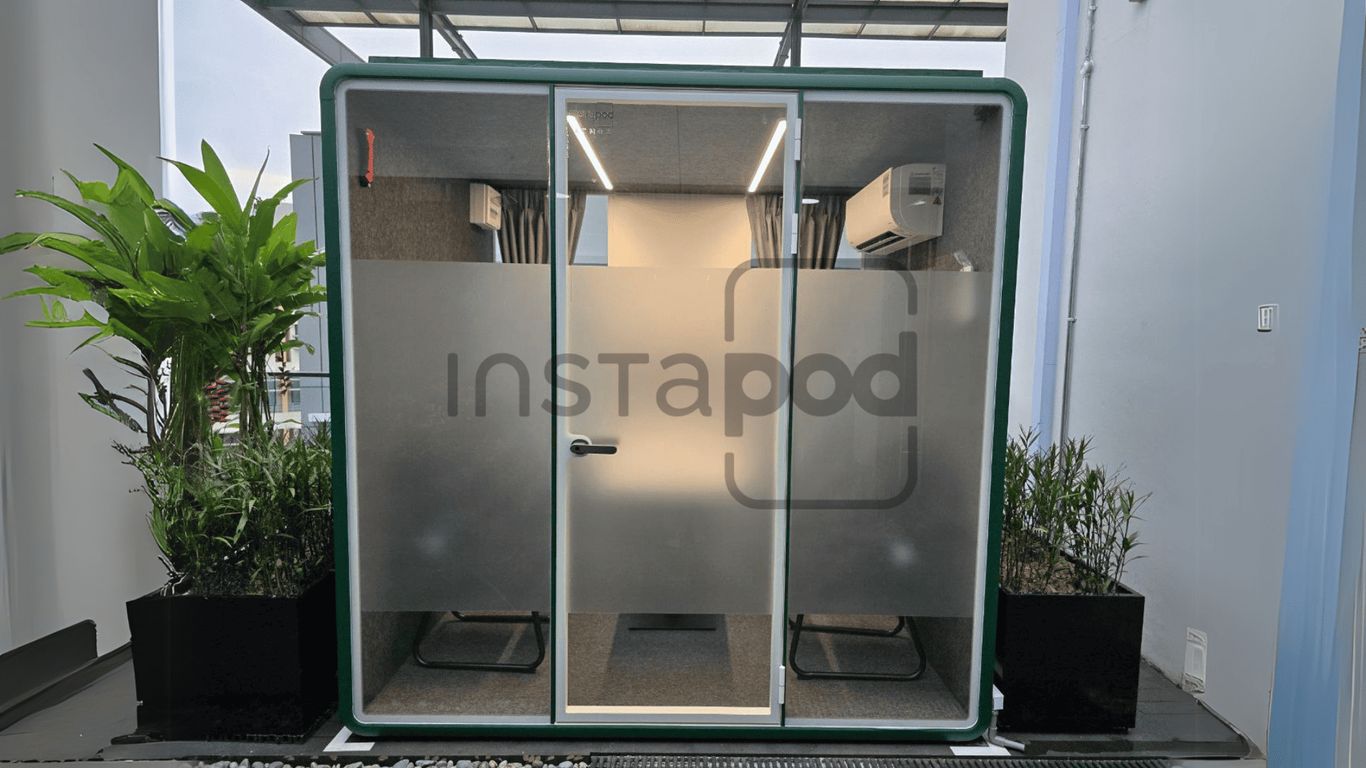
Here are the main points to remember about how study pods are changing the way students work in Singaporean university libraries.
Key Takeaways
- Study pods provide quiet, distraction-free areas for students to focus on their academic work.
- These pods are designed with comfort and technology to help with research and deep concentration.
- They offer a private space within the larger, often busy, library environment.
- University libraries are strategically placing and managing these pods for easy student access.
- Study pods are seen as an important resource for improving student productivity and academic performance.
Discovering Dedicated Study Pods
The Rise of Focused Learning Environments
Remember the days of scrambling for a quiet corner in a bustling library, only to be interrupted by loud phone calls or shuffling papers? Those days are becoming a thing of the past, especially in busy university settings. The need for concentrated study time has led to the development of specialized spaces. These aren’t just tables and chairs; they’re designed with a singular purpose: to help students get their academic work done without constant distractions. Think of them as personal sanctuaries for serious study.
Understanding the Appeal of Study Pods
So, what makes these study pods so popular? It’s all about creating an environment where deep work can actually happen. Unlike open-plan study areas, these pods offer a sense of enclosure. This physical separation helps block out visual and auditory noise, which is a huge plus when you’re trying to absorb complex information or write a lengthy paper. They provide a much-needed escape from the general hubbub of a busy library, allowing students to really get into the zone.
Here’s a quick look at why students are drawn to them:
- Reduced Distractions: A primary draw is the ability to minimize interruptions.
- Sense of Privacy: Even a small enclosed space can feel more personal.
- Dedicated Purpose: Knowing the space is for focused work sets a mental tone.
- Comfort and Ergonomics: Many pods are designed with student comfort in mind for longer study sessions.
Beyond Traditional Library Spaces
Study pods represent a significant shift from the traditional library setup. While libraries have always been places for quiet study, they often struggle to accommodate the modern student’s need for both quiet and access to technology, all while managing a high volume of users. These dedicated work pods, or working pods as some call them, fill a gap. They offer a more controlled and personalized study experience that traditional library carrels or tables sometimes can’t match. They are a deliberate architectural response to the evolving demands of academic research and learning in a connected world.
Enhancing Academic Concentration
Minimizing Distractions for Deep Work
In the hustle and bustle of a busy university library, finding a quiet spot to really focus can feel like a quest. Study pods are designed to cut through that noise, offering a personal bubble where you can get into that flow state. They create a physical separation from the usual library chatter, the constant movement of people, and the temptation of nearby social areas. This isolation isn’t about being anti-social; it’s about being pro-focus. When you’re not constantly pulled away by external stimuli, your brain can actually settle in and do the heavy lifting required for complex research tasks. It’s like putting on noise-canceling headphones for your entire environment.
Optimizing Study Pods for Research
These pods aren’t just empty boxes; they’re built with research in mind. Think about what you need when you’re deep in thought:
- Comfortable seating: No more hunching over a desk for hours. Good chairs make a big difference.
- Adequate lighting: Whether it’s natural light or a good desk lamp, proper illumination helps prevent eye strain.
- Power outlets and connectivity: Keeping your devices charged and connected is non-negotiable for most research these days.
- Minimal visual clutter: The inside of the pod is usually clean and simple, so your eyes aren’t drawn to random posters or busy patterns.
The goal is to remove as many friction points as possible, allowing the student’s mental energy to be directed solely at the academic task at hand, rather than battling the environment.
The Role of Acoustics in Study Pods
Sound is a huge factor in concentration. Libraries, by nature, can be echoey places. Study pods often incorporate materials that absorb sound, both from the outside and from within the pod itself. This means less distraction from conversations happening nearby, keyboard typing, or even the hum of the library’s HVAC system. Some pods might even have features like soundproofing or white noise generators to further mask disruptive sounds. It’s all about creating a controlled acoustic environment that supports sustained mental effort.
Features of Effective Study Pods
Ergonomic Design and Comfort
When you’re spending hours buried in research, the last thing you want is to be fidgeting in an uncomfortable chair or straining your eyes. Good study pods really think about this. They often come with chairs that actually support your back, you know, the kind that aren’t just hard plastic. Plus, the desks are usually set at a height that feels right, so you’re not hunching over. Think adjustable chairs, maybe even a small footrest if you’re lucky. It’s all about making sure your body isn’t fighting against you while your brain is trying to work.
Integrated Technology for Research
These aren’t just fancy boxes; they’re built for serious work. Most pods come equipped with power outlets, and not just one, but usually a couple, so you can charge your laptop, phone, and whatever else you’ve got. Many also have USB ports built right in, which is super handy. Some of the more advanced ones might even have built-in monitors or docking stations, making it easier to connect your devices and spread out your work. Wi-Fi is a given, of course, but it’s the little things like easy access to power that really make a difference when you’re deep in a research session.
Privacy and Personal Space
One of the biggest draws of a study pod is the sense of having your own little zone. They’re designed to give you a break from the usual library buzz. You get your own space, often with partitions that block out some of the visual distractions. It’s not a full soundproof room, but it’s enough to make you feel like you’re in your own bubble. This personal space is key for concentration, letting you focus on your notes and thoughts without feeling like you’re in a fishbowl. It’s that feeling of having a dedicated spot just for your work, away from the general hustle and bustle of the library.
The design of these pods often prioritizes a balance between isolation for focus and a connection to the wider library environment. They aim to provide a personal sanctuary without making users feel completely cut off from the academic community.
Here’s a quick look at what makes them work:
- Comfortable Seating: Adjustable chairs with good lumbar support.
- Adequate Lighting: Task lighting that’s easy on the eyes.
- Power Access: Multiple outlets and USB ports for all your devices.
- Minimal Distractions: Partitions and placement to reduce visual and auditory interruptions.
- Connectivity: Reliable Wi-Fi and sometimes built-in tech for easier setup.
University Library Integration
Strategic Placement of Study Pods
Libraries are thinking more about where they put these new study pods. It’s not just about sticking them anywhere. They’re looking at spots that are a bit out of the way, so you don’t get bothered by people walking by or the general library buzz. Think corners, less-used floors, or even areas that used to be storage. The goal is to create these little pockets of quiet right within the larger library space. It’s like finding a secret hideout for your brain.
Accessibility and Booking Systems
Getting into these pods is usually pretty straightforward. Most universities have online systems where you can book a pod for a few hours. It’s a good idea to check the system regularly, especially during busy times like exams. Some libraries might have walk-in options, but booking ahead is generally safer if you need guaranteed quiet time. It’s a bit like reserving a spot at a popular cafe, but for serious study.
Here’s a quick look at how booking might work:
- Check Availability: Log into the university’s library portal.
- Select Pod: Choose an available pod and time slot.
- Confirm Booking: Receive a confirmation, often via email.
- Access Pod: Follow instructions for entry (e.g., using your student ID).
Balancing Public and Private Study Zones
Libraries have always been public spaces, and that’s not changing. The study pods are just an addition to the mix. You still have the open reading areas, group study rooms, and the general buzz of people. The pods offer a different kind of space for those who really need to hunker down. It’s about giving students options, so whether you like to study with a bit of background noise or in complete silence, the library can accommodate you. It’s a smart way to make sure everyone gets what they need from the library space.
The integration of these focused zones within larger, more public library settings acknowledges the diverse study habits and needs of a modern university student body. It’s about providing specialized environments without sacrificing the communal aspect of the library.
Student Experiences with Study Pods
Testimonials on Improved Productivity
Lots of students have been talking about how much these study pods have helped them get more done. It seems like having a dedicated, quiet space makes a real difference. One student mentioned, "Before, I’d always get distracted by people walking by or the general noise of the library. Now, in the study pod, I can actually focus on my readings and assignments without interruption." It’s not just about being quiet, though. The setup seems to put people in a more work-oriented mindset.
Here’s a quick look at what some students reported:
- Reduced Distractions: Significantly fewer interruptions compared to open study areas.
- Increased Focus: Ability to concentrate for longer periods on complex tasks.
- Better Time Management: Feeling like they accomplish more in less time.
Adapting to New Study Modalities
It’s interesting to see how students are adjusting to these new kinds of study spaces. While some might be used to the traditional library setup, the study pod offers a different experience. It’s a bit like having your own mini-office right within the university. Some students initially found it a little strange, but most quickly appreciated the benefits. It’s a shift from just finding a seat to finding a specific type of environment designed for deep work. This move towards more specialized study zones, like the study pod in Singapore universities, is definitely a trend.
The Impact on Academic Performance
While it’s still early days for some of these study pods, the anecdotal evidence points towards a positive impact on academic performance. When students can concentrate better and manage their time more effectively, it naturally translates to better results. Think about it: less time spent fighting distractions means more time spent learning and understanding the material. This is especially true for subjects that require a lot of reading or problem-solving. The availability of these focused zones, like the study pod options popping up, seems to be a welcome addition for many.
The shift towards dedicated study pods reflects a growing understanding of how environment affects learning. It’s more than just a place to sit; it’s a tool that helps students achieve their academic goals by minimizing external noise and maximizing internal focus.
The Future of Academic Study Spaces
Innovations in Study Pod Design
It feels like study pods are still pretty new, right? But already, people are thinking about how to make them even better. We’re seeing more pods that can change their layout, maybe with furniture that moves around or walls that can slide. Some places are even experimenting with pods that have different lighting options, so you can pick what works best for you – maybe bright and energizing for writing, or softer and dimmer for reading. Think about pods that can adjust their temperature too, or even have built-in air purifiers. It’s all about making these little spaces super personalized.
The Growing Demand for Focused Zones
Honestly, it seems like everyone is realizing how hard it is to concentrate these days. Between social media notifications and just general noise, finding a quiet spot is tough. Universities are noticing this, and students are definitely asking for more places like study pods. It’s not just about having a desk; it’s about having a space where you can actually get stuff done without being interrupted every five minutes. This demand isn’t going away anytime soon, especially with more flexible learning models.
Study Pods as Essential University Resources
Looking ahead, it’s pretty clear that study pods are going to become a standard part of university libraries and campuses. They’re not just a nice-to-have anymore; they’re becoming a necessary resource for students who need to focus. Universities that don’t offer these kinds of dedicated, quiet spaces might find themselves falling behind. It’s about providing the tools students need to succeed academically in a world that’s getting noisier by the day.
The trend towards specialized, quiet zones is a direct response to the modern student’s need for controlled environments that minimize external stimuli and maximize cognitive output. These spaces acknowledge that effective learning often requires more than just access to information; it requires the right conditions for processing it.
Conclusion
Study pods are becoming a vital part of university libraries in Singapore. They offer students a much-needed quiet space to concentrate on their studies and research, away from the usual library buzz. As universities continue to look for ways to support academic success, these dedicated zones are likely to become even more common and important. They represent a smart way for libraries to adapt to the changing needs of students in a busy academic world.
Frequently Asked Questions
What exactly are study pods?
Think of study pods as small, private rooms or booths inside a library. They’re like little quiet zones where you can go to really focus on your schoolwork without being bothered by other people talking or moving around.
Why are study pods becoming popular in libraries?
Libraries can get pretty noisy sometimes, right? Study pods offer a solution for students who need a super quiet place to get their work done. They help you concentrate better, which is great for studying or doing research.
What kind of features do study pods usually have?
Many study pods come with comfortable seating, good lighting, and sometimes even power outlets to charge your devices. Some might have small desks, and they are all built to keep the noise out so you can focus.
Are study pods hard to get in university libraries?
It can depend on the library. Some libraries let you book a pod ahead of time, like making a reservation. Others might be first-come, first-served. It’s a good idea to check with your specific university library to see how they manage them.
Do study pods really help students study better?
Most students who use them say yes! By cutting down on distractions, these pods help people get more done in less time. It’s easier to get into a state of deep focus when you’re not being interrupted.
Will more libraries have study pods in the future?
It looks like it! Because students find them so helpful for focused work, libraries are seeing them as a smart way to give people the quiet spaces they need. So, we’ll probably see more of them popping up.