No pods added to your quote request yet. Add some now for a free quote!
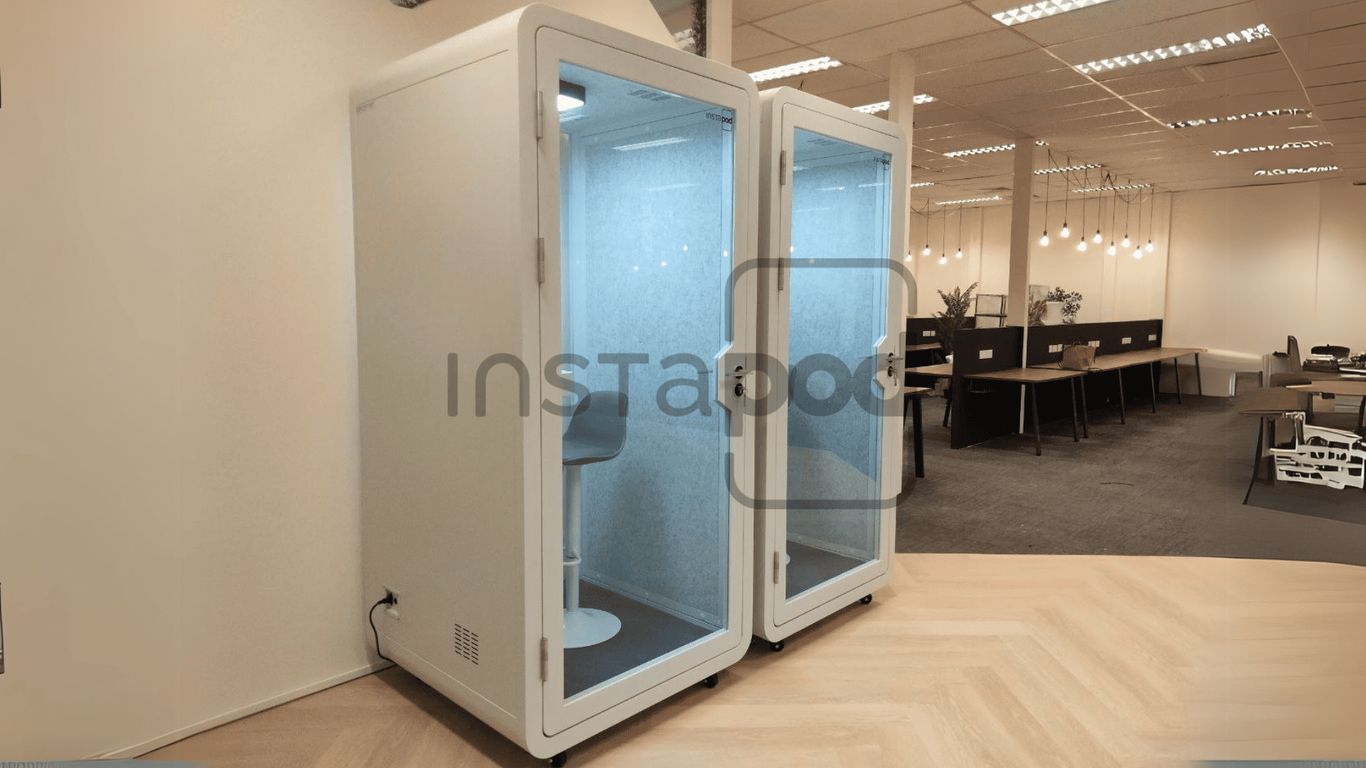
Open-plan offices were supposed to make us talk more, right? But it turns out, all that openness can be pretty noisy and distracting. People need quiet spots to actually get work done. That’s where privacy booths come in. They’re popping up everywhere, and for good reason. These little rooms offer a way to get some peace without completely shutting yourself off from the rest of the office. Let’s check out why they’re becoming a big deal in how we work today.
Key Takeaways
- Open-plan office designs, while intended for collaboration, often lead to more distractions and less face-to-face interaction, making privacy booths a necessary addition for focus.
- Strategic placement of privacy booths near collaborative areas or in high-traffic zones can help manage noise and create quiet zones without disrupting office flow.
- Designing with privacy booths in mind means balancing their appearance with practical features like natural light and comfortable seating, especially for smaller office spaces.
- Privacy booths support hybrid and remote work models by offering adaptable spaces for focused work and private calls, providing acoustic separation where needed.
- Investing in privacy booths is cost-effective, offering a good return through increased productivity, but it’s important to avoid common mistakes like overcrowding or prioritizing looks over function.
Understanding The Need For Privacy Booths
The Drawbacks of Open-Plan Office Designs
Open-plan offices were supposed to be the future, right? More collaboration, more energy, all that jazz. But let’s be real, for a lot of us, it’s just loud. You’re trying to finish a report, and someone’s on a loud call two desks over. Or maybe you just need to have a quick, private chat with a colleague without everyone else overhearing. It turns out that constant noise and lack of personal space can really mess with your ability to get stuff done. Research from Harvard Business Review actually shows that almost half of people in these open setups deal with a lot of noise, which really hurts their productivity. It’s like trying to concentrate in a coffee shop, but all day, every day.
Balancing Collaboration and Individual Focus
So, how do you get the best of both worlds? You want that collaborative vibe, but you also need to actually focus on your work sometimes. It’s a tough balance. When you’re constantly interrupted, it’s not just annoying; it can seriously tank your output. The American Psychological Association found that interruptions can make people up to 40% less productive. That’s a huge chunk of the workday just gone. This is where things like privacy booths come in. They give you a dedicated spot to get your head down without the background chatter, but they don’t mean you have to be isolated from the rest of the office. You can pop out when you need to brainstorm with someone or grab a coffee.
Enhancing Productivity Through Quiet Zones
Creating dedicated quiet zones is a smart move for any office trying to boost productivity. Think about it: when you have a space where you know you won’t be interrupted, you can really get into a flow state. This isn’t just about being quiet; it’s about mental clarity. Having these private spaces means you can handle sensitive calls, work on confidential projects, or just have a moment to think without distractions. It’s a way to give employees the tools they need to do their best work. Plus, with more people working hybrid schedules, offices need to offer the same kind of focus that people have at home. These booths are a pretty straightforward way to make that happen without a massive office overhaul. They’re a good investment if you’re looking to improve how people work day-to-day. You can find some great options for office privacy pods that really make a difference.
The constant hum of an open office, while sometimes energetic, often becomes a barrier to deep concentration. Providing accessible, sound-insulated spaces acknowledges that different tasks require different environments, ultimately supporting a more diverse and productive workforce.
Strategic Placement Of Privacy Booths
Integrating Booths Near Collaborative Areas
When you’re thinking about where to put these new acoustic office pods, it’s smart to look at where people naturally gather. Placing them close to areas where teams often brainstorm or have quick chats makes sense. This way, a spontaneous idea can turn into a focused discussion without anyone having to walk across the entire office. It’s about making private conversations easy and accessible, right when the inspiration strikes. Think of them as little quiet zones that pop up right next to the buzz of activity.
Mitigating Noise in High-Traffic Zones
Open-plan offices can get pretty loud, especially in busy spots. Putting meeting room pods in these high-traffic areas can really help cut down on the background noise for everyone working nearby. It’s like putting up a small sound barrier where it’s needed most. This doesn’t just help the people inside the pods; it also creates a more focused environment for those working in the vicinity. It’s a win-win for managing the office soundscape.
Utilizing Underused Office Spaces
Got any awkward corners or empty spots in your office? These are perfect places for privacy booths. Instead of letting that space go to waste, you can turn it into a functional quiet zone. It’s a simple way to add value to your existing layout without needing major renovations. You can transform a forgotten nook into a valuable resource for focused work or private calls. This approach makes your office work harder for you.
The key is to observe how your team actually uses the space. Where do people naturally gravitate for quiet? Where do they seem most disrupted by noise? Placing booths strategically based on these observations will make them far more effective than just putting them anywhere there’s a bit of spare room. It’s about thoughtful integration, not just filling empty space.
Here’s a quick look at ideal placement spots:
- Near team huddle areas: For quick, private check-ins.
- Adjacent to open work zones: To buffer noise for nearby desks.
- In quiet corners: To create dedicated focus zones.
- Close to entrances/exits: For private calls without disturbing others.
When considering these spots, remember to check out options for soundproof office pods that fit your specific needs and budget.
Designing With Privacy Booths In Mind
When you’re thinking about adding privacy pods to your office, it’s not just about buying a few boxes and sticking them somewhere. You really need to consider how they’ll fit into the overall look and feel of your space. It’s about making them work for your employees and your brand.
Aesthetics and Functionality in Booth Design
It’s easy to get caught up in how a privacy booth looks, but don’t forget what it’s supposed to do. The best booths blend good looks with practical features. Think about things like built-in ventilation – nobody wants to feel stuffy in a small space. Good lighting is also key, and comfortable seating makes a big difference if someone needs to spend a bit of time in there. Many companies overlook this, opting for basic designs that don’t really add much to the employee experience. But when you get it right, these booths can actually become a nice visual element, reflecting your company’s style. Choosing booths that match your brand colors or materials can make them feel like a natural part of the office, not just an add-on.
Incorporating Natural Light and Ergonomics
Nobody likes feeling shut off from the outside world, so think about how natural light can play a role. Booths with glass panels can make a small office feel bigger and more open, while still giving people the quiet they need. It’s a good way to get that acoustic separation without making the space feel closed off. Plus, making sure the seating is comfortable and the desk space is usable is important. If a booth isn’t comfortable, people just won’t use it, no matter how good it looks or how quiet it is. It’s about creating a space that people actually want to spend time in when they need to focus.
Choosing Booths for Small Office Spaces
If you’ve got a smaller office, privacy booths can be a lifesaver. Instead of building permanent walls, which can be costly and inflexible, modular privacy pods offer a smart alternative. They can be moved around as your needs change, and some are designed to be really compact without sacrificing comfort. You can even find ones with built-in storage or fold-away seats to save space. Using lighter colors or glass can also help make the area feel less cramped. It’s all about making the most of the space you have, and these kinds of office booths can really help with that.
When selecting privacy pods, consider their footprint and how they integrate with existing furniture. The goal is to add functional zones without making the office feel cluttered or impeding movement. Think about how the booths will be used – for quick calls, focused work, or small meetings – and choose models that best suit those needs. This thoughtful approach ensures the investment pays off in terms of both employee satisfaction and office efficiency. Remember, the right privacy pods can transform underutilized areas into productive workspaces.
The Role Of Privacy Booths In Modern Workplaces
Open-plan offices were a big idea, meant to get everyone talking and working together. But, as it turns out, constant chatter and movement can really mess with concentration. Studies show that a lot of people in these open spaces get distracted by noise, which really hurts how much they can get done. It’s like trying to read a book in the middle of a busy street. So, while the open vibe is good for some things, we also need places where people can just focus without interruption. This is where privacy booths come in.
Supporting Hybrid and Remote Work Models
With more people working from home some days, offices need to offer something special when people do come in. Employees expect the office to be a place where they can be productive, just like they can at home. An office phone booth gives them that quiet space for important calls or deep work that they might not get in their home setup. It’s about making the office a place that supports different ways of working, not just the old 9-to-5 in a cubicle. These booths help bridge the gap between home and office work, making the transition smoother for everyone.
Providing Acoustic Separation for Focus
Privacy booths are essentially small, soundproof rooms that you can place almost anywhere in an office. They are designed to block out noise, so you can have a private conversation or concentrate on a task without being overheard or distracted. Think of them as personal quiet zones. This acoustic separation is key for tasks that require deep thought or sensitive discussions. Without them, many employees find themselves constantly interrupted, which, as research suggests, can really cut into productivity.
Here’s a quick look at why acoustic separation matters:
- Reduces Distractions: Blocks out background noise from conversations, printers, and general office activity.
- Ensures Confidentiality: Keeps sensitive phone calls or meetings private.
- Improves Concentration: Allows for uninterrupted periods of focused work.
The goal isn’t to eliminate collaboration, but to create a better balance. Employees need both opportunities to connect and spaces to concentrate.
The Flexibility of Modular Office Pods
One of the best things about these privacy booths, often called modular office pods, is how adaptable they are. Unlike building a new room, which is a huge project, these pods can be moved or reconfigured as the office needs change. If the company grows or decides to rearrange the layout, the pods can just come along. This makes them a smart investment because they aren’t a permanent fixture that might become useless later. They offer a practical way to add private spaces without the hassle and cost of traditional construction, making them a great fit for evolving office needs.
When choosing where to put them, think about:
- High-Traffic Areas: Placing booths near busy spots can help absorb noise.
- Near Collaboration Zones: This allows people to easily move from group work to focused tasks.
- Underused Corners: Sometimes, a quiet corner can be transformed into a valuable focus space.
These pods are more than just furniture; they are a strategic tool for creating a more productive and employee-friendly workspace. They help manage the noise and distractions that come with modern office designs, offering a much-needed respite for focused work and private conversations, and are a key part of creating a happier, healthier workplace.
Maximizing The Investment In Privacy Booths
So, you’ve decided privacy booths are the way to go. That’s great! But just buying them isn’t the whole story. You want to make sure you’re actually getting your money’s worth, right? It’s like buying a fancy coffee maker – you gotta use it to enjoy the benefits.
Assessing Current Office Layouts for Needs
Before you even think about ordering, take a good look around your office. Where are people always struggling to find a quiet spot? Is it near the coffee machine? By the main entrance? A quick walk-through during busy times can show you exactly where the noise is worst and where people are getting interrupted the most. Think about it: if everyone’s trying to take calls in a noisy open area, those booths will be gold. We need to figure out what problems we’re trying to solve before we buy anything. It’s about fixing real issues, not just adding furniture. According to some workplace surveys, a lot of people don’t feel their office helps them focus, which is a pretty clear sign that something needs to change.
The Cost-Effectiveness of Booth Solutions
Look, these booths aren’t free, I get it. But think about the alternative. Building new walls or dedicated quiet rooms? That’s a huge expense and a massive disruption. Privacy booths, on the other hand, are much more budget-friendly. Plus, they’re flexible. If you move offices or rearrange things, you can often take them with you or reconfigure them. That’s a big plus for long-term value. Studies show that when people can focus better, they get more done – sometimes up to 20% more. So, those booths can actually pay for themselves pretty quickly through just better output from your team. It’s a smart way to get privacy without a massive renovation project.
Avoiding Common Mistakes in Implementation
Here’s where people sometimes mess up. First, don’t just cram booths into every available corner. You need to think about how people move around the office. If you block pathways or make it feel cramped, you’ll just create new problems. Also, make sure the booths you choose actually work well. Are they properly soundproof? Do they have good ventilation so they don’t feel stuffy? It’s easy to get caught up in how cool they look, but if they’re not comfortable or functional, people won’t use them. That’s just throwing money away. We want booths that people actually want to use, not just look at. Remember, the goal is to make the office better, not just fill it up.
- Don’t overcrowd: Leave enough space for people to walk around comfortably.
- Prioritize function: Make sure soundproofing and ventilation are top-notch.
- Consider placement: Put them where they’ll be most used and helpful, like near busy areas.
- Think long-term: Choose booths that can adapt if your office needs change.
It’s really about being smart with your choices. You want to add something that genuinely helps your team work better, not just another piece of office furniture that looks nice but doesn’t do much. Think about how the booths will fit into the daily flow of your office and what problems they’ll actually solve. Getting this right means your investment will actually make a difference. For more on how these pods can fit into your space, check out acoustic office booths.
Choosing the right office phone booths is about more than just aesthetics; it’s about creating a more productive and comfortable environment for everyone.
Future Trends In Workspace Design
As we look ahead, the office landscape is set to become even more dynamic and responsive to employee needs. The days of one-size-fits-all workspaces are fading fast. Instead, we’re seeing a move towards environments that are highly adaptable and deeply integrated with technology, all while keeping a sharp eye on our well-being and the planet.
The Evolution of Multifunctional Booths
Privacy booths are no longer just simple enclosures for quiet calls. The next generation of these spaces will be even more versatile. Think modular designs that can be easily reconfigured, perhaps transforming from a solo focus pod to a small meeting room with a simple adjustment. Some brands are already offering booths that can be adapted to suit changing business needs, like units that can be expanded or rearranged. This adaptability means they can serve multiple purposes throughout the day, fitting into whatever the current workflow demands.
- Adaptable layouts: Booths that can be easily reconfigured for different uses.
- Integrated furniture: Seating and tables designed for flexibility and comfort.
- Customizable features: Options for soundproofing levels, lighting, and ventilation.
The focus is shifting towards creating spaces that don’t just offer privacy but actively support a range of work activities, from intense concentration to spontaneous collaboration.
Integrating Technology for Enhanced Workspaces
Technology is weaving itself into the very fabric of our offices, and privacy booths are no exception. We’re talking about smart features like climate control that adjusts based on occupancy, advanced air purification systems, and even integrated screens for seamless presentations or virtual meetings. Imagine a booth that automatically dims the lights and adjusts the temperature when you enter, or one that connects effortlessly to your devices for a video conference. This tech integration aims to make these spaces not just quiet, but also highly functional and intuitive.
Prioritizing Environmental and Wellness Considerations
There’s a growing awareness of how our work environments impact both our health and the planet. Future office pods will increasingly feature sustainable materials, like recycled plastics or bamboo. Natural light will be a key design element, with booths positioned to maximize daylight exposure. Ergonomic furniture will be standard, ensuring comfort during longer work sessions. Some designs even incorporate biophilic elements, like small plant walls, to bring a touch of nature indoors and improve air quality. These thoughtful additions are transforming booths from mere functional spaces into havens for well-being. This trend aligns with a broader movement towards creating healthier, more sustainable workplaces that support employee well-being.
| Feature | Current Trend | Future Projection |
|---|---|---|
| Materials | Standard, some recycled options | Predominantly sustainable and recycled materials |
| Lighting | Basic LED, some adjustable | Natural light integration, smart, adaptive lighting |
| Air Quality | Basic ventilation | Advanced filtration, CO2 monitoring, plant integration |
| Technology Integration | Power outlets, USB ports | Smart controls, IoT connectivity, AV integration |
The Way Forward: Balancing Act for Modern Offices
So, as we wrap things up, it’s pretty clear that the office of today needs to be more than just an open space. While that open feel is great for some things, people really need places to focus without constant noise. Privacy booths seem to be the answer, offering a simple way to get that quiet time without totally changing the office layout. They’re like little quiet zones you can drop in where needed. By thinking about where you put them and making sure they’re actually comfortable and functional, these booths can really help teams work better together and also get their own important tasks done. It’s all about finding that sweet spot between being connected and having your own space, and these booths help make that happen.
Frequently Asked Questions
Why are open-plan offices not always the best for work?
Open offices were meant to help people work together more. But, they can be really noisy and distracting. Studies show that people actually talk face-to-face less and use computers more in these spaces. It’s hard to focus when there’s always something going on around you.
What exactly is a privacy booth for an office?
A privacy booth is like a small, quiet room you can put inside a bigger office. It’s built to block out noise so you can have private phone calls, focus on your work, or have a small meeting without bothering others or being bothered.
Where is the best place to put these privacy booths?
It’s smart to put them near busy areas where people talk a lot, or in spots where there’s a lot of background noise. Placing them in empty corners can also turn unused space into a useful quiet zone. The main idea is to put them where they can help the most with noise and focus.
Can small offices use privacy booths?
Yes! Small offices can really benefit from them. Instead of building walls, you can just add a booth. Some booths are made to be small and can even be used for different things, like having a desk or a place to sit. This makes them a great, flexible choice for places with less space.
Are privacy booths a good investment for a company?
Yes, they can be. While you have to pay for them at first, they can help people work better and be more productive. This can save the company money in the long run. Plus, they are easier and cheaper than making big changes to the office layout.
What should I look for when choosing a privacy booth?
Make sure the booth is good at blocking sound, has enough fresh air, and is comfortable to sit in. It’s also important that it looks nice and fits with your office’s style. Think about how much space you have and what you’ll use the booth for most.