No pods added to your quote request yet. Add some now for a free quote!
Key Takeaways
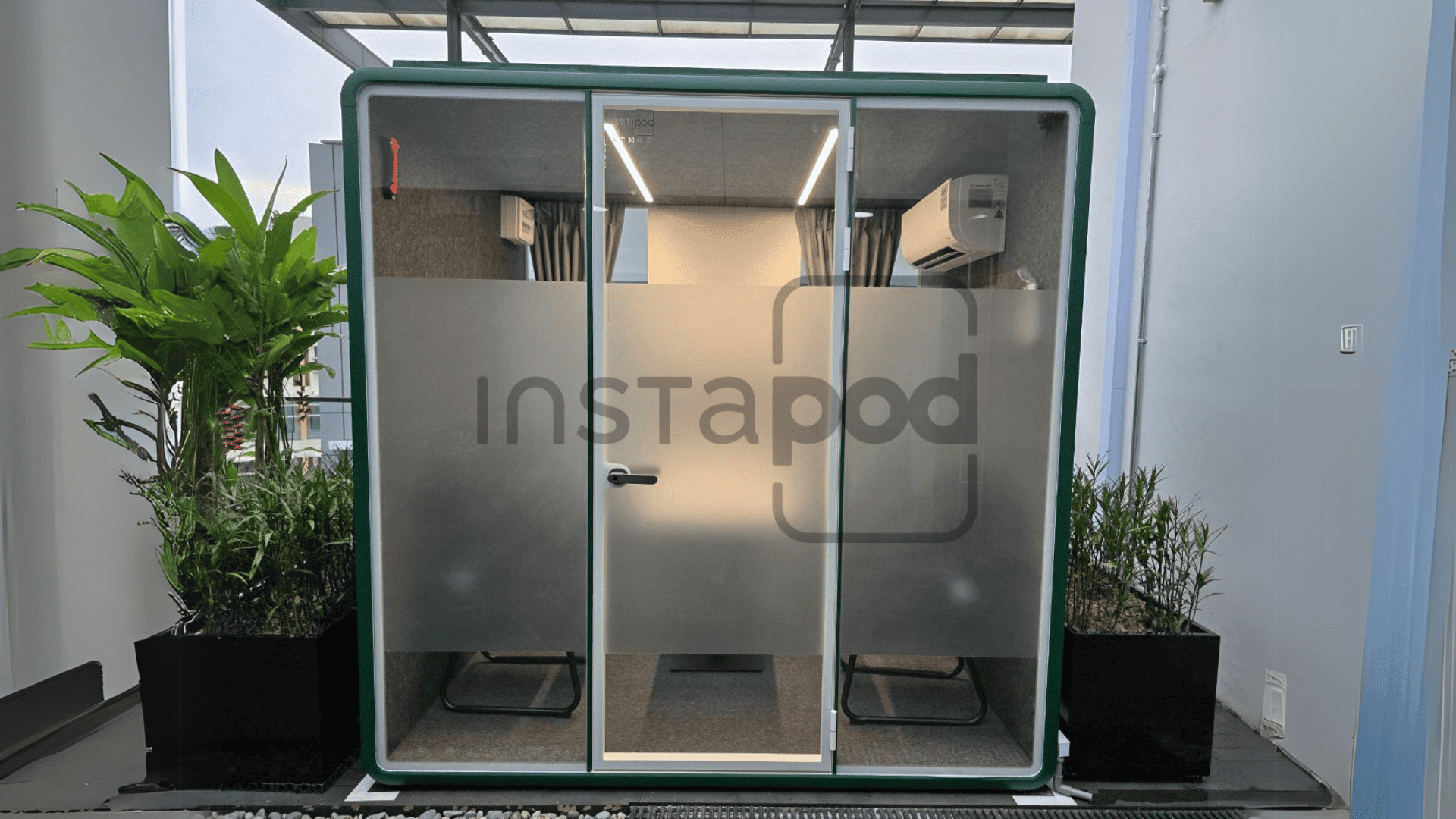
Designing an outdoor sanctuary in a tropical environment like Singapore requires specialized attention to structural integrity and localized weather patterns. These five key points summarize successful strategies for long-term pod performance:
- Prioritize high-performance materials such as marine-grade steel to combat extreme humidity.
- Implement raised foundations to deflect water runoff during sudden, heavy tropical rainstorms.
- Incorporate natural ventilation alongside efficient HVAC systems to manage interior thermal comfort.
- Schedule routine inspections of all rubber seals and weather stripping to prevent moisture ingress.
- Use reflective exterior surfaces to reduce solar heat gain and maintain a stable internal temperature.
Understanding the challenge of Singapore’s tropical climate
Establishing an external workspace in a tropical region requires a departure from standard architectural approaches used in cooler climates. Because Singapore experiences consistent high temperatures and intense solar radiation, materials must be selected for durability and thermal resistance. A well-designed outdoor office pod serves as a buffer against these environmental extremes, ensuring that your equipment and comfort level remain consistent throughout the year.
The impact of high UV exposure on external finishes
Continuous exposure to harsh equatorial sun can cause rapid fading and degradation of conventional exterior materials. Selecting premium finishes that offer UV stability ensures your structure remains visually appealing and structurally sound over time. Using high-quality pigments in exterior paint or choosing inherently UV-resistant composites prevents the chalking and cracking typically associated with long-term sun exposure.
Coping with torrential rainfall and storm cycles
Singapore is characterized by frequent, high-volume rain events that can overwhelm standard building drainage. An effective outdoor office pod must utilize water-shedding profiles and sloped roofing geometries to ensure that moisture is directed away from critical internal zones. Preparing for these storm cycles requires testing all structural joints to confirm that water cannot penetrate the envelope during periods of sustained wind-driven rain.
The role of constant humidity in material degradation
High ambient humidity levels act as a constant catalyst for corrosion in metallic components and fungal growth on porous surfaces. Controlling moisture inside the shell is essential for preventing the buildup of condensation, which often hides behind interior walls. Engineers typically emphasize moisture-resistant construction techniques to protect the integrity of the building envelope against the relentless tropical air.
Essential weatherproofing materials for outdoor office pods
Selecting materials for your workspace must account for the specific chemical and physical stressors of the regional environment. By prioritizing components that resist rust and degradation, you ensure that your investment retains its value. Strategic material selection is the primary defense against the harsh tropical conditions found in garden environments.
Selecting weather-resistant exterior cladding
When choosing claddings, opt for materials that do not absorb water and provide a high degree of thermal stability. Popular choices for the region include treated composite panels or specialized synthetic finishes designed to withstand moisture saturation. Owners often consider these options:
- Fiber-reinforced cement boards that resist rot and termite attacks.
- Thermally modified timber which offers improved resistance to humidity.
- Multi-layer composite sheets that provide a rigid, weather-tight barrier.
After selecting these robust materials, the focus shifts to ensuring that the framing remains protected from the elements behind the chosen finish.
Utilizing marine-grade hardware to prevent corrosion
Standard fasteners and handles often fail quickly when exposed to salt air and high moisture levels. Opting for stainless steel or marine-grade hardware is a critical step for long-term durability in garden zones. These hardware components are designed to resist pitting and oxidation, providing a reliable connection point that maintains its function under the stress of daily use.
High-performance insulating glass and sealants
Working in a bright tropical environment necessitates the use of glass that limits heat transfer while maintaining a view. Selecting argon-filled, low-E glazing helps maintain internal cooling efficiency during the hottest parts of the day. Pairing this glass with high-grade, UV-stable elastomeric sealants ensures the perimeter of every window remains firmly bonded, preventing water leaks even during significant tropical precipitation.
Strategic design features for heat mitigation
Managing the internal environment relies heavily on the building’s physical orientation and the effectiveness of its passive features. A well-designed office pod for home applications should utilize geometry to reduce the cooling load on any mechanical system. Natural methods should effectively complement artificial cooling to balance energy needs.
Incorporating effective roof overhangs and shading
Extended roof lines provide a necessary shade canopy that prevents direct solar radiation from striking the walls or windows. These overhangs must be designed to account for the sun’s high angle yet provide coverage during the morning and afternoon peaks. By shading the building shell, the internal temperature remains significantly more stable even during peak heat hours.
Optimizing cross-ventilation for airflow
Allowing hot air to escape through the highest points of the structure while pulling cooler air in from the bottom is a foundational principle of passive design. When the weather permits, opening strategic vents or windows can clear out stagnant air, freshening the internal atmosphere. This natural movement is vital for preventing the sensation of stale, trapped air common in closed-off workstations.
Choosing reflective roofing materials for solar protection
Roofing choices drastically impact the amount of radiant heat that penetrates the interior space. The following table highlights common roofing options evaluated for their heat-blocking performance in the region.
| Roofing Material | Reflectivity Index | Primary Benefit |
|---|---|---|
| White Membrane | Very High | Maximum heat reflection |
| Coated Steel | High | Excellent durability |
| Recycled Shingle | Moderate | Cost-effective styling |
Selecting a high-reflectivity surface dramatically reduces the energy required to keep your office cool and comfortable for extended hours.
Managing excessive moisture and tropical humidity
Controlling the air quality is just as important as structural weatherproofing when the outside air is perpetually saturated. A dedicated moisture management strategy ensures the interior environment stays healthy for occupants and electronics alike. Without consistent climate control, the comfort of your outdoor pods can quickly diminish during the rainy season.
Implementing advanced HVAC systems for comfortable interiors
Modern cooling systems should be sized to handle both the thermal load and the dehumidification needs of the local climate. Choosing an HVAC system that prioritizes moisture extraction ensures that the indoor environment doesn’t feel clammy or muggy. Proper installation involves checking that condensate drainage lines are correctly sloped and free from blockage to prevent internal backups.
Protecting sensitive electronics with dedicated dehumidifiers
Computers and other office equipment are susceptible to damage when humidity fluctuates wildly. Dedicated dehumidifiers can provide a steady level of protection, keeping the internal environment within a safe humidity window. This step is particularly important for individuals who utilize high-end workstations or store documentation that might be prone to mold in humid environments.
Prevention strategies for mold and mildew growth
Preventative measures involve maximizing airflow and ensuring that no organic materials are left trapped behind wall panels. Regular maintenance of the HVAC filter systems is one way to keep moisture levels in check. Additionally, choosing interior finish materials that are inherently antimicrobial or resistant to surface mold can make the entire unit much easier to maintain.
Structural considerations for heavy rain and drainage
Water management requires planning that starts well before the walls are erected. The footprint must be considered in the context of the surrounding landscaping to ensure a dry internal environment. A foundation that accounts for local drainage patterns is the best way to ensure your office pods for home remain stable.
Calculating foundation height to prevent surface flooding
Raising the structure on a platform or a set of piers keeps the base of the unit above any potential puddling or runoff. This clearance also improves airflow underneath the pod, reducing the chance of moisture accumulation, which is a major benefit for longevity. Ensuring that the height is sufficient to address extreme storm projections is a standard requirement for robust builds.
Installing robust gutter and water runoff systems
Gutters must be oversized to handle the extreme volume of tropical rain during sudden storms. Connecting these gutters to a downspout system that leads directly to a drainage point keeps the ground around the foundation from becoming saturated. A well-managed drainage path protects the structural foundation from settlement and erosion over time.
Sealing joints and panels against high-velocity wind-driven rain
During tropical storms, wind can force water into even the smallest gaps in a structure. Using high-quality gasketing and flexible sealants at all panel interfaces creates a robust weather seal. Inspections should verify that these seals are uniform and free from gaps, ensuring that the envelope remains pressurized and dry even during intense weather events.
Best practices for long-term pod maintenance
Maintaining your investment ensures years of peak performance. By developing a regular cleaning and check-up cycle, minor issues are caught before they become expensive repairs. Most owners find that a proactive mindset is the easiest way to manage an outdoor office pod in a challenging tropical climate.
Periodic inspection of seal integrity and caulking
Every few months, perform a visual check of the perimeter of all windows and doors. Over time, sunlight and heat can cause caulking to shrink or crack, potentially allowing moisture entry points. Re-sealing these areas ensures the unit stays airtight and maintains its intended energy efficiency.
Yearly exterior cleaning schedules to prevent organic buildup
Tropical humidity encourages the growth of moss and algae on exterior surfaces. An annual cleaning schedule keeps the exterior finish clear of these growths, which can trap moisture against materials. Using products safe for your specific cladding type preserves the finish while ensuring the structure looks professionally maintained.
Troubleshooting common structural decay early
Watch for signs of rust at the base of the frame or localized softening of materials around entry points. Early detection allows you to address small issues with touch-up paints or minor repairs before they propagate into the main structure. Monitoring these areas helps your workspace remain an asset rather than a project.
Conclusion
Creating a long-lasting, comfortable space in Singapore requires a comprehensive approach to moisture management and heat protection that respects the local climate. By selecting the right durable materials, designing for passive cooling, and committing to proactive maintenance schedules, you can ensure your backyard office remains a productive environment for years to come. Investing in these weatherproofing efforts now secures the longevity of your workspace, allowing you to focus on your work without worrying about the elements outside.
Frequently Asked Questions
Is an outdoor office pod suitable for all-year use in Singapore?
Yes, if the structure is properly designed with adequate insulation, climate control, and water-shedding features, it can provide a reliable workspace throughout the entire year.
How often should I check the seals on my office pod?
It is generally recommended to inspect the integrity of all window, door, and panel seals every six months to detect potential wear before moisture becomes a problem.
What kind of foundation is best for tropical weather?
Raised foundations, such as adjustable piers or elevated steel platforms, are highly effective as they move the structure away from potential surface pooling and allow for good airflow underneath.
Do I need a building permit for an outdoor pod in Singapore?
Regulations vary based on the pod size, location, and the specific property type, so it is essential to consult with local planning authorities before moving forward with an installation.
How can I keep my office pod cool without high energy costs?
Incorporating shade overhangs, utilizing high-reflectivity roofing materials, and ensuring your unit is properly oriented to maximize natural airflow can significantly lower the strain on your cooling system.
Can I protect an office pod from termites?
Yes, by choosing building materials that are inherently resistant to pests and ensuring there is no direct soil contact with wooden components, you can significantly reduce the risk of structural damage.
What should I do if I notice mold inside my office pod?
If mold appears, identify and eliminate the source of moisture immediately, clean the affected area with appropriate solutions, and improve ventilation or increase the use of your dehumidifier to lower the ambient air moisture level.