No pods added to your quote request yet. Add some now for a free quote!
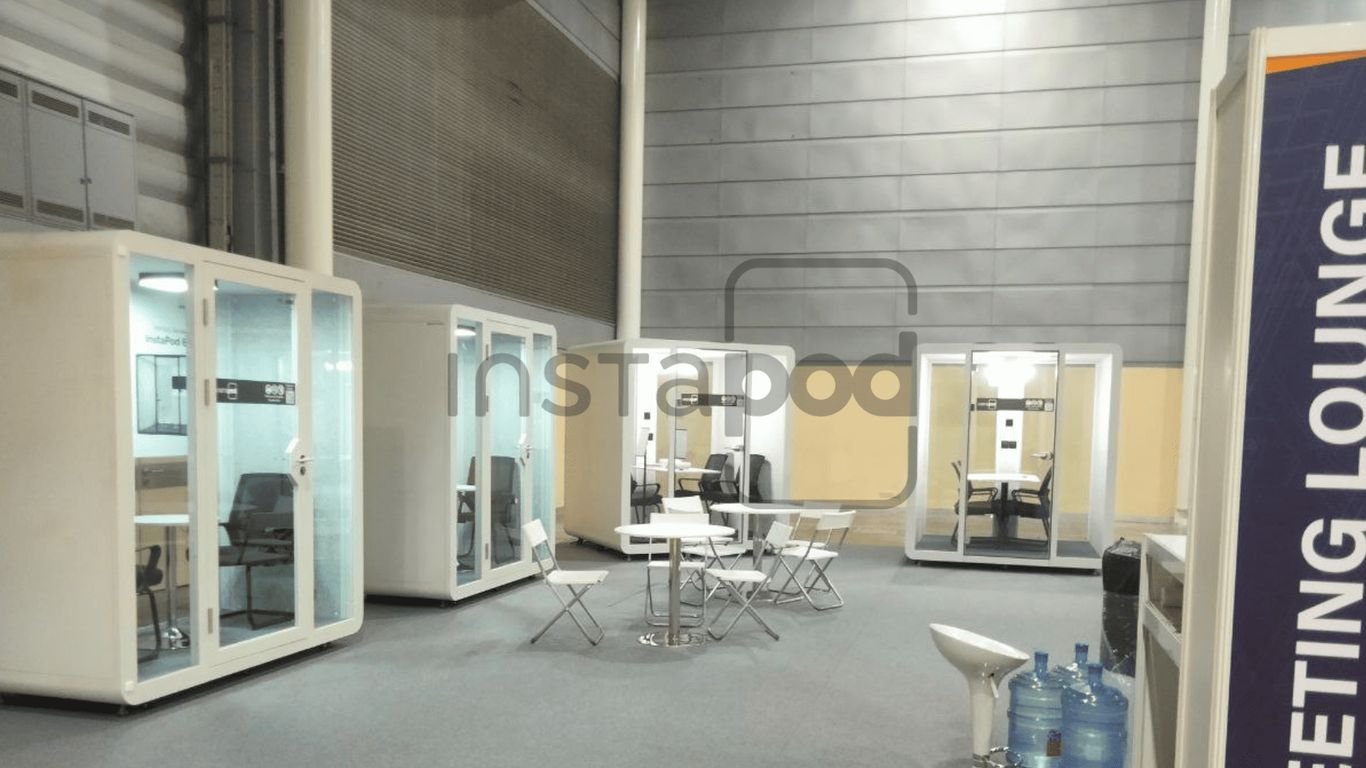
Figuring out the best place for your team to meet can be a bit of a puzzle. Should you go for those modern office pod setups, or stick with the usual meeting rooms built into the office? Both have their ups and downs, from how much they cost to how easy they are to get going. We’ll break down the differences between office pods and traditional rooms to help you pick what works for your space.
Key Takeaways
- Office pods are quick to set up and move, making them super flexible for changing office layouts.
- Traditional meeting rooms offer more space for bigger groups and lots of ways to customize them, but they’re permanent.
- Pods usually cost less to install upfront and are great for acoustic privacy in noisy areas.
- Building traditional rooms takes time and can be more expensive, but they integrate well with the office structure.
- The best choice depends on your team’s needs: flexibility and quick setup (pods) versus space and customization (rooms).
Understanding The Office Pod Advantage
Flexibility And Ease Of Setup
Office pods, sometimes called work pods or booths, are a pretty neat solution for adding private spaces to an office without a huge fuss. Unlike building out a whole new room, these are often pre-fab units. You can get them set up pretty quickly, usually with minimal disruption. Think of it like bringing in a new piece of furniture, but it’s a whole room. This means less dust, less noise, and you can get back to work faster. They’re a great way to quickly add spots for focused work or private calls.
Cost-Effective Installation
When you look at the price tag, office pods can often be a more budget-friendly option than traditional construction. Building permanent walls, dealing with electrical work, and all that can add up fast. Pods usually have a lower upfront cost. Plus, if your office layout needs to change down the road, moving a pod is way cheaper than remodeling. It’s a smart move if you’re watching your budget.
Enhanced Acoustic Privacy
Open-plan offices are great for collaboration, but let’s be honest, they can get loud. That’s where a good sound proof pod really shines. They’re designed with materials to block out a lot of the office noise. This means you can actually concentrate on your work or have a private conversation without everyone else hearing. It’s a big win for productivity and employee well-being.
Here’s a quick look at how pods can help:
- Reduced distractions: Focus better on tasks.
- Increased privacy: Ideal for sensitive calls or meetings.
- Quieter environment: Less noise pollution for the whole office.
The ability to quickly add private, quiet spaces without major construction is a significant benefit for many businesses today. It allows for adaptability that traditional rooms just can’t match.
When Traditional Meeting Rooms Shine
Sometimes, you just need the classic approach. Traditional meeting rooms, the ones built right into the office walls, still hold their own, especially when your needs go beyond a quick huddle. They’re the workhorses for certain types of office gatherings, offering a sense of permanence and a different set of advantages compared to those sleek, modern pods.
Accommodating Larger Groups
If your team often gathers in numbers that make a pod feel like a sardine can, a traditional meeting room is likely your best bet. These spaces are designed from the ground up to handle more people comfortably. You can fit more chairs, spread out documents, and generally avoid that feeling of being cramped. It’s about having the physical space to let ideas flow without bumping elbows.
- Presentations to the whole department: Easily fit 20+ people.
- All-hands team syncs: Plenty of room for everyone.
- Client workshops: Space for your team and theirs.
Extensive Customization Capabilities
When you build a meeting room the old-fashioned way, you get a lot of say in how it looks and functions. You can pick the exact paint color, the type of flooring, the lighting fixtures, and even the layout of the furniture. Want a specific setup for video conferencing? Need a massive whiteboard that covers an entire wall? You can make it happen. While pods offer some choices, they can’t match the deep level of personalization you get with a room constructed specifically for your needs.
Building a dedicated space means you can tailor every single element to your company culture and workflow. It’s about creating a functional environment that truly reflects your brand and supports your specific meeting styles.
Seamless Building Integration
Traditional meeting rooms are part of the building itself. This means they’re usually wired directly into the office’s existing systems for power, internet, and HVAC. This integration makes managing things like temperature, lighting, and AV equipment much simpler. You don’t have to worry about separate power cords or Wi-Fi extenders. Everything is already connected and managed as part of the building’s infrastructure, which can make maintenance and upgrades a lot smoother over time.
Comparing Space And Size Requirements
When you’re figuring out office space, how much room things take up is a big deal. It’s not just about fitting stuff in; it’s about making sure people can actually work comfortably and efficiently. This is where the differences between office pods and traditional meeting rooms really start to show.
Footprint Of A Privacy Pod
Privacy pods are designed to be compact. Think of them as smart little boxes that give you a private space without hogging the whole floor. A typical single-person pod might only need about 4×4 feet of space. Even the larger ones, meant for two or three people, often stay within an 8×8 foot area. This small footprint is a huge plus for offices where space is tight. You can tuck them into corners or place them strategically in an open plan without major disruption.
Space Efficiency In Office Layouts
Because pods are so small and often modular, they’re great for making the most of your existing office layout. You can add them without needing to knock down walls or do major construction. This means you can:
- Create quiet zones in busy open-plan areas.
- Add extra meeting spots quickly.
- Provide private areas for sensitive conversations.
- Use your floor space more effectively.
This flexibility allows businesses to adapt their workspace as needs change, without the huge cost and hassle of traditional renovations.
Capacity Of Traditional Rooms
Traditional meeting rooms, on the other hand, are built for scale. They’re usually designed to hold anywhere from 6 to 20 people, sometimes even more. This makes them ideal for:
- Team-wide meetings.
- Client presentations.
- Training sessions.
- Board meetings.
While they offer more capacity, they also demand a much larger chunk of your office real estate. You can’t just plop a traditional meeting room down anywhere; it needs dedicated space that’s often carved out from the main office area. This means less flexibility for spontaneous changes to your office layout compared to the easy-to-relocate nature of pods.
The choice between pods and traditional rooms often comes down to how many people you need to accommodate at once and how much dedicated space you’re willing to allocate. Pods offer density and flexibility, while traditional rooms provide capacity at the cost of space and adaptability.
Cost Considerations: Office Pod Versus Traditional
When you’re figuring out the money side of things, it’s easy to get caught up in just the sticker price. But there’s more to it than that, especially when you’re looking at something like an office pod versus a built-in meeting room. You’ve got to think about what you’re spending now and what you’ll be spending down the road.
Upfront Investment For Office Pods
Generally, getting an office pod, like a work booth, is going to cost less to get started with than building a whole new room. Think about it – you’re not tearing down walls or doing major construction. You’re usually buying a pre-made unit that can be put in place pretty quickly. For example, a single-person pod might run you anywhere from $9,000 to $19,000, depending on what bells and whistles you want. It’s a bit like buying a nice piece of furniture versus remodeling your kitchen.
Long-Term Costs Of Traditional Meeting Rooms
Traditional meeting rooms, on the other hand, can add up over time. Beyond the initial build, you’ve got ongoing bills for upkeep, utilities, and if you ever want to change anything, that’s another big expense. Since they’re part of the building, any upgrades or fixes can get complicated and pricey. Plus, you might be paying for space that just sits empty most of the time.
Hidden Costs Of Meeting Spaces
Both options can have costs that aren’t immediately obvious. For traditional rooms, this could be the disruption and lost work time while they’re being built, or the expense of getting all the tech hooked up. With office pods, you might need to add extra power outlets or network ports, or you might end up paying to move the pod if your office layout shifts. It’s smart to look at the whole picture.
- Initial Purchase Price: The cost of the pod itself or the construction materials for a room.
- Installation & Setup: Labor costs for putting the pod in place or building the room.
- Ongoing Maintenance: Regular upkeep and repairs for both options.
- Utilities: Power and internet connections, which might need special setup for pods.
- Relocation/Renovation: The cost to move a pod versus the cost to renovate a permanent room.
It’s important to remember that the cheapest option upfront isn’t always the most cost-effective in the long run. Consider how each choice will impact your budget over the next few years, not just today. This kind of thinking helps avoid surprises later on.
Key Differences In Design And Functionality
When we talk about how office pods and traditional meeting rooms are put together and what they do, there are some pretty big differences. It’s not just about looks; it’s about how they work in your day-to-day.
Mobility And Adaptability
Office pods are like the Swiss Army knives of meeting spaces. They’re built to be moved. Need to shuffle your office layout because a new team is moving in? No problem, you can often just pick up the pod and put it somewhere else. This makes them super handy if your company is always changing things up or if you’re not sure where you’ll need meeting space down the line. They offer a level of flexibility that traditional rooms just can’t match. Traditional rooms, on the other hand, are pretty much set in stone once they’re built. Moving a wall or a whole room? That’s a major construction project, not something you do on a whim.
Permanence And Integration
This is where traditional meeting rooms really shine. They’re built into the fabric of your office. Think solid walls, dedicated wiring, and a look that’s meant to be there for the long haul. This integration means they can often feel more substantial and permanent. You can customize them down to the last detail, matching them perfectly with your office’s overall design and branding. Pods, while they can look good, are often more like standalone pieces of furniture. Integrating them perfectly into a unique office aesthetic can sometimes be a challenge, and they might not always blend in as smoothly as a room built from the ground up.
Acoustic Performance
Both pods and traditional rooms aim for good sound privacy, but they get there differently. Pods use special materials and designs to create a quiet bubble. They’re engineered to keep conversations in and noise out. However, the effectiveness can vary a lot between different pod models. Traditional rooms, with their solid construction, often provide a very high level of soundproofing naturally. It’s harder for sound to travel through thick walls and solid doors. While a good pod can be very quiet, a well-built traditional room often has the edge in pure acoustic isolation, especially for really sensitive discussions.
The goal is to create a space where people can focus without distractions, whether that’s keeping a confidential chat private or just letting a team brainstorm without the office buzz getting in the way. It’s about finding the right balance for your specific work needs.
Making The Right Choice For Your Business
So, you’ve looked at the pros and cons, the costs, and the features. Now comes the big question: which one is actually right for your office? It’s not a one-size-fits-all situation, that’s for sure. The best way to figure this out is to really think about how your teams work day-to-day.
Assessing Team Needs
First off, what are people actually doing in your office? Are there tons of quick, one-on-one chats happening all the time? Or are your teams constantly gathering for bigger brainstorming sessions? Knowing this helps a lot.
- For frequent, short calls or focused solo work: Smaller, private pods are usually a great fit. They give people a quiet space without taking up much room.
- For team huddles and collaborative problem-solving: You might need something a bit larger, maybe a pod designed for small groups, or a traditional room if the group is consistently over 4-6 people.
- For client meetings or presentations: Traditional meeting rooms often have the edge here, offering more space, better AV integration, and a more formal setting.
Budgetary Constraints
Let’s talk money. Office pods generally have a lower upfront cost compared to building out a traditional meeting room. You’re not dealing with major construction, permits, or long build times. However, think about the long haul too. Will you need to move or reconfigure spaces often? Pods offer flexibility here, which can save money down the line if your office layout changes. Traditional rooms are a more permanent fixture, so while the initial cost might be higher, they might last longer without needing major changes if your needs stay consistent.
The true cost isn’t just the sticker price. It’s about how the space supports your work, how long it lasts, and how easily it can adapt when things change. Sometimes, a slightly higher initial investment in a flexible solution pays off more than a cheaper, but rigid, option.
Future Office Planning
Where do you see your office going in the next few years? Are you expecting your team to grow? Will you be moving to a new location? This is where the adaptability of office pods really shines. They can be moved, reconfigured, or even taken with you if you relocate. Traditional meeting rooms are built into the structure of your office, making them much harder to change or move. If your company culture is leaning towards more flexible work arrangements or open-plan layouts, pods fit that model better. If you’re building a more permanent, structured environment, traditional rooms make more sense.
So, Which One Takes the Crown?
Alright, so we’ve talked about office pods and those classic meeting rooms. It’s pretty clear there isn’t a single winner that fits every single office. If your team is always on the move, needs quiet spots for calls, and you like the idea of rearranging things easily without a huge upfront cost, then those pods are probably your best bet. They’re quick to set up and good for smaller groups. But, if you’re regularly hosting big meetings, need a space that feels really permanent and integrated into your office, and want total control over how it looks and works, then sticking with traditional meeting rooms makes more sense. Ultimately, the best choice really comes down to what your company does day-to-day and what your people actually need to get their work done. Think about your team’s size, how often you meet, and what kind of vibe you’re going for, and the decision will become a lot clearer.
Frequently Asked Questions
What exactly are office pods?
Office pods are like small, private rooms you can place inside a larger office space. They’re perfect for making phone calls, having quick chats, or when you just need a quiet spot to focus without distractions. Think of them as a personal quiet zone within a busy office.
How are office pods different from regular meeting rooms?
The biggest difference is how they’re made and where they go. Traditional meeting rooms are built right into the office walls, like any other room, and they’re permanent. Office pods are separate units that you can actually move around, kind of like a piece of furniture. This makes pods super flexible.
What are the main good things about using office pods?
Office pods are usually cheaper and faster to set up because you don’t need major construction. They’re also easy to move if you decide to change your office layout. Plus, they often have good soundproofing, which is great for keeping conversations private and reducing noise in open offices.
When would a traditional meeting room be a better choice?
Traditional meeting rooms are better when you need to fit a lot of people, like for big team meetings or presentations. You also have way more freedom to design them exactly how you want, from the paint color to the type of chairs. They feel more like a permanent, built-in part of the office.
Are there any downsides to office pods?
Pods are usually smaller, so they might feel a bit tight for larger groups. They also don’t offer as many choices for how they look compared to a room you build from scratch, and sometimes they might not perfectly match your office’s style. It can also be a bit tricky to hook them up to the building’s power or internet.
How do I decide if my business needs pods or traditional rooms?
It really comes down to what your team does most often. If you have many small teams that need quick private spaces, like for calls or focused work, and you like the idea of flexibility, pods are a great option. If you frequently have large meetings, need a very specific look for your meeting space, and prefer something permanent, then traditional rooms might be a better fit.