No pods added to your quote request yet. Add some now for a free quote!
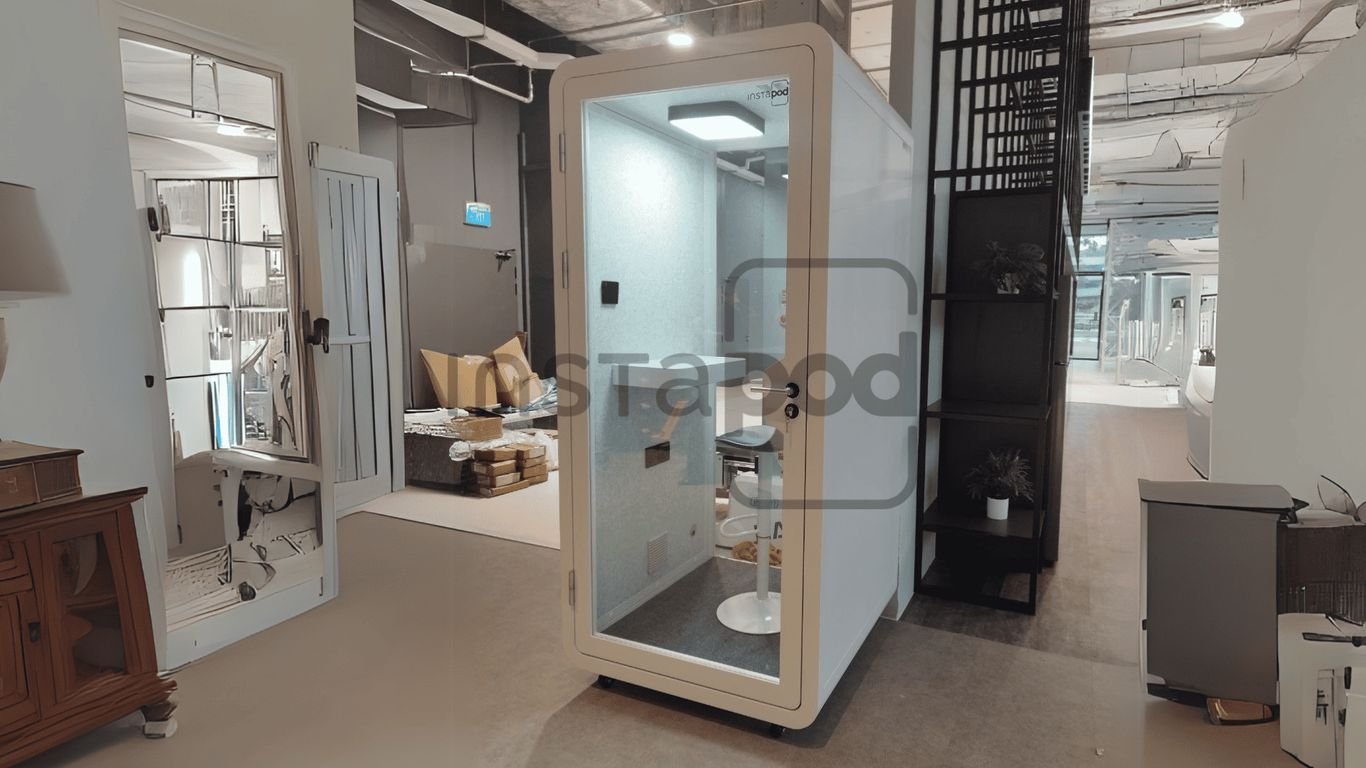
Offices used to be all about big, open spaces, right? The idea was to get everyone talking and working together. But, surprise, surprise, it turns out that constant noise and people walking by all the time makes it really hard to get anything done. You can’t focus, you can’t take a private call without everyone listening in. That’s where meeting pods come in. They’re like little quiet rooms that pop up in the middle of the office, giving you a break from the chaos. It’s a pretty simple idea, but it’s really changing how we think about work spaces.
Key Takeaways
- Meeting pods offer a private space to escape noise and distractions in open-plan offices.
- These pods come in different sizes, from single-person booths for calls to small group meeting areas.
- They are adaptable and can be moved or reconfigured as office needs change.
- Meeting pods help improve employee focus and reduce stress by providing quiet zones.
- The design of these pods focuses on sound dampening and creating comfortable, productive environments.
The Rise Of Meeting Pods In Modern Workplaces
Remember the old days? Offices were either wide-open spaces with everyone hearing each other’s phone calls, or they were a maze of cubicles that felt more like hamster cages than productive workspaces. Well, things are changing, and fast. We’re seeing a big shift towards what are called "office pods." These aren’t just fancy dividers; they’re self-contained little rooms that pop up in the middle of an office. Think of them as private nooks designed for work. They can be small, just big enough for one person to take a call, or larger, meant for a small team to huddle up. They’re built to look good, too, not just to be functional. Most come with things like ventilation, lights, and places to plug in your devices.
Redefining Workplace Privacy
The old cubicle setup just doesn’t cut it anymore. It was supposed to give some privacy, but often just made people feel isolated and couldn’t block out noise. Now, companies are looking for something better. Office pods represent a whole new way of thinking about office design. It’s not just about putting up walls; it’s about creating flexible spaces that actually work for people. You see different companies coming up with all sorts of designs, some really sleek and modern, others more minimalist. It’s like a quiet competition to make the best little workspace. This is good news for employees because it means the office can become a more interesting and comfortable place to be, which can actually help with creativity and just feeling better about coming to work.
A New Age Of Office Design
Open-plan offices were supposed to make us talk to each other more, and they do. But they also make it really hard to get anything done if you need to focus. Think about trying to join a video conference when someone next to you is on a loud call, or needing to finish a report with constant chatter around you. It’s tough. Pods solve this by giving you a dedicated space away from all that. It’s a simple fix that makes a big difference in how much you can actually get done. It’s about giving people options for how and where they work best, acknowledging that not every task is suited for a shared, open environment.
Beyond Cubicles: A New Era Of Design
When employees have a place to go for quiet focus or private conversations, it really impacts their work. They can be more productive, feel less stressed, and generally be happier at their jobs. It shows the company cares about their well-being and their ability to do good work. Plus, having these pods means you don’t have to book a whole conference room just to have a quick, private chat. It’s about making the workday smoother and more efficient for everyone. Finding the right office pods can really change the feel of a workplace. This adaptability is a huge advantage, especially for businesses that are growing or adapting to new work styles, like hybrid models. It’s also a smart solution for smaller offices or even for creating dedicated workspaces at home, like office pods for home, without committing to permanent renovations.
Here’s what makes them so helpful:
- Sound Dampening: They create a quiet zone, cutting out office noise.
- Privacy: Offers a personal space for calls or focused work.
- Flexibility: Can be moved or reconfigured as needs change.
- Technology Integration: Many come with power outlets and lighting for device use.
Understanding The Versatility Of Meeting Pods
Privacy Pods For Deep Focus
These aren’t just fancy boxes; they’re designed to be your personal escape hatch from the office buzz. Think of them as mini, sound-dampened rooms where you can actually get some serious thinking done. Whether you’re trying to nail down a complex report or just need a few minutes of uninterrupted peace to gather your thoughts, these pods are your go-to. They’re built to block out the chatter and clatter, giving you the mental space you need to concentrate.
Meeting Pods For Collaborative Sessions
When it’s time to brainstorm or hash out ideas with a small group, these pods really shine. They’re like compact, informal meeting rooms that you can pop up almost anywhere. Forget booking a big conference room for a quick chat; these pods are perfect for impromptu team huddles or focused discussions with a couple of colleagues. Many come with built-in whiteboards and power outlets, so you can get straight to work without a fuss.
The Appeal Of Soundproof Sanctuaries
Let’s be honest, open-plan offices can be loud. Sometimes you just need a place where you can have a private conversation or take a call without worrying about who’s listening. That’s where these soundproof sanctuaries come in. They offer a quiet zone, a place to retreat from the noise and distractions of the main office. It’s about giving people the option to find a bit of calm and quiet when they need it most.
Here’s a quick look at how different pod types serve distinct purposes:
- Small Booth: Ideal for private phone calls or quick video chats.
- Medium Pod: Great for one-on-one meetings or focused solo work.
- Large Pod: Suited for small team discussions or collaborative tasks.
The placement of these pods is also pretty important. You want them somewhere easy to get to, not tucked away in some forgotten corner. Making them visible and accessible means people will actually use them when they need a quiet moment or a quick chat.
The Expanding Role Of Meeting Pods
Freedom From Overheard Conversations
Remember those days of desperately trying to find a quiet corner for an important call, only to end up in a noisy hallway? Office phone booths, a type of meeting pod, are the answer. They’re like mini, soundproof rooms designed specifically for calls or video conferences. They’re compact, usually fit one person, and come with basic amenities like lighting and a place to put your laptop. This gives employees the freedom to have private conversations without worrying about who might be listening in. It’s a simple but effective way to reclaim personal space in a busy office.
Shaping The Future Of The Workplace
As work continues to change, so will the job of these little quiet zones. They’re more than just a place to escape the noise; they’re becoming key to how we handle different work styles. Hybrid work, flexible hours – these pods help make all of that work smoothly. They give people the private space they need, no matter how the workday is structured. It’s a smart way to adapt without a massive overhaul. Ultimately, these pods are a big part of where office design is headed. They show that we’re getting better at understanding that people need different things to do their best work. It’s not just about open spaces anymore; it’s about creating a mix that supports everyone. This quiet shift towards more private, adaptable spaces is really changing how we think about the office. We’re seeing more companies invest in flexible setups, and office pods are a big part of that. They’re a practical way to offer choice and support different work modes, from quick phone calls in a meeting booth to focused solo tasks. It’s about building offices that work for people, not the other way around.
Integrating Privacy Pods Into Office Culture
Integrating privacy pods into the daily grind is about making them feel like a normal, helpful part of the office, not some weird, exclusive club. The real trick is making these spaces accessible and understood. Think about it: not everyone is in the office every single day anymore. So, how do these pods fit into a hybrid setup? They become super useful for those days when people are in the office. Instead of everyone needing a dedicated desk, pods can offer flexible, on-demand quiet spaces. Need to take a private call? There’s a pod. Want to join a video meeting without background noise? There’s a pod for that too. This flexibility is key for making hybrid work actually work. Offices in big cities, like many in Singapore, often mean paying a lot for space. Building permanent walls for private rooms is expensive and takes up a lot of room. Office pods, especially meeting pods, offer a smart way around this. They can be placed almost anywhere – in a corner, between workstations, or in an open area. They give you that private space without the huge cost or commitment of construction. Plus, if the office layout needs to change, you can often just move the pods. It’s a much more practical approach to using valuable urban real estate.
Here’s a quick look at how different pod types serve distinct purposes:
- Phone Booths: Ideal for single individuals needing a quiet space for calls or short video meetings.
- Focus Pods: Designed for one or two people to concentrate on individual tasks without distractions.
- Meeting Pods: Accommodate small groups (2-6 people) for collaborative sessions, brainstorming, or team discussions.
The ability to easily adapt and reconfigure workspaces is becoming less of a luxury and more of a necessity in today’s fast-paced business world. Pods offer a practical way to achieve this flexibility without major disruption.
Modular Design For Evolving Needs
Adaptability For Changing Work Styles
Offices aren’t static anymore, right? People work differently now, with more hybrid setups and project-based teams popping up. That’s where modular meeting pods really shine. They’re not bolted down like a wall; you can move them, reconfigure them, or even add more as your company grows or your needs shift. Think of it like building with really smart, soundproof LEGOs for your office. Need more quiet spots for focused work one month and then a few more small huddle spaces the next? You can just rearrange your pods. It makes your office layout flexible enough to keep up with how people actually work today.
Space-Efficient Alternatives
Let’s face it, not every company has a massive budget or endless square footage. Traditional meeting rooms can take up a lot of space and require serious construction. Pods, on the other hand, are a much smarter way to use the space you have. They offer dedicated areas for calls or small meetings without needing to build out entire rooms. This means you can fit more functional zones into your existing office footprint. It’s a practical solution, especially for smaller businesses or even for creating a dedicated workspace at home without major renovations.
Modular Solutions For Growth
When your business expands, your office space often needs to change too. Modular pods are a lifesaver here. Instead of a big, disruptive renovation, you can simply add more pods to your existing setup. This makes scaling your workspace much easier and less costly. It also means you can adapt your office layout quickly if your team structure changes or if you bring on new people. It’s about having a workspace that can grow and change right alongside your company, without all the usual headaches.
The beauty of modular design is that it acknowledges the unpredictable nature of modern work. It provides a framework that can be adjusted, expanded, or contracted with relative ease, preventing the need for costly and time-consuming overhauls when business needs inevitably shift.
Here’s a quick look at how modularity helps:
- Flexibility: Easily reconfigure layouts for different team sizes or tasks.
- Scalability: Add or remove pods as your company grows or shrinks.
- Cost-Effectiveness: Avoids expensive construction and renovation costs.
- Mobility: Pods can often be relocated within the office or even to a new location.
Acoustic Solutions For Open Plans
Open-plan offices are great for collaboration, right? But let’s be real, they can also be a total noise-fest. You’ve got phones ringing, people chatting, keyboards clacking – it’s a lot. This is where acoustic solutions come in, and they’re not just about making things quieter, but making them work better for everyone.
The Importance Of Sound Dampening
Think about it: when you’re trying to concentrate on a tricky report or have a sensitive client call, the constant background chatter is a major distraction. It’s not just annoying; studies show it actually messes with our ability to focus. Sound dampening materials absorb noise, stopping it from bouncing around the office and creating that overwhelming hum. This means fewer interruptions and a better chance for people to actually get their work done without feeling like they’re in a constant state of alert.
Creating Balanced Sound Environments
It’s not about creating a silent tomb, though. The goal is a balanced soundscape. We want spaces where people can easily chat when needed, but also find pockets of calm. Acoustic pods are a big part of this. They’re like little soundproof bubbles you can step into. But it’s also about the bigger picture: things like:
- Acoustic panels: These can be put on walls and ceilings. They’re made of special stuff that soaks up sound waves.
- Fabric-covered partitions: These can break up large open areas and also help absorb noise.
- Carpeted floors: A simple but effective way to reduce echo and general noise levels.
These elements work together to create an environment where noise is managed, not eliminated entirely.
Sensory-Smart Design Features
Beyond just blocking noise, modern acoustic solutions are getting pretty smart about sensory experience. This is especially important for neurodivergent individuals, but honestly, it benefits everyone. We’re talking about:
- Controlled lighting: Avoiding harsh fluorescents and opting for softer, adjustable lighting.
- Good ventilation: Making sure the air is fresh and not stuffy.
- Calming color palettes: Using colors that don’t add to visual clutter or stress.
These features, combined with excellent soundproofing, create spaces that are not just quiet, but genuinely comfortable and conducive to focus for a wider range of people.
The constant auditory input in many open-plan offices can be more than just a nuisance; it can actively hinder cognitive function and increase stress levels. Providing dedicated acoustic zones, whether through individual pods or strategically placed sound-absorbing materials, directly addresses this challenge, allowing for greater productivity and improved well-being across the workforce.
Here’s a quick look at how different spaces handle sound:
| Space Type | Typical Noise Level (dB) | Primary Acoustic Goal |
|---|---|---|
| Open Office Area | 60-70 | Collaboration, Communication |
| Privacy Pod | 30-40 | Deep Focus, Confidentiality |
| Meeting Room (Pod) | 40-50 | Controlled Discussion, Calls |
| Quiet Zone | 40-50 | Focused Individual Work |
The Quiet Revolution Continues
So, it looks like these privacy pods are more than just a trend; they’re really changing how offices work. They give people a needed break from the noise and let them get stuff done without bothering anyone else. As more companies look for ways to make their spaces better for everyone, these pods seem like a smart move. It’s about giving people options and making sure work can happen without all the usual office distractions. This quiet shift in design is definitely something to keep an eye on as workplaces keep evolving.
Frequently Asked Questions
What exactly is an office pod?
An office pod is like a small, private room you can place inside a larger office. Think of it as a mini-booth or a tiny workspace that’s separate from everything else. They come in different sizes, from small ones for just one person to talk on the phone, to bigger ones for small groups to meet in. They are usually quiet inside and have things like lights and plugs for your devices.
Why are office pods becoming so popular?
Offices today are often open and can be very noisy. This makes it hard for people to focus or have private conversations. Office pods give people a quiet place to work without distractions. They help make the office a better place for everyone, whether you need to concentrate deeply or have a quick, private chat.
Are office pods just for phone calls?
No, they’re not just for phone calls! While small pods work great for private calls or video chats, larger ones are designed for small team meetings, focused individual work, or even quiet brainstorming sessions. They offer flexibility for different kinds of tasks.
How do pods help with noise in open offices?
Pods are built with special materials that block out sound, like mini soundproof rooms. This means when you’re inside, you can’t hear the noise from the main office, and people outside can’t hear you. It creates a peaceful bubble for concentration or private discussions.
Can office pods be moved or changed if our needs change?
Yes, many office pods are modular, which means they can be easily moved, rearranged, or even expanded. This is great for businesses that are growing or changing how they work, as you don’t need to do major construction to adapt your space.
Do pods help make the office a better place for everyone?
Definitely. By giving people a choice between noisy, open areas and quiet, private spaces, pods help reduce stress and improve focus. This can lead to better work and happier employees, making the entire office environment more productive and comfortable for all.