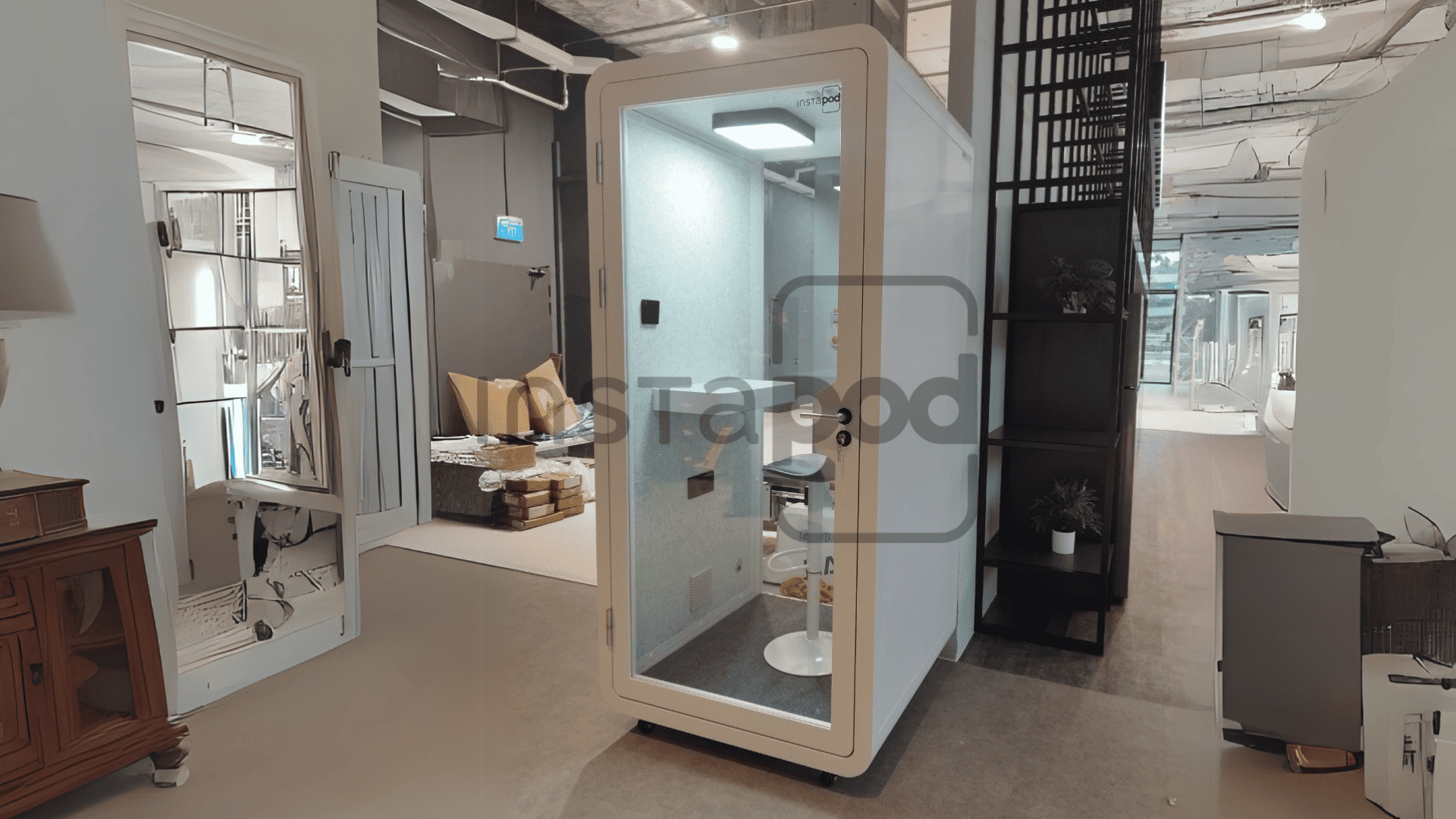
Key Takeaways A well-planned workspace design must account for the reality of auditory distractions in the modern workplace. Using controlled environments like an acoustic pod can significantly enhance employee focus and comfort. * Constant noise in open offices directly impacts employee productivity and stress levels. * Strategic use of pods creates quiet zones within a bustling environment. * Proper ventilation and ergonomic features are critical for long-term use. * Modular designs allow businesses to scale their infrastructure alongside team needs. * Choosing the right placement ensures accessibility without compromising quiet zones. ## Understanding the challenge of open office acoustics Open-plan offices were originally envisioned as hubs of collaboration, but they have introduced unanticipated friction into the daily workflow. Environments filled with constant background noise force the human brain to work overtime, filtering out unwanted sounds while trying to maintain concentration on tasks. This ongoing cognitive load eventually leads to exhaustion and diminished output, making it clear that a purely open environment isn’t a universal solution for every business. ### The hidden cost of constant office background noise Persistent noise pollution from overlapping conversations, keyboard clacking, and office equipment creates a background hum that never really stops. Employees often report that this ambient noise is their greatest obstacle to deep focus, especially when projects require high levels of concentration. Over time, the inability to find a quiet moment for complex analytical thinking results in lower quality work and increased frustration from team members who feel unable to escape the din. ### Identifying the primary sources of acoustic distraction The most noticeable disruptions typically stem from high-traffic movement around workstations and the uncontrolled volume of impulsive group discussions. When a central meeting hub isn’t well-isolated, sound waves travel unimpeded across the floor, disrupting neighbors who were previously in a state of flow. Even small, seemingly insignificant noises, like a nearby video call or the rattle of a shared printer, can ripple through a desk pod section effectively turning minor sounds into major barriers. ### Why traditional office layouts struggle to contain sound Standard office architecture often relies on hard surfaces like concrete, glass, and metal which act as acoustic reflectors. Instead of absorbing or blocking sound, these materials bounce noise back into the room, magnifying every conversation in the vicinity. Traditional office designs lack the specialized dampening structures, such as thick internal padding or dual-pane glass, that are necessary to neutralize sound travel effectively. ### The relationship between decibel levels and cognitive focus Scientific observation suggests that sustained high decibel levels in an office correlate with heightened cortisol production among staff. When workers are constantly startled or distracted by ambient noise, they lose their rhythm and take longer to return to a complex task after an interruption. Providing a space where sound pressure is significantly lowered is not merely a luxury but a functional necessity for maintaining consistent mental sharpness throughout the workday. ## Mechanics of a high-performance acoustic pod High-performance units are engineered to serve as rooms-within-a-room, specifically built to mitigate the shortcomings of an open floor plan. By utilizing high-density materials and precise construction, these structures create a distinct boundary that prevents sound waves from transferring into or out of the enclosure. These environments provide the necessary control to maintain a quiet atmosphere regardless of the surrounding activity levels. ### Leveraging advanced sound-insulating materials Manufacturers design these units using layered acoustic panels that trap sound before it can penetrate the interior shell or escape into the open room. The internal lining relies on porous, sound-absorbing materials that dissipate energy from noise on contact. This structural approach ensures that even within a noisy, high-transit area, an employee inside can maintain near-total isolation from the chaos just a few feet away. ### Understanding how the 30-decibel reduction is measured The rating of a 30-decibel reduction is derived from rigorous standardized testing designed to measure speech level reduction inside enclosed furniture. When manufacturers state their pods offer this degree of suppression, they are referring to the difference in volume between the internal space and the outside ambient environment. This measurable performance is what makes a high-quality study pod or work pod a reliable asset for deep-focus sessions. ### The role of structural seals and acoustic-grade glass Sound, much like air, will leak through any gap left behind, which is why the integration of precision-fitted structural seals is paramount. The door threshold, window frames, and ventilation exhaust points must form a nearly airtight seal to prevent noise leakage. Simultaneously, acoustic-grade glass allows light to fill the unit, preventing the claustrophobic feeling sometimes associated with fully enclosed, opaque spaces. ### Vibration damping techniques to prevent sound leakage A robust acoustic pod must address the physical vibration of the structure itself, especially in buildings with high-traffic footfall. Vibration damping materials installed within the frame stop subtle mechanical sounds from traveling through the floor and up into the pod chassis. By isolating the pod from the base building structure, it remains a stable, silent oasis even if it is situated near a busy printer station or a high-footfall hallway. ## Essential features to prioritize when choosing an acoustic pod Selecting the right product requires looking beyond simple aesthetic choices and focusing on how the unit supports human health and workflow efficiency. You should seek out designs that prioritize long-term comfort, modularity, and environmental quality. A thoughtful interior design turns a functional unit into an inviting place to work, ensuring that employees actually use the space rather than avoiding it. ### Ventilation systems designed for quiet air circulation Air quality is one of the most critical elements for any enclosed unit, as stagnant air can quickly lead to fatigue and discomfort. Optimized ventilation systems should cycle sufficient fresh air through the pod silently, ensuring the CO2 levels stay low during extended deep-work sessions. A well-designed work pod in Singapore or any similar humid climate must account for temperature regulation to prevent the interior from becoming too warm despite the airtight construction. ### Ergonomic interior design for deep-work sessions A study pod should include internal features that accommodate various tasks, from long-form writing to collaborative team calls. Interior furnishings should ideally be adjustable, allowing the user to change sitting or standing positions depending on the duration of their task. By focusing on ergonomics, the pod becomes a space where productivity lasts for hours rather than just a quick twenty-minute burst. ### Integrated lighting and power connectivity for seamless workflow Constant power access and adaptive lighting are non-negotiable for modern mobile employees. Integrated power ports mean users can charge devices without leaving the unit, while smart, motion-activated lighting ensures that the space is bright enough to reduce eye strain immediately upon entry. This level of technology-ready design ensures the interior remains a place for uninterrupted focus rather than a location for tedious logistics. ### Sustainability certifications and durable material sourcing Quality materials are important not just for longevity but for the environmental footprint of your office expansion. Leading producers often adhere to standards such as ISO 14001, ensuring that the manufacturing process is strictly controlled and that the materials used are durable. Investing in products built to last reduces the need for frequent replacements and demonstrates a deeper commitment to sustainable business practices. ## Tailoring your acoustic pod for specific team needs Every team has unique requirements, so it is important to match the specific unit size to the intended function in your workspace. Choosing a mismatch can lead to underuse—for example, trying to fit a group meeting into a one-person unit or vice versa. Selecting the right pod size maximizes the return on your investment by ensuring that space is utilized efficiently throughout the day. ### Selecting the right pod size for individual deep work A solitary work pod is the perfect solution for employees tasked with complex, creative work that cannot be done in a noisy, shared area. These units are specifically designed for one person, providing a compact footprint that doesn’t waste floor space while still offering complete privacy. By providing these dedicated spaces, companies allow employees to retreat and complete high-value work, acting as a personal sanctuary that is highly flexible. ### Utilizing phone booths for private communications Privacy is essential when dealing with confidential data, sensitive client calls, or HR discussions that would be inappropriate to conduct in an open floor plan. Phone booths allow for a private conversation without forcing others to overhear intimate business details. These focused units keep personal or proprietary information secure, maintaining the professionalism expected in any modern corporate environment. ### Planning multi-person meeting pods for collaborative tasks Meetings require a balance of sound insulation and group engagement space, which is why larger configurations are beneficial for teams of up to four. These meeting pods allow for quick video calls or brainstorming sessions without disrupting the rest of the open office layout. By moving these meetings into a specialized enclosure, you prevent the ‘noise creep’ that often plagues traditional desk areas, keeping the general office volume lower for everyone else. ### Modular configurations that scale with company growth Organizations often grow at unpredictable rates, meaning that fixed office build-outs are rarely the best strategy. A modular approach allows businesses to add or reconfigure their pods as their needs shift over time. This scalability is a significant advantage for businesses that might relocate or expand, as the units can move right along with the team. ## Strategic placement for maximum office impact Simply having a good product isn’t enough; where you put it matters as much as the internal noise dampening qualities. Proper zoning prevents the pods themselves from becoming physical obstructions in high-traffic corridors. Strategic placement ensures that the office remains fluid and accessible while still providing clear destinations for quiet work. ### Analyzing floor plan traffic and noise patterns Before anchoring any units, observe how teams move through the office and identify the highest noise sources. If a study pod is placed directly next to the cafeteria or a main entrance, the constant transit may frustrate the user, even if the unit itself is soundproof. Map out the ‘quiet zones’ versus ‘collaboration zones’ and place your pods to bridge the gap between these distinct areas. ### Balancing proximity to common areas versus quiet zones If you place a meeting pod too far from the desks, it becomes a hassle to use for short, spontaneous collaborations. However, if units are clustered too tightly into a focus-dense zone, they might break up the team’s visual cohesion. The goal is to keep these useful tools within an easy, short walk of where people work, without them feeling like they are sitting in the middle of a pedestrian thoroughfare. ### Ensuring team accessibility through thoughtful zoning Zoning for inclusivity is vital for ensuring that every member of the team can make use of these spaces comfortably. Low-threshold doors and enough interior turning space are examples of universal design principles that make the pod accessible to everyone. By prioritizing thoughtful layout mapping, businesses create a workplace that works for the entire variety of personnel, not just a select group. ### Compliance with fire and safety building regulations Safety must be a primary concern when introducing new physical structures into an office environment. All pods should satisfy local safety codes, including fire suppression integration and clear evacuation paths. If you are choosing a model for a space with sprinklers, ensure the pod design features a fire-safe ceiling mechanism that works in harmony with existing building systems. ## Long-term benefits for employee well-being and performance The shift toward integrating quiet spaces marks a broader trend in workplace design that puts human performance at the front of the business case. Reducing the daily friction of a noisy environment has profound effects on the long-term outlook of the organization. Fostering an environment that supports deep work and mental health directly impacts the bottom line through increased efficiency and happier staff. ### Reducing stress associated with auditory sensory overload Sensory overload is a silent contributor to workplace burnout, particularly for employees who perform analytical tasks under pressure. By providing a sanctuary where auditory sensory input can be dialed down to a comfortable level, you give employees a chance to recover during the workday. This recovery period is vital for preventing the mid-afternoon slump and keeping energy levels steady. ### Providing a dedicated space for confidential client discussions Maintaining professional standards is much easier when you can guarantee a confidential environment for sensitive conversations. When clients feel that their discussion is private, the quality of interaction usually improves. This simple, reliable physical privacy fosters a sense of trust in the brand and shows that the enterprise views client data protection as a serious, actionable priority. ### Improving overall employee satisfaction and retention Employees who have the tools and space to work effectively report higher levels of satisfaction with their environment. When you remove the barriers to focus, you are effectively telling your team that you value their time and their ability to produce high-quality effort. This leads to better engagement and a stronger sense of loyalty, as staff feel empowered to do their best work without unnecessary environmental distractions. ### Creating a flexible infrastructure for hybrid work models In a hybrid world, the physical office serves as a centralized hub for tasks that require real-time interaction or team alignment. Acoustic pods accommodate this new way of working by providing a hybrid-friendly space for both in-person collaboration and virtual meetings. By investing in this flexible infrastructure, companies ensure that their main office remains relevant and highly functional, regardless of how often their team rotates through the physical space. ## Conclusion Investing in an acoustic pod allows businesses to reclaim control over the auditory environment of an open-plan office. By balancing the need for collaborative visibility with the necessity for private focus, companies create a more inclusive, productive, and satisfying space for all employees. Whether you prioritize a quiet study pod in Singapore or a multi-person meeting unit, these modular tools help teams adapt to the demands of modern work while maintaining long-term wellness. ## Frequently Asked Questions ### What is the primary purpose of an acoustic pod? The primary purpose is to provide a sound-controlled, private space within an open office, allowing employees to focus or speak privately without being disturbed or disturbing others. ### How effective are these units at blocking noise? High-quality pods can significantly reduce outside ambient noise, often by up to 30 decibels, which is enough to transform a loud, cavernous office into a calm, workable area. ### Do these pods require professional installation? Most office pods are prefabricated and arrive as modular pieces, meaning they can typically be installed in a few hours by a specialized team without the need for major office construction. ### Are these booths permanent fixtures in an office? No, most units are designed to be movable and modular, allowing teams to reposition them if the office layout changes or if the company decides to move. ### Do pods negatively affect office air quality? High-performance units feature dedicated, automated ventilation systems that ensure constant circulation of fresh air, maintaining a healthy climate for whoever is inside the pod. ### Can I move an acoustic pod if our office relocate? Because they are modular and not built into the building’s skeleton, most pods are designed to be taken apart and reassembled in a new location, making them a long-term investment. ### What kind of maintenance do acoustic pods typically need? Maintenance is generally minimal, focusing on checking the condition of the sealants, ensuring the ventilation filters are clean, and keeping the electrical ports in good working order through standard office protocols.