No pods added to your quote request yet. Add some now for a free quote!
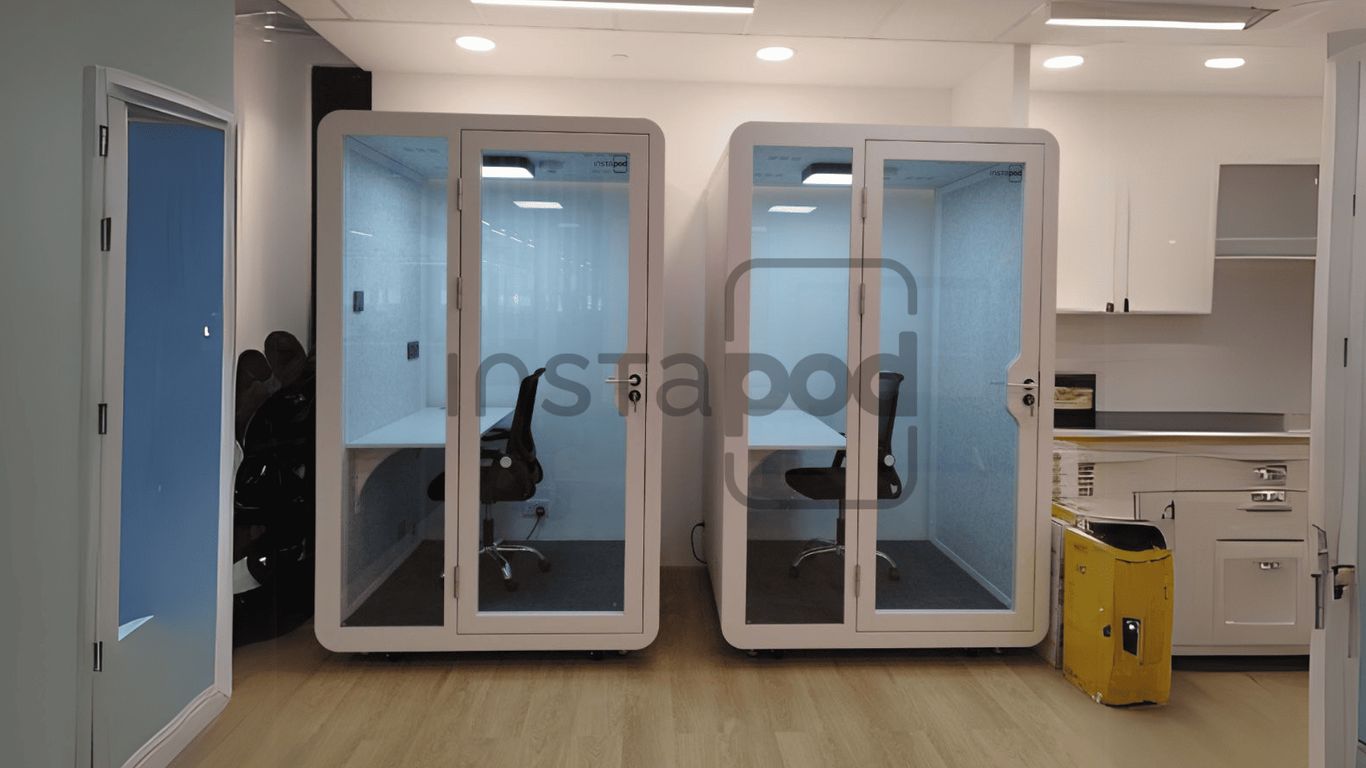
Trying to figure out if workplace pods are the answer for your hybrid workspace? You’re not alone. More people and businesses are looking for flexible, private spots to work—without the hassle and cost of a full renovation. Workplace pods are popping up everywhere, from home offices to open-plan company floors, because they’re easy to set up, move, and customize. But before you buy, it’s smart to think about what you really need, how you work, and how a pod might fit into your daily routine. Let’s break down the basics to help you decide if a workplace pod is right for you.
Key Takeaways
- Workplace pods give you a quiet, focused area without needing major construction or permanent changes.
- They’re flexible—great for solo work, video calls, or small group meetings, and can be moved if your needs change.
- Look for pods with good soundproofing, power options, proper lighting, and ventilation for comfort and productivity.
- Pods can help set clear work-life boundaries, especially for remote workers struggling to separate home and job.
- Compared to traditional renovations, pods are faster to install, often more affordable, and adapt better as your workspace evolves.
Understanding the Role of Workplace Pods in Hybrid Workspaces
Meeting Diverse Employee Needs
Workplace pods give employees options for how and where they work, meeting a wide range of personal and professional needs. Some folks need total quiet to concentrate, while others want a space to video chat or collaborate without disrupting the whole office. With pods, you can have both in the same place. Companies find that having a mix of pod sizes—think tiny booths for calls and larger rooms for team meetings—helps cover all the bases.
A few ways pods support different needs:
- Private calls or video meetings without office distractions
- Solo deep work zones for focused tasks
- Small meeting spaces for brainstorming or catch-ups
Pods are showing up everywhere, from big offices to coworking hubs and even home offices, offering flexible solutions for all kinds of workplace setups. Pods are customizable in size and function to fit various business goals.
The beauty of workplace pods is their ability to shift with your business—easy to move, easy to adapt, and ready as your team’s needs change.
Balancing Collaboration and Privacy
Open offices are noisy, but fully private offices feel isolating. Pods are that sweet spot in between, making it easier to blend group work and private focus time. Modular pods can become quick pop-up meeting spaces, or you can use individual pods for heads-down tasks without feeling fully cut off from coworkers.
Key points how pods bridge this gap:
- Pods create a quiet shell for those who need it, but you’re still nearby your team.
- Options like soundproof glass or switchable privacy panels let you control how connected or secluded you feel.
- Team pods support quick brainstorms without booking a huge conference room or disturbing others.
With the right setup, pods help teams work together when they want and split off when they need to—not one-size-fits-all, but a mix that supports real work lives.
Supporting Hybrid and Remote Work Trends
Hybrid work isn’t going away anytime soon. Teams might be half in the office, half remote, depending on the day. Pods help bridge those gaps, making sure everyone gets the workspace they need regardless of where they’re based. There’s a pod for almost every scenario: solo pods for video calls, shared pods for hybrid collaborations, and adjustable options for teams that grow or shrink over time.
A quick look at key benefits for hybrid work:
| Need | Pod Solution |
|---|---|
| Focus time | Solo acoustic pods |
| Video meetings | Sound-insulated call booths |
| Hybrid teamwork | Collaboration pods with tech |
More companies are looking for work pods that handle everything from privacy to tech integration, so employees feel supported and productive, no matter how their schedule or team changes.
These flexible rooms keep pace with modern work, allowing for more creativity and comfort throughout the day—and that’s something both employers and employees can appreciate.
Key Features to Look for When Choosing Workplace Pods
If you’re considering bringing workplace pods into your hybrid office, you’ll want to pay close attention to a handful of key features. Picking a pod isn’t just about finding something that looks modern—it’s about getting something that actually works for you and your team. Let’s talk through the big things to look for.
Sound Insulation and Acoustic Performance
When you slide into a pod to take a call, you expect some peace and quiet, right?
- Great sound insulation matters for privacy, focus, and clear video calls.
- Check the noise reduction rating before buying—sometimes the difference between ‘kind of muffled’ and ‘library silent’ is bigger than you’d think.
- If you mainly use pods for meetings, look for options that allow people on the outside to see in, but keep conversations private. Some modern pods use glass that can turn opaque at the push of a button.
| Pod Feature | What to Check |
|---|---|
| Wall Material | Sound rating, glass vs. solid |
| Door Seal | Tight or gapped? |
| Interior Finish | Soft surfaces absorb sound |
Your team will actually use pods much more if they can hop in, close the door, and instantly get away from the open office buzz.
Power, Connectivity, and Lighting Requirements
No one wants to hunt for outlets or sit in the dark. Here’s what makes a pod practical:
- Power outlets—think wall chargers, USB-C, and maybe even Ethernet if you still use it.
- Built-in lighting—ideally LED, and adjustable, since everyone hates harsh glare on a Zoom call.
- Network connectivity—reliable WiFi reception or built-in ports help keep tech headaches to a minimum.
Take the time to match tech features to your team’s workflow. Heavy video users will care more about strong lighting, while solo workers might just want a single power strip.
Ventilation and Ergonomic Design
Pods are small, but they should never be stuffy or cramped.
- Airflow really matters—you want fresh air so it’s comfortable to work for an hour (or three). Look for adjustable vents or silent fans.
- Ergonomic seating and desk height is also a must. Nobody likes a sore back or cramped legs. The best pods offer:
- Lighting should mimic daylight as much as possible to avoid eyestrain.
If comfort and ergonomics are overlooked, people just won’t use the pods—no matter how slick they look.
For more inspiration on space-saving and productivity-boosting pod features, keep employee well-being in mind while shopping. The right features mean you’ll get more focused work—and happier people—out of every pod you buy.
Evaluating Workplace Pods for Individual and Team Use
Picking the right working pods isn’t just about grabbing a booth and shoving it into a corner. Every workplace is different, and so are the ways people use these pods, whether it’s for heads-down tasks or huddles with teammates.
Solo Work vs. Group Collaboration Needs
The way you design your workspace can shape how productive and comfortable people feel. Some pods are made for quiet, focus-heavy work—picture a single person, headphones on, deep into spreadsheets or writing code. Others are more open, built for brainstorming sessions, quick catch-ups, or hybrid meetings.
- For solo use:
- Look for sound insulation to keep distractions out.
- Make sure there’s enough power for laptops, charging, and lighting.
- Prioritize ventilation and comfort for long stays.
- For group needs:
- Check pod sizing guidelines so everyone fits comfortably.
- Opt for panels or glass doors if you want to balance privacy with an open feel, as seen in adaptable office space options.
- Ensure there’s enough connectivity for video calls and presentations.
Choosing the Right Size and Layout
Not every office has wide open space, so a pod that’s too big could quickly feel out of place or block movement. Start by asking yourself:
- How many people need to fit inside at once?
- Are you planning for sit-down meetings, stand-ups, or quick calls?
- Do you want the pod to fully close off noise, or leave it a bit open for airflow?
Here’s a simple pod sizing table:
| Use Case | Pod Size (sq ft) | Capacity |
|---|---|---|
| Solo Focus | 15-25 | 1 |
| Small Team Meeting | 40-60 | 2-4 |
| Group Collaboration | 70+ | 5 or more |
Sometimes, it’s better to mix and match different pod sizes for a flexible workspace. You don’t want to trap people in a box if all they need is a quick private call.
Incorporating Technology and Hybrid Collaboration Tools
For lots of teams—especially those with remote members—tech is the glue that holds everything together. When shopping for working pods, it’s smart to plan for technology from the start. According to many modern pod designs, features like built-in screens, USB ports, and strong Wi-Fi can turn a simple booth into a rock-solid hub for hybrid work.
Things to include:
- Wide screens or display walls for easy video sharing
- Acoustic panels for crisp audio on calls
- Power outlets right where you need them
- Switchable privacy glass for sensitive meetings
Don’t just think about the pod—think about who’s using it, what they do there, and how it will actually fit into your daily workflow. The right choice makes everything easier; the wrong one can just get in the way.
How Workplace Pods Enhance Productivity and Well-being
Establishing Work-Life Boundaries
Workpods give you a dedicated, physical space for work—making it much easier to separate job time from personal time, even when you’re at home. It’s a game-changer when you’re living and working under the same roof. Instead of your work spilling out onto the couch or kitchen table, you just close the pod door at the end of the day and leave your to-dos behind. That physical boundary does wonders for your mental reset, helping you enjoy your evenings and weekends without work stress creeping in.
Key reasons people use workpods for boundaries:
- Clear start and stop times for work
- Reduced risk of burnout since work is less likely to bleed into personal life
- Makes it easier to stick to healthy routines and protect time off
Having a space that signals "work ends here" is often enough to help your brain switch gears, so you actually relax outside work hours.
Boosting Focus and Reducing Distractions
If you’ve ever tried tackling a deadline with background noise or household distractions, you know how tough it can be. Workpods, as described in modern workplace pod solutions, help cut down distractions and give you the quiet zone you need to concentrate. Whether it’s deep focus, a quick call, or just reading without interruptions, having a designated pod means you don’t waste energy fighting off noise or interruptions. The consistency—same lighting, same chair, same setup every day—helps lock in productivity habits and fight decision fatigue.
A quick look at what workpods do for focus:
- Blocks out background noise from open spaces or busy homes
- Helps you show up more professionally on calls and meetings
- Encourages routines that support better focus and time management
| Workplace Feature | Typical Office | Workpod Benefit |
|---|---|---|
| Background Noise | Often high | Minimal |
| Interruptions | Frequent | Low |
| Privacy for Calls/Meetings | Limited | High |
Promoting Employee Comfort and Health
Comfort is more than an afterthought—it has a direct effect on your ability to get work done. Well-designed workpods are built with real people in mind, so everything from desk height to airflow is considered. They often come standard with ergonomic seating, adjustable desks, and lighting that isn’t harsh on your eyes. Compare that to the makeshift setups we’ve all seen (laptops on kitchen stools, anyone?) and it’s clear why workpods are taking off—even for distributed teams, according to modular office pod benefits.
Key health and comfort features in top workpods:
- Ergonomic seating and desk height
- Adjustable task lighting
- Proper ventilation to avoid stuffiness
- Minimal visual clutter to keep stress down
Being comfortable at your workspace means fewer aches, less fatigue, and a better shot at staying focused even on long days. Over time, that really adds up for your well-being and output.
In short, the right workpod isn’t just about creating a silent bubble; it’s about making your work life healthier, more focused, and better balanced.
Comparing Workplace Pods to Traditional Office Renovations
Installation Speed and Flexibility
Nobody likes waiting weeks—or sometimes months—while their workplace gets torn up for renovations. Workplace pods, like an office telephone booth or larger pods, can be up and running in just a few hours. Most units don’t need permits and can be moved or reconfigured as needs change. Unlike fixed rooms, pods are designed for adaptability. Here’s a quick comparison:
| Feature | Workplace Pod | Traditional Renovation |
|---|---|---|
| Install Time | 1–2 hours, plug-and-play | Weeks–months, disruptive |
| Permits Needed | Rarely | Often required |
| Portability | Movable | Permanent/fixed |
| Ready for Hybrid Work | Yes: power, lights, airflow | Custom builds needed |
- Pods are easy to move if your layout changes.
- No need to tear down walls or change wiring.
- Quicker adjustments for growing or shrinking teams.
Fast setup means you don’t lose valuable work time waiting on construction crews or dealing with dust and noise in the office. Just plug it in and start working.
Cost-Effectiveness for Businesses and Individuals
When it comes down to money, renovations can be a shock. Costs quickly add up: materials, labor, permits—even downtime. With workplace pods, the investment is usually lower and more predictable. Most office pods, including office phone booths, cost thousands less than a full office buildout.
- Pods: Pay once, minimal maintenance, no hidden costs.
- Renovations: Risk of overruns, higher overall spend, plus ongoing upkeep.
- A pod’s built-in insulation often beats the cost and hassle of adding acoustic panels later.
- Great for renters—no permanent changes to the building.
Adaptability for Evolving Workspace Needs
Today’s offices need to flex as work styles shift. Maybe you need more meeting space one year and quiet zones the next. Pods let offices react without big expenses or delays. From solo work to team huddles, pods can be swapped, moved, or replaced as things change.
- You can match workspace design to employee needs, helping everyone do their best work.
- Different pod sizes accommodate groups and individuals without wasted space.
- As teams grow or shrink, you aren’t stuck with too many (or too few) fixed rooms.
With work demands changing so fast, pods are a practical way to keep your office layout as up-to-date as your business itself.
Choosing a flexible solution like a pod—whether an office phone booth for private calls or a mid-sized meeting pod for small teams—often makes more sense than locking in expensive, permanent changes.
Creating Inclusive and Accessible Workspace Environments with Pods
Designing a workspace everyone feels comfortable in is a challenge, but workplace pods give companies a lot more options to get it right. Pods help create private, focused spots inside busy offices—whether you like working solo or thrive on teamwork. But that’s just scratching the surface.
Ensuring Accessibility for All Workers
Let’s face it, a workspace only works if everyone can use it. Making pods accessible is more than a nice-to-have—it’s a must. Accessible pods include level thresholds for wheelchair entry, doors that open with minimal effort, and enough internal space for easy movement.
- Wide, barrier-free doorways for wheelchairs and walkers
- Controls for lights and fans set at reachable heights
- Space around the pod to allow turning or maneuverability
- Acoustic features that help folks with sensory sensitivities
Here’s a basic overview of pod accessibility features versus traditional cubicles:
| Feature | Standard Office Pod | Typical Office Cubicle |
|---|---|---|
| Wheelchair Access | Yes | Often Limited |
| Threshold Barriers | No | Sometimes Present |
| Sound Control | High | Low |
| Adjustable Lighting | Usually Included | Rare |
Even small changes in pod design—like swapping a door handle for a push bar, or lowering control panels—can make all the difference for real people, every day.
Accommodating Different Workstyles and Preferences
Office pods aren’t cookie-cutter. Some folks need absolute silence for deep concentration. Others prefer a cozy spot for brainstorming or video calls. Finding the right mix keeps both introverts and extroverts happy. If you’re juggling different work modes, pods let each person adjust the space to suit their needs without interfering with others.
- Solo work pods for heads-down tasks
- Two-person booths for collaborative calls
- Lounge-style pods with soft seating for creative breaks
Using adaptable solutions like work pods that support both solo focus and teamwork ensures each team member has what they need and helps maintain a lively, flexible office vibe.
Enhancing Office Aesthetics and Branding
Looks matter. A row of sleek pods with colors that match your company’s logo or finishing touches like subtle lighting can brighten up an otherwise boring floor. These aren’t just boxes—they add personality to a workspace and can even become a subtle way to reinforce your company’s brand identity.
- Custom exterior wraps or decals
- Biophilic design touches (integrated greenery or nature motifs)
- Built-in digital displays showing meeting schedules or company news
For some extra inspiration, pod designs can be as creative or as minimal as you like—anything from ultra-modern glass to cozy, fabric-covered enclosures. Pods can be both practical and pleasing to the eye, setting the right tone for visitors and employees alike. Take a look at how flexible, distraction-free workspaces combine both function and aesthetics for the modern office.
In the end, picking the right pods can mean the difference between an office where everyone feels at home and one where nobody quite fits. By considering accessibility, flexibility, and design, workplace pods can turn any hybrid workspace into a place people want to be.
Practical Considerations for Integrating Workplace Pods
Adding pods to an office isn’t as simple as dropping a box into a room. There are lots of moving parts—some physical, others financial—that will affect how successful they are.
Evaluating Space and Footprint Constraints
Workplace pods need the right balance between fitting in and standing out. Here are a few steps to think about before you order:
- Measure the available space carefully, including ceiling height, walkways, and emergency exits.
- Check if existing office furniture will need to be moved, or if the pod can fill unused corners.
- Consider how pod doors swing open—do they block anything important?
Here’s a quick comparison table to organize your evaluation:
| Pod Size Option | Seats | Floor Space (sq. ft.) | Fits Open Plan? | Fits Corner Nook? |
|---|---|---|---|---|
| Small | 1 | 18 | Yes | Yes |
| Medium | 2-4 | 35 | Yes | Sometimes |
| Large | 4+ | 55+ | Sometimes | No |
Blending Pods into Existing Office Designs
Pods can look awkward or totally integrated—it’s all about planning. Some tips to make them work with your office style:
- Choose pod colors that go with your wall paint or furniture.
- Pick models with windows or glass for more openness in smaller spaces.
- Add subtle branding, plant walls, or soft lighting to connect the pod design with your office theme.
- Before you buy, think about maximizing efficiency and teamwork by putting pods where people already meet or need quiet time most.
When a pod looks great and supports how people actually work, it feels like part of the office—more than just a box stuck in a corner.
Prioritizing ROI and Future-Proofing Your Workspace
Money matters, and so does flexibility. Before you spend, ask yourself:
- Could the pod be moved to another department or location if your needs shift?
- Does buying a pod cost less than building a permanent office?
- Are the materials and tech inside up to date, or will you need to swap parts soon?
- Can you expand or reconfigure pods if you hire more people or change layouts?
A pod that’s easy to move, quick to set up, and simple to change out is often a safer bet for the ever-shifting world of hybrid work. The less time it takes to get working and the more flexible it is, the better your investment holds up.
Making these decisions up front helps avoid regret—and unused, costly pods—down the road.
Conclusion
So, is a workplace pod the right fit for your hybrid workspace? Honestly, it depends on what you need and how you like to work. If you’re tired of distractions, want a bit more privacy, or just need a clear line between work and home, a pod could be a game changer. They’re quick to set up, easy to move, and don’t require you to tear up your living room or office. Some folks use them for deep focus, others for video calls, and plenty of people just like having a spot that feels like "work"—even if it’s only a few steps from the kitchen. At the end of the day, it’s about finding what helps you get your best work done. If a pod checks those boxes for you, it might be worth a try. If not, even carving out a small, dedicated space can make a big difference. Either way, the right setup is the one that actually works for you.
Frequently Asked Questions
What is a workplace pod?
A workplace pod is a small, enclosed space designed for work. It can be used for private calls, focused tasks, or small meetings. Pods help block out noise and distractions, making it easier to concentrate.
How do workplace pods help in a hybrid workspace?
Workplace pods give employees a choice between quiet, private work and open, team collaboration. In a hybrid office, pods let people have video calls or focus without bothering others. They also help remote workers create a real office space at home.
Are pods better than remodeling an office or home?
Pods are usually faster and cheaper to set up than a full remodel. Most can be installed in a few hours without construction. They’re also easier to move if you change locations, unlike permanent renovations.
What features should I look for in a workplace pod?
Look for strong sound insulation, good airflow, built-in power outlets, and comfortable lighting. Make sure the pod fits your space and meets your needs, like solo work or group meetings. Comfort and privacy are key.
Can workplace pods be used by teams, or are they just for one person?
Pods come in different sizes. Some are made for one person, while others fit small groups for meetings or teamwork. Choose the size and layout that matches how you and your team work best.
Are workplace pods accessible for everyone?
Many pods are designed to be accessible, with wide doors and enough space for wheelchairs. Some also have adjustable desks and seating. Always check the pod’s features to make sure it fits everyone’s needs.