No pods added to your quote request yet. Add some now for a free quote!
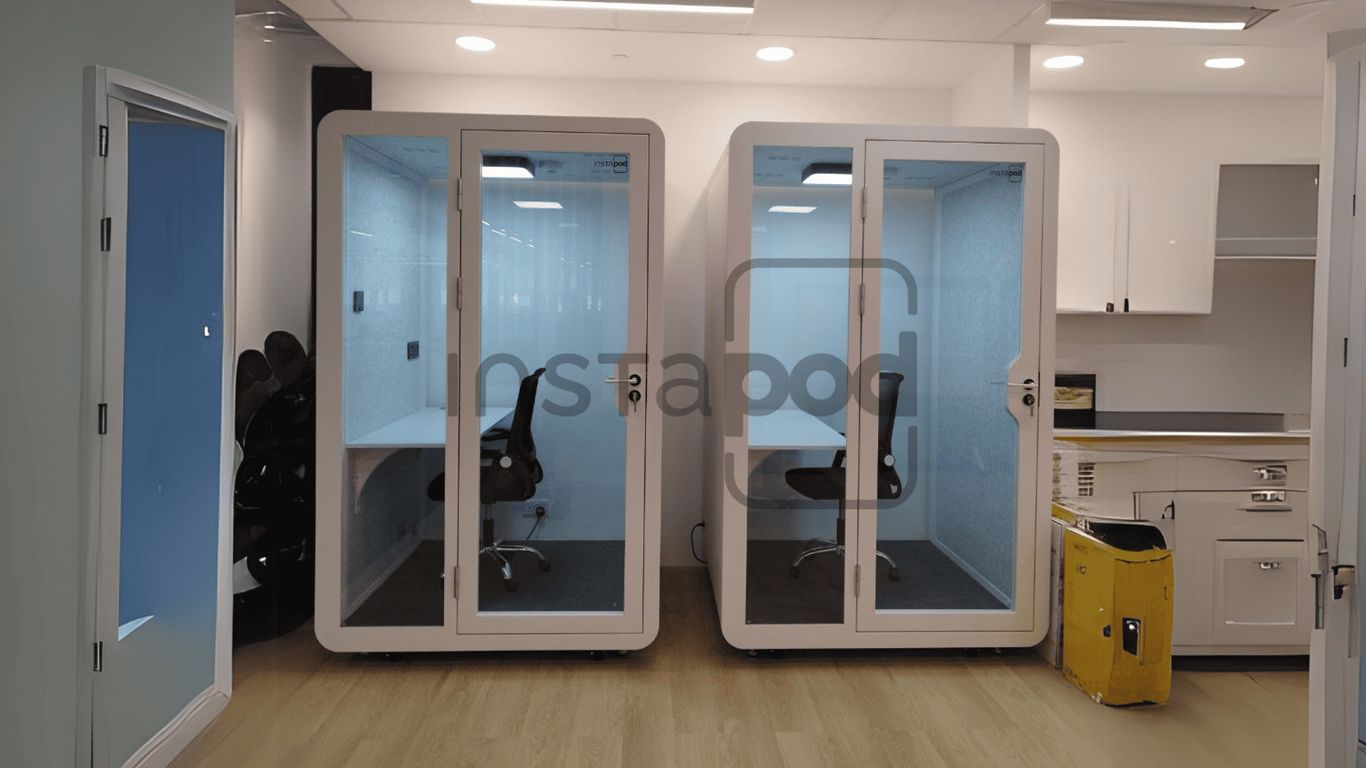
Thinking about adding a work booth to your office? It’s a big decision, and there’s a lot to think about before you jump in. These handy spaces can really change how your team works, but only if you pick the right one and put it in the best spot. We’re going to walk through everything you need to know to make sure your new work booth is a perfect fit for your company.
Key Takeaways
- Figure out where your work booth will go and how it fits into your office layout.
- Decide what you’ll use your work booth for – maybe quiet work, meetings, or something else.
- Look at what features your work booth should have, like good soundproofing or tech hookups.
- Plan how people will book and use the work booth.
- Check out different work booth styles to see what works best for your space and needs.
Assessing Your Office Booth Needs
Before you even start looking at different office pod Singapore options, it’s smart to figure out exactly what you need. Just buying a booth because it looks cool isn’t the best plan. You want it to actually help your team work better. So, let’s break down how to figure out what kind of booth, or maybe a few booths, will actually make a difference in your office.
Understanding Booth Purpose and Functionality
Think about why you’re getting these booths in the first place. Are people constantly complaining about noise making it hard to focus? Do you have a shortage of small meeting spaces? Identifying these pain points is the first step. An office pod can serve many purposes, from a quiet zone for deep work to a private space for important calls. It’s about solving a problem, not just adding furniture.
- Quiet Work Zone: For tasks requiring concentration without distractions.
- Private Calls/Video Meetings: Offering a soundproof space for sensitive or professional conversations.
- Small Team Huddles: A quick, informal spot for brainstorming or brief discussions.
- Focus Area: A temporary escape from the open office buzz.
The most effective work booths are those that directly address a specific need within your workplace. Don’t guess; ask your team what they struggle with.
Identifying Employee Requirements
Your employees are the ones who will be using these booths, so their input is super important. You could send out a quick survey or just chat with different teams. What are their biggest daily frustrations related to their workspace? Do they need more privacy? Better acoustics? A place to take a personal call without everyone overhearing? Understanding these individual needs will help you choose the right type of office pod and features.
Determining Booth Usage Scenarios
Once you know the general purpose and what your employees need, think about how the booths will actually be used throughout the day. Will they be occupied back-to-back, or will there be gaps? Are they for short, 15-minute calls, or longer, hour-long work sessions? This helps determine how many booths you might need and what kind of booking system, if any, would be best. For example, if they’re mostly for quick calls, maybe a simpler, always-available setup works. If they’re for focused work, a booking system might be necessary to avoid conflicts.
Strategic Work Booth Placement
So, you’ve figured out you need work booths and what they’ll be used for. Great! Now comes the part where you decide where these little havens of productivity will actually live in your office. This isn’t just about finding an empty spot; it’s about making sure people actually use them and that they don’t end up being more of a nuisance than a help. Let’s get into it.
Evaluating Available Office Space
First things first, you need to take a real, honest look at your office floor plan. Don’t just guess. Grab a measuring tape and get actual dimensions. Where are the dead zones? Are there areas that are naturally quieter, maybe tucked away from the main hustle and bustle? These spots are often goldmines for booth placement. Also, think about how people move around your office. You don’t want to plop a booth right in the middle of a main walkway, creating a bottleneck. It defeats the purpose of a calm space if everyone’s bumping into it. The goal is to find space that’s underused or can be repurposed without disrupting the natural flow of your workplace.
Integrating Booths into Office Aesthetics
Nobody wants their office to look like a bunch of random boxes were just dropped in. Your work booths should feel like they belong. Consider the overall vibe of your office. Is it sleek and modern? Or more cozy and traditional? If you’ve got clean lines and minimalist decor, you’ll probably want booths that match. If your office has warmer colors and softer textures, look for booths that complement that. It’s about creating a cohesive look that makes the whole space feel more intentional and put-together.
Optimizing Location for Accessibility and Noise
Where you put these booths can seriously impact how often they’re used and how effective they are. Think about what makes a spot good. Is it close to where people take breaks, like the coffee machine? That’s convenient. Is it away from the noisy printer or the area where the sales team has their loud calls? That’s even better. You want to balance convenience with peace and quiet.
Here are a few things to consider:
- Proximity to Team Areas: Sometimes, having a booth close to a team can be good for quick, private chats, but make sure it doesn’t add to the noise level of that area.
- Away from High Traffic Zones: Placing booths in less-trafficked areas helps maintain a quieter atmosphere.
- Near Natural Light: If possible, placing booths near windows can make them feel more pleasant and less claustrophobic.
- Accessibility for All: Make sure the chosen spots are easy for everyone to reach, regardless of mobility.
Picking the right spot isn’t just about finding an empty corner. It’s about understanding how your team works, where the noise is, and how to make these new additions feel like a natural, helpful part of the office environment. A little planning goes a long way.
Essential Work Booth Features
When you’re looking at work booths, especially those sound proof pod options, it’s not just about the shell. What’s inside and how well it blocks out noise really matters. You want a space that actually helps people focus, not just another spot to get distracted.
Prioritizing Sound Isolation
This is probably the biggest reason people look into work booths. In a busy office, background chatter, phone calls, and general office noise can make deep work impossible. A good sound proof pod should significantly cut down on ambient noise. Look for booths with solid construction and good seals around the doors and windows. Some booths are designed for basic noise reduction, while others aim for near-total silence. Think about what you really need – is it just to muffle conversations, or do you need a space for sensitive calls or recordings?
- Check the materials: High-density foam or acoustic panels can make a big difference.
- Look at the seals: Gaps around doors and windows are weak points for sound.
- Consider the purpose: A booth for quick calls has different sound needs than one for confidential meetings.
The effectiveness of a sound proof pod is often measured by its Sound Transmission Class (STC) rating. Higher STC ratings mean better sound blocking.
Selecting Appropriate Furnishings
What goes inside the booth needs to match its intended use. A booth meant for quick, solo calls might just need a small stool and a shelf. But if it’s for longer focus sessions or small meetings, you’ll want more. Think about comfort and practicality.
- Seating: Comfortable chairs or benches are a must for longer stays.
- Work Surface: A small desk or table is helpful for laptops or notepads.
- Lighting: Good, adjustable lighting can prevent eye strain.
Considering Ventilation and Comfort
Nobody wants to work in a stuffy, hot box. Good airflow is key to making a work booth a pleasant place to be. Without it, people will avoid using it, no matter how quiet it is. Look for booths that have active ventilation systems, not just passive vents. This ensures fresh air is circulating, keeping the space comfortable even when occupied for a while. It’s a simple thing, but it makes a huge difference in how usable the booth is throughout the day.
Technology Integration in Work Booths
When you’re thinking about work booths, it’s not just about the walls and a chair. You’ve got to consider what tech goes inside, or what you’ll need to bring in. Making sure your booths are set up for modern work is pretty important if you want them to be actually useful.
Choosing Tech-Equipped Booths
Some booths come ready to go with built-in tech. These are great if your team relies heavily on digital tools. Think about what your employees actually do all day. Do they spend hours on video calls? Do they need to plug in multiple devices at once? Tech-equipped booths often include:
- Integrated power outlets and USB charging ports.
- Built-in monitors or screens for presentations or video conferencing.
- Sometimes, even dedicated video conferencing equipment.
These can save a lot of hassle, meaning people can just walk in and get straight to work without hunting for an outlet or setting up their own gear.
Opting for Minimalist Designs
On the flip side, maybe your team prefers a simpler setup. Minimalist booths are designed for focus, with fewer distractions. They might just have a comfortable seat and a small surface. The idea here is that technology is readily available elsewhere in the office, or employees prefer to use their own laptops and tablets without extra built-in screens. This approach can be good for spaces where the primary goal is just a quiet escape from the main office buzz.
| Feature | Tech-Integrated Booths | Minimalist Booths |
|---|---|---|
| Power Outlets | Usually built-in | Often optional |
| USB Ports | Commonly included | Less common |
| Built-in Monitor | Yes | No |
| Video Conferencing | Often integrated | Not included |
| Primary Use | Tech-heavy tasks | Focused work |
Ensuring Connectivity and Power Access
No matter which type of booth you choose, connectivity is key. You don’t want people going into a booth only to find out their phone won’t charge or the Wi-Fi signal is weak. Make sure there are:
- Reliable Wi-Fi access points nearby or built into the booth.
- Sufficient power outlets for laptops, phones, and other devices.
- Consider USB ports for convenient charging.
It’s easy to overlook the simple things like power and internet when you’re looking at fancy booth designs. But honestly, if a booth doesn’t have good Wi-Fi and a place to plug in your laptop, it’s not going to get used much. People need to be able to do their work, and that means staying connected and powered up. Think about it like a car – it looks great, but if it can’t start, it’s just taking up space.
When planning, think about how many devices people typically use. A single outlet might not cut it if someone needs to charge their laptop, phone, and tablet all at once. It’s better to have a few extra options than not enough.
The Financial Benefits of Work Booths
Cost-Effectiveness Compared to Construction
Let’s talk money. Building out new private offices or meeting rooms can get seriously expensive, fast. You’re looking at construction crews, permits, materials, and a whole lot of disruption. Work booths, on the other hand, are a much more budget-friendly way to add dedicated quiet spaces. They arrive mostly assembled, so installation is quick and doesn’t turn your office into a construction zone. This means less downtime and fewer headaches. Plus, they’re often considered capital expenses, which can offer tax advantages down the line. It’s a smart move if you need more functional space without the massive price tag of traditional building.
Reducing Reliance on Traditional Meeting Rooms
Think about how often your big conference rooms are booked for just two people, or worse, sit empty while someone desperately needs a quiet spot for a call. Work booths can really help with that. They provide readily available, smaller spaces for focused work or quick chats. This frees up those larger, more resource-intensive meeting rooms for the bigger gatherings they’re actually designed for. Less wasted space and fewer resources used on oversized rooms means real savings on utilities and better overall office efficiency.
- Frees up larger meeting rooms for bigger groups.
- Reduces wasted space and utility costs.
- Provides on-demand meeting spaces for smaller teams.
Maximizing Existing Office Space
Sometimes, the best way to get more out of your office isn’t to expand, but to use what you have more smartly. Work booths can transform underutilized corners or open areas into productive zones. They give employees options for where and how they work, which can boost morale and output. Instead of having dead space, you have functional pods that cater to different work styles. This flexibility means you can adapt your office layout as your needs change, without needing major renovations.
Work booths offer a flexible and cost-effective solution for creating private workspaces, allowing businesses to adapt their office environment without the significant investment and disruption associated with traditional construction.
Types of Work Booth Designs
When you’re looking at work booths, you’ll see there are quite a few different styles out there. It’s not a one-size-fits-all situation, and picking the right kind really depends on what your team actually needs to get done. Think about how much privacy people need, whether they’ll be working alone or with others, and if they’ll be on calls or just focusing on tasks.
Exploring Enclosed Booth Options
These are the ones that completely surround you, like a little private room. They offer the most privacy and the best sound blocking, which is great if you’ve got sensitive calls to make or if you just need to really concentrate without any distractions. They’re like a personal sanctuary in a busy office. You can get them in different sizes, from single-person units to ones that can fit a couple of people for a small, private chat.
Considering Semi-Shielded Designs
These booths are a bit more open. They might have walls that don’t go all the way to the ceiling, or maybe they have an open front. They give you some personal space and can cut down on noise a bit, but they’re not as isolating as the fully enclosed ones. They’re a good middle ground if you need a bit of quiet but don’t need total silence. Think of them as a good spot for quick check-ins or focused work where you don’t mind a little background office hum.
Evaluating Open Booth Configurations
Open booths are the least private. They might just be a desk with a high back or a couple of chairs with a low divider. They don’t offer much in the way of sound blocking, but they can still help define a personal workspace in an open-plan office. These are best for really quick tasks, like jotting down notes or a very brief, casual chat where privacy isn’t a concern at all. They’re more about creating a visual separation than anything else.
Here’s a quick look at how they stack up:
| Design Type | Privacy Level | Sound Isolation | Best For |
|---|---|---|---|
| Enclosed | High | High | Focused work, private calls, sensitive tasks |
| Semi-Shielded | Medium | Medium | Casual meetings, focused work with some noise |
| Open | Low | Low | Quick tasks, brief chats, defining space |
When you’re deciding, really think about the day-to-day activities of your employees. What are they struggling with? Are they constantly interrupted? Do they have trouble finding a quiet spot for important calls? The design you choose should directly address these issues to be truly useful.
Managing Work Booth Usage
Implementing Booking Systems
So you’ve got these cool work pods, but how do you stop them from becoming a free-for-all? A booking system is pretty much a must. It stops people from just wandering in and finding a booth already in use, or worse, someone hogging one for hours when others need it. Think about integrating it with your existing calendar software, like Outlook or Google Calendar. This makes it super easy for people to see availability and reserve a spot right from their own computer or phone. It’s all about making the process smooth and fair for everyone.
- Check availability at a glance.
- Reserve a specific time slot.
- Avoid double bookings.
- Manage usage remotely.
Establishing Usage Guidelines
Beyond just booking, you need some ground rules. What’s the time limit for a booth? Are they for calls only, or can people do focused work? What about food and drink? Setting clear expectations helps keep things running smoothly and prevents frustration. These guidelines should be visible and easy to understand.
- Set clear time limits (e.g., 1-hour maximum per booking).
- Define acceptable uses (e.g., quiet work, video calls, phone calls).
- Outline etiquette (e.g., keep noise levels down, clean up after yourself).
- Specify booking procedures (e.g., how far in advance can one book?).
Ensuring Data Security
If your work pods have any tech built-in, like screens or charging ports, you need to think about security. This isn’t just about physical security, making sure no one messes with the equipment. It’s also about data. If someone plugs in a laptop, you want to make sure there are no viruses or malware passed around. For booths with screens, consider privacy filters so sensitive information isn’t visible to passersby. It’s a bit of an extra step, but it’s important for protecting both company and personal data.
Keeping your work pods secure means thinking about both the physical space and the digital information that might pass through it. It’s about creating a safe haven for focused work without introducing new risks.
Wrapping It Up
So, you’ve looked at all the ins and outs of work booths. They can really make a difference in how your office runs, giving people a needed quiet spot or a place for quick chats. But remember, it’s not a one-size-fits-all thing. Think hard about where it’ll go, what your team will actually use it for, and what features are a must-have. Get those details sorted, and you’ll be well on your way to picking a booth that actually helps your team get more done and feel better about their workspace. It’s about making a smart choice that fits your specific office vibe and needs.
Frequently Asked Questions
Where’s the best spot to put a work booth in my office?
Think about how much room you have and how you want the booth to look. Do you want it to be a cool centerpiece or tucked away? The best spot depends on your office layout and how people will use it. It’s smart to figure this out before you buy, so the booth fits in nicely.
What are work booths good for?
Work booths are super useful! Your team might need a quiet place to really focus without distractions. Or, maybe you need more small spots for quick chats or meetings. Some people even use them for recording things like podcasts. Ask your team what they need most.
What important things should my work booth have?
It’s not just about looks! Think about what you’ll do in the booth. If it’s for quiet work, a comfy seat and desk are key. If it’s for meetings, more seating might be needed. Also, make sure it blocks out noise well and has power for gadgets.
How can I make sure people use the booths the right way?
You’ll need a system for how people book and use the booths. Will they be open all the time, or do people need to reserve them? Using an app or a shared calendar can make it easy. It’s also important to keep any information safe.
Are work booths cheaper than building new rooms?
Yes, often they are! Instead of major construction, you can just place a booth. This usually costs less and is much faster. It’s a great way to add useful space without a big renovation project.
What different kinds of work booths are there?
There are many styles! Some are fully enclosed for total quiet, others are partly open, and some are quite open. You can also find booths with lots of tech built-in, or simpler ones. The best type depends on what your office needs.