No pods added to your quote request yet. Add some now for a free quote!
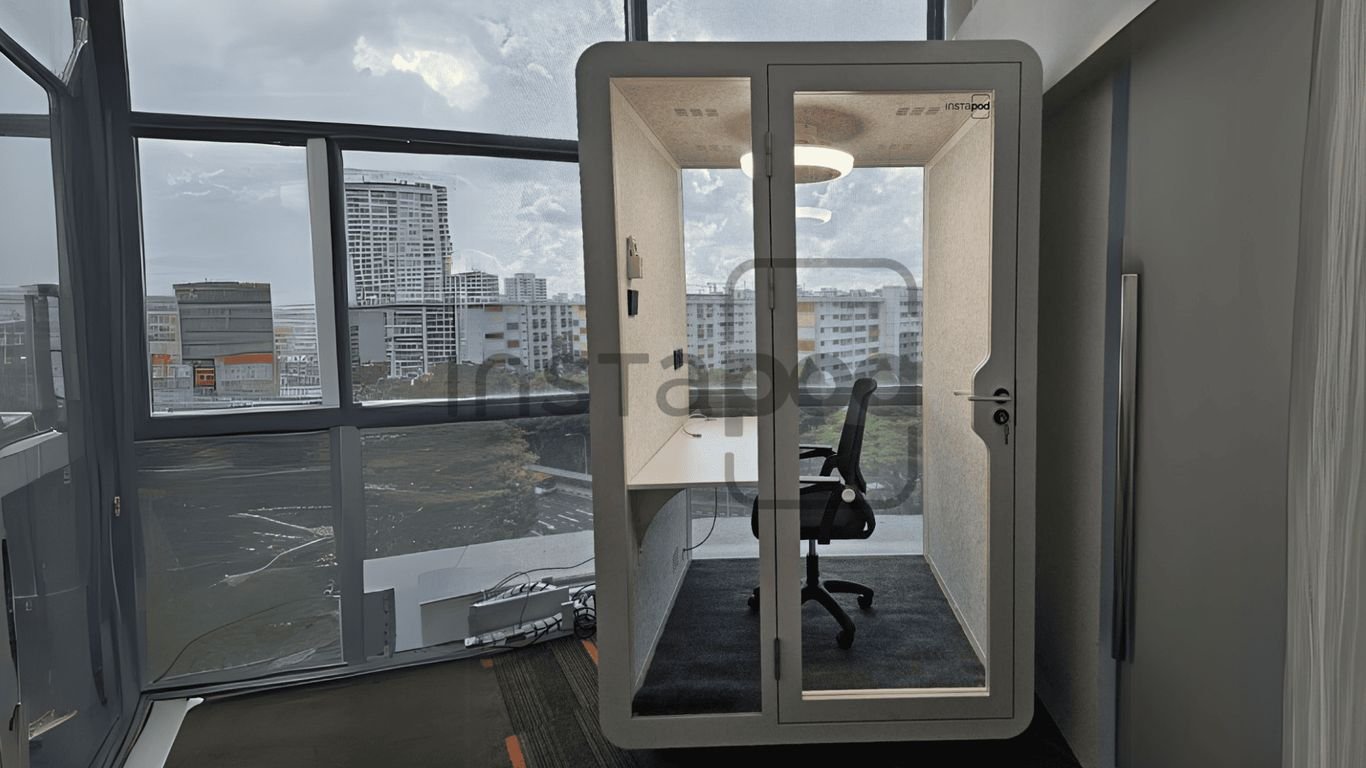
Offices in Singapore are changing, and it’s not just about new paint or fancier coffee machines. A big part of this shift involves these things called work pods. You know, those little enclosed spaces that are popping up everywhere. They’re becoming a pretty big deal for how people get their work done these days, especially with how offices used to be. Let’s break down why these work pods are really reshaping the whole office scene here.
Key Takeaways
- Work pods are helping solve common problems found in open-plan offices, like too much noise and lack of privacy.
- The rise of remote and hybrid work models means people need more flexible and private spaces, which work pods provide.
- There are different kinds of work pods available, from small booths for calls to larger ones for small teams, fitting various needs.
- Many different types of businesses in Singapore, like tech startups and large corporations, are using work pods to make their offices better.
- When choosing work pods, it’s important to think about your specific office needs, what features you want, and whether fixed or modular options are best.
The Evolution Of Work Pods In Singapore
Remember the old office days? Rows of desks, maybe a cubicle if you were lucky, and the constant hum of activity. That picture is changing, fast. Singapore’s offices are seeing a big shift, and workplace pods are a major part of that. It’s not just about having a place to sit anymore; it’s about how we work and what we need to do our best.
From Open Office Challenges To Private Spaces
Open-plan offices became really popular for a while, aiming to get everyone talking and collaborating more. But, let’s be honest, they came with their own set of headaches. The constant chatter, ringing phones, and general office buzz made it tough to actually get any deep work done. You’d try to focus, but then someone’s loud conversation would pull you right out of it. It was a trade-off: more interaction, but less concentration. These pods emerged as a direct answer, offering a quiet escape within the busy open space. They provide that much-needed privacy for focused tasks or sensitive calls, without completely isolating people.
Impact Of Remote Work And Hybrid Models
The whole remote and hybrid work thing really accelerated the need for flexible office solutions. After getting used to the quiet and privacy of working from home, going back to a noisy open office felt like a step backward for many. Companies realized they needed to make the office appealing again, a place that offered benefits beyond just a physical location. Pods fit perfectly into this. They give employees a dedicated, private spot for video calls, focused work, or even just a moment of quiet reflection during a busy hybrid workday. It’s about adapting the office to the new reality of how and where people work.
Technological Advancements In Pod Design
Office pods aren’t just simple boxes anymore. They’ve come a long way from basic soundproof booths. Today’s pods are often pretty sophisticated. Think built-in screens for quick presentations, ample power outlets and USB ports to keep devices charged, and comfortable, ergonomic furniture. Many are also designed with better ventilation systems to keep the air fresh. Plus, the modular designs mean they can be moved and reconfigured as office needs change, which is a big plus for businesses that like to stay flexible.
Understanding The Shift Towards Flexible Workspaces
The old way of doing things, with endless rows of desks in an open-plan office, just isn’t working for everyone anymore. People need different kinds of spaces to get their best work done. Think about it: sometimes you need absolute quiet to really focus on a big project, and other times you might need a spot for a quick, private chat without broadcasting your conversation to the whole floor. This is where the idea of flexible workspaces, and specifically work pods, comes into play. It’s about moving away from a one-size-fits-all approach to office design and creating an environment that actually supports the varied tasks we do every day.
Addressing Open-Plan Office Challenges
Open-plan offices were supposed to make us collaborate more, right? And sometimes they do. But they also come with a whole host of problems. The constant noise from chatter, phones ringing, and keyboards clacking can be a major distraction. Finding a quiet corner to concentrate can feel impossible. Plus, privacy is a big issue. Having sensitive conversations or even just a video call can be awkward when everyone can potentially overhear.
- Noise pollution: Constant background chatter makes deep focus difficult.
- Lack of privacy: Difficult to have confidential calls or discussions.
- Distractions: Easy to get pulled away from tasks by visual or auditory interruptions.
The traditional open office, while aiming for connection, often ends up creating a noisy, distracting environment that hinders individual productivity and erodes personal privacy.
The Need For Privacy And Focus
This is where work pods really step in. They offer a dedicated, enclosed space where you can escape the general office buzz. Whether it’s for a crucial client call, a virtual meeting, or just an hour of uninterrupted deep work, these pods provide that much-needed sanctuary. They are designed to offer acoustic privacy, meaning your conversation stays within the pod, and you don’t have to worry about disturbing others or being disturbed yourself. It’s a simple solution that makes a huge difference in daily work life.
Creating Seamless Work Environments
The goal is to make the office work for you, not against you. This means having a variety of spaces available. You might start your day in a quiet pod for focused work, then move to a small meeting pod for a quick team sync, and perhaps use a larger booth for a client presentation. The idea is that switching between these different work modes feels natural and easy. It’s about giving people the choice and the tools to be productive, no matter what they’re working on. This thoughtful mix of spaces, including these pods, helps build an office that truly fits the way we work today.
| Task Type | Ideal Space |
|---|---|
| Deep Concentration | Acoustic Work Pod |
| Private Phone Call | Soundproof Booth |
| Small Team Meeting | Compact Meeting Pod |
| Video Conference | Equipped Pod |
Key Drivers Behind The Growing Popularity Of Work Pods
So, why are these work pods suddenly everywhere in Singapore? It’s not just a trend; it’s a response to real needs in today’s workplaces. Offices have changed a lot, and what worked before just doesn’t cut it anymore. People need different things from their workspace, and pods are stepping in to fill those gaps.
Solving Open-Plan Office Distractions
Remember the days of endless rows of desks? Open-plan offices were supposed to encourage collaboration, but let’s be honest, they often just created a lot of noise. Constant chatter, phone calls, people walking by – it’s a recipe for distraction. Trying to focus on a complex task or have a private conversation in that environment is tough. Work pods offer a simple solution: a dedicated, quiet space where you can actually concentrate without interruption. They act like personal sanctuaries within the larger office.
- Reduced Noise Levels: Pods are designed with sound dampening materials to minimize external noise.
- Minimized Visual Distractions: Enclosed spaces help people avoid getting sidetracked by movement around them.
- Improved Focus: Employees can dedicate their attention to tasks requiring deep concentration.
The constant buzz of an open office, while sometimes energetic, can be a major drain on productivity for many. Having a readily available quiet zone allows individuals to reclaim their focus and get important work done without feeling overwhelmed.
Accommodating Hybrid Work Models
With more people working from home some days and in the office others, offices need to be more flexible. Not everyone needs a permanent desk anymore. Work pods are perfect for this. They can be used by different people at different times. Someone might book a pod for a few hours to work on a project, or use it for a video call with their remote team. This flexibility means companies can make better use of their office space without needing as many fixed workstations.
Enhancing Employee Well-being
Beyond just productivity, work pods contribute to overall employee happiness and well-being. Having a private space to take a personal call, have a confidential discussion, or simply decompress for a few minutes can make a big difference. It gives employees a sense of control over their environment and reduces the stress that can come from feeling constantly exposed or on display. When people feel more comfortable and respected, they tend to be more engaged and satisfied with their jobs. It’s about creating an office that supports people, not just houses them.
Choosing The Right Office Pods For Your Singapore Office
So, you’re looking into getting some office pods for your Singapore workspace. That’s a pretty smart move, honestly. But with all the different kinds out there, picking the right ones can feel a bit much. It’s not just about grabbing the first pod that catches your eye; you really need to think about what’s going to work for your team and the space you’ve got. Getting this right now means fewer headaches down the road.
Assessing Your Specific Workspace Needs
Before you even start browsing, take a good look at your current office setup and what your employees actually do day-to-day. Are people always on calls that need a bit of quiet? Do teams need a spot for quick chats without bothering everyone else? Maybe you just need a few quiet corners for people to really focus on their tasks. Figuring out these daily needs is the first step. Think about how many people will use the pods, what they’ll be used for, and how much room you actually have. It’s about solving problems, not just adding furniture.
Considering Size, Style, and Functionality
When you’re looking at different office pod singapore options, keep these points in mind:
- Size and Capacity: Will it be for one person needing to focus, or a small group for a quick meeting? Make sure it fits comfortably without taking up too much valuable floor space.
- Acoustic Performance: If quiet is the goal, check how well the pod actually blocks out noise. Look for specs on sound dampening.
- Interior Features: What do you need inside? Basic seating, a small desk, power outlets, good ventilation, or even built-in tech like screens?
- Aesthetic Fit: Does it need to blend in with your existing office decor, or are you looking for something that stands out?
The right pod should feel like a natural extension of your office, not an afterthought.
Understanding Fixed Versus Modular Options
This is a big one. Do you need something permanent, or do you think your office layout might change?
- Fixed Pods: These are installed in one spot and generally stay put. They’re a good choice if your office layout is pretty stable and you don’t anticipate major changes.
- Modular Pods: These are designed to be moved around or reconfigured. They’re a great option if you value flexibility and think your office needs might evolve over time. They offer a versatile solution for modern workplaces.
Ultimately, the choice between fixed and modular depends on your company’s long-term plans and how you see your workspace evolving.
Industries Embracing Work Pods In Singapore
It’s not just the tech startups that are jumping on the work pod bandwagon. Across Singapore, a whole range of businesses are figuring out how these little private spaces can make their offices work better.
Corporate Offices and Their Adaptations
Big corporate offices, especially those that went all-in on the open-plan idea, are finding that pods are a lifesaver. You know, the kind of office where you can hear everyone’s phone calls and keyboard clicks? Yeah, those. Companies are installing sound proof pods and work booths to give employees a much-needed escape for focused work or private conversations. It’s a practical way to fix the noise and distraction issues that come with open layouts. Plus, it helps accommodate different work styles and the rise of hybrid schedules where people aren’t always at their desks.
Co-working Spaces and Member Experience
Co-working spaces, which are all about flexibility, are also seeing the value. They often have a mix of freelancers, small teams, and remote workers. Adding pods means they can offer members a professional, quiet spot for important calls or video conferences without having to book a whole meeting room. This really ups the game for the overall member experience, making the shared space feel more professional and accommodating.
Healthcare and Educational Sector Applications
Even places like hospitals and schools are getting in on it. In healthcare, a sound proof pod could be a private consultation room for doctors, or a quiet corner for nurses to handle paperwork away from the busy wards. For schools, think of study pods where students can really concentrate on their assignments without the usual campus buzz. Faculty can also use them for quick meetings. It shows just how adaptable these pods are.
Here’s a quick look at how different sectors are using them:
- Corporate: Reducing noise, providing focus zones, supporting hybrid work.
- Co-working: Enhancing member services, offering private call spaces.
- Healthcare: Creating private consultation areas, staff quiet zones.
- Education: Providing student study nooks, faculty meeting spots.
The trend shows that work pods aren’t just for taking quick calls anymore. They’re becoming versatile tools that solve specific problems in diverse work environments, from bustling corporate floors to quieter academic settings.
Real-World Success Stories Of Work Pods
Innovation in Tech Startups
Tech startups are always on the hunt for ways to get ahead, and work pods have become a go-to tool for many. Take, for instance, a fast-growing software company that found adding pods significantly improved their development process. Their engineers could huddle together to work on complex code without the usual office buzz getting in the way. Designers also found these pods to be perfect, soundproof spots for deep concentration. The company reported that this setup not only sparked more creative ideas but also noticeably boosted how much work got done. Plus, it was a much more budget-friendly option than trying to build out permanent private offices. It really was a win-win situation for them.
Productivity Gains in Corporate Giants
Even the big players are getting in on the pod action. Companies like Google have integrated pods to support different ways of working. Employees often use them to step away from the general office noise and really zero in on individual projects. Placing these pods strategically near team areas makes it easy for people to switch between focused solo work and quick team check-ins. Amazon, on the other hand, has found pods particularly useful for their hybrid workforce – those employees who split their time between home and the office. Their pods are often equipped with video conferencing gear, making it simple for remote team members to connect with colleagues present in the office. This shows that even large corporations recognize the value pods bring in making employees feel more content and productive.
The Future Of Office Design With Workplace Pods
So, what’s next for office spaces in Singapore? It’s pretty clear that the days of one-size-fits-all layouts are fading fast. We’re seeing a big shift towards designs that actually support how people work now, not how they worked twenty years ago. This is where workplace pods are really starting to shine, shaping what offices will look like for years to come.
Adapting To Hybrid Work Models
Hybrid work isn’t just a buzzword anymore; it’s a reality for many. Offices need to be flexible enough to accommodate people who are in a few days a week and those who might be in less often. Think about it: someone working from home might need a quiet spot for a video call when they come into the office, without disturbing everyone else. That’s where small, dedicated spaces like office telephone booths or larger workpods become super useful. They offer that private zone needed for focused tasks or important calls, bridging the gap between home and the office.
Here’s a quick look at how pods fit into hybrid setups:
- Privacy for Calls: Employees can take sensitive calls without background noise.
- Focused Work Zones: Dedicated spots for deep concentration away from office chatter.
- Flexible Meeting Spaces: Small pods can be used for impromptu team huddles.
The integration of office pods is about more than just adding furniture; it’s about rethinking how physical space supports different work activities. It acknowledges that not all work happens at a desk and that providing varied environments can lead to better outcomes for both employees and the company.
Boosting Overall Office Efficiency
Work pods are great for getting stuff done because they cut down on distractions. Think about it: open offices are noisy. People are always walking around, chatting, or on the phone. It’s hard to concentrate! Work pods give employees a quiet place to focus on tasks that need their full attention. This can lead to better work quality and faster completion times. It’s like having a mini-office within the office. Plus, many modern pods come with built-in tech like power outlets and USB ports, turning them into fully functional mini-workstations.
Supporting Diverse Work Styles
Ultimately, the goal is to create an office that just works for everyone. This means having spaces that cater to different needs throughout the day. You might need a quiet pod for deep concentration in the morning, then move to a collaborative area for a team huddle, and perhaps use a larger meeting booth later on. The key is that these transitions feel natural and supported by the office design. It’s about giving employees the choice and the tools to work effectively, no matter their task or style. This thoughtful integration of different types of spaces, including various workpods, is what will define the modern, productive workplace in Singapore.
| Feature | Benefit |
|---|---|
| Soundproofing | Reduced distractions, increased focus |
| Power/USB Outlets | Convenient device charging, uninterrupted work |
| Ergonomic Seating | Improved comfort during longer tasks |
| Smart Booking System | Easy access and efficient space utilization |
It looks like these office pods are really changing things up in Singapore workplaces. It’s not just about having a quiet spot to take a call anymore. Companies are seeing that giving people these flexible spaces helps them do better work and feel happier about where they work. It’s a pretty smart move for businesses that want to keep their best people around. This whole pod thing isn’t just a passing fad; it seems like it’s here to stay and will keep shaping how we think about offices.
Wrapping It Up
So, it looks like these office pods are really changing things up in Singapore workplaces. It’s not just about having a quiet spot to take a call anymore. Companies are seeing that giving people these flexible spaces helps them do better work and feel happier about where they work. It’s a pretty smart move for businesses that want to keep their best people around. This whole pod thing isn’t just a passing fad; it seems like it’s here to stay and will keep shaping how we think about offices.
Frequently Asked Questions
What exactly are work pods and why are they becoming popular in Singapore?
Work pods are like small, private rooms you can put inside a bigger office. Think of them as mini-offices or quiet booths. They’re getting popular in Singapore because open-plan offices can be really noisy and distracting. Pods give people a quiet place to focus on their work, take important calls, or have private chats without bothering others. They help make the office a better place for everyone to get their tasks done.
How do work pods help with the problems of open-plan offices?
Open-plan offices are great for talking to people, but not so great for concentrating. There’s always noise from conversations, phones ringing, and people typing. This makes it hard to do deep work. Work pods are like soundproof boxes that block out that noise. They give you a quiet escape so you can really focus on what you need to do, like writing a report or studying for a test.
Are work pods useful for people who work from home sometimes and in the office other times (hybrid work)?
Yes, absolutely! Hybrid work means people aren’t in the office every day. When they do come in, they might need a quiet space for video calls or focused work, just like they would at home. Work pods provide that private space without needing a whole separate room. They help make the office useful for all sorts of tasks, even if someone is only there a few days a week.
What kinds of things can you do inside a work pod?
You can do a lot of things! You can take private phone calls or video meetings without anyone overhearing. You can use them for quiet, focused work when you need to concentrate. Some pods are big enough for small team meetings or brainstorming sessions. Basically, they offer a private space for any task that needs a bit of quiet or confidentiality.
Are there different types of work pods available?
Yes, there are! Some pods are small, like phone booths, perfect for just one person and a quick call. Others are larger and can fit a small group for meetings. You can also find pods with different features, like built-in desks, power outlets, screens for presentations, or even special lighting and ventilation. Some can be moved around easily, while others are set in place.
Will work pods be a common thing in offices in the future?
It really looks like it! Offices are changing a lot, and people need more flexibility. Work pods help companies create spaces that work for different kinds of jobs and different people. They make offices more comfortable and productive. So, it’s very likely that we’ll see even more of these pods in offices in Singapore and elsewhere as companies keep trying to make the best workspaces possible.