No pods added to your quote request yet. Add some now for a free quote!
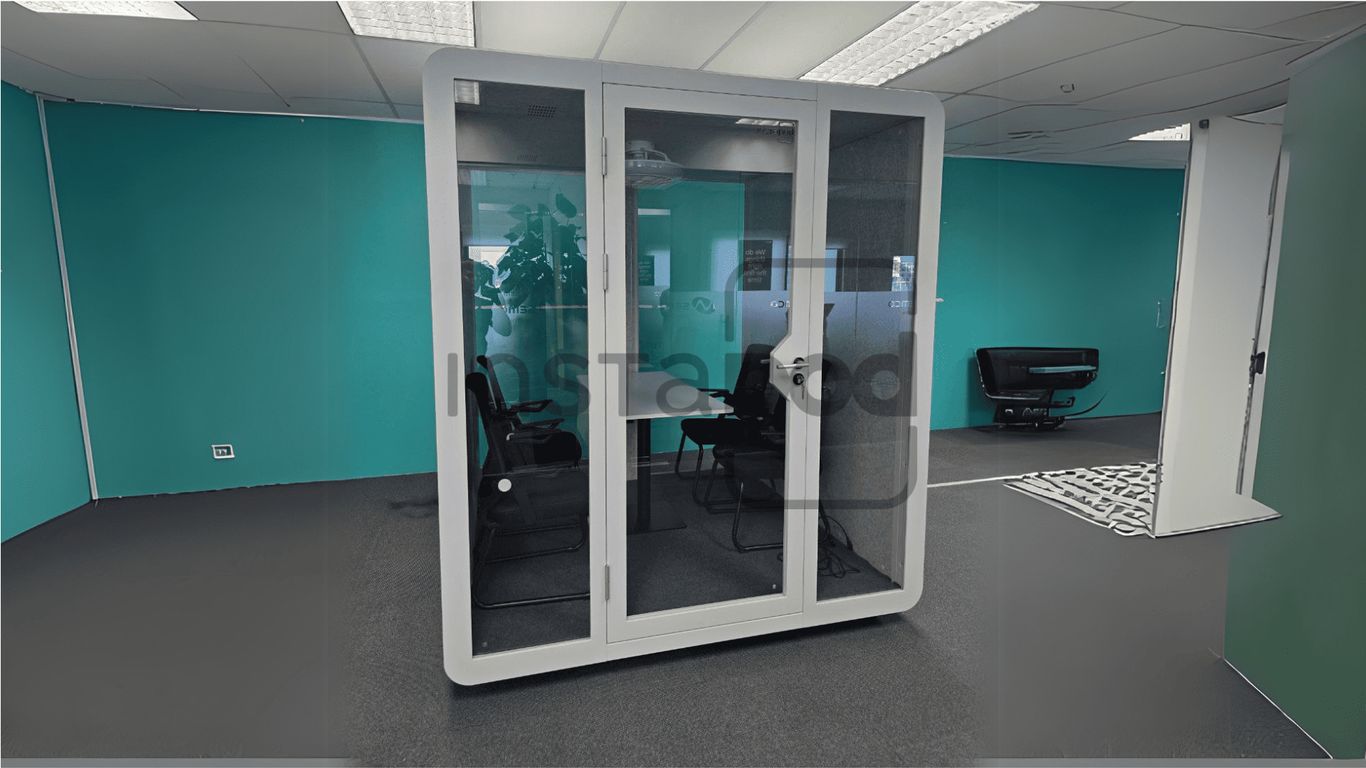
Thinking about adding a meeting booth to your office? It’s a good idea, especially if you need a bit more quiet space for calls or focused work without disturbing everyone else. The good news is, these booths are made to fit into your current office setup pretty easily. It’s not about a massive overhaul, but more about smart placement and making sure it works for your team. Let’s break down how to get it done without a headache.
Key Takeaways
- Before you buy a meeting booth, take a good look at your office. Where are the noisy spots? How much room do you actually have? Knowing this helps you pick the right booth and put it in the best place.
- Think about where the meeting booth will go. In open offices, put it somewhere accessible but not in a main walkway. If you have private offices, a corner might work. Placing it near collaboration areas can be handy, but watch out for noise.
- If you don’t have much space, look for booths with built-in features like small tables or storage. Modular booths are also great because you can move and change them.
- Match the meeting booth’s look to your office. Picking the right colors and materials can make it feel like it belongs, not just a random addition. This also helps show off your company’s style.
- Always ask your employees what they need and how they feel about the new meeting booth. Their feedback is super important to make sure the booth actually helps them work better and feel more engaged.
Assessing Your Current Office Layout
Before you even think about buying a meeting booth, you really need to take a good look at how your office is working right now. It’s like checking the foundation before you add a new room to your house. You want to make sure it’s going to fit and actually help, not just take up space.
Conducting An Office Audit
This sounds fancy, but it’s pretty straightforward. Just walk around your office during a busy time. What do you see? Where are people struggling to find a quiet spot? Are there constant interruptions? The goal is to pinpoint the actual problems your team faces daily. You can also ask people directly. Send out a quick survey or just chat with folks. Sometimes, the simplest comment can tell you more than a big report.
Identifying Noise Hotspots
Think about where the sound really builds up. Is it near the coffee machine? The main walkway? Maybe by the windows facing a busy street? These are the areas where a meeting booth could make a big difference. You’re looking for places where conversations, phone calls, or just general office chatter become a real distraction. Keep a mental note, or even a physical one, of these zones. It’s about understanding the acoustic landscape of your workspace.
Measuring Available Space
Once you know where the problems are, you need to see if you actually have room to put a booth. Don’t just eyeball it. Grab a tape measure. Think about not just the booth itself, but also the space around it. People need to be able to walk past it without bumping into things or feeling cramped. You don’t want to solve a noise problem only to create a traffic jam. Consider the flow of people and how a booth might affect it. A booth that’s too big or in the wrong spot can actually make things worse.
It’s easy to get excited about new office furniture, but a little bit of planning goes a long way. Understanding your current setup first means you’ll make a smarter choice when it comes to adding meeting booths. This way, they’ll actually help your team work better, not just look nice.
Strategic Placement Of Meeting Booths
So, you’ve got your acoustic pods, but where do they actually go? It’s not just about finding a spare corner; smart placement makes a big difference in how much people use them and how productive they become. Think of it like setting up a quiet reading nook – you wouldn’t put it right next to the ping-pong table, right? The goal is to make these private spaces accessible and useful without disrupting the flow of the office. This is especially true if you’re looking at options like a telephone booth in Singapore, where space can be at a premium.
Optimizing Booth Location In Open-Plan Offices
In open-plan setups, noise and distractions are the main enemies of focus. Phone booths can be a lifesaver here. Placing them somewhat centrally, where they’re visible and easy to reach from most desks, is a good start. This visual reminder helps people remember they exist when they need a quiet moment. Avoid putting them right next to high-traffic walkways or noisy communal areas like the kitchen. A good spot might be in a slightly less busy zone, but still accessible, so people can duck in for a call or some focused work without a long trek.
- Visibility: Make them easy to spot so people remember to use them.
- Accessibility: Place them within a reasonable walking distance for most employees.
- Noise Buffer: Position them away from major noise sources like printers or busy intersections.
Effective Placement In Enclosed Offices
If your office has more walls and defined workspaces, the strategy shifts a bit. Instead of needing to escape general noise, people might be looking for a change of scenery or a truly private space away from their immediate colleagues. Placing booths in corners or at the end of corridors can work well. This gives a sense of separation and allows employees to step away from their desks for a mental break before entering the booth. It also means they aren’t right on top of someone else’s workspace, which can be a nice courtesy.
Positioning Near Collaboration Zones
Sometimes, the best place for a phone booth is actually near where things are happening. Think about placing them close to meeting rooms or team project areas. This way, if a quick, private follow-up call is needed after a meeting, or if someone needs to concentrate on a specific task related to a group project, the booth is right there. However, be mindful of the noise spillover. You don’t want the booth to become a new source of distraction for the collaboration zone, or vice-versa. A little buffer space or good soundproofing is key here. It’s all about balancing convenience with the need for actual quiet.
The right placement means these pods become a natural part of the workday, not an afterthought. They should feel integrated, supporting focused tasks and private conversations without becoming a disruption themselves.
Here’s a quick look at typical installation times:
| Booth Type | Average Installation Time |
|---|---|
| Phone Booth | 2-4 hours |
| Small Meeting Pod | 4-6 hours |
| Large Meeting Pod | 6-8 hours |
Maximizing Functionality In Limited Square Footage
So, you’ve got a smaller office space, but you still need places for people to have private calls or focus without distractions. It’s totally doable. The trick is to pick meeting booths that are smart about how they use space and what they offer.
Choosing Booths With Smart Features
When space is tight, every feature counts. Look for booths that do more than just provide four walls and a door. Some come with built-in fold-down desks, which are perfect for jotting down notes or setting up a laptop for a quick video call. Others might have integrated seating that’s part of the booth’s structure, saving you from adding extra chairs that just take up floor space. Storage is another big one – little nooks or shelves can keep the inside tidy and prevent clutter from spilling out.
- Built-in furniture: Fold-down tables, integrated benches.
- Integrated storage: Shelves, small cabinets for personal items.
- Power and connectivity: Easy access to outlets and USB ports for devices.
Think about the primary use of the booth. Is it for short, standing calls, or longer periods of focused work? Matching the booth’s features to its intended purpose will stop you from wasting precious square footage on something that doesn’t quite fit.
Leveraging Modular Booths For Compact Layouts
Modular booths are a lifesaver for smaller offices. Because they aren’t permanent structures, you can move them around if your needs change. This flexibility is huge. If you decide to rearrange your office or if your team grows, you can simply pick up the booth and put it somewhere else. You can even combine smaller modules to create a slightly larger space if needed. It’s like having building blocks for your private workspaces.
- Flexibility: Easily reposition or reconfigure as office needs evolve.
- Cost-effective: Often cheaper than building permanent rooms, saving on renovation costs.
- Scalability: Start with one or two and add more as your team or budget allows.
Designing Small Office Spaces With Booths
Even in a compact office, you can create functional private zones. The key is to choose booths that don’t overwhelm the space. Booths with glass panels can make the area feel more open and less boxed-in, while still offering the acoustic privacy you need. Consider the overall look too. Picking booth colors and materials that blend with your existing office decor helps everything feel more cohesive and less like random additions. This visual harmony makes the whole office feel more organized and less cramped.
| Feature | Benefit in Small Spaces |
|---|---|
| Glass panels | Creates a sense of openness, makes space feel larger. |
| Light colors | Reflects light, making the area feel brighter and airy. |
| Compact footprint | Takes up minimal floor space, leaving room for movement. |
| Integrated tech | Reduces the need for external accessories, saving space. |
Ultimately, the goal is to make every square inch work harder for you and your team.
Customizing Meeting Booths To Match Your Brand
Your office space is more than just a place to get work done; it’s a reflection of your company’s identity. Adding meeting booths, like a soundproof pod, presents a fantastic opportunity to reinforce your brand. Don’t just pick a generic option that fades into the background. Instead, think about how these booths can become a visual extension of your company’s personality and values. A well-designed booth can make a great impression on clients and visitors, and it also helps your team feel more connected to the company culture.
Selecting Booth Colors And Materials
The exterior of your meeting booth is the first thing people will see. Choosing colors and materials that align with your company’s branding is a smart move. If your brand uses a specific color palette, consider incorporating those hues into the booth’s design. This could be through painted panels, upholstery, or even accent details. Similarly, the materials you choose can speak volumes. Natural wood finishes can give a warm, traditional feel, while sleek metal and glass might suit a more modern aesthetic. Think about the overall look and feel of your office and select finishes that complement it.
Creating Visual Harmony With Design
Beyond just colors and materials, the overall design of the booth should blend with your existing office layout. If your office has a lot of clean lines and minimalist furniture, a booth with a similar aesthetic will fit right in. Conversely, if your space is more eclectic, you might opt for a booth that adds a unique design element without clashing. Consider the shape and size of the booth in relation to the surrounding area. The goal is for the booth to feel like a natural part of the office, not an afterthought. Glass panels can also help maintain a sense of openness in the space, making the booth feel less imposing.
Promoting Your Brand Identity
There are several ways to subtly or overtly promote your brand through your meeting booths. This could involve adding your company logo to the exterior of the booth, perhaps etched into glass or applied as a decal. You might also consider custom interior elements, like branded notepads or charging stations. Even the lighting within the booth can be adjusted to match your brand’s mood. Ultimately, every detail, from the smallest fixture to the overall form, can be a touchpoint for your brand.
Here are some ways to integrate your brand:
- Color Palette: Use your company’s primary and secondary colors on the booth exterior or interior.
- Material Choices: Select finishes like wood, metal, or specific fabrics that align with your brand’s established aesthetic.
- Logo Placement: Discreetly add your company logo to the booth’s exterior or interior panels.
- Interior Furnishings: Choose seating and desk accessories that match your brand’s style and quality standards.
When customizing your soundproof pod, think about how it contributes to the overall narrative of your workspace. It’s not just about adding a functional item; it’s about enhancing the environment and reinforcing who you are as a company. This thoughtful approach can make a significant difference in how both employees and visitors perceive your organization.
Understanding Installation And Assembly Processes
So, you’ve picked out the perfect meeting booths for your office. That’s great! Now comes the part where they actually show up and get put together. It’s not usually a huge headache, but it’s good to know what to expect. Most booths are designed to be pretty straightforward to install.
Evaluating Booth Type Installation Times
Different types of booths take different amounts of time to get set up. Think of it like building furniture – a small side table is quicker than a big wardrobe. Booths are similar. A simple phone booth might only take a couple of hours, while a larger, more complex meeting pod could take most of a workday.
Here’s a general idea:
- Phone Booths: Typically 2-4 hours.
- Small Meeting Pods: Usually 4-6 hours.
- Large Meeting Pods: Can take 6-8 hours.
This doesn’t include any prep work, like clearing the space where the booth will go, but it gives you a ballpark figure for the actual assembly.
Checking Supplier Assembly Services
When you’re buying your booths, definitely ask about assembly. Many suppliers offer this as part of the deal, or as an add-on service. It can save you a lot of hassle. They’ll send their own team to put it all together for you. This is often the easiest route, especially if you don’t have anyone on staff with the time or know-how to do it.
If you decide to go the DIY route, make sure the instructions provided are clear. Some companies are really good at this, with step-by-step guides and even videos. Others might be a bit more basic, so it’s worth checking beforehand.
Ensuring Seamless Integration
Getting the booth put together is one thing, but making sure it fits right into your office is another. Think about:
- Access: Can the booth components actually get to the spot where it needs to be installed? Sometimes hallways or doorways can be tight.
- Utilities: Does the booth need power? If so, where are the outlets, and will the booth’s cord reach comfortably?
- Disruption: How much noise or mess will the installation create? Try to schedule it during off-peak hours or when fewer people are around to minimize distractions for your team.
Taking a little time to plan the installation process, from checking delivery access to understanding the assembly steps, can make a big difference. It helps avoid unexpected delays and ensures your new quiet space is ready to use without causing too much disruption to your workday.
It’s all about making sure the transition from ‘booth-in-a-box’ to ‘functional office feature’ happens as smoothly as possible.
Enhancing Employee Engagement With Booths
Assessing Team Needs For Privacy
When you’re thinking about adding meeting booths, the first thing to really consider is what your team actually needs. It’s not just about having a cool new piece of office furniture; it’s about making their work lives better. Do people constantly complain about noise? Are they struggling to find a quiet spot for important calls? Understanding these pain points is key. Think about the different types of work happening in your office. Some roles might need more focused, uninterrupted time, while others thrive on constant interaction. A privacy pod can be a game-changer for those who need to escape the general office buzz.
Gathering Employee Feedback
Honestly, the best way to know if your booths are hitting the mark is to just ask the people using them. You can send out a quick survey or even just chat with folks informally. What do they like about the booths? What could be better? Maybe the lighting isn’t quite right, or perhaps they wish there were a small shelf for a notebook. Paying attention to these details shows your team you care about their experience. It’s also helpful to see if the booths are being used as intended. Are they primarily for quick calls, or are people using them for deep work sessions?
Promoting Productivity And Collaboration
Meeting booths aren’t just about quiet; they can actually boost how much work gets done and how well teams work together. When employees have a dedicated space to concentrate without distractions, their productivity naturally goes up. This is especially true in open-plan offices where background noise can be a constant issue. Furthermore, these booths can facilitate better collaboration by providing a neutral, private space for sensitive discussions or brainstorming sessions that might not be suitable for an open area. They offer a flexible solution for various work styles.
Here’s a quick look at how booths can help:
- Reduces Distractions: Offers a quiet zone away from general office noise.
- Improves Focus: Allows for concentrated work on complex tasks.
- Facilitates Private Communication: Ideal for confidential calls or virtual meetings.
- Supports Diverse Work Styles: Caters to individuals needing quiet time or small group discussions.
Ultimately, integrating meeting booths is about creating a more functional and employee-centric workspace. It’s a tangible way to address common office challenges and support your team’s well-being and output.
Wrapping It Up
So, we’ve covered a lot about getting these meeting booths into your office. It’s not just about buying them, but really thinking about where they fit best and how your team will use them. By placing them smartly and maybe even trying out different spots, you can really see how they help people focus and get more done. Remember to ask your employees what they think, too. It’s all about making your workspace work better for everyone. With a little planning, these booths can make a big difference in how your office runs day-to-day.
Frequently Asked Questions
Can I make office phone booths look like they belong in my office?
Absolutely! Most booths can be customized with different colors and materials. You can pick shades that match your company’s look or materials that go well with your existing office furniture. This helps them blend in and feel like a natural part of your space.
How hard is it to set up these booths?
Setting them up is usually pretty simple. Many booths come almost fully assembled, so it’s often just a matter of putting them in place and maybe connecting a few things. Some companies offer to assemble them for you, or they provide easy-to-follow instructions.
What if my office is small? Can I still use booths?
Definitely! Small offices can really benefit from booths. Look for booths that are modular, meaning you can move or change them around. Some also have built-in desks or seats to save space. Using booths with glass can make the area feel bigger too, while still giving you privacy.
Where is the best place to put a meeting booth?
It depends on your office, but generally, think about where people need quiet the most. In open offices, placing them where they’re easy to reach but not in the middle of busy paths is good. In offices with more walls, corners or ends of hallways can work well. Putting them near areas where people often meet can also be handy.
How do booths help my employees?
Booths give employees a quiet place for private calls or focused work, which is super helpful in noisy open offices. They can help people concentrate better, reduce distractions, and make the overall work environment more pleasant. This can lead to more work getting done and happier staff.
How do I know if the booths are actually helping?
You can check how much work is getting done and see if people seem less stressed. It’s also a great idea to ask your employees what they think! Their feedback can tell you if the booths are being used and if they’re making a positive difference in their day.