No pods added to your quote request yet. Add some now for a free quote!
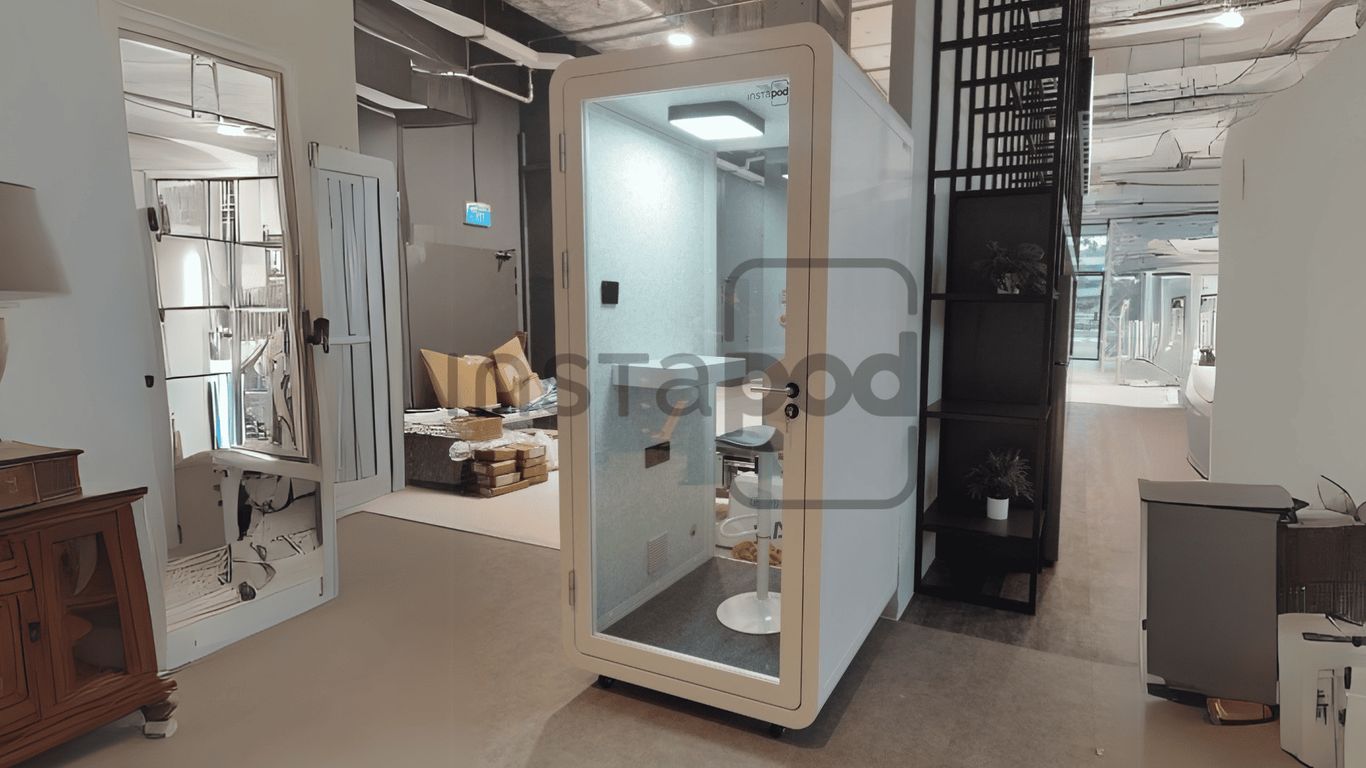
Modern offices are loud. It’s a given, right? With open-plan layouts becoming the norm, the constant hum of activity, from chatter to keyboard clicks, can really mess with your focus. It turns out, there’s a pretty neat solution popping up everywhere: conference room pods. These little private spaces are proving to be a game-changer for tackling noise pollution.
Key Takeaways
- Conference room pods are like personal quiet zones designed to block out office noise, helping you concentrate better.
- They work by using special materials to both stop sound from getting in and soak up noise inside.
- Having these pods can make people less stressed and more productive because they can escape distractions.
- These pods aren’t just for quiet work; they’re also great for private calls or sensitive conversations.
- They offer a flexible and often more budget-friendly way for companies to improve their office environment compared to building traditional rooms.
Understanding The Noise Challenge In Modern Offices
The Pervasive Issue of Open-Plan Office Noise
Open-plan offices. They were supposed to be the future, right? More collaboration, more energy, more connection. And yeah, sometimes they are. But let’s be real, they’re also incredibly loud. Think about it: the constant hum of conversations, phones ringing off the hook, keyboards clacking away like a drum solo, and the occasional loud laugh or dropped stapler. It’s a symphony of distractions. While some folks seem to thrive in this chaos, many of us find it downright impossible to get anything done. It’s not about being anti-social; it’s about needing a bit of peace to actually focus on the task at hand. This constant barrage of sound isn’t just annoying; it’s actively making it harder to do our jobs well.
Impact of Constant Distractions on Focus
Ever been deep in thought, maybe trying to nail down a tricky bit of code or craft the perfect email, and then BAM! Someone nearby starts a loud phone call. Your entire train of thought just derails, doesn’t it? It takes ages to get back into that focused zone. It turns out, this isn’t just a personal pet peeve; studies show these interruptions really chip away at our productivity. It’s not just about feeling a bit stressed out either. All that background noise can actually lead to more mistakes and leave us feeling totally drained by the end of the day.
Here’s a quick rundown of what happens:
- Concentration takes a hit: It becomes a real struggle to stay focused on what you’re doing.
- Mistakes creep in: Distractions mean you’re more likely to mess up.
- Stress levels rise: That constant noise can make you feel agitated and overwhelmed.
- Output drops: You just get less done in the same amount of time.
The modern office, with its emphasis on open spaces, often creates an environment where acoustic privacy is scarce. This lack of quiet can significantly hinder deep work and lead to a general feeling of being overwhelmed.
The Need for Acoustic Solutions
So, what’s the answer to this noisy dilemma? We need ways to bring back some quiet without sacrificing the collaborative spirit of the office. It’s about finding a balance. We need spaces where we can retreat to concentrate, make private calls, or just have a moment of calm without the entire office hearing our business. This isn’t a luxury; it’s becoming a necessity for businesses that want their employees to be productive and happy. The good news is, there are smart ways to tackle this, and one of the most effective is the humble conference room pod.
How Conference Room Pods Create Quiet Havens
Sound Insulation and Absorption Properties
Open offices are loud. It’s just a fact of life these days. The constant chatter, the ringing phones, the clatter of keyboards – it all adds up. Soundproof office pods are designed specifically to tackle this. They use special materials in their walls and ceilings to block sound from getting in and out. Think of it like a mini-fortress for your ears. The materials inside, like felt or special foam, soak up sound waves, so any noise that does get in doesn’t bounce around and make things worse. This dual action of blocking and absorbing sound is what makes them so effective.
Creating a Sanctuary From Office Commotion
These pods act like little quiet zones dropped right into the middle of a busy office. You can walk into one and suddenly, the office noise just fades away. It’s not just about blocking out loud noises; it’s about creating a space where you can actually hear yourself think. This is super important for tasks that need a lot of concentration, like writing a report or coding. They give you a break from the constant sensory overload that open-plan offices often create. These office privacy pods are a game-changer for anyone needing a moment of peace.
Reducing Ambient Noise Levels
When you have a bunch of these pods scattered around, they collectively help lower the overall noise level in the main office space. Fewer people talking loudly in the open, more people in their own quiet pods. This makes the whole environment more pleasant for everyone, even those who don’t use a pod directly. It’s a win-win situation for office acoustics.
Here’s a quick look at what makes them work:
- Soundproofing Materials: Walls and doors are built with layers designed to stop sound transmission.
- Acoustic Paneling: Interior surfaces absorb sound, preventing echoes and reverberation.
- Quiet Ventilation Systems: Designed to be quiet, so they don’t add to the noise.
- Sealed Construction: Gaps are minimized to prevent sound leaks.
These pods are not just about blocking noise; they’re about creating controlled environments that allow for different types of work to happen simultaneously without disruption. It’s a practical approach to managing the acoustic chaos of modern workplaces.
Boosting Productivity and Well-being With Pods
It’s pretty clear that the constant noise in many offices isn’t doing anyone any favors. We’ve all been there, trying to finish a report or concentrate on a tricky problem, only to be interrupted by a loud phone call or a chatty coworker. This isn’t just annoying; it actually messes with our ability to do good work and can leave us feeling drained. Meeting room pods offer a direct solution to this by giving people a dedicated space to escape the chaos and get things done.
Enhancing Concentration Through Quiet Zones
Think about it: when you’re trying to really focus, any little distraction can pull you right out of your zone. Pods act like personal quiet zones, cutting out a lot of the background noise that usually bombards us. This means less mental energy spent on filtering out distractions and more energy available for the actual task at hand. It’s like giving your brain a break from the constant background chatter so it can actually concentrate.
Improving Employee Mental Health
Constantly being exposed to noise pollution at work can really take a toll. It’s a known stressor, and over time, it can lead to burnout and general unhappiness. Having access to a quiet pod provides a much-needed escape. It’s a place where someone can go to decompress for a few minutes, gather their thoughts, or just have a moment of peace. This ability to step away from the noise can significantly reduce stress levels and contribute to a better overall mood throughout the workday. Some studies even suggest that employees feel more relaxed after spending time in these quiet spaces.
Facilitating Deeper Work and Flow States
We all have tasks that require deep concentration – the kind where you lose track of time because you’re so absorbed. These are often called "flow states." Open offices, with all their interruptions, make it incredibly hard to reach this level of focus. Pods, by providing a controlled, quiet environment, make it much easier to enter and maintain these flow states. This means not only getting more done but also producing higher quality work because you’re truly immersed in it. It’s the difference between skimming the surface and really digging deep into a project.
The shift towards incorporating soundproof pods isn’t just about reducing noise; it’s about acknowledging the diverse ways people work best. It’s a recognition that productivity and well-being are deeply connected and that providing tailored environments is key to a thriving modern workplace.
Here’s a quick look at some reported benefits:
- Reduced Stress: Employees report feeling less frazzled when they can escape noise.
- Increased Focus: Less distraction means more time spent on actual tasks.
- Better Quality Work: Deep concentration leads to fewer errors and more thoughtful output.
- Improved Morale: A sense of control over one’s environment boosts overall job satisfaction.
The Engineering Behind Conference Room Pods
Soundproofing Materials and Construction
So, how do these little rooms actually keep the noise out? It’s all about smart design and the right stuff. Pods are built with layers of materials that work together to block sound waves. Think of it like a really good thermos for sound. They often use dense materials for the outer shell, like specialized composite panels, to stop noise from getting in or out in the first place. Then, inside, there are often layers of sound-absorbing materials, like acoustic foam or felt, that soak up any sound that does manage to sneak through. The doors and windows are usually double-glazed, just like in a quiet house, and they have special seals around the edges to make sure there are no little gaps for sound to escape. It’s this combination of blocking and absorbing that makes them so effective.
Acoustic Paneling for Sound Absorption
Beyond just the walls, the inside surfaces play a big role. Many pods feature acoustic paneling. These aren’t just for looks; they’re specifically designed to catch sound waves and prevent them from bouncing around. You’ll see textured fabrics or specially shaped panels that help diffuse sound, making the inside much quieter and clearer for calls. This is super important because even if the walls are good at blocking noise, if the inside is echoey, it won’t feel very peaceful.
Quiet Ventilation Systems
Nobody wants to feel like they’re in a stuffy box, right? That’s where the ventilation comes in. Good pods have built-in fans that are designed to be really quiet. They circulate air without making a distracting hum or whirring noise. This keeps the air fresh and comfortable, so you can actually focus without feeling drowsy or bothered by the lack of airflow. It’s a small detail, but it makes a big difference in how usable the pod is for any length of time.
The goal is to create a personal bubble of quiet. It’s about giving people a choice to find a focused space when they need it, away from the general office buzz. This isn’t just about blocking noise; it’s about creating a functional, comfortable micro-environment.
Strategic Integration Of Conference Room Pods
So, you’ve got these neat little conference room pods, or maybe you call them office booths, and now you’re wondering where to put them. It’s not just about sticking them anywhere; there’s a bit of thought that goes into making them actually work for your office. Placement is key to unlocking their full potential.
Placement For Maximum Impact
Think about the main noise culprits in your office. Is it the bustling kitchen area? The constant chatter near the main work zones? Placing your pods strategically can create a buffer. Putting them near high-traffic areas, but not so close that the noise still seeps in, can make a big difference. It’s like creating little quiet islands in a sea of activity. You want them accessible, sure, but also genuinely functional as a retreat.
Modular Solutions For Evolving Needs
Offices aren’t static, right? Your team might grow, or how people work could shift. That’s where the beauty of modular pods comes in. Unlike building permanent walls, these are flexible. You can move them, add more if you suddenly need extra quiet space, or even swap out different sizes. This means your office layout can adapt without a massive, costly renovation. It’s a smart way to keep your workspace practical.
Here’s a quick look at why modularity matters:
- Adaptability: Easily reconfigure your space as needs change.
- Scalability: Add or remove pods based on current demand.
- Portability: Move pods to different locations within the office or even to a new building.
The idea is to give employees control over their environment, allowing them to choose the best spot for the task at hand, whether that’s deep focus or a quick, private chat.
Activity-Based Zoning
Consider what each area of your office is for. You might have zones for collaboration, zones for focused individual work, and zones for casual interaction. Placing pods within or adjacent to these zones can support the intended activity. For instance, a few individual office booths near a busy project area can offer a quiet escape for someone needing to concentrate. Similarly, a slightly larger pod near a collaborative zone can be perfect for impromptu, small-group discussions that don’t require booking a formal meeting room.
Beyond Noise Reduction: The Versatility Of Pods
Sure, conference room pods are fantastic for cutting down on noise pollution, but their usefulness goes way beyond just creating quiet zones. These little spaces are surprisingly adaptable and can serve a bunch of different purposes in a modern office.
Facilitating Private Conversations
Sometimes, you just need to have a chat that isn’t for everyone’s ears. Whether it’s a sensitive client call, a quick HR discussion, or just catching up with a colleague about something personal, a pod provides the necessary privacy. The sound insulation means your conversation stays contained, and you won’t have to worry about being overheard. This is especially true for a dedicated phone pod, which is perfectly designed for these kinds of brief, private calls.
Supporting Diverse Work Styles
Not everyone works best in the same way. Some people thrive on collaboration, while others need solitude to really get their best ideas out. Pods cater to this variety. You can have individual pods for deep focus work, like coding or writing, and slightly larger ones for small team brainstorming sessions. It’s about giving people options so they can choose the environment that helps them do their best work.
Here’s a quick look at how different roles might use them:
- Writers/Editors: Need a quiet space to concentrate on text without distractions.
- Developers: Require uninterrupted time for complex coding tasks.
- Designers: Can use pods for focused design work or quick, private client feedback sessions.
- Sales Teams: Benefit from private spaces for important client calls.
Flexible Use For Various Needs
These pods aren’t just static furniture. Many are modular, meaning you can move them around as your office layout changes or your team’s needs evolve. They can be used for:
- Quick one-on-one meetings: Skip booking a big conference room for a simple chat.
- Video calls: Get a professional, quiet background for online meetings.
- Mindful breaks: A few minutes of quiet can do wonders for stress levels.
- Temporary quiet zones: Set up a few pods during a busy project phase.
The adaptability of these pods means they can be a dynamic part of your office infrastructure, rather than just a fixed solution. They respond to the changing rhythms of work and the varied requirements of your team members, making the office a more functional and pleasant place for everyone.
Wrapping It Up
So, when you look at it all, these office pods are really a smart way to deal with the noise problem we have in so many workplaces today. They give people a place to go when they need to really focus or have a private chat, without all the usual office racket. It’s not just about making things quieter, though. It’s about making work feel better and helping people feel less stressed out. As more companies see how much these little quiet spots help with concentration and overall well-being, you’ll probably see them showing up in offices everywhere. They’re a pretty practical fix for a common issue in modern work environments.
Frequently Asked Questions
What exactly is a meeting room pod?
Think of a meeting room pod as a small, private room you can put inside a bigger office. It’s like a mini-booth built to be quiet and keep out the noise from the main office. They usually have lights, air, and places to plug in your gadgets, making them a comfy spot to get work done or chat without being bothered.
How do these pods help with noise?
These pods are made with special stuff that stops sounds from getting in or out. They act like a soundproof shield. This means when you’re inside, you can’t hear the usual office chatter, phones ringing, or other noisy things. It creates a peaceful bubble where you can focus way better.
Can anyone use these pods, or are they just for meetings?
They’re super flexible! You can use them for lots of things. Need to really focus on a big project? Jump in a pod. Want to have a private chat with a coworker or a sensitive phone call? A pod is perfect. They can even be used for small team meetings or quick brainstorming sessions.
Do these pods actually make people more productive?
Yes, they really do! When you’re not constantly getting interrupted by noise, your brain can focus better. This means you can get more done in less time, and your work is usually better quality. It’s like giving your brain a break from all the distractions so it can do its best work.
Are office pods expensive for a company to buy?
Compared to building new walls and rooms, pods are often a more affordable way to create quiet spaces. They are also easier to move or change if the office layout needs to be updated, saving money in the long run.
Besides quiet, what other benefits do office pods offer?
Pods offer privacy for sensitive calls or discussions, reducing stress for employees. They also give people a place to escape the constant office buzz, which can improve their mood and overall well-being. Plus, they make the office space more flexible for different kinds of work.