No pods added to your quote request yet. Add some now for a free quote!
Offices have really changed, haven’t they? We’ve gone from those boxy cubicles that made you feel like you were in your own little world, to these wide-open spaces where everyone’s practically on top of each other. Neither felt quite right, so now companies are trying out new ideas. Think flexible furniture, spaces for people to actually talk, and, importantly, quiet spots for when you just need to get stuff done without the noise. It’s all about making the office a place where we can do our best work and feel good about it. The focus is on creating environments that work for us, not the other way around.
Key Takeaways
- The old cubicle setup was meant for privacy but often left employees feeling isolated and didn’t encourage teamwork.
- Open-plan offices aimed for better collaboration but frequently resulted in too much noise and a lack of personal space.
- Soundproof office pods have emerged as a practical solution, offering quiet, private areas for focused work, calls, and meetings within busy environments.
- These pods help reduce distractions, provide necessary privacy, and allow employees to choose the best spot for their current task.
- Modern office design is increasingly prioritizing employee well-being through natural light, airflow, adaptable spaces, and technology, with pods playing a key role in this evolution.
The Evolution From Cubicles To Collaborative Spaces
The Limitations Of Early Cubicle Design
Remember those beige, boxy cubicles that seemed to stretch on forever? Back in the day, they were seen as a pretty good idea. The thinking was that giving everyone their own little nook would help them focus and get their work done without too much fuss. It was all about personal space and cutting down on distractions. This setup really fit the old-school way of working, where most jobs were pretty independent.
But, as it turns out, those walls that were supposed to help us concentrate also ended up making us feel pretty alone. Spontaneous chats with colleagues became a rarity, and that sense of team connection started to fade. Plus, let’s be honest, they could feel a bit like a maze, and getting natural light to everyone was a real challenge. It was a design that prioritized a kind of isolated productivity over anything else.
The cubicle, while intended to offer personal space, often resulted in a feeling of detachment and hindered the organic collaboration that fuels innovation.
The Shift Towards Open-Plan Work Environments
As we moved into the new millennium, the office design world did a pretty big flip. The idea of open-plan offices took hold. The theory was simple: get rid of the walls, and you’ll get more communication, more teamwork, and a generally more energetic vibe. Companies figured that if everyone could see and interact with each other more easily, great ideas would just start flowing. It was a move away from the isolating cubicle and towards a more connected, fluid workspace. This also meant that the office layout started to become more flexible, with different zones for different kinds of work popping up.
Addressing The Drawbacks Of Open Offices
While the open-plan office certainly aimed for better collaboration, it brought its own set of headaches. That constant buzz of activity, which was supposed to be energizing, often turned into a cacophony of noise. Trying to concentrate with phones ringing, people chatting, and keyboards clacking became a daily struggle for many. Privacy also took a hit; those quick, confidential calls or sensitive discussions were suddenly out in the open. It became clear that while breaking down walls could encourage interaction, it also created new problems that needed solving, leaving many workers feeling like their need for focus and privacy was being ignored.
The Rise Of Soundproof Office Pods
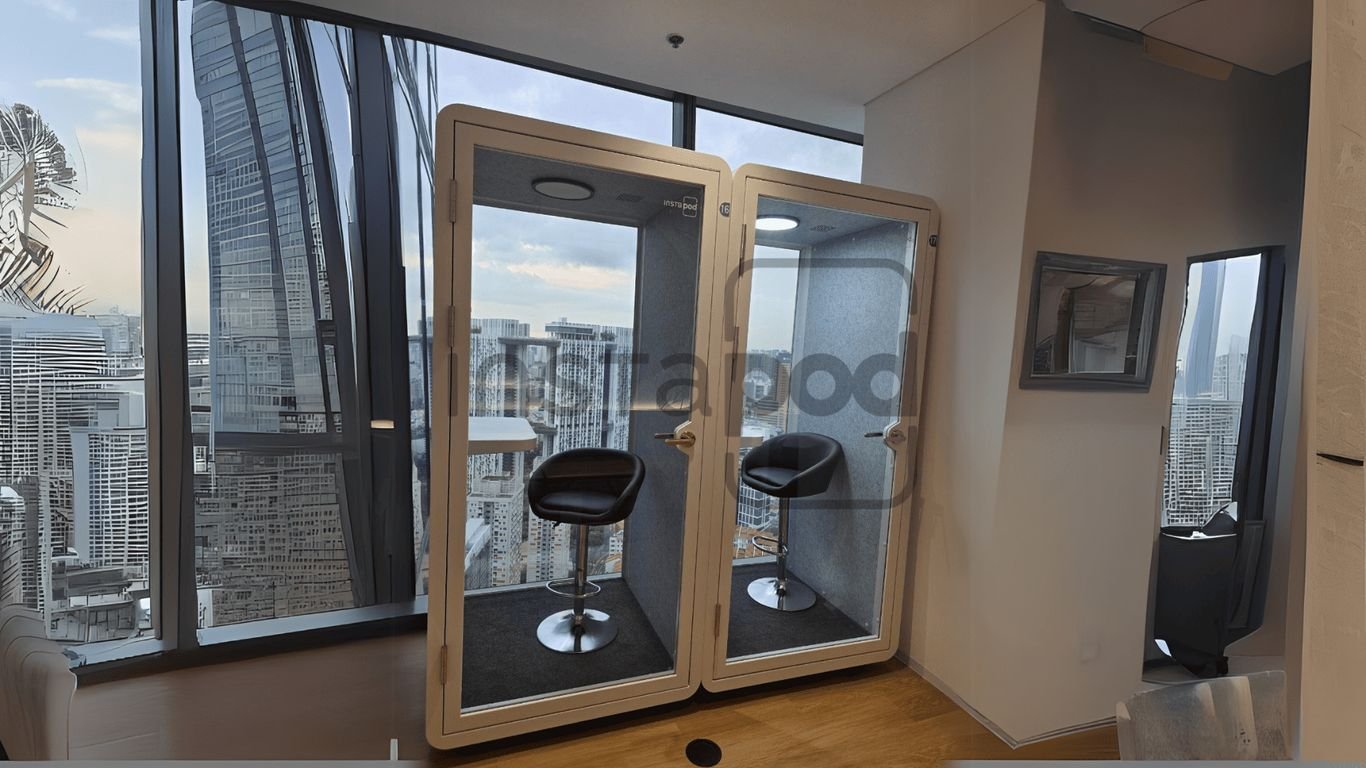
Remember when offices were just rows of cubicles? Things have changed a lot. Now, with more open-plan layouts, it’s easy for noise to get out of hand. That’s where the humble privacy pod comes in. These aren’t just fancy little rooms; they’re practical solutions for when you really need to focus or have a private chat without everyone else hearing. Think of them as mini, soundproof sanctuaries scattered throughout the office. They’re designed to block out the general office buzz, making it possible to take a call, have a video meeting, or just get some heads-down work done without constant interruptions. It’s like having your own little quiet zone, even in the middle of a busy floor.
Understanding Acoustic Pods And Their Purpose
It’s tough to concentrate when there’s always something going on around you. People talking, phones ringing, the coffee machine gurgling – it all adds up. Acoustic pods tackle this head-on. By creating a sealed environment, they significantly reduce ambient noise. This means fewer distractions and a better chance to actually get into a flow state. For tasks that require deep thought, like writing reports or coding, these pods are a game-changer. They give employees the control they need over their immediate environment, which is a big deal for productivity and overall job satisfaction. It’s not about hiding away; it’s about having the option to work in a way that suits the task at hand.
Soundproof Booths As A Modern Solution
These soundproof pods aren’t just for one thing. They’re super versatile. Need to make an important client call? Hop in a phone pod. Have a virtual meeting with a remote team? Use a conference room pod. Want to just sit in silence for 15 minutes to clear your head? An office booth works for that too. Some companies even use them for quick one-on-one check-ins between managers and employees, keeping those conversations private. They can be configured in different sizes, too, from single-person units to small meeting rooms. Basically, anywhere you need a bit of quiet and privacy in a busy office, a pod can fit the bill. They’re becoming a standard feature in modern office design, and for good reason.
Enhancing Concentration With Acoustic Pods
Here’s a quick look at why these office privacy pods are so effective:
- Noise Reduction: They create a barrier against the general office din, allowing for focused work.
- Privacy Control: Employees can step into a pod and signal they need uninterrupted time.
- Flexibility: Pods can be used for a variety of tasks, from calls to deep work sessions.
- Improved Acoustics: They not only keep noise in but also help reduce the overall noise level in the surrounding open space.
The most neglected needs in office floor plans are often spaces for small group meetings and one-person phone calls. Since these needs aren’t constant, pods provide the perfect intermittent solution, offering soundproof environments for focused tasks without requiring a full room.
Versatile Applications For Quiet Work
So, we’ve talked about how offices moved from those old-school cubicles to more open setups. And while open plans have their perks, like making it easier to chat with colleagues, they also brought a whole new set of noise problems. That’s where these soundproof pods really shine. They’re not just for when you need to hide away; they’re actually super useful for a bunch of different things throughout the workday.
Pods For Private Calls And Virtual Meetings
Let’s be real, trying to have a private phone call or a video conference in an open office is a nightmare. You’re either whispering so no one hears your confidential client info, or you’re shouting to be heard over the keyboard clatter, and everyone else is hearing your entire conversation. It’s awkward for everyone involved. These pods create a dedicated space where you can actually speak at a normal volume without bothering anyone. They’re designed to block out the surrounding noise, so your calls are clear, and your private information stays private. It’s a simple fix that makes a huge difference for anyone who spends a good chunk of their day on the phone or in virtual meetings.
Creating Focused Work Zones
Sometimes, you just need to get your head down and concentrate. Maybe you’re writing a report, coding a complex piece of software, or just trying to get through a pile of emails without getting sidetracked. The general office hum, even if it’s not super loud, can be incredibly disruptive when you’re trying to focus. Pods offer a sanctuary from that. They give you a quiet bubble where you can actually get into a flow state. It’s like having your own personal quiet room, available on demand, right in the middle of the office. This ability to control your immediate environment is a big deal for productivity and just generally feeling less stressed at work.
Facilitating Confidential Discussions
Beyond just calls, there are plenty of situations where you need a private space for a discussion that shouldn’t be overheard. Think about sensitive HR conversations, performance reviews, or even just a quick chat with your manager about a personal matter. These pods provide the necessary visual and auditory privacy. They’re a safe space for these kinds of conversations, ensuring discretion and respect for everyone involved. It’s not about secrecy for the sake of it, but about maintaining professionalism and comfort in the workplace.
Here’s a quick look at how these pods fit into different office needs:
- Private Calls: Clear audio, no eavesdropping.
- Video Meetings: Professional background, reduced distractions.
- Focused Work: Deep concentration without interruptions.
- Confidential Chats: Secure and private conversations.
- Quiet Reflection: A moment of calm in a busy day.
Innovative Furniture And Layout Trends
Modular And Adaptable Workstations
Forget those fixed, clunky desks of yesteryear. Today’s offices are all about flexibility, and that starts with the workstations. We’re seeing a big move towards modular furniture. Think of it like adult LEGOs for your office. These aren’t just desks; they’re building blocks. You can easily reconfigure them, expand them, or shrink them down depending on what the team needs that day. Need a cluster for a quick brainstorm? Snap a few together. Need individual focus zones? Pull them apart. This adaptability means the office can actually keep up with the work, not the other way around.
Collaborative Spaces And Meeting Pods
While we’re talking about adapting spaces, let’s not forget about collaboration. Open plans are great for bumping into people, but sometimes you need a dedicated spot to hash things out without disturbing everyone else. That’s where meeting pods and specialized collaborative zones come in. These can range from small, sound-dampened booths for two people to larger, more informal areas with comfy seating and whiteboards. They’re designed to encourage interaction and idea-sharing, but in a controlled way that respects the broader office environment. It’s about having the right space for the right kind of interaction.
Multi-Purpose Furniture For Flexibility
Space is often at a premium, so furniture that pulls double or even triple duty is a lifesaver. We’re talking about things like ottomans that hide storage inside, benches that can also serve as dividers, or even tables with built-in power outlets and charging stations. This kind of smart, multi-functional furniture means you can do more with less. It helps keep clutter down and allows spaces to transform easily from a work area to a casual meeting spot. Every piece of furniture should earn its keep.
Here are some examples of how furniture is getting smarter:
- Rolling storage units: Easily move files and supplies where they’re needed.
- Foldable partitions: Quickly create temporary private spaces or divide larger areas.
- Height-adjustable tables: Accommodate different preferences for sitting or standing.
- Integrated tech furniture: Desks with built-in charging ports and cable management systems.
The goal here is to create an office that feels dynamic, not static. It should be able to shift and change as your company’s needs evolve, supporting different work styles and activities without requiring a major overhaul.
Designing For Employee Well-Being
It’s not just about having a desk and a chair anymore. Modern office design really digs into how people feel when they’re at work. We’re talking about making the whole day better, not just getting tasks done. This means paying attention to things like light, air quality, and how people can move around and change their posture.
The Importance Of Natural Light And Airflow
Remember those windowless cubicles? Yeah, nobody misses those. Getting natural light into the workspace is a huge deal for how people feel and how much they get done. It helps our bodies keep track of time, making us feel more awake and less tired. Good airflow is just as important. Stale air can make you feel sluggish and even give you headaches. Modern offices are trying to bring the outside in, with more windows, plants, and better ventilation systems. It just makes the whole atmosphere feel fresher and more alive.
Creating Comfortable And Productive Atmospheres
Sitting for eight hours straight isn’t ideal for anyone. That’s why ergonomic furniture is becoming standard. Think chairs that actually support your back and desks you can adjust to stand at. These aren’t just fancy extras; they help prevent aches and pains that can really drag down a workday. Being able to change your posture throughout the day, maybe standing for a bit then sitting, keeps your body from getting stiff and tired. It’s all about making the workstation work for the person, not the other way around.
When employees feel physically comfortable and mentally at ease, their ability to focus, collaborate, and innovate naturally increases. It’s a simple concept: happy, healthy people do better work.
Integrating Smart Technology For Comfort
Beyond the basics, offices are starting to include different kinds of spaces – comfy seating areas, quiet nooks, even rooms for activities like yoga or just a quick break. These zones give people options for how and where they work best. It acknowledges that people have different needs and moods throughout the day, and providing these varied spaces shows that the company cares about their overall comfort and mental state. Some places are even looking at tech that can adjust lighting or temperature based on who’s in the room, making things even more personalized and comfortable.
Workplace Pods As A Key Component Of Modern Offices
So, we’ve talked about how offices have changed, moving from those old cubicles to more open setups. But let’s be honest, open offices aren’t always perfect. That’s where these modern workplace pods really come into play. They’re not just a trend; they’re becoming a pretty standard part of how companies design their spaces now.
Balancing Openness With Privacy
It’s a tricky balance, right? You want people to be able to collaborate and feel connected, but everyone needs a bit of quiet time too. Pods offer a neat solution. They’re like little private rooms that you can drop into an open office. Need to make a phone call without everyone overhearing? Pop into a pod. Want to have a video meeting without the background chatter? There’s a pod for that. These units give employees the control to switch between social and focused environments on demand. It means you don’t have to choose between a buzzing open space and a completely isolated, traditional office.
Addressing Common Office Noise Issues
Let’s face it, offices can get loud. The constant hum of conversations, keyboards clicking, and phones ringing can really mess with concentration. Pods help tackle this head-on. They’re built with sound-dampening materials, so they not only keep the noise inside the pod from bothering others, but they also block out a lot of the ambient noise from the main office. This creates a much calmer atmosphere overall.
Here’s a quick look at how pods help manage noise:
- Containment: Conversations and calls stay within the pod.
- Absorption: Sound-dampening panels reduce echo and reverberation.
- Isolation: They create a barrier against external office noise.
Shared Resources For Dynamic Work Needs
These pods aren’t usually assigned to one person. Think of them more like shared meeting rooms or phone booths. This makes them super flexible. Need a quiet spot for an hour to finish a report? Grab a pod. Need a small space for a quick brainstorming session with a colleague? There’s a pod for that. This kind of shared resource model fits well with how many companies are working today, especially with hybrid schedules. It means the office can adapt to whatever tasks people need to do that day.
The idea is to create an ‘ecosystem of spaces’ within the office. Employees can move between different work settings depending on their task, and pods are a simple way to add these varied settings without major construction or a complete office overhaul. It’s about making the most of the space you already have.
When you think about it, pods are a pretty smart way to add a lot of functionality to an office without needing to knock down walls. They give people the privacy and quiet they need, while still keeping the collaborative spirit of the modern workplace alive.
The Office of Tomorrow, Today
So, we’ve come a long way from those rows of drab cubicles, haven’t we? Offices aren’t just places to clock in and out anymore. They’re becoming these dynamic spots designed for how we actually work now – a mix of quiet focus, quick chats, and big ideas. Whether it’s a sleek pod for a private call or a comfy corner for brainstorming, the goal is to make the office work for us, not the other way around. It’s all about creating spaces that help people do their best work, feel good doing it, and maybe even look forward to coming in. The office is still evolving, and that’s a good thing.
Frequently Asked Questions
Why did offices stop using so many cubicles?
Cubicles used to be popular because they gave people their own little space. But over time, folks realized they could make people feel lonely and uninspired. They also didn’t let in much sunlight or fresh air, making the office feel stuffy. Plus, the walls made it hard for people to chat and work together, which isn’t ideal for teamwork.
What’s not so great about open-plan offices?
Open offices are awesome for talking and sharing ideas, but they can get super noisy. It’s hard to concentrate when people are on the phone, typing loudly, or just having conversations. It’s also tricky to find a quiet spot to get important work done without being interrupted.
What are acoustic pods and why do offices use them?
Acoustic pods, sometimes called soundproof booths, are like small private rooms you can put in an open office. They’re built to block out noise so you can make phone calls, have private chats, or just focus on your work without bothering anyone or being bothered yourself. They help create quiet zones even in busy places.
How has office furniture changed over time?
Office furniture has become much more flexible. Instead of fixed desks, we now see modular pieces that can be put together and taken apart easily. This means offices can change their layout to fit different tasks or team needs, making them more adaptable.
What’s the main benefit of having office pods?
Office pods offer a great way to balance the openness of modern offices with the need for privacy. They provide quiet spaces for focused work, private calls, or small meetings, helping to reduce noise and distractions for everyone.
How do pods help make offices better for employees?
Pods give employees more control over their work environment. They can choose to use a pod when they need quiet to concentrate, make a private call, or have a confidential chat. This helps reduce stress, improve focus, and make people feel more comfortable and productive at work.