No pods added to your quote request yet. Add some now for a free quote!
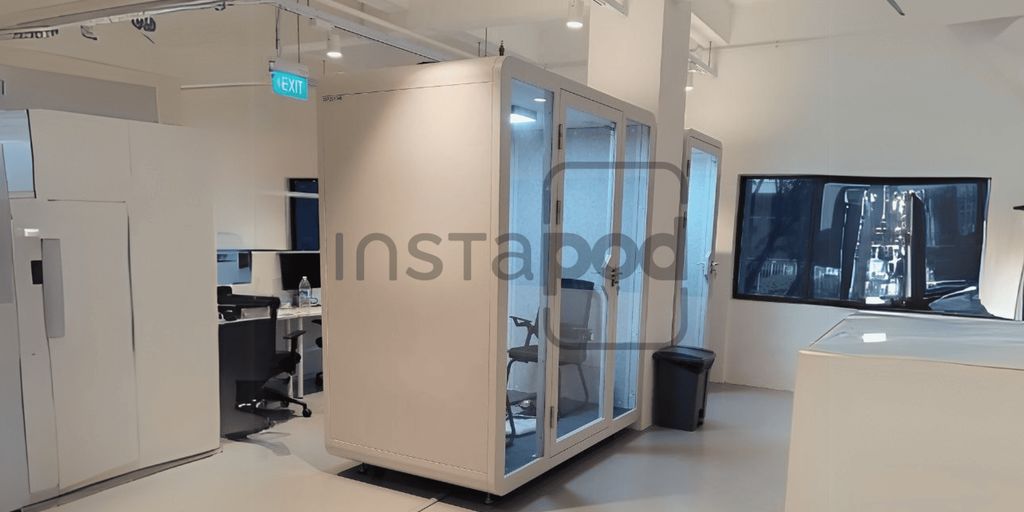
Offices have really changed over the years, haven’t they? We’ve gone from those classic cubicle farms to wide-open spaces that were supposed to boost teamwork. But, as it turns out, open offices can be pretty noisy and distracting. That’s where a new solution is popping up: the office booth. These little spaces are designed to give people a quiet spot to focus or have a private chat, making them a big deal for modern workplaces.
Key Takeaways
- Office design has shifted from cubicles to open-plan layouts, and now towards more flexible, human-focused solutions.
- Open-plan offices, while aiming for collaboration, often lead to noise, distractions, and a lack of privacy, impacting productivity and well-being.
- An office booth provides a dedicated, soundproof space for focused work, private calls, and small meetings, addressing common open-plan issues.
- Investing in premium office booths can improve concentration, offer necessary privacy, and boost employee satisfaction by creating better work environments.
- Choosing the right office booth involves considering size, soundproofing, comfort, aesthetics, and how it fits into hybrid work models and overall office design.
The Evolution of Office Design: From Cubicles to Collaboration
Office design hasn’t always been about sleek lines and open spaces. Think back to the corner offices of the 1960s, then the rise of the cubicle in the 1980s. These were the dominant styles for decades, each reflecting the work culture of its time. The cubicle, in particular, offered a sense of personal space in a sea of desks, a compromise between the isolation of private offices and the chaos of a fully open room. It was a way to give people their own little corner to get work done.
Then came the big shift: the open-plan office. Heralded as the ultimate tool for collaboration and transparency, these layouts aimed to break down barriers and encourage spontaneous interaction. Companies traded walls for wide-open floors, hoping to spark innovation and teamwork. Technology also played a huge role, with better connectivity and tools making it easier for people to work together, regardless of physical proximity.
The Shifting Landscape of Workspaces
The way we work is constantly changing, and office design has to keep up. What employees expect from their workspace today is very different from even ten years ago. With more options for remote and flexible work, offices are no longer just places to clock in and out. They need to be environments that support different work styles and help people do their best.
- Flexibility is key: Workplaces need to adapt quickly to new needs. This means furniture that can be moved, walls that can be reconfigured, and spaces that can serve multiple purposes.
- Employee needs come first: Design is now focused on making people feel good and work well. This includes things like natural light, comfortable furniture, and spaces that allow for both focused work and social interaction.
- Technology integration: Offices need to support the latest tools and technologies that enable collaboration and efficiency, whether people are in the office or working remotely.
Cubicles and Open-Plan Offices: A Historical View
For a long time, the office was defined by either private offices or cubicles. Cubicles, introduced in the late 1960s, were a response to the need for individual workspaces within larger office floors. They provided a degree of privacy and a personal zone, but they also created a somewhat isolating environment. The open-plan office, which gained popularity in the late 1990s and early 2000s, was a reaction against the perceived limitations of cubicles. The idea was to create a more dynamic and connected atmosphere, promoting teamwork and communication. However, this shift also brought its own set of challenges, particularly concerning noise and distractions.
The Rise of Flexible and Human-Centred Design
Today, the trend is moving towards designs that are more adaptable and put the employee at the center. This means creating spaces that can be easily changed to suit different tasks and team needs. It’s about giving people more control over their environment, whether that means finding a quiet spot to concentrate or a comfortable area for a team meeting. The goal is to create offices that are not just functional but also supportive of well-being and productivity. This approach recognizes that a happy and comfortable employee is often a more productive one, and that the physical space plays a big part in that.
The modern office is no longer just a place to work; it’s a tool to help people do their best. Design choices now reflect a deeper understanding of how people actually work and what they need to be successful and content in their jobs. This shift means moving away from one-size-fits-all solutions towards environments that offer variety and choice.
Addressing the Drawbacks of Open-Plan Offices
The open-plan office was supposed to be the future, right? Everyone together, sharing ideas, collaborating like crazy. And sure, for some quick chats, it can work. But let’s be real, it often falls short. The constant hum of activity, phones ringing, people talking – it’s a lot. It’s tough to get anything done when you’re constantly being interrupted.
The Challenge of Noise and Distractions
Think about it. You’re trying to focus on a report, or maybe you’re on an important client call. Suddenly, someone’s loud conversation is right next to you, or a team meeting erupts nearby. It’s not just annoying; it really messes with your concentration. Studies have even shown that in open offices, people tend to interact less face-to-face because they’re trying to avoid the noise, often resorting to headphones just to get some peace.
The Need for Privacy in Modern Work
Beyond just noise, there’s the privacy issue. We don’t always work on public-facing tasks. Sometimes you need to discuss sensitive HR matters, have a confidential client meeting, or even just a private video call without the whole office listening in. Finding a quiet, private spot in an open-plan setup can be a real headache, leading to missed calls or awkward conversations in hallways.
Impact on Productivity and Employee Well-Being
All these distractions and the lack of private space can really take a toll. It’s not just about getting less work done; it can actually increase stress levels and lead to burnout. When employees can’t find a quiet place to concentrate on deep work, their productivity suffers, and their overall well-being can decline. It’s hard to feel good about your job when your workspace is actively working against you.
Introducing the Office Booth: A Solution for Focused Work
The open-plan office, while aiming for collaboration, often falls short, leaving employees battling noise and a lack of privacy. This is where the office booth, or phone pod, steps in as a practical solution. These aren’t just glorified cubicles; they’re thoughtfully designed enclosures meant to give people a quiet space to get things done.
What Defines an Office Booth?
At its core, an office booth is a self-contained unit built to offer a quiet zone within a larger, often noisier, workspace. Think of them as mini-rooms that can be placed almost anywhere. They’re engineered with soundproofing in mind, creating a barrier against the usual office chatter, keyboard clicks, and ringing phones. This makes them ideal for tasks requiring concentration or for private conversations.
Versatility in Size and Configuration
One of the best things about modern office booths is how adaptable they are. You can find them in various sizes:
- Solo Booths: Perfect for one person needing to take a call or focus on a task.
- Two-Person Booths: Good for a quick, private chat or a small, informal meeting.
- Larger Booths: Some can accommodate up to six people, suitable for team discussions or client meetings.
This variety means you can pick the right size for the job, whether it’s a quick phone pod for a sales call or a slightly larger space for a brainstorming session.
Creating Quiet Havens in Busy Environments
These booths are designed to be placed strategically throughout an office. Imagine needing to make an important client call or participate in a video conference. Instead of trying to find an empty meeting room or whispering in a corner, you can simply step into a nearby booth.
The ability to step away from the main work area into a dedicated, quiet space can significantly reduce stress and improve focus. It’s about giving employees control over their immediate environment.
This simple act of providing a private, quiet space can make a big difference in how productive and comfortable people feel at work. They offer a much-needed escape from the constant buzz of an open office, allowing for deeper concentration and more professional private communications.
Key Benefits of Investing in Premium Office Booths
Investing in good office booths really makes a difference, and not just for how the place looks. It’s about giving your team the tools they need to do their best work. Think about it: when people can actually concentrate without a constant buzz of chatter or phones ringing, their output goes up. It’s pretty straightforward.
Enhanced Focus and Reduced Distractions
Open offices are great for some things, like quick chats, but they’re terrible for deep work. Booths act like little quiet zones. They block out a lot of the background noise that pulls people away from what they’re doing. This means fewer mistakes, more gets done, and people don’t feel as drained at the end of the day from trying to concentrate.
- Less noise means better concentration.
- Fewer interruptions lead to higher quality work.
- Employees feel more in control of their work environment.
When you give employees a space where they can actually focus, you’re not just helping them; you’re helping the whole company perform better. It’s a simple trade-off: quiet space for better results.
Improved Privacy for Sensitive Discussions
Not everything can be discussed out in the open. Whether it’s a private chat with HR, a sensitive client call, or a confidential project meeting, privacy is a big deal. Booths provide a secure, sound-dampened space where these conversations can happen without anyone else overhearing. This protects sensitive information and makes employees feel more comfortable discussing important matters.
Boosting Employee Morale and Satisfaction
When a company invests in something like office booths, it sends a message. It says, "We care about your comfort and your ability to do your job well." This kind of thoughtful addition can really lift spirits. People appreciate having options for how and where they work. Having these quiet spots available can reduce stress and make the office a more pleasant place to be, which usually means happier employees who stick around longer.
- Shows the company values employee well-being.
- Provides a needed amenity for focused or private tasks.
- Contributes to a more positive overall office atmosphere.
Optimizing Space with Modern Office Booths
Modern offices are always trying to make the most of the space they have. It’s a real puzzle, especially with more people working hybrid schedules. You want to give everyone a good place to work, but tearing down walls isn’t always an option. That’s where things like conference room pods and office privacy pods really shine. They let you add functional zones without a huge construction project.
Think about it: you can take a corner of a larger open area and turn it into a quiet spot for focused work or a private call. It’s a much simpler way to adapt your office layout. These pods are designed to fit into existing spaces, so you don’t have to rethink the whole floor plan. They’re like ready-made rooms that you can just place where you need them.
Here’s how they help make better use of your office:
- Adding Quiet Zones: You can create dedicated areas for people who need to concentrate, away from the general office buzz. This is great for tasks that require deep focus.
- Private Meeting Spots: Need a place for a confidential chat or a video conference? These pods offer the privacy you can’t get in an open layout. They act as mini, soundproof meeting rooms.
- Flexibility for Hybrid Work: As work arrangements change, your office needs to keep up. Pods can be moved or reconfigured if your team’s needs shift, supporting different work styles.
These modular solutions are a smart way to upgrade your office environment. They provide the privacy and quiet people need without the cost and disruption of traditional building work. It’s about making your existing space work harder for your team.
Plus, they can really change the look of your office. Many come in sleek, modern designs that can actually improve the overall aesthetic. It’s a way to brand your space and show you care about providing a good work environment. Investing in these kinds of soundproof office pods is a practical step towards a more efficient and employee-friendly workplace.
Choosing the Right Office Booth for Your Business Needs
So, you’ve decided that office booths are the way to go for your business. That’s great! But now comes the part where you actually pick the right ones. It’s not just about grabbing the first shiny booth you see, you know. There are a few things to really think about to make sure you get the best fit for your team and your space.
Considering Size, Functionality, and Soundproofing
First off, what exactly do you need these booths for? Are they for one person to take a quick call, or do you need a spot for a small team to huddle up and brainstorm? Booths come in all sorts of sizes. You’ve got the small, single-person phone booths, perfect for private calls or focused work. Then there are the medium-sized ones that can fit two or three people for a quick meeting. And don’t forget the larger ones, which are more like mini meeting rooms. Think about the most common uses in your office before you buy.
Beyond just size, think about how they’ll be used. Some are designed purely for quiet focus, while others might have a small table or whiteboard. And soundproofing? This is a big one. You want to make sure the booth actually does its job and keeps the noise out, and also keeps your conversations in. Check the specs on how well they block sound. It makes a huge difference.
Evaluating Ventilation, Comfort, and Aesthetics
Nobody wants to feel stuffy or uncomfortable while they’re trying to get work done. Good ventilation is key. Some booths have built-in fans, which is a nice touch, especially if someone’s going to be in there for a while. Also, consider the seating. Is it comfortable? Will people actually want to sit in it for a decent amount of time?
And let’s not forget how they look. These booths are going to be part of your office environment. Do they match your company’s style? Are they sleek and modern, or do they look a bit out of place? Picking something that fits with your overall office design can actually make the whole space feel more put-together and professional. It’s like picking out furniture for your living room, but for work.
Ensuring Sustainability and Durability for Long-Term Value
When you’re investing in office furniture, you want it to last, right? Look at the materials used. Are they good quality? Will they hold up to daily use? Choosing durable booths means you won’t have to replace them in a year or two, which saves money and hassle in the long run. It’s also worth checking if the materials are sustainable. Many companies are making booths with eco-friendly materials now, which is a nice bonus if that’s important to your business.
Picking the right booth isn’t just about ticking boxes; it’s about creating better work environments for your people. Get it right, and you’ll see the benefits in focus, privacy, and overall happiness.
Here’s a quick rundown of what to look for:
- Purpose: Solo work, calls, or small meetings?
- Size: How many people need to fit comfortably?
- Soundproofing: How effective is it at blocking noise?
- Ventilation: Is there good airflow?
- Comfort: Is the seating and interior pleasant?
- Aesthetics: Does it fit your office style?
- Durability: Will it last a long time?
- Sustainability: Are the materials eco-friendly?
The Office of Tomorrow, Today
So, we’ve seen how offices have gone from those old-school cubicle farms to the open-plan setups that caused so much noise. Now, with people working in all sorts of ways, the focus is really on making spaces that work for everyone. Things like quiet pods and flexible furniture are popping up because they help people concentrate and get their work done without all the usual office chaos. It’s clear that how we design our workspaces is still changing, and it’s all about making places where people can actually do their best work, feel good, and stay productive. The office isn’t just a building anymore; it’s a tool to help people succeed.
Frequently Asked Questions
What exactly is an office booth?
Think of office booths like small, quiet rooms you can put inside a bigger office. They’re great for when you need to focus on your work without being bothered by noise, or if you need to have a private phone call or meeting.
Why have office designs changed so much?
Office design has changed a lot! We went from cubicles to big open spaces. Now, people realize that open spaces can be too noisy and distracting. So, offices are adding these booths to give people a quiet place to work or talk privately.
What’s the problem with open-plan offices?
Open offices can be really noisy with people talking, phones ringing, and other sounds. This makes it hard for people to concentrate on their tasks. Office booths help block out that noise, making it easier to focus.
Do office booths really offer privacy?
Yes, they do! Booths are designed to be soundproof, which means they keep conversations and calls private. This is important for talking about sensitive topics or just having a normal work chat without everyone overhearing.
What can I use an office booth for?
Booths can be used for lots of things! You can use them for quiet work, making important phone calls, having small meetings, or even just taking a short break to relax and recharge. They’re super flexible.
Are office booths a good idea for hybrid work?
Adding booths is usually easier and cheaper than building new rooms. You can just place them where you need them. This is perfect for companies that have people working from home sometimes and sometimes in the office, because you can move them around.