No pods added to your quote request yet. Add some now for a free quote!
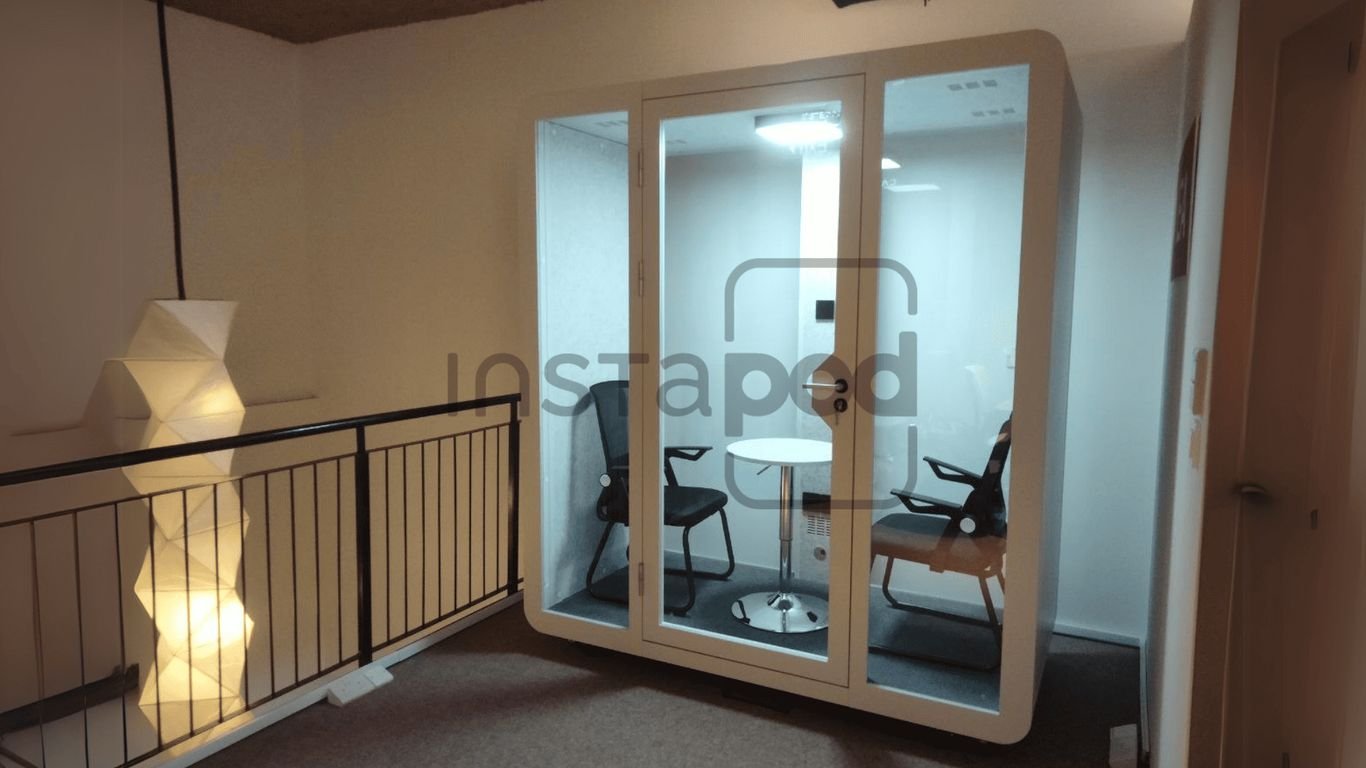
So, your office in Singapore is feeling a bit too loud or maybe just a bit too open? You’re not alone. Lots of places are looking for ways to give people a little quiet space to get work done or have a private chat. That’s where meeting pods come in. They’re like little private rooms you can just pop into your existing office. We’re going to break down how to pick the right ones for your team, looking at what matters most, from how quiet they are to how they look and, of course, how much they cost. Let’s figure out how to make your office a bit more functional with some pods meeting.
Key Takeaways
- Figure out what your team actually needs from a pod – is it for quiet work, private calls, or small group chats? Knowing this helps you choose the right type.
- Soundproofing is a big deal. You want a pod that actually blocks out noise so people can focus or talk privately without being overheard.
- Think about the size. You need pods that fit your space without making the office feel cramped, but also big enough for the intended use.
- Consider how the pods will look. They should fit with your office’s style, not stick out like a sore thumb.
- Don’t forget the budget. Prices vary a lot, so know what you can spend and look for good value, maybe even considering rental options.
Understanding Your Team’s Meeting Pod Needs
Before you even start looking at different pod designs or brands, the most important thing is to really figure out what your team actually needs. It’s super easy to get caught up in how cool a pod looks or what the latest trend is, but if it doesn’t actually help your people do their jobs better, then what’s the point, right? Think about the day-to-day grind in your office. What are people struggling with? Where are the bottlenecks? Getting this right from the start saves a lot of headaches and money down the line.
Assessing Collaboration Versus Concentration Requirements
Not everyone works the same way, and that’s totally okay. Some folks need absolute silence to get their heads down and focus on complex tasks. Others thrive on bouncing ideas off colleagues and need spaces for quick, informal chats. You might have a team that’s constantly on client calls, requiring a private space where background noise isn’t an issue. Or maybe you have a creative department that needs room to spread out and brainstorm. It’s about looking at the different types of work happening and identifying the specific environmental needs for each.
- Observe current work habits: Watch how people naturally interact and where they go when they need quiet or a place to talk.
- Talk to team leads: They often have a good pulse on their team’s specific challenges and requirements.
- Consider employee feedback: A simple survey can reveal a lot about what people feel is missing in the current workspace.
It’s a delicate balance. Too many collaboration spaces and concentration suffers; too many focus zones and spontaneous teamwork might dwindle. The goal is to provide options that cater to both ends of the spectrum, allowing employees to choose the environment that best suits their current task. Think about how many people typically collaborate versus how many need dedicated quiet time. This will guide you on the ratio of different types of pods you might need.
Identifying Primary Use Cases for Pods
Once you have a handle on your team’s varied needs, you can start thinking about the main jobs these pods will do. Are they primarily for:
- Private phone calls and video conferences: This usually means smaller pods with good acoustics.
- Focused, individual work: Think quiet zones where distractions are minimized.
- Small team meetings and brainstorming: These might need a bit more space and perhaps a whiteboard.
- Client meetings: These could require a more polished look and feel.
Knowing the main purpose helps narrow down the features you’ll need, like soundproofing levels, screen integration, or just basic seating.
Determining Optimal Pod Size and Capacity
This is where you connect your identified needs with the physical reality of the pods. A pod that’s too small will feel cramped and unusable, while one that’s too large might be an inefficient use of space and budget. Consider the typical number of people who will use a pod for its intended purpose.
| Pod Type | Primary Use Case | Suggested Capacity | Typical Duration |
|---|---|---|---|
| Focus Booth | Individual Work, Private Calls | 1 Person | Up to 2 hours |
| Small Meeting | Team Huddles, Quick Chats | 2-4 People | Up to 1 hour |
| Collaboration | Brainstorming, Group Work | 4-6 People | Flexible |
Remember to also think about the physical dimensions of the pods themselves and how they will fit into your existing office layout without creating new bottlenecks or disrupting the flow of work.
Evaluating Key Features for Meeting Pods
When you’re looking at meeting pods for your Singapore office, it’s not just about how they look. You’ve got to think about what makes them actually useful. This means digging into a few specific features that can make or break the experience for your team.
Prioritizing Acoustic Performance and Soundproofing
This is probably the most important thing. If a meeting pod can’t keep outside noise out, it’s not much of a retreat. You want a space where people can have a private conversation or focus on deep work without hearing the office chatter. Look for pods built with materials that absorb sound well. Pay attention to how the doors and windows seal; these are often weak points for noise. A well-soundproofed pod makes a huge difference for calls and concentration.
- Check the materials: Are they dense and designed to dampen sound?
- Inspect seals: Do the doors and windows create a tight, secure fit?
- Consider internal acoustics: Does the space feel echoey, or is it calm and quiet inside?
The goal is to create a genuine escape from the office noise, not just a slightly quieter box.
Considering Comfort and Ergonomic Design
People will be spending time in these meeting pods, so comfort is key. Nobody wants to sit in a cramped, stiff chair for an extended period. Think about the seating – is it supportive? Is there enough legroom? Good lighting is also important, and you’ll want to consider ventilation to avoid stuffiness. If a pod isn’t comfortable, your team simply won’t use it, or they’ll be too distracted to be productive.
| Feature | What to Look For |
|---|---|
| Seating | Padded, supportive chairs |
| Space | Room to move, not feel boxed in |
| Lighting | Bright, natural-feeling light |
| Ventilation | Fresh air circulation, not stuffy |
Matching the Office Aesthetic and Style
Your office has a certain look and feel, and you don’t want your new meeting pods to clash with it. They should fit in with your existing decor. Consider the colors, the materials used, and the overall style. A pod that looks good can actually improve the office environment, making it feel more cohesive and professional. It’s about finding something that complements your workplace’s vibe.
- Color Palette: Does it align with your office’s existing colors?
- Material Finish: Does it complement your furniture and other finishes?
- Overall Style: Is it modern, classic, minimalist, or does it fit your brand’s aesthetic?
Budgeting and Acquiring Your Meeting Pods
Alright, let’s talk about the money side of things. Getting meeting pods for your Singapore office isn’t just about picking a cool design; it’s an investment, and like any investment, you need to think about the cost and what you’re getting for it. The price tag on these things can really swing, depending on a bunch of factors.
Understanding Price Variations Based on Features
The size of the pod is a big one, naturally. A little booth for one person to take calls is going to cost a lot less than a larger pod designed for a small team of four. Then there are the materials used. Some pods use more basic stuff to keep costs down, while others go for premium finishes that look great and might last longer. Don’t forget the extras! Things like built-in lighting, ventilation systems, power outlets, and even fancy soundproofing technology all add to the final price. A pod with all the bells and whistles will naturally cost more than a stripped-down version.
Here’s a rough idea of what you might see:
- Single-person pods: Typically range from S$5,000 to S$10,000.
- Two-to-four-person pods: Can go from S$12,000 to S$25,000 or more, depending on features.
- Larger, custom configurations: Prices can go significantly higher.
Exploring Rental and Rent-to-Own Options
Buying outright isn’t the only way to go. If you’re not ready for a big upfront payment, or if your needs might change down the line, renting is a solid option. Many suppliers in Singapore offer rental plans, which lets you spread the cost over time. It’s a good way to get the benefits of a meeting pod without a huge initial hit to your budget. Some companies even have rent-to-own programs. This means you pay a rental fee for a period, and then you have the option to buy the pod outright at a reduced price. It’s a nice middle ground if you’re unsure about a long-term commitment but like the idea of owning it eventually. This is a great alternative if you’re considering office pods for home use but aren’t ready to commit to a purchase.
Seeking Multiple Quotes for Best Value
Because the prices can vary so much, the best approach is to shop around. Don’t just pick the first supplier you find. Get detailed quotes from a few different companies. Make sure you’re comparing apples to apples – ask for the same specifications, sizes, and features in each quote. This will give you a clearer picture of the market and help you find the best deal for your budget.
When you’re getting quotes, be specific about what you need. Do you need it to be super quiet for sensitive calls? How many people will use it regularly? What kind of look are you going for? Providing these details upfront will help suppliers give you more accurate pricing and suggest the right office pods for your team. It saves everyone time and avoids surprises later on.
Getting detailed quotes from multiple vendors is key to finding the best value. Always compare specifications and features to make an informed decision that aligns with your budget and team’s requirements.
Remember, whether you’re looking for meeting pods in Singapore or considering office pods for home, careful budgeting and smart acquisition are just as important as the features themselves.
Strategic Placement and Integration of Pods
So, you’ve picked out some great meeting pods for your Singapore office, but now comes the tricky part: where do they actually go? It’s not just about finding an empty corner; smart placement makes a huge difference in how useful these pods become. Think of it like setting up a new neighborhood – you want the shops where people can easily find them, and the quiet spots tucked away nicely.
Optimizing Layout for Accessibility and Flow
When you’re figuring out where to put your pods, especially those handy meeting pods, take a moment to watch how people move around your office. You don’t want them blocking the main paths or making it a pain to grab a coffee. Ideally, pods should be easy to spot and get to without causing a little traffic jam. Placing them near common areas, but not smack in the middle of everything, usually works well. This way, folks can pop in for a quick chat or a focused work session without bothering everyone else.
Minimizing Disruption in Open-Plan Offices
Open-plan setups are good for getting people talking, but they can get loud. This is where pods really earn their keep. Putting pods in spots that tend to be a bit noisier or have more people walking by can create a much-needed quiet zone. It’s like setting up little quiet havens for concentration. You might want to group a few together if certain teams often need to collaborate without the background noise, or spread them out if individuals just need a break from the general office buzz. It’s all about balancing the need for quiet with the overall vibe of the workspace.
Creating Dedicated Zones for Various Activities
Consider what each pod will actually be used for. Some might be perfect for quick, one-on-one chats, while others could be set up for small team meetings. You could even designate a couple as pure quiet zones for deep work. This helps people know exactly where to go for what they need.
- Focus Booths: Best for individual deep work or private calls.
- Collaboration Pods: Ideal for small groups to brainstorm or discuss projects.
- Quiet Zones: For anyone needing uninterrupted concentration.
Proper planning for pod placement can turn a simple piece of furniture into a powerful tool for productivity and employee well-being. It’s about making the office work better for everyone, not just adding more stuff.
Think about how these pods can serve different purposes. A pod near the entrance might be great for quick client greetings, while one tucked away in a corner could be perfect for a team needing to hash out a sensitive issue. Making sure each pod has a clear purpose makes them more likely to be used effectively.
Ensuring Seamless Installation and Technology
So, you’ve picked out the perfect meeting pods for your Singapore office. That’s great! But getting them set up and making sure they actually work with your existing tech is a whole other ballgame. It’s not just about putting furniture in a room; it’s about making sure these new spaces are functional from day one.
Planning for Efficient Pod Installation
Before the delivery trucks even pull up, you need a game plan. Think about how these pods are going to get into your office. Are the doorways wide enough? Will they fit in the elevator? If you’re on a higher floor, can they make it up the stairs? Measuring is key here. Also, consider the timing. Installing during work hours can really disrupt your team. It’s often way better to schedule it for evenings or weekends if possible. This means less noise, less traffic in the hallways, and your team can come in the next day to a fully set-up pod.
- Check Access Points: Measure all doorways, hallways, and elevator shafts the pods will need to pass through.
- Prepare the Site: Clear the area where the pods will be installed. Ensure the floor is level and free of obstructions.
- Schedule Wisely: Coordinate installation during off-peak hours or weekends to minimize workplace disruption.
Ensuring Connectivity and Technology Integration
These pods aren’t just fancy boxes; they’re meant to be productive spaces. That means they need power and internet. You’ll want to figure out where the power outlets will come from. Are there existing ones nearby, or will you need to run new electrical lines? And for internet, how will the cables be routed neatly and safely? If your pods come with built-in screens or other tech, make sure these are tested and working before the installation is considered complete. It’s worth looking into companies that specialize in office furniture installation, as they often have experience with these kinds of technical details. They can help make sure everything is set up correctly, from the basic structure to the tech setup.
Don’t underestimate the value of professional help. It can save you time, headaches, and potential costly mistakes down the line. Think of it as an investment in making sure your new workspace additions function perfectly from day one.
Establishing Clear Usage Guidelines and Rules
Okay, the pods are installed and working. Awesome. But just because they’re there doesn’t mean everyone knows how or when to use them. You need to tell your team about them! Explain what each pod is for. Is it for quiet calls? Quick team chats? Private work? Sending out an email or putting up a small sign can make a big difference. Clear guidelines help avoid confusion and make sure the pods are used as intended. You don’t want a pod meant for focused work to become a loud hangout spot, right? Setting some basic rules helps manage expectations and keeps things running smoothly for everyone.
- Communicate Purpose: Clearly explain the intended use of each pod type (e.g., focus, calls, small meetings).
- Set Expectations: Outline basic etiquette, such as keeping noise levels down or booking procedures if applicable.
- Gather Feedback: Ask your team for their thoughts on the pods and how they’re being used. This helps you make adjustments.
Gathering Feedback for Continuous Improvement
So, you’ve gone through the effort of picking out and installing meeting pods. That’s a big step! But the work doesn’t stop there. To really make sure these new spaces are working for everyone in your Singapore office, you’ve got to check in and see how they’re being used and what people think. It’s like planting a garden; you don’t just put the seeds in the ground and walk away. You need to water it, check on the plants, and maybe move things around if they aren’t growing right.
Collecting User Feedback on Pod Performance
Start by asking your team directly. What’s going well with the pods? Are they being used as you expected? Maybe a certain type of pod is always booked solid, while another sits empty. This kind of information is gold. You can do this in a few ways:
- Short Online Surveys: Send out a quick questionnaire with a few key questions. Keep it brief so people are more likely to complete it. Ask about ease of booking, comfort, and whether the pod met their needs for that specific task.
- Informal Chats: Casually ask people in the break room or as you pass by their desks. Sometimes, a quick, unprompted comment can be very telling.
- Suggestion Box (Digital or Physical): Offer a way for people to share thoughts anonymously if they prefer.
Adjusting Pod Strategy Based on Usage Patterns
Once you have some feedback, it’s time to look at the data and see what it tells you. Are your single-person pods being used for quick calls, or are people settling in for hours of deep work? Is the small meeting pod always booked for two people, when it could fit four? This helps you understand the actual needs versus what you initially thought.
Here’s a look at how usage might inform adjustments:
| Pod Type | Initial Purpose | Observed Usage | Potential Adjustment |
|---|---|---|---|
| Single-Person | Focused Work, Calls | Mostly used for short, private phone calls | Reinforce guidelines for longer focus sessions if needed |
| Small Meeting | 2-4 Person Meetings | Frequently booked by pairs for quick chats | Consider adding more single-person pods if demand is high |
| Collaboration | Brainstorming, Huddles | Underutilized; teams prefer open common areas | Re-evaluate placement or promote its use for specific tasks |
Don’t just collect feedback; act on it. Showing your team that their input leads to tangible changes builds trust and encourages future participation. It demonstrates that the office environment is a collaborative effort.
Maximizing the Value of Your Meeting Pod Investment
Think of your meeting pods as living parts of your office. They need attention to keep performing well. If a pod is consistently booked, maybe it’s time to think about adding another one, or perhaps a different type. If one isn’t getting much use, try to figure out why. Is it in a bad location? Is it too small? Or maybe the team just doesn’t see its purpose. By paying attention to how the pods are used and listening to your team, you can make sure they remain a helpful and productive part of your workspace, rather than just expensive furniture.
Wrapping Up Your Pod Search
So, finding the right meeting pod for your Singapore office doesn’t have to be a huge puzzle. Whether you’re a small startup needing a quiet corner or a larger company looking to boost team collaboration, there are plenty of options out there. It really comes down to knowing what your team needs most – is it total quiet for deep work, or a space for quick brainstorms? Think about the size of your office, how many people will use the pods, and what look you’re going for. With a little bit of looking around, you can totally find a spot that makes everyone happy and helps your team get stuff done without breaking the bank. It’s pretty cool how many choices there are now, right?
Frequently Asked Questions
What exactly are meeting pods?
Meeting pods are like small, private rooms or booths you can place inside a larger office. Think of them as mini-offices or quiet nooks. They’re designed so you can have private conversations, make calls, or focus on your work without being bothered by the noise around you. They come in different sizes, from booths for just one person to small rooms that can fit a few people.
Why are meeting pods useful for modern offices?
Meeting pods are great for today’s offices because they help people work better. They give workers a quiet spot to concentrate, which can be hard to find in open-plan offices. They also make it easy to have quick, private meetings or phone calls without disturbing others. This can lead to happier employees and more work getting done.
How much do meeting pods typically cost?
The price for meeting pods can vary a lot. It depends on things like how big the pod is, the materials used to make it, and any extra features it has, such as special lighting or soundproofing. You can find simple, small pods for a few thousand dollars, but larger or custom-made ones can cost much more. It’s a good idea to get prices from different companies to see what fits your budget.
Can I rent meeting pods instead of buying them?
Yes, you can definitely rent meeting pods! Buying them isn’t the only option. If you don’t want to pay a lot upfront, or if your needs might change later, renting is a smart choice. Many companies in Singapore offer rental plans, which let you pay over time. Some even have programs where you can rent-to-own, meaning you pay rent for a while and then have the option to buy it at a lower price.
How do I know what size pod my team needs?
To figure out the right size, think about how many people will usually use the pod at one time. If it’s mostly for individual calls or focused work, a single-person pod might be enough. If it’s for small team discussions, a two-to-four-person pod would be better. It’s also helpful to consider the space you have available in your office and how much room you want people to have inside.
What’s the most important feature to look for in a meeting pod?
For most offices, the most important feature is acoustic performance, or how well the pod blocks out noise. If a pod isn’t quiet, it defeats the purpose of providing a focused space. You’ll want to check the materials used and how well the doors and windows seal to ensure it keeps outside noise out and inside conversations private.