No pods added to your quote request yet. Add some now for a free quote!
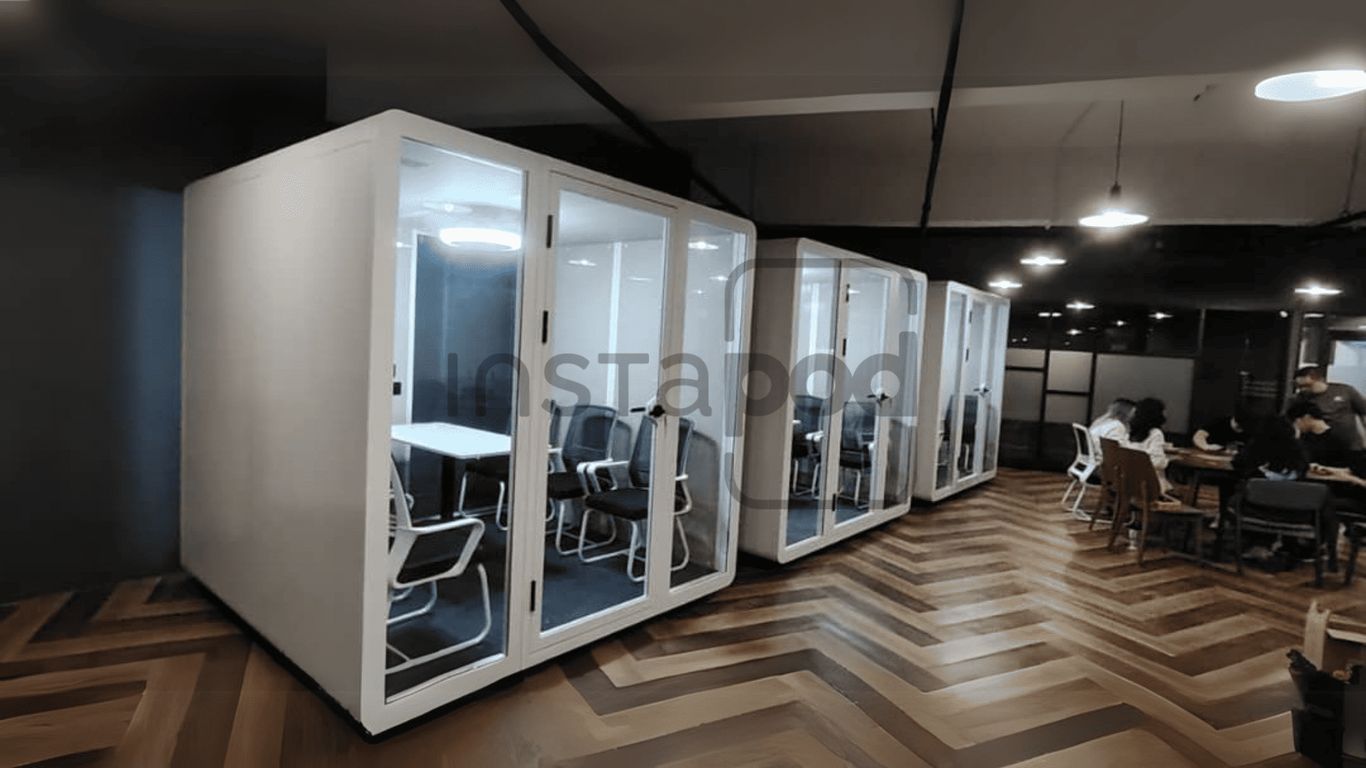
So, you’re thinking about getting some office pods for your workspace, maybe even for home use? It’s a pretty smart move, especially with how offices are these days. Open plans are great for some things, but sometimes you just need a quiet spot to get stuff done or have a private chat without everyone overhearing. Choosing the right pod can feel like a lot, but it really boils down to a few main things. Let’s break down what you should be looking at so you don’t end up with something that doesn’t quite fit the bill.
Key Takeaways
- Figure out exactly why you need the pod – is it for quiet work, calls, or small meetings? This will guide the size and features you look for.
- Soundproofing is a big deal. Make sure the pod actually blocks out noise so you can concentrate or have a private conversation.
- Don’t forget about air. Good ventilation keeps the pod comfy, even if you’re in there for a while. Nobody likes stuffy spaces.
- Think about if you’ll ever need to move the pod. Some are built to be moved easily, which is handy if your office layout changes.
- Consider the overall look and feel. The pod should fit in with your existing office design, not stick out like a sore thumb.
Understanding Your Office Pod Needs
Before you even start looking at different models, it’s super important to figure out exactly what you need these pods for. It sounds obvious, right? But seriously, this step makes all the difference later on. Think about it – a pod for quiet, solo work is going to be very different from one where a team needs to huddle up and brainstorm.
Defining the Primary Purpose
What’s the main job this pod will do? Is it a place for quick, private phone calls where you just need to shut the door and not be overheard? Or is it more for deep concentration, where you need to block out all distractions and get some serious work done? Maybe it’s for small, impromptu team meetings that don’t require booking a conference room. Knowing the primary use case helps narrow down the features you’ll actually need.
Assessing User Capacity
How many people are likely to use the pod at any given time? A single-person phone booth is obviously different from a pod designed for a small group. Consider your team’s typical workflow. If you often have quick check-ins with one or two colleagues, a smaller pod might be perfect. If brainstorming sessions are common, you’ll need something bigger.
Here’s a quick guide:
- 1 Person: Ideal for private calls, focused individual tasks, or video conferences.
- 2-3 People: Good for small team discussions, one-on-one meetings, or quiet work sessions.
- 4+ People: Suitable for collaborative brainstorming, team huddles, or informal meetings.
Considering the Level of Privacy Required
Privacy isn’t just about being out of sight; it’s also about sound. How much soundproofing do you really need? For sensitive client calls, you’ll want top-notch acoustic performance. For a space where someone just needs to focus without being interrupted, maybe a slightly lower level of sound dampening is acceptable. The goal is to create a space that meets the specific privacy needs of its intended use.
Think about the noise levels in your current office. If it’s a constant buzz of activity, you’ll likely need a pod with strong sound-blocking capabilities. If your office is already pretty quiet, you might have more flexibility.
Key Features for Optimal Performance
So, you’ve figured out what you need a pod for and how many people it needs to hold. Great! Now let’s talk about what actually makes a pod work well. It’s not just about having a box to sit in; it’s about creating a functional space that people actually want to use.
Evaluating Soundproofing Capabilities
This is a big one. If you’re getting a pod to escape noise, it needs to actually block noise. Nobody wants to be trying to focus or take a call only to hear the office chatter right through the walls. Look for pods that have good acoustic ratings. Some standards, like ISO 23351-1, give you a number for how much sound they reduce. A good pod should make a noticeable difference, cutting down on distractions so you can actually get things done.
- Check for materials that absorb sound.
- Look for seals around doors and windows.
- Consider how the pod is constructed – thicker walls usually mean better sound blocking.
Don’t just take the manufacturer’s word for it. If you can, try to test out a pod yourself or read reviews from people who have used it in a busy office.
Ensuring Adequate Ventilation and Airflow
It might seem obvious, but you’d be surprised how many pods feel stuffy. If you’re going to be in there for a while, you need air to move. A pod that feels like a sauna isn’t going to help anyone be productive. You want a system that keeps the air fresh without being noisy.
Here’s what to look for:
- Air Exchange Rate: How often does the pod refresh its air? Aim for something that changes the air every 40 seconds or less.
- Fan Noise: Is the ventilation fan loud? A quiet fan is much better for concentration.
- Adjustable Settings: Can you control the fan speed or temperature?
Assessing Lighting and Integrated Technology
Good lighting makes a huge difference to how comfortable a space feels. Harsh, flickering lights are no good for anyone. Most pods come with lights, but the quality can vary a lot. Also, think about power. Do you need outlets for laptops? USB ports for charging devices? Some pods even come with screens or charging pads built-in, which can be super handy if you’re planning on using the pod for video calls or presentations.
| Feature | Standard | Recommended | Notes |
|---|---|---|---|
| Lighting Type | LED | High-Quality LED | Better for eyes, more energy efficient |
| Power Outlets | 1-2 | 2+ | For laptops, phones, etc. |
| USB Ports | 0-1 | 2+ | Convenient for charging multiple devices |
| Integrated Screen | No | Optional | Useful for presentations or video calls |
Types of Office Pods Available
When you’re looking at office pods, it’s not a one-size-fits-all situation. Think about what you actually need them for. Are people going to be working alone, or will small groups gather inside? This really changes the kind of pod you should be looking at. We’ve got a few main categories that cover most bases.
Focus Pods for Individual Work
These are your personal quiet zones. If someone needs to really concentrate on a task without distractions, a focus pod is the way to go. They’re usually designed for one person and come with a small desk or work surface, a comfortable seat, and good lighting. The main goal here is deep concentration. They’re great for tasks that require a lot of mental effort or for when you just need to get away from the office noise.
Meeting Pods for Collaboration
Need a spot for a quick team huddle or a client chat? That’s where meeting pods shine. These are bigger, built for two or more people. You’ll often find them with tables, maybe a whiteboard, and power outlets for laptops and devices. They’re perfect for brainstorming sessions or when you need a private space for a video conference. If you’re in Singapore and looking for meeting pods, you’ll find plenty of options designed for these kinds of group activities.
| Pod Type | Typical Capacity | Primary Use Case |
|---|---|---|
| Focus Pod | 1 person | Deep individual work |
| Meeting Pod | 2-6 people | Small group meetings |
| Phone Booth | 1 person | Private calls/video chats |
Phone Booths for Private Calls
Sometimes, you just need to make a quick phone call or a short video chat without disturbing anyone or being overheard. That’s what phone booths are for. They’re compact, soundproof, and designed for one person. Think of them as a private, sound-dampened box for your calls. They’re a simple but effective solution for maintaining privacy in a busy office environment.
Choosing the right type of office pod means thinking about who will use it, how often, and for what specific purpose. It’s about creating functional spaces that fit your office’s workflow.
These different types of office pods, whether they’re for focused work, team meetings, or just a quick call, all contribute to a more productive and comfortable workspace. They help break up the monotony of open-plan layouts and give people the options they need throughout the day.
Integrating Pods into Your Workspace Design
So, you’ve figured out what kind of pods you need and what features are important. Now comes the fun part: making them fit into your office without looking like a bunch of random boxes were just dropped in. It’s about making them feel like they belong, you know?
Aesthetics and Material Choices
First off, let’s talk looks. Pods don’t have to be boring. Think about the materials. Do you want something sleek and modern, or more natural and warm? Many pods come with options for different finishes, like wood veneers, fabric panels, or even glass. Choosing materials that match your existing office vibe is key to a cohesive look. You can also get creative with the outside. Some companies let you add custom graphics, company branding, or even living plant walls (biophilic design, they call it) to make them pop. It’s a chance to add some personality to the space.
Strategic Placement for Accessibility
Where you put these things matters. You don’t want them tucked away in a corner where nobody can find them, or right in the middle of a super busy walkway. Think about where people actually need them. If there’s a noisy area, putting a focus pod nearby makes sense. If you have a lot of people doing video calls, maybe a cluster of phone booths near the collaboration zones works best. It’s all about making them easy to get to when someone needs one.
Here’s a quick checklist for placement:
- Near high-traffic areas but not blocking them.
- Close to where the type of work they support happens (e.g., focus pods near quiet zones).
- Accessible for everyone, including those with mobility needs.
- Consider power outlet locations for tech integration.
Blending with Existing Office Decor
This is where you tie it all together. You don’t want your new pods to clash with your current furniture or color scheme. Look for pods that come in neutral colors or offer a range of customizable options. If your office has a lot of natural wood, maybe a pod with a wood finish would look good. If it’s more industrial, perhaps metal accents would fit better. It’s like picking out furniture for your living room – you want it to look like it all belongs together.
Sometimes, the simplest approach is the most effective. Instead of trying to make pods stand out as completely separate entities, consider how they can complement the existing flow and style of your office. This thoughtful integration makes them feel less like an addition and more like a natural part of the workspace evolution.
Think about the overall feel you’re going for. Do you want a calm, focused environment, or something more energetic and collaborative? The pods you choose and where you put them can really influence that. It’s not just about adding furniture; it’s about shaping the experience of the people using the space.
Mobility and Future-Proofing Your Investment
When you’re looking at office pods, it’s easy to get caught up in what they can do right now. But seriously, think about the future. Offices change, teams grow, and sometimes you just need to shuffle things around. That’s where mobility and how easy a pod is to deal with later on really matter.
Evaluating Movable and Modular Options
The ability to move a pod is a big deal, especially if your office layout isn’t set in stone. Some pods are basically furniture on wheels, with sturdy casters and handles that make them pretty simple to push from one spot to another. This is great if you’re constantly tweaking your office setup or if you anticipate needing to reconfigure spaces quickly. It saves a ton of hassle compared to building permanent rooms.
Then there are modular pods. These are designed so you can take them apart and put them back together, maybe even change their size or shape. This is super handy if you think your needs might change significantly down the line. You could expand a small focus pod into a larger meeting space, or vice versa, without buying a whole new unit. It’s like having a Lego set for your office furniture, but way more professional.
Here’s a quick look at what to consider:
- Wheeled Pods: Look for good quality, lockable wheels and sturdy frames. Can they handle different floor types?
- Modular Systems: How easy are the connections? Can you add or remove sections without needing special tools or a degree in engineering?
- Storage: If you might need to store a pod temporarily, how compact can it become when disassembled?
Considering Assembly and Disassembly
Think about how the pod is put together in the first place. If it’s a nightmare to assemble, it’s probably going to be a nightmare to take apart too. Some pods are designed for quick setup and takedown, which is a huge plus if you’re not planning on having them in the same spot forever. This also ties into cost – if you can move and reconfigure pods yourself, you might save on those expensive office fit-out teams.
It’s worth remembering that building permanent meeting rooms in today’s fluid work environments can sometimes feel like a risky investment. Pods offer a way to get that private space without the commitment, letting you adapt as your business needs evolve. Plus, they often cost less than traditional construction, which is always a win.
When you’re checking out pods, ask about the assembly process. Is it something your facilities team can handle, or will you need a specialist? The easier it is to put up and take down, the more flexible your office space truly becomes.
Budgeting for Quality and Value
When you’re looking at office pods, it’s easy to get caught up in the price tag. But honestly, the cheapest option usually isn’t the best one in the long run. You might save a bit upfront, but you could end up with pods that don’t block noise well, feel cramped, or just fall apart after a year or two. It’s really about finding that sweet spot between cost and what you actually get.
Think about it like buying a good tool versus a cheap one. The cheap one might do the job for a little while, but the good one will last you ages and work way better. The same goes for pods. You want something that feels solid, has decent soundproofing, and good airflow so people don’t feel like they’re in a stuffy box.
Here are a few things to keep in mind when you’re figuring out the budget:
- Soundproofing: Don’t just take their word for it. Ask about noise reduction ratings. A good pod should make it hard for outside chatter to get in and for your conversations to get out. This is super important if people need to concentrate or make private calls.
- Build Quality: Look at the materials. Are the walls sturdy? Does the door feel solid? Are the hinges good quality? A well-built pod will feel more permanent and last longer.
- Ventilation: This is a big one that people forget. A pod needs to breathe. If the air isn’t moving, it gets stuffy and uncomfortable really fast. Look for pods with fans that move air effectively without being too loud.
- Features: What’s included? Lighting, power outlets, maybe even USB ports? While you don’t need all the bells and whistles, having the basics covered makes the pod much more usable.
Sometimes, you can get a better deal by buying directly from the manufacturer, cutting out the middleman. Also, consider if you might need to move the pods later. Some are designed to be taken apart and put back together easily, which can save you a lot if your office layout changes.
Don’t just look at the sticker price. Consider the total cost of ownership. A slightly more expensive pod that lasts longer, performs better, and requires fewer repairs might actually be the more economical choice over time. Think about how much productivity you gain from having quiet spaces versus the cost of the pod itself.
It’s a balancing act, for sure. You want to get good value without breaking the bank, and that means looking beyond just the initial cost to what you’re really getting for your money.
Wrapping It Up
So, picking out the right office pod might seem like a lot at first, but really, it’s about figuring out what your team actually needs. Think about whether it’s for quiet calls, focused work, or quick team chats. Make sure it cuts down on noise, has decent air flow so it’s not stuffy, and fits in with how your office looks. Whether you go for something sleek and modern or more practical, the goal is to make your workspace better for everyone. A good pod can really make a difference in how people get their work done and feel about their day.
Frequently Asked Questions
Why are office pods becoming so popular?
Office pods are popular because they give people a quiet place to work or talk in busy offices. With more open office plans, it’s hard to find peace. Pods offer a private spot for calls, focused work, or small meetings, helping people be more productive and feel less stressed.
What’s the main difference between a focus pod and a meeting pod?
A focus pod is usually for one person who needs to concentrate on a task without distractions. A meeting pod is bigger and designed for two or more people to talk, brainstorm, or have a quick chat together.
How do I know if a pod has good soundproofing?
Good soundproofing means the pod keeps outside noise out and inside noise in. Look for pods that are made with thick walls and good seals around the doors and windows. Some standards, like ISO 23351-1, measure how well a pod blocks sound, so checking for those can help.
Is ventilation important in an office pod?
Yes, very! If a pod doesn’t have good airflow, it can get stuffy and uncomfortable quickly. Make sure the pod you choose has a fan system that brings in fresh air often, so it stays pleasant even if you’re inside for a while.
Can I move office pods if I rearrange my office?
Some office pods are built to be moved easily. Many have wheels, or they might be made of sections that can be taken apart and put back together. If you think you might need to change your office layout, look for pods that are designed to be portable or modular.
How much do office pods usually cost?
The price can vary a lot depending on the size, features, and how well they are made. Cheaper ones might not block noise as well or last as long. It’s good to find a balance between cost and quality, looking for a pod that has the features you need and is built to last without costing too much.