No pods added to your quote request yet. Add some now for a free quote!
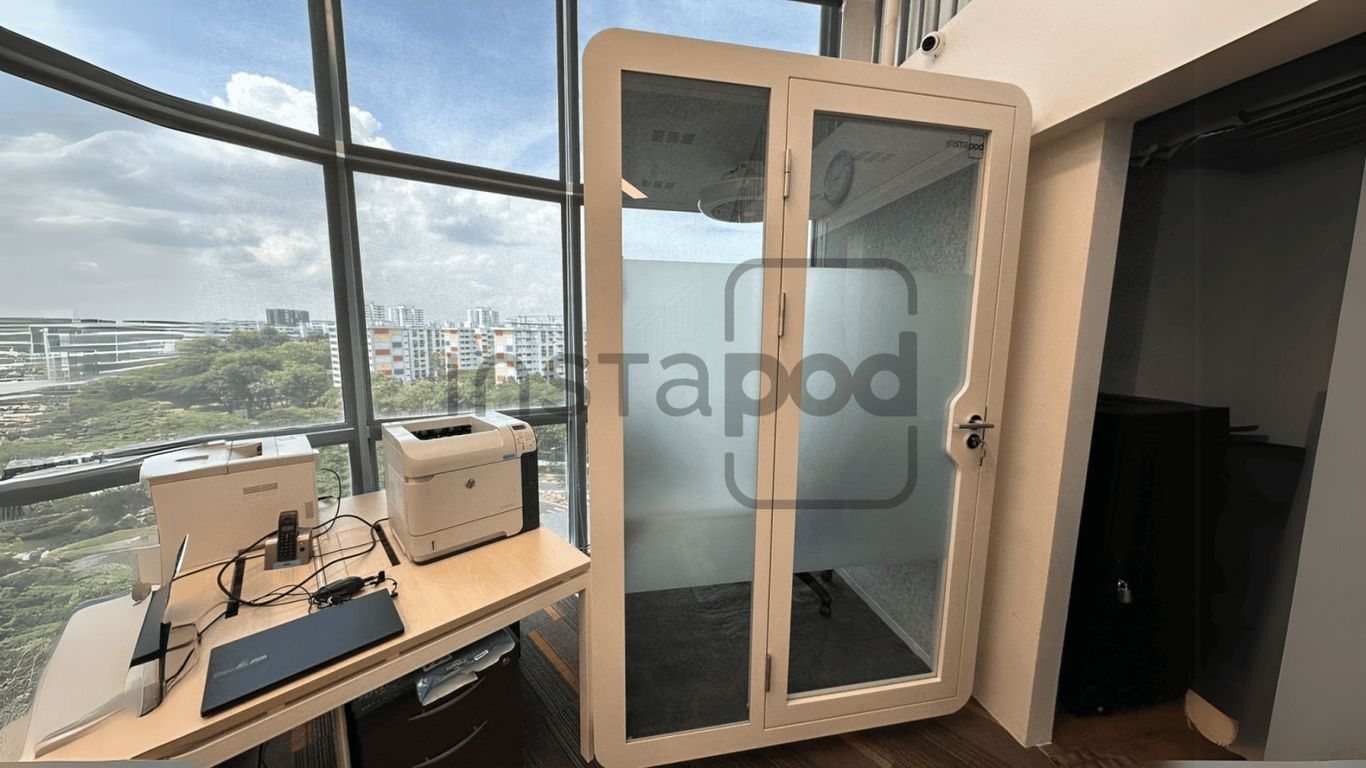
The modern workplace is always changing, and office pods are popping up everywhere. Companies and people are looking for quiet, private spots to get work done. If you’re thinking about getting one, understanding the office pod cost is a big deal before you buy. We’ll break down what goes into the price, the different kinds you can get, and what to think about to make sure you pick the right one for your space and needs.
Key Takeaways
- The office pod cost varies a lot depending on the type, size, materials, and features. Expect to pay anywhere from $5,000 for a basic phone booth to $30,000 or more for a larger, outdoor office pod.
- Phone booths are the most affordable, great for quick calls or focused work. Larger meeting pods or backyard offices will cost more due to their size and added features.
- Think about what you’ll actually use the pod for. Is it for quiet calls, focused solo work, or small team meetings? Your needs will guide you to the right type and price point.
- Beyond the sticker price, factor in potential costs for delivery, installation, and any ongoing maintenance. Some companies include these, while others charge extra.
- Look for pods with good ventilation and soundproofing. These features are key to making the pod a comfortable and productive space, even if they increase the initial office pod cost.
Understanding Office Pod Pricing
When you’re looking at office pods, the price tag can seem all over the place. It’s not just about the size; a lot of different things go into how much these little workspaces cost. Think of it like buying a car – a basic model is one price, but add on all the bells and whistles, and the cost goes up. We’ll break down what makes one pod cost more than another, so you know what you’re really paying for.
Factors Influencing Office Pod Costs
The price of an office pod isn’t set in stone. Several key elements play a big role in the final cost. Understanding these can help you budget better and figure out which features are worth the extra money.
- Materials: The stuff the pod is made of really matters. High-end woods, durable metals, or special eco-friendly composites usually cost more than standard materials. These premium options often last longer and look better, too.
- Soundproofing: This is a major factor. If you need a really quiet space, the quality of the soundproofing materials and how well they’re installed will significantly increase the price. Better soundproofing means more privacy and fewer distractions.
- Brand Reputation: Just like with any product, well-known brands that have a track record of quality and good customer service often charge more. They might also offer better warranties or support.
- Customization: If you want specific colors, layouts, or extra features, expect the price to go up. The more you customize, the more the manufacturer has to do, and that costs money.
The cost of office pods can vary greatly. A simple phone booth might start around $5,000, while a larger, more feature-rich meeting pod or backyard office could easily go up to $40,000 or more. It really depends on what you need.
The Impact of Materials and Design
Let’s talk about what these pods are actually made of and how they’re put together. The materials and the overall design are huge drivers of cost, but they also affect how the pod performs and how long it lasts.
- Premium Finishes: Pods using materials like solid wood, brushed aluminum, or high-quality laminates will naturally cost more than those with basic particleboard or vinyl. These premium materials not only look good but are also more durable.
- Structural Integrity: A well-built pod with a sturdy frame and robust connections will be more expensive. This is especially true for pods designed for outdoor use, which need to withstand weather.
- Aesthetic Appeal: Some designs are more complex or require more intricate craftsmanship, driving up the price. Think about sleek, minimalist designs versus more traditional or ornate ones.
Technological Features and Brand Value
Beyond the basic structure, the tech inside a pod can really add to the price. Plus, who made it matters too.
- Integrated Tech: Features like smart lighting systems, built-in ventilation with air purification, USB ports, power outlets, and even integrated sound systems or booking software all add to the cost. The more tech you want, the higher the price.
- Climate Control: If you need heating or air conditioning within your pod, this is a significant cost addition. It requires more complex installation and energy-efficient components.
- Brand Recognition: Established manufacturers often have higher price points due to their reputation for quality, reliability, and customer support. They might also offer longer warranties, which can be a good value over time. For example, you might find that a well-known brand for office pods costs more upfront but offers better long-term support.
Types of Office Pods and Their Cost
When you’re looking to add some private space to your office, there are quite a few options out there, and they all come with different price tags. It’s not just about size, either; the features and how well they block out noise play a big role. Let’s break down the common types you’ll find.
Affordable Privacy: Phone Booths
If you just need a quiet spot for a quick call or to focus on a single task without interruption, a phone booth is probably your best bet. These are the smallest and generally the most budget-friendly enclosed office pods. They’re designed for one person and offer basic sound dampening. You can find simpler models starting around $5,000, while more robust, better-soundproofed options can go up to $12,000 or more. They’re great for open-plan offices where you need a dedicated space for conversations.
Ergonomic Spaces: Work Pods
Stepping up from phone booths, work pods offer a bit more room and often include a small desk, better lighting, and power outlets. These are ideal for longer periods of focused work or for video conferences where you want a more professional backdrop. Prices for these typically range from $7,500 to $18,000. They provide a comfortable, personal workspace that can really help with concentration.
Team Collaboration: Meeting Pods
Need a place for small teams to gather without disrupting the rest of the office? Meeting pods are the answer. They come in various sizes, accommodating anywhere from two to six people, and sometimes more. Because they’re larger and often have more features like integrated whiteboards or better seating, they cost more, generally between $9,000 and $40,000. These are fantastic for brainstorming sessions or client discussions.
Rest and Recharge: Nap Pods
Employee wellness is a big deal these days, and nap pods are designed specifically for that. These are usually single-occupancy spaces focused on comfort and quiet, allowing employees to take a short break to recharge. While they might seem like a luxury, their price point is often comparable to work pods, ranging from $8,000 to $15,000. They can genuinely boost morale and productivity by giving people a place to de-stress.
Standalone Solutions: Backyard Office Pods
For those working from home or needing a completely separate workspace, backyard office pods are a popular choice. These are often larger, more robust structures, sometimes built with weather-resistant materials if they’re meant to be placed outdoors. They can be quite customizable, leading to a wider price range, often starting around $15,000 and going well over $30,000 depending on size, features, and finishes. These offer the most flexibility for creating a dedicated home office or studio space. If you’re looking to maximize your existing property, exploring indoor office pod ideas might spark some inspiration for how these can be integrated.
The Value Proposition of Office Pods
Office pods might seem like a simple purchase, but they offer a lot more than just a quiet corner. Think of them as investments in your team’s ability to focus and feel good about their work. They’re not just furniture; they’re tools that can really change how people get things done day-to-day. When you’re looking at the cost, it’s easy to get caught up in the numbers, but considering what you get back is just as important. These units can seriously boost how much people accomplish and how happy they are at work.
Enhancing Privacy and Focus
Open-plan offices are great for collaboration, but let’s be real, they can be a distraction nightmare. Constant noise, people walking by, the general buzz – it all adds up. This is where pods shine. They create a personal bubble, a quiet zone where you can actually concentrate without being interrupted. This isn’t just about avoiding noise; it’s about reducing the mental load of always being ‘on’ and visible. Having a dedicated space for deep work means fewer errors and better quality output. It’s about giving people the control to choose their environment based on the task at hand.
- Reduced Interruptions: Significantly cuts down on noise and visual distractions.
- Improved Concentration: Allows for deep work sessions without constant breaks.
- Psychological Comfort: Provides a sense of personal space, reducing stress and mental fatigue.
The psychological impact of constant visibility in open offices can be draining. Pods offer a much-needed respite, allowing employees to recharge mentally and return to their tasks with renewed focus.
Boosting Productivity and Wellness
When people can focus better, they get more done. It’s that simple. But it goes beyond just output. A comfortable, private space also contributes to overall well-being. Good ventilation, comfortable seating, and the ability to control your immediate environment all play a role in reducing stress and preventing burnout. Think about it: a space that feels good to be in naturally makes you want to work there. This can lead to happier employees and, consequently, a more productive team. It’s a win-win situation that supports both the individual and the company’s goals. Investing in these spaces is investing in your people, and that’s a smart move for any business looking to create a better workspace.
Flexibility in Workspace Design
One of the best things about office pods is how adaptable they are. Unlike permanent walls or built-in rooms, pods can be moved around as your needs change. If your team grows, or you decide to reconfigure your office layout, you can simply relocate the pods. This flexibility means you’re not locked into a specific setup. It’s a way to future-proof your office space, making it easier to respond to new trends or business requirements without major construction. This adaptability is key in today’s fast-moving work environments.
- Easy Relocation: Pods can be moved to different areas of the office as needed.
- Scalability: Add more pods as your team or needs expand.
- Adaptable Layouts: Supports various team sizes and work styles without major renovations.
Key Considerations Before Purchasing
Choosing the right office pod isn’t just about the price or picking the most stylish model. There are a few important things everyone should keep in mind before making this investment. Let’s break down what you need to look for so you don’t end up with a pod that doesn’t fit your space or work needs.
Assessing Your Specific Needs
First off, take a close look at what you actually need from an office pod. Ask yourself:
- How many people will use the pod at once? Is it for quick phone calls, heads-down work, or team meetings?
- Where will the pod go? Measure carefully—floor space and ceiling height both matter.
- Do you want built-in features like lighting, power outlets, or ventilation?
It’s tempting to go for the biggest or most advanced option, but a compact pod might be perfect for a small office if you make smart use of underutilized areas. For example, some compact pods fit easily in corners or between desks, and still offer privacy and quiet.
Choose a pod that fits your everyday workflow, not just the occasional project or meeting.
Evaluating Soundproofing and Acoustics
A pod’s main job is to block out distracting noise, and not all pods are equally good at this. Pay close attention to:
- Sound rating: independently tested ratings (usually noted in decibels) are more reliable than a manufacturer’s claim
- Acoustic panels: soft, padded walls absorb echoes—hard surfaces can make it feel like you’re in a tiled bathroom
- Seals and insulation: check for gaps around doors or vents
| Soundproofing Feature | Why It Matters |
|---|---|
| Acoustic panels | Soaks up internal echoes |
| Thick door seals | Reduces noise leakage |
| Double-glazed glass | Keeps voices inside the pod |
You don’t want outside chatter creeping in, but you also want your voice not to bounce back at you.
Understanding Installation and Logistics
Setting up a pod isn’t as easy as assembling flat-pack furniture. Most pods need at least two people—and sometimes a professional—to get everything set up correctly. Here are a few logistics to run through:
- Will your office building allow large deliveries or require scheduling?
- Does the pod need to be placed near electrical sources for power or data?
- If you need to move offices, can the pod be taken apart and reassembled?
A lot of buyers try DIY assembly to save money, but connecting fans, lights, or outlets isn’t always simple. In most cases, it’s worth checking if installation support is available. You also want to ask about warranty options, and if the vendor offers on-site repairs.
Take the time to plan every step of the setup—otherwise, you could find yourself in a headache of boxes and tangled wires.
Remember, a good office pod is only as useful as how well it matches your space, your sound needs, and your installation abilities. Putting in the work now saves headaches down the line.
External Factors Affecting Office Pod Cost
When you’re looking at buying an office pod, it’s not just about the pod itself. There are a bunch of outside things that can really change the price tag. It’s like buying a car – the sticker price is one thing, but then you’ve got taxes, fees, and maybe some optional extras that add up. For office pods, these external factors can be pretty significant.
Labor and Shipping Cost Trends
Right now, getting things made and moved around is costing more. Wages for people working in manufacturing and shipping have been going up. Plus, fuel prices aren’t exactly cheap these days. This means that the cost to actually build the pods and then get them to your door is higher than it used to be. If you’re looking at a pod that’s really well-made, with great soundproofing and fancy finishes, expect those shipping and installation costs to be a bigger part of the total price. It’s a trend that’s affecting a lot of industries, not just office pods.
Tariff Impacts on Material Expenses
Government decisions about tariffs can also play a big role. When tariffs are put on materials like steel, aluminum, or other things used to build these pods, the cost of those raw materials goes up for the manufacturers. Naturally, they have to pass some of that extra cost onto us, the buyers. So, if a pod uses a lot of imported parts, you might find it’s more expensive because of these trade policies. It’s something to keep an eye on, especially if you’re comparing prices from different suppliers.
The Role of Technological Advancements
Technology is always moving forward, and that’s true for office pods too. Newer models are starting to come with things like smart climate control, air purifiers, and lights that you can control with your phone. These features are pretty neat and can make working in the pod much more comfortable. However, all that tech adds to the price. Pods with the latest gadgets and smart features will almost always cost more than the simpler models. It’s a trade-off between having a really modern, convenient space and sticking to a tighter budget. If you’re interested in how technology is changing workspaces, you might find our article on flexible workspace solutions insightful.
It’s important to remember that the price you see initially might not be the final price. Always ask about delivery, installation, and any potential import duties or taxes that could affect the total cost of your office pod.
Making an Informed Office Pod Investment
So, you’re thinking about getting an office pod. That’s cool. It’s not just about picking a box; it’s about making sure it actually works for you and your space.
Prioritizing Eco-Friendly Materials
When you’re looking at pods, especially if your company cares about being green, check out what they’re made of. Lots of places are using recycled stuff like wood or bamboo, which is pretty neat. Some even use materials that don’t give off bad fumes, which is good for the air inside. You might see certifications like FSC for wood, or GREENGUARD for air quality. It’s worth looking into if you want a healthier spot to work and want to be kinder to the planet. It shows you’re thinking about the bigger picture, not just the immediate need for a quiet space.
Budgeting for Assembly and Installation
Don’t forget to factor in the cost of putting the pod together. Most of these things aren’t just plug-and-play. You might need a couple of people, maybe some tools, and if it has lights or fans, you’ll probably need to hook it up to electricity. Some companies offer installation services, which can save you a headache, but it adds to the overall price. If you’re thinking of a simple, modern phone booth, it might be easier, but larger meeting pods can get complicated. It’s smart to get a clear quote that includes everything from delivery to the final screw.
Essential Safety Standards and Certifications
This is super important. You want to make sure the pod is safe to be in. Ask about fire safety ratings and how well the ventilation works. You don’t want to feel stuffy or worry about air quality. Also, check if the soundproofing claims are backed up by actual tests, not just what the company says. If you ever need to move offices, see if the pod can be taken apart and put back together. It’s also good to know if there’s a support team available if something breaks down.
Buying an office pod is more than just a purchase; it’s an investment in how people work. Thinking through the materials, how it gets put together, and its safety features will help you pick a pod that actually makes your workspace better, not just adds another piece of furniture.
When you’re comparing options, remember that a well-designed pod, like those focused on good acoustics, can make a big difference in how useful it is. It’s about finding something that fits your specific needs, whether it’s for quick calls or focused work. You can find some great options for flexible workspace solutions that offer this kind of adaptability.
Wrapping Up Your Office Pod Decision
So, after looking at all the different types and what goes into the price, it’s clear that office pods are more than just a fancy office trend. They’re a practical way to give people private space without a huge renovation. Whether you’re setting up a quiet corner in a busy office or building a dedicated workspace at home, knowing the costs and what features really matter will help you pick the right pod. Think about what your team actually needs, check the ventilation, and don’t forget to ask about installation. Getting the details right means you’ll end up with a pod that people actually want to use, making it a solid investment for focus and comfort.
Frequently Asked Questions
How much do office pods usually cost?
The price of office pods can change a lot depending on what kind it is and what features it has. Simple phone booths might start around $3,500, while bigger, fancy backyard offices could cost $30,000 or more. Pods that can be used inside or outside, like some from Autonomous, often cost between $12,000 and $28,000.
Can office pods be used outside?
Yes, they can! Some models, like the Autonomous WorkPod Versatile and WorkPod Mini, are made to handle different weather and have insulation. This means they work well on patios, rooftops, or in gardens all year round.
What makes the price of an office pod go up or down?
Several things affect the cost. The size of the pod, how well it blocks sound, the materials used to build it, and if it has special tech like climate control or smart features all play a part. The brand’s reputation and any warranty offered also influence the price.
Do office pods really help people get more done?
Definitely! By giving people a quiet and private place to work, office pods cut down on distractions and stress. This helps everyone focus better and take quick breaks to feel refreshed, which leads to better work.
Does the price include putting the pod together?
It really depends on who you buy from. Some companies include delivery and setup in their price, while others charge extra. It’s super important to ask about this before you buy so there are no surprises.
Are the cheaper office pods any good?
You can find office pods for under $5,000, and they can offer good privacy, especially if you’re okay with putting it together yourself. These basic options can be a great starting point if you’re on a tighter budget.