No pods added to your quote request yet. Add some now for a free quote!
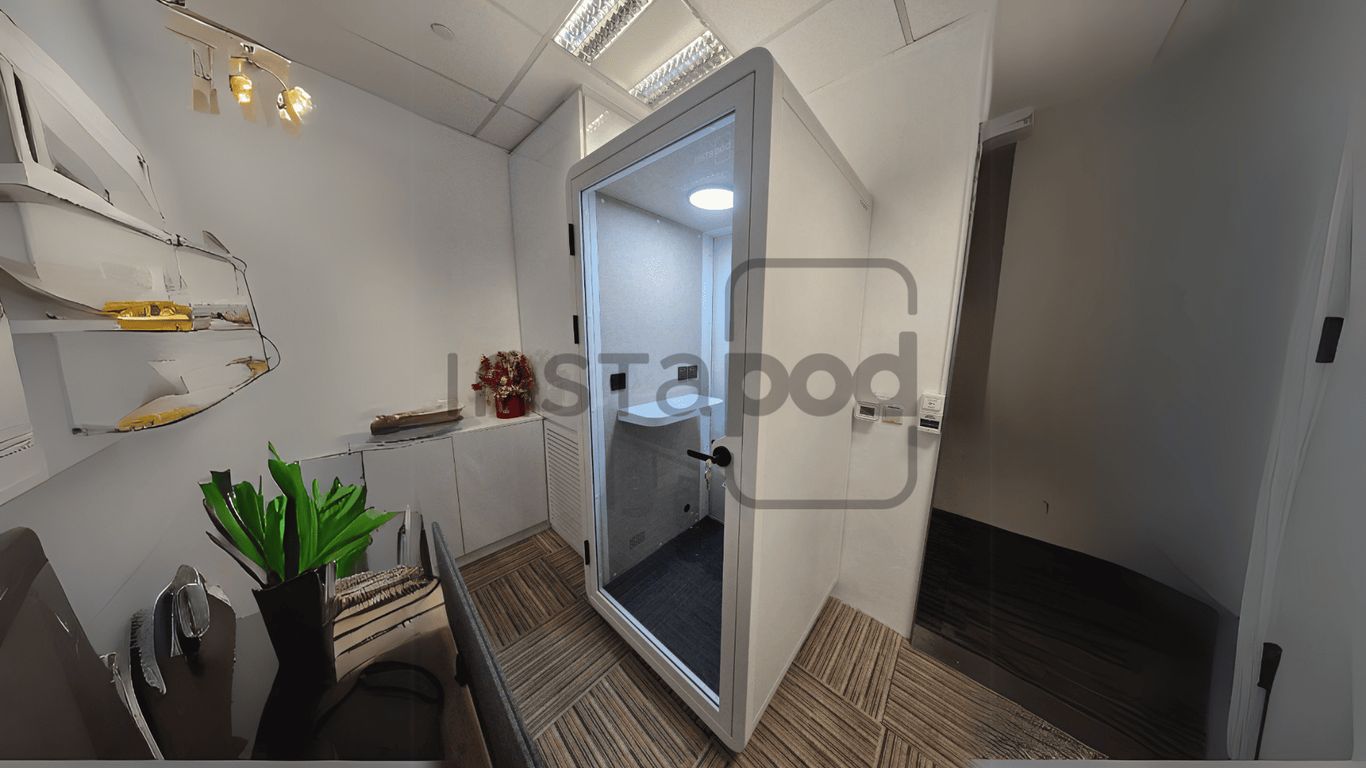
Offices have changed a lot over the years, right? We went from cubicles to wide-open spaces, and now, it seems like we’re looking for something in between. Open offices were supposed to make us talk more, and they did, but they also made it really hard to concentrate. Suddenly, everyone needed a quiet spot for a call or just to get some work done without all the chatter. That’s where these things called working pods come in. They’re like little private rooms you can put anywhere, and they might just be the answer to a lot of modern office headaches.
Key Takeaways
- Working pods provide quiet, private spaces within open offices, solving the problem of constant interruptions and noise.
- These pods can save companies money by reducing the need for expensive traditional office construction and lowering utility costs.
- Working pods are versatile and can be used for various tasks, from private calls and focused work to creative projects like podcasting.
- Their modular design makes working pods easy to set up, move, and reconfigure, offering flexibility as business needs change.
- Employees often appreciate working pods because they offer a much-needed sense of privacy and comfort, boosting overall satisfaction in the workplace.
The Evolution of Office Design With Working Pods
From Open-Plan Frustration to Focused Spaces
Remember the days when the open-plan office was supposed to be the ultimate collaboration booster? It sounded great in theory – everyone connected, ideas flowing freely. But in practice, it often turned into a constant barrage of noise and interruptions. Trying to concentrate on a complex task or have a private conversation became a real challenge. Big, underused conference rooms were the only alternative, which felt like using a sledgehammer to crack a nut. This is where the idea of work pods started to gain traction. They offered a simple, practical way to carve out quiet zones within the larger, more dynamic open spaces. It was a shift from ‘everyone together, all the time’ to ‘the right space for the right task’.
How Working Pods Fill the Privacy Gap
Open offices, while aiming for connection, often sacrificed something pretty important: privacy. This wasn’t just about keeping secrets; it was about having the mental space to focus without the constant hum of activity. Studies even showed that open offices could lead to more digital communication and less face-to-face interaction, which is kind of the opposite of what they were meant to do. People reported feeling more stressed and tired from all the task-switching. Managers struggled to find places for sensitive discussions, and employees just wanted a moment of quiet. Work pods emerged as a direct answer to this, providing enclosed, sound-dampened spaces that could be placed right where they were needed, offering that much-needed privacy on demand.
Trends Shaping the Modern Workplace
Several things are pushing office design in new directions, and work pods fit right in. For starters, hybrid work is a big one. Offices need to be flexible enough to accommodate people coming in on different days and for different reasons. You might need more desks one day and more quiet zones the next. Work pods are perfect for this kind of adaptability. They’re also becoming more tech-savvy, with features like smart ventilation and lighting that turn on when you enter. Plus, there’s a growing desire for spaces that support employee wellbeing. People want to feel comfortable and productive, and having access to a private, quiet space definitely helps with that. It’s all about making the office work better for the people in it, not just filling a square footage requirement.
- Noise Reduction: Pods significantly cut down on ambient noise, making concentration easier.
- Space Efficiency: They provide private areas without the need for permanent construction.
- Flexibility: Pods can be moved and reconfigured as office needs change.
The traditional office layout, with its large, often empty conference rooms and sprawling open-plan areas, is being rethought. The focus is shifting towards creating adaptable, functional spaces that cater to specific work needs, moving away from one-size-fits-all solutions.
Key Advantages of Working Pods Over Traditional Offices
Enhancing Workplace Flexibility and Adaptability
Working pods let offices change and grow without the hassle and expense of construction projects. These pods can be rearranged, added, or moved with very little effort. Unlike permanent walls, there’s no need to wait for contractors, and you don’t need to shut an area down for days just to get a quiet zone. It’s basically plug-and-play: bring in a pod, plug it in, and suddenly you’ve got a new private space. Whether you’re adding quiet work areas or creating pop-up meeting spots, you can respond to what your office actually needs—right when you need it.
- Rearranging pods takes hours, not weeks
- Teams can quickly claim spaces for projects or calls
- Adapts easily as headcount or work habits shift
The real win with pods is that your workspace doesn’t stay stuck—adjusting your layout is as easy as sliding a few units around.
Improving Acoustic Comfort and Privacy
A noisy office is the worst for concentration. With office pods, you get solid walls that actually block out sound—no need to hear every phone call or keyboard clack around you. Forget waiting for an empty conference room; pods give instant privacy, perfect for focused work or tough conversations. The acoustic design means conversations stay confidential and you won’t be distracted by the buzz outside.
Here’s a quick table comparing standard meeting rooms and work pods:
| Feature | Traditional Meeting Room | Work Pod |
|---|---|---|
| Noise Reduction | Moderate | High |
| Privacy | Only when booked | On-demand |
| Setup Time | Fixed | Moveable/quick |
- Good for calls, video meetings, and sensitive chats
- Less noise, fewer distractions
- Employees have a private spot whenever they need it
Supporting Hybrid and Remote Work Needs
Pods fit perfectly with how people work now—sometimes at home, sometimes in the office. When there aren’t as many people on-site, pods create adaptable spaces for those who are. They’re great for days when only some folks are around, or when you need a quick spot to join a remote meeting without hearing the whole office.
- Quick to book for last-minute calls with remote teammates
- Provide clear audio and quiet backdrops for video meetings
- Help offices keep up with flexible, unpredictable schedules
For companies figuring out hybrid setups, pods make it easier to always have the right type of space ready to go—no matter who’s in the building that day.
Cost Savings and Efficiency Through Working Pods
Let’s talk about the money side of things. When you look at how much office space actually costs, it’s pretty eye-opening. Traditional offices, with their big conference rooms that sit empty most of the day, are essentially paying for space that isn’t doing much work. Working pods offer a way to change that.
Reducing Real Estate and Construction Expenses
Think about your current office layout. How much square footage is dedicated to rooms that are only used for a few hours a week, if that? Those large meeting rooms are a prime example. They’re great for big team gatherings, sure, but for a quick one-on-one chat or a sensitive phone call? They feel like overkill and often sit empty. Work pods let you break down those large, underutilized areas into smaller, functional private spaces. This means you can potentially reduce your overall office footprint, leading to significant savings on leases and property taxes. It’s about making your existing space work harder for you.
The initial investment in pods is often a fraction of the cost of building out traditional private offices or meeting rooms.
Lower Utility and Maintenance Costs
Beyond rent, there are other costs tied to traditional office spaces. Building out a new room involves construction, permits, and often requires modifications to HVAC systems. These expenses add up quickly. Then there’s the ongoing maintenance. Work pods, on the other hand, are typically self-contained units. They require minimal setup – often just plugging them in. Maintenance is usually straightforward, and you’re not heating or cooling a massive, empty room when only one person is inside. This can lead to noticeable savings on your monthly utility bills and reduce the hassle of upkeep.
Here’s a quick look at how pods can be a smart financial move:
- Reduced Energy Consumption: Pods are smaller and more contained, meaning less energy is needed for lighting and climate control compared to larger, open areas or traditional rooms.
- Simplified Maintenance: Individual units are easier to maintain and repair than complex building systems. If a pod needs attention, it’s a localized issue.
- Lower Setup Costs: Installation is typically plug-and-play, avoiding the significant expenses associated with construction, permits, and permanent fixtures.
Work pods offer a practical solution by allowing companies to reclaim underused real estate. Instead of a large room for a few people, a compact pod can serve multiple individuals throughout the day for focused work or private calls, potentially reducing the need for extensive square footage.
Maximizing Space Utilization
Work pods are often designed with plug-and-play functionality, meaning they can be set up quickly with minimal disruption. Their modular nature also means they can be relocated if your office layout needs to change, offering flexibility that traditional construction simply can’t match. This adaptability is key in today’s dynamic work environments. You can place them strategically where people need them most, whether it’s near busy team areas for quick calls or in quieter zones for deep work. This intelligent placement ensures that every square foot of your office is serving a purpose, rather than sitting idle.
Employee Experience: Productivity and Wellbeing in Working Pods
Let’s be honest, open-plan offices are great for some things, like quick chats and feeling connected. But sometimes, you just need to get your head down and actually get work done without a million distractions. That’s where these work pods really come into their own. They give people a private little spot to retreat to when they need to concentrate.
Boosting Focus and Reducing Distractions
Trying to write a report or code when there’s constant chatter, phones ringing, and people walking by can be a real pain. It’s tough to get into that deep work zone. Work pods offer a simple solution: a quiet, enclosed space where you can actually focus. They cut down on both the noise and the visual distractions, making it easier to concentrate on the task at hand. It’s like having your own mini-office, available whenever you need it. Studies show it can take around 20 minutes to get back into the flow after being interrupted in an open office. Pods help minimize those interruptions.
Supporting Confidential Work and Meetings
These pods aren’t just for solo deep work. They’re also super handy for sensitive conversations or calls where privacy is a must. Think HR meetings, client calls, or even telehealth appointments. The soundproofing means your conversation stays between you and the other person, which is a big deal for maintaining trust and professionalism. Plus, for hybrid meetings, having a pod ensures your in-office folks have clear audio and a quiet backdrop, making the experience better for everyone joining remotely.
Promoting Satisfaction in Open-Plan Environments
Constant noise and a lack of personal space can really wear people down. Having a work pod available means employees have a place to go when they feel overwhelmed. They can step away for a few minutes, take some deep breaths, or just have a moment of quiet. This ability to control your immediate environment, even for a short time, can make a big difference in how you feel throughout the day. It can lead to less burnout and a generally happier workforce.
Here’s a quick look at how pods contribute to a better work environment:
- Deep Work Sessions: Great for tasks needing intense focus, like writing, coding, or detailed analysis.
- Sensitive Conversations: Provides a confidential space for HR discussions, client calls, or telehealth appointments.
- Quiet Reflection: A place for employees to de-stress, meditate, or simply gather their thoughts without interruption.
- Content Creation: Suitable for recording podcasts, voiceovers, or video content with good acoustics.
Many pods are designed with comfort in mind, featuring good lighting, ventilation, and comfortable seating. Some even include power outlets and adjustable desks, making them functional spaces where people can genuinely feel good while working.
Customizability and Scalability of Working Pods
Easy Setup and Relocation
Forget about lengthy construction projects and permits. Working pods are designed for speed and simplicity. They arrive mostly assembled, meaning you can often have a new private space ready to go in a matter of hours, not weeks. This is a huge plus when you need to make changes quickly. Plus, if your office layout needs to shift – maybe you’re rearranging teams or moving to a new spot – these pods can usually be moved with minimal fuss. It’s like having office furniture that you can pick up and place wherever you need it next, without the headache of demolition and rebuilding.
Options for Furniture, Technology, and Branding
These pods aren’t just empty shells. You can often customize them quite a bit to fit your specific needs. Think about things like:
- Ventilation and Lighting: Many come with adjustable fans and LED lights, so you can set the mood or ensure good airflow for long calls.
- Power and Connectivity: Most include power outlets and USB ports, so you can easily plug in laptops and charge devices.
- Acoustic Treatments: Some offer upgraded soundproofing options if you need extra quiet for sensitive calls or deep concentration.
- Branding: You can sometimes add your company’s logo or colors, making the pod feel like a natural part of your office environment.
The ability to tailor a pod’s interior and exterior makes it more than just a temporary fix; it becomes a functional extension of your workspace, designed for the tasks you need it for.
Scaling Up or Down As Business Needs Change
One of the biggest wins with working pods is their flexibility for growth or contraction. If your team expands and you suddenly need more quiet spaces for calls, you can simply order and install more pods. It’s a much faster and cheaper way to add capacity than building new offices. On the flip side, if your needs change and you find you have too many, pods can often be resold or relocated more easily than permanent structures. This adaptability is key for businesses that experience fluctuating demands or are planning for future expansion.
| Pod Size | Typical Use Case |
|---|---|
| 1-Person | Solo calls, deep work |
| 2-Person | Small meetings, 1-on-1s |
| 4-Person | Team huddles, brainstorming |
| 6-Person | Small project teams |
Comparing Working Pods to Private Offices and Meeting Rooms
Which Spaces Serve Everyday Needs Best?
Think about your typical workday. How often do you really need a large conference room with a projector and seating for ten? For most of us, the answer is not very often. We spend more time on quick calls, focused work, or one-on-one chats. This is where working pods really shine. They’re designed for these everyday tasks, offering a private, quiet spot without the fuss of booking a big room. Traditional meeting rooms, on the other hand, often sit empty, taking up valuable real estate that could be used more effectively. Pods are like the modern-day office telephone booth – small, efficient, and always ready when you need a moment of privacy or concentration.
Privacy and Sound Control Differences
When it comes to blocking out noise and keeping conversations private, there’s a clear difference. Meeting rooms, especially those with glass walls, offer minimal sound insulation. You can often hear what’s happening inside, and people outside can easily see in. This isn’t ideal for sensitive discussions or deep focus. Office phone booths and work pods are built with soundproofing in mind. They create a contained environment where you can make confidential calls or concentrate without being overheard or distracted by the office buzz. It’s a significant upgrade for acoustic comfort and privacy.
Usage Data and Space Optimization
Let’s look at how these spaces are actually used. Traditional meeting rooms often have low utilization rates, meaning they’re booked only occasionally. This leads to wasted space and money. Work pods, however, are designed for frequent, flexible use. People can step into them for a 15-minute call or an hour of focused work. This high turnover means more people can use the pods throughout the day, making better use of the office footprint.
Here’s a quick look at how they stack up:
- Flexibility: Pods are highly flexible; meeting rooms are not.
- Space: Pods require minimal space; meeting rooms need a lot.
- Availability: Pods are usually available on demand; meeting rooms often require booking.
- Purpose: Pods are for individual or small group focused tasks; meeting rooms are for larger, scheduled gatherings.
The shift towards working pods reflects a practical understanding of how people actually work today. It’s about providing accessible, private spaces that support focused tasks and confidential communication without the overhead of traditional meeting rooms. This makes them a smart choice for optimizing office layouts and improving the employee experience.
Working Pods for a Variety of Office Tasks
Ideal for Calls, Video Meetings, and Deep Work
Think about your typical workday. How much of it involves quick chats, important video calls, or just needing a solid block of time to really concentrate? For many of us, these tasks are the bread and butter of our jobs. Traditional offices often struggle to provide these spaces consistently. You might find yourself trying to have a private call in a noisy open area, or booking a large conference room for a one-on-one chat that feels like overkill. This is where workplace pods really shine. They’re designed specifically to handle these everyday needs efficiently. These workpods offer a dedicated, quiet environment, making it easier to focus and communicate without interruption.
Creative Uses: Podcasting, Telehealth, and Meditation
Beyond the standard work tasks, these versatile units can be repurposed for a surprising range of activities. Companies are finding innovative ways to use them that go beyond just taking calls. For instance, a well-equipped pod can serve as a makeshift recording studio for podcasts or internal video content, offering good acoustics and a controlled environment. Healthcare providers are also exploring their use for telehealth appointments, giving patients a private and secure space for virtual consultations. Even for employee wellbeing, a quiet pod can function as a space for short meditation breaks or simply a moment of calm away from the office buzz.
Supporting Teams Across Different Departments
Different teams have different needs, and workpods can adapt to serve them all. Sales teams might use them for client calls where privacy is paramount. Engineering or design departments could utilize them for focused coding sessions or collaborative problem-solving away from the main workspace. HR departments can conduct sensitive interviews or discussions with confidence. Even administrative staff can benefit from a quiet space for detailed work. The flexibility means you can strategically place these pods where they’ll have the most impact, supporting the specific workflows of various groups within your organization.
So, Can Pods Really Replace a Private Office?
It’s clear that these work pods aren’t just a trendy office accessory; they’re a practical solution to some real problems. While they might not be a perfect one-to-one replacement for a dedicated, permanent private office for every single person or situation, they definitely fill a huge gap. For many tasks – think focused work, sensitive calls, or quick meetings – a pod offers a quiet, private space without the massive cost and commitment of building out traditional rooms. They give employees a much-needed escape from the noise of open-plan offices and offer businesses a flexible, cost-effective way to use their space better. So, can they replace a private office? Maybe not entirely for everyone, but they’re certainly making a strong case for being the smarter, more adaptable choice for a lot of modern workplaces.
Frequently Asked Questions
What is a work pod?
A work pod is like a small, private room that you can put inside a bigger office. It’s designed to be quiet so you can focus on your tasks, take important phone calls, or have private conversations without all the noise from the main office bothering you. Think of it as your own little quiet zone.
Why are work pods better than big meeting rooms?
Big meeting rooms often take up a lot of space and are usually empty. Work pods are much smaller, cost less to set up, and are easy to move if you need to rearrange your office. They’re perfect for quick calls or focused work, which is something big rooms aren’t always ideal for.
Do work pods actually help people concentrate better?
Yes, they really do! Open offices can be noisy and full of distractions. A work pod gives you a quiet, private space where you can shut out the noise and concentrate on what you need to do. This helps you get more done and feel less stressed.
Are work pods only for phone calls?
Not at all! While they are great for phone calls, you can also use them for video meetings, studying, meditating, or even recording a podcast. Their soundproof design makes them useful for many different private activities.
How do work pods save a company money?
Companies save money because work pods use less space than traditional offices or meeting rooms. This can mean lower rent. They also use less electricity for heating and cooling. Plus, they are cheaper to set up than building new rooms and can be moved if the company’s needs change.
Can I customize the inside of a work pod?
Yes, you can usually choose how the inside of a work pod looks. This can include the type of seating, lighting, and even wall colors, so it can match your office’s style or your personal preferences.