No pods added to your quote request yet. Add some now for a free quote!
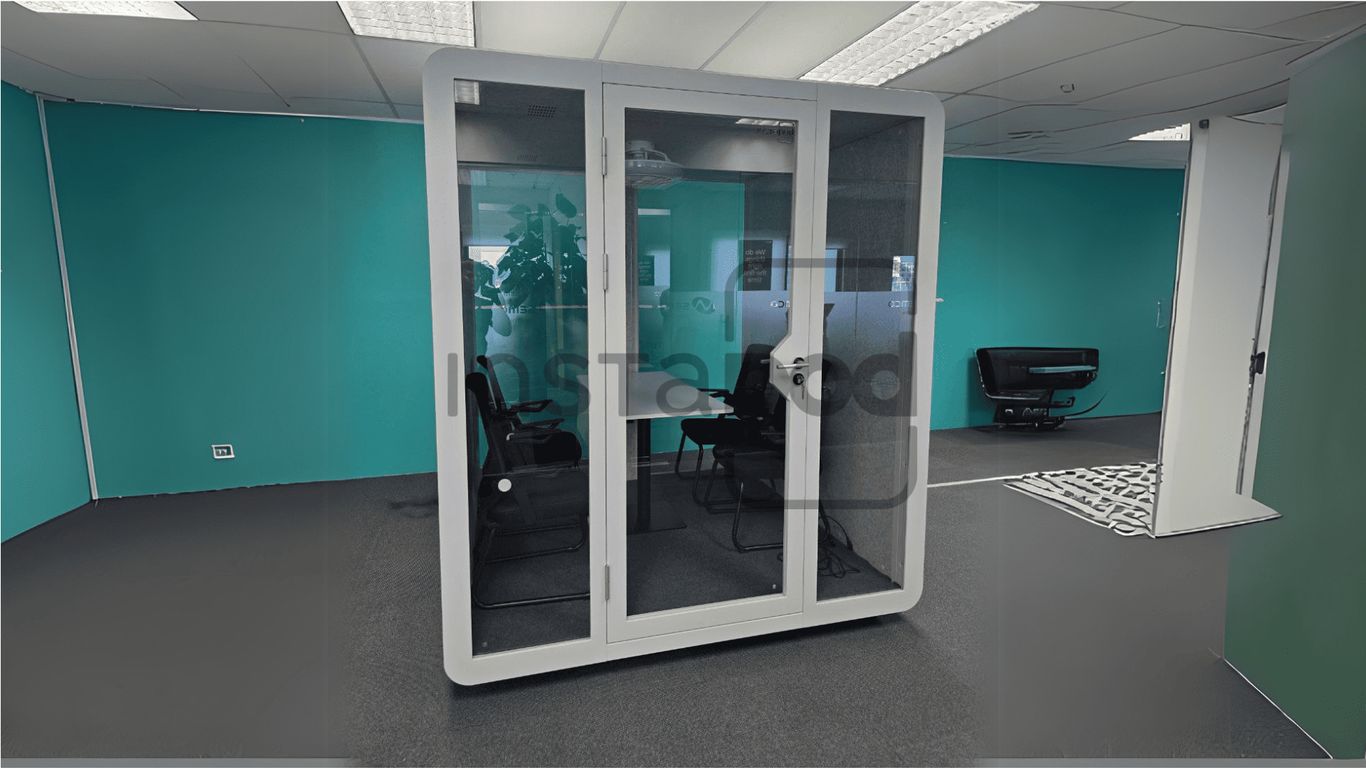
Remember those endless rows of cubicles? Yeah, they’re mostly a thing of the past. Offices have really changed, and it’s not just about looking modern. We’re talking about making places where people can actually get stuff done, feel good, and work together better. From dealing with noise to finding a quiet moment, the whole setup is getting a serious upgrade, and the ‘phone pod’ is a big part of that story.
Key Takeaways
- Old cubicle designs prioritized individual space over teamwork or employee comfort.
- Open-plan offices aimed for more collaboration but often led to noise problems and a lack of personal space.
- The phone pod has emerged as a solution, providing quiet, private areas for calls and focused work within busy offices.
- Modern offices use flexible furniture and layouts that can be easily changed for different tasks and team needs.
- Designing for employee well-being now includes things like natural light, good air, comfortable spots to sit, and ways to move around.
The Evolution From Traditional Cubicles
The Era Of Privacy First, People Second
Back in the day, like the 70s and 80s, the cubicle was the undisputed champ of office design. Think endless rows of these semi-private boxes. The whole idea was to give everyone their own little zone, a personal space to get stuff done without too many interruptions. It was all about individual output, and the cubicle seemed like the perfect answer. It gave you a sense of your own territory and a bit of a buffer from the general office buzz. This setup really fit when the main focus was on solo tasks and a more top-down way of running things.
The Drawbacks Of Enclosed Workspaces
But, you know, as time went on, people started noticing the not-so-great parts. Those same walls that gave you privacy also ended up making people feel pretty isolated. It became harder for spontaneous chats and team brainstorming to happen. Natural light and fresh air often had a tough time reaching the middle of these cubicle farms, which wasn’t exactly great for the atmosphere. And let’s be real, after a while, they could feel kind of depressing, stifling creativity and making the workday feel like a monotonous slog. It turns out that while having some privacy is good, too much can actually hurt teamwork and morale.
The Shift Towards Open-Plan Designs
Then, around the early 2000s, things swung way over to the other side. Open-plan offices became the big trend. The thinking was that by getting rid of walls, we’d get more communication going, boost team spirit, and make better use of space and light. This layout was supposed to make everyone feel more connected and create a more lively work environment. It was a pretty big change from the cubicle days, aiming for a more fluid and interactive kind of workplace. This shift also opened the door for new kinds of spaces, like small meeting nooks and even dedicated spots for phone calls, which became more common in busy cities where space is tight.
Addressing Open-Plan Office Challenges
So, the big move to open-plan offices was supposed to be this amazing thing, right? More collaboration, more energy, everyone feeling connected. But, let’s be honest, it didn’t quite turn out that way for everyone. Suddenly, you’ve got Brenda from accounting having a super loud chat about her weekend right next to your desk, or the constant hum of keyboards and phones making it impossible to actually think. It’s a recipe for distraction, and frankly, it can be pretty draining.
The Need For Quiet In Collaborative Spaces
This is probably the biggest headache with open layouts. When you cram a bunch of people into one big room, the noise level can get pretty wild. It’s not just voices; it’s the clicking of keyboards, phones ringing off the hook, chairs squeaking – you name it. Trying to concentrate on something that needs a bit of brainpower becomes a real struggle. Companies have tried a few things to tackle this. Some have added softer materials like carpets or fabric panels on walls to soak up sound. Others use something called "sound masking," which is basically a low, steady background noise that helps make those distracting sounds less noticeable. And, of course, noise-canceling headphones have become a lifesaver for many.
The Rise Of The Phone Pod Solution
Because of all this noise and lack of privacy, a new solution started popping up: the phone pod. These little booths are like mini, soundproof rooms that you can pop into when you need to make a call or just get away from the buzz for a bit. They’re designed to block out the office noise so you can actually hear yourself think, or so your conversation doesn’t become the latest office gossip. It’s a simple idea, but it makes a huge difference for people who need a moment of quiet.
Balancing Privacy And Connection
This is the real puzzle, isn’t it? We want that open, connected vibe, but we also need our own space to get stuff done. The trick is finding that middle ground. It’s not about going back to cubicles, but it’s also not about having zero privacy. It’s about creating different zones within the office. You might have areas for loud brainstorming, but right nearby, you can have these quiet pods or small rooms for focused work or private chats. It gives people options, letting them choose the environment that works best for what they’re doing at that moment.
The modern office is learning that true productivity comes from offering a variety of spaces that cater to different needs, rather than forcing everyone into one mold. It’s about giving people control over their immediate environment.
Here’s a quick look at how different spaces serve different needs:
- Open Collaboration Areas: Great for team huddles, quick chats, and brainstorming sessions where energy and interaction are key.
- Focused Work Zones: These are spaces designed for deep concentration, free from interruptions. Think quiet rooms or individual workstations with some visual separation.
- Private Call Booths (Phone Pods): Perfect for sensitive conversations, video calls, or any task requiring a temporary escape from the general office noise.
- Social Hubs: Areas for breaks, informal networking, and recharging, helping to build camaraderie.
The Modern Office Pod Revolution
Soundproof Sanctuaries For Focused Work
Remember those old-school phone booths? Well, they’ve had a serious glow-up. Today’s office pods are the modern answer to the constant buzz of an open-plan office. These aren’t just flimsy partitions; we’re talking about actual soundproof office pods designed to give you a slice of peace. Whether you need to make a sensitive call, join a video conference without background noise, or just get some deep work done, these little havens are a game-changer. They create a bubble of quiet, letting you concentrate without the usual office distractions. It’s like having your own private workspace, right in the middle of everything.
Aesthetically And Functional Design
These aren’t your grandpa’s cubicles. The new wave of office pods, including conference room pods and individual office booths, are designed with both looks and utility in mind. Companies are really stepping up their game, offering sleek designs that actually add to the office’s aesthetic. Think clean lines, comfortable seating, and smart features like integrated lighting and ventilation. They’re built to be practical, too. You’ll often find power outlets for your devices and good airflow, so you don’t feel boxed in. It’s a far cry from the drab, utilitarian boxes of the past.
Versatile Applications For Every Need
What’s really cool about these office privacy pods is how many ways you can use them. Need to have a quick, private chat with a colleague? There’s a pod for that. Got a client call that requires your full attention? A pod is perfect. Want to escape the noise for a bit and just focus on a report? You can do that too. They’re not just for calls; they’re for focused work, virtual meetings, or even just a moment of quiet reflection. Some are designed for one person, while others can accommodate small teams for impromptu meetings. They’re popping up everywhere, from large corporate offices to smaller co-working spaces, proving their worth in almost any environment.
The shift towards these enclosed spaces highlights a growing recognition that not all work can be done in a communal setting. Providing dedicated areas for focused tasks and private conversations is becoming a standard expectation for a productive and employee-friendly workplace.
From Public Calls To Private Halls
The Metamorphosis Of The Phone Booth
Remember those old-school phone booths? The ones you’d find on street corners, with a glass door and a little seat? They were a pretty common sight, offering a bit of privacy for a quick call. You’d drop in some coins, close the door, and have your conversation, mostly shielded from the public eye. They were functional, sure, but also kind of a relic even back then. As technology moved on and everyone got their own mobile phone, these booths started to disappear. They were a product of a different time, a time before personal devices were glued to our hands.
The Contemporary Phone Pod
Fast forward to today, and the idea of a private space for calls hasn’t vanished – it’s just changed its outfit. Enter the modern office phone pod. Think of it as the phone booth’s much cooler, more sophisticated cousin. Instead of being on a busy street, these pods are popping up inside offices, especially in those open-plan layouts where quiet can be hard to find. They’re designed to be compact, sound-dampening spaces where you can take a confidential call, jump on a video conference, or just have a moment of peace without the office buzz seeping in. They often come with built-in ventilation, lighting, and even charging ports, making them super practical.
A Beacon Of Privacy And Functionality
These pods really hit the mark for a few key reasons:
- Addressing Noise: In open offices, background chatter and keyboard clicks can make focused work or private calls a real challenge. Pods create a barrier against this noise.
- Providing Privacy: For sensitive client calls or confidential internal discussions, a private space is non-negotiable. Pods offer that secure environment.
- Boosting Productivity: By giving employees a dedicated spot to concentrate or communicate without interruption, pods help people get more done.
The transition from the public phone booth to the private office pod shows how design adapts to our changing work lives. It’s about finding solutions for privacy and focus in increasingly connected and sometimes noisy environments.
It’s pretty neat how a simple concept – a small, enclosed space for a call – has evolved so much. The phone pod isn’t just a trend; it’s a smart response to the realities of modern office life, offering a much-needed sanctuary for communication and concentration.
Innovative Furniture And Layout Trends
Modular And Adaptable Workstations
Forget those old, fixed cubicle walls. Today’s workstations are all about flexibility. Think modular systems that can be rearranged easily, almost like building blocks. Need to create a temporary quiet zone? Just shift a few panels. Want to expand a team’s area? It’s a snap. These setups often include height-adjustable desks, so you can switch between sitting and standing without a fuss. Plus, many come with built-in cable management, which is a lifesaver for keeping all those cords tidy and out of sight. It’s about making the workspace work for you, not the other way around.
Collaborative Spaces And Meeting Pods
We’re seeing a big push for areas that encourage teamwork. This means more than just a big table in the middle of the floor. We’re talking about designated zones with comfortable seating, whiteboards, and screens for presentations. And, of course, the rise of the meeting pod, which we’ll get into more later, but they’re basically mini-rooms designed for small groups to huddle up without disturbing everyone else. These spaces are designed to be inviting and functional, making it easy for people to connect and brainstorm.
Multi-Purpose Furniture For Flexibility
Space is often tight, so furniture that does more than one thing is gold. We’re talking about ottomans that hide storage inside, benches that can double as room dividers, or even tables with charging ports built right in. This kind of smart furniture helps cut down on clutter and lets you change a space’s purpose quickly. Need a casual meeting spot? Just rearrange a few pieces. Every item in the office should earn its keep.
The goal is to create an office that feels dynamic, not static. It should be able to shift and change as your company’s needs evolve, supporting different work styles and activities without requiring a major overhaul. This adaptability is key to a modern, functional workspace.
Here are some examples of how furniture is getting smarter:
- Rolling storage units: Easily move files and supplies where they’re needed.
- Foldable partitions: Quickly create temporary private spaces or divide larger areas.
- Height-adjustable tables: Accommodate different preferences for sitting or standing.
- Integrated tech furniture: Desks with built-in charging ports and cable management systems.
The Office Of Tomorrow, Today
Designing For Employee Well-Being
So, what does the office of the future actually look like? It’s less about rigid structures and more about creating spaces that genuinely support the people working in them. We’re talking about places that feel good to be in, day in and day out. This means thinking about things like natural light – lots of it, if possible – and making sure the artificial lighting is easy on the eyes, maybe even adjustable. Air quality is another big one; good ventilation is key, and some places are even bringing in plants to help clean the air and make things feel a bit more alive. And comfort? It’s not just about having a chair; it’s about offering different kinds of seating and, of course, those quiet spots we’ve talked about for when you just need a break from the buzz.
The Role Of Technology
Technology is quietly becoming a bigger part of how offices work, but it’s not supposed to be in your face. Think of it as making things smoother. You might use an app to book a meeting room, or your desk could automatically adjust to your preferred height when you sit down. Sensors can help save energy by dimming lights in empty rooms or tweaking the temperature. The idea is to make the office feel intuitive, responding to your needs without you having to think about it too much. It’s about cutting down on those little annoyances so you can get on with your actual job.
Creating Environments For Optimal Performance
Ultimately, the goal is to build places where people can do their best work. This involves a mix of everything we’ve discussed: the flexibility to work where and how you need to, the quiet spaces for deep focus, and the collaborative areas for team energy. It’s about giving people choices.
Here’s a quick look at how different zones can serve specific needs:
- Open Collaboration: Great for brainstorming and team huddles.
- Acoustic Pods: Perfect for private calls or focused individual tasks.
- Quiet Zones: Designed for deep concentration without distractions.
- Social Hubs: Areas for informal chats, networking, and taking a breather.
The modern workplace is evolving into a dynamic ecosystem, offering a range of environments to suit diverse work styles and tasks. This adaptability is key to supporting both individual concentration and team connection within the same physical space, boosting overall productivity and employee satisfaction.
We’re moving away from the idea of a one-size-fits-all office. Instead, we’re seeing more modular furniture that can be easily rearranged, allowing teams to shape their environment as needed. There’s also a growing emphasis on sustainability, with companies choosing recycled materials and energy-efficient systems. It’s about creating spaces that are not only functional and aesthetically pleasing but also good for the planet and the people who use them.
The Office of Today and Tomorrow
So, we’ve seen how offices have gone from those drab cubicles of the past to these much more flexible and thoughtful spaces we see now. It’s clear that the way we work has changed, and our offices need to keep up. Whether it’s adding quiet pods for focused work, using movable furniture to change things up, or just making sure there’s enough natural light, the goal is pretty simple: make a place where people can actually do their best work and feel good doing it. It’s not just about looking modern; it’s about creating environments that support how we really work today and what we’ll need tomorrow.
Frequently Asked Questions
Why did offices stop using so many cubicles?
Cubicles used to be popular because they gave people their own little space. But over time, folks realized that being stuck in a cubicle could make people feel lonely and uninspired. Also, they didn’t let in much sunshine or fresh air, making the office feel a bit stuffy. Plus, those walls made it hard for people to chat and work together, which isn’t ideal for teamwork.
What’s not so great about open-plan offices?
Open offices are good for talking and sharing ideas, but they can get really loud! It’s tough to concentrate when people are on the phone, typing away, or just chatting. It’s also hard to find a quiet spot for important work without being bothered by all the noise.
What are those little quiet rooms called, and why do offices have them?
Those little quiet rooms are often called ‘acoustic pods’ or ‘soundproof booths.’ Offices have them because they’re like mini private rooms in a big, busy office. They’re built to block out noise so you can make calls, have private talks, or just focus on your work without bothering anyone or being bothered yourself. They help create calm spots even in noisy places.
How has office furniture changed over the years?
Office furniture has become way more flexible. Instead of big, fixed desks, we now see furniture that can be easily moved and put together in different ways, like building blocks. This means the office can change for different tasks, like group work or quiet focus time. Furniture is also designed to be comfortable and adaptable for different people.
What’s the point of phone pods?
Phone pods are small, enclosed spaces designed for private phone calls or video meetings. In busy open offices, they give you a quiet place to talk without being overheard or distracted by noise. Think of them as modern, private phone booths right in your office.
What’s the main goal when designing offices today?
The main goal is to create spaces where people can do their best work and feel good while doing it. This means thinking about things like quiet areas for focus, comfy spots for breaks, good lighting, and furniture that can be moved around. It’s about making the office a place that supports how people actually work and feel.