No pods added to your quote request yet. Add some now for a free quote!
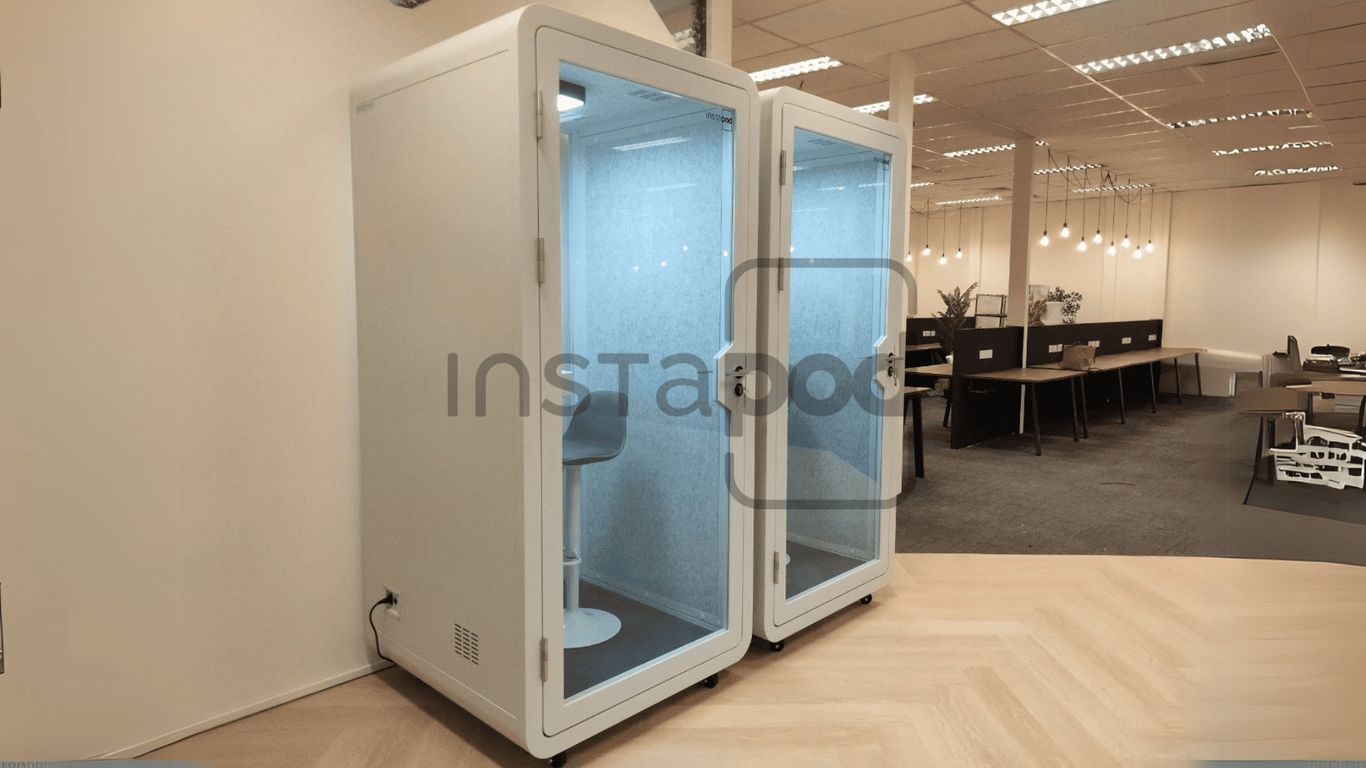
Open offices were supposed to be the future, right? More collaboration, more ideas, more energy. But for a lot of us, they just ended up feeling like a constant barrage of noise and distractions. It’s tough to get anything done when there’s always something going on around you. That’s where privacy booths come in. These little nooks are popping up everywhere, and they’re more than just a place to take a call. They’re actually helping people feel better and work smarter.
Key Takeaways
- Privacy booths help lower stress by giving people a place to escape the constant noise and stimulation of open offices, which calms their nervous system.
- Having a private space allows for focused work, breaking the cycle of interruptions that plague open-plan layouts and hurting productivity.
- Solitude in these booths can spark creativity by giving employees quiet time for reflection and thinking without distractions.
- Controlling your environment, even in a small booth, helps reduce stress responses and sharpens thinking.
- Thoughtful placement and design of privacy booths, along with leadership support, are key to making sure employees actually use and benefit from them.
The Psychological Impact of Privacy Booths
It turns out that just knowing a quiet space is available can make a big difference in how people feel at work. Even if you don’t use a privacy booth every day, the simple fact that it’s there acts like a safety net. It’s kind of like having a fire escape – you hope you never need it, but its presence is comforting.
Reducing Workplace Stress and Anxiety
Constant noise and interruptions are a huge source of stress. In open-plan offices, it’s hard to escape the chatter, the ringing phones, and the general buzz. This can keep our nervous systems on high alert, making it tough to relax and focus. Privacy booths offer a much-needed escape hatch. Stepping into one, even for a few minutes, can significantly lower stress levels. It’s a physical break from the sensory overload that plagues many modern workplaces.
Facilitating Parasympathetic Activation
From a biological standpoint, these booths help our bodies switch gears. When we’re constantly bombarded by stimuli, our sympathetic nervous system (the “fight or flight” response) stays activated. Privacy booths allow us to shift into our parasympathetic nervous system, which is responsible for rest and recovery. This is super important for managing stress and preventing burnout, but it’s almost impossible to achieve in a busy, open environment. It’s like giving your brain a much-needed break from the constant demands.
Enhancing Psychological Safety
Having a private space contributes to a feeling of psychological safety. It’s a place where you can drop the professional mask for a moment. Maybe you need to take a personal call, gather your thoughts after a tough meeting, or just sit in silence for a bit without feeling watched or judged. This ability to have a moment of solitude without consequence builds trust and makes people feel more secure in their work environment. It acknowledges that we’re all human and sometimes need a personal moment.
Privacy Booths and Enhanced Productivity
It’s easy to think of privacy booths as just fancy phone booths or small meeting room pods, but they actually do a lot for how we get work done. In today’s busy offices, constant interruptions are a huge drain. Think about it: someone asks a quick question, an email pops up, or there’s just general office noise. Each time, it takes a good chunk of time to get back into what you were doing. Studies show it can take over 20 minutes to fully refocus after a distraction. That’s a lot of lost time.
Privacy booths, or acoustic office pods, offer a way out of this cycle. They give you a dedicated space to concentrate without the usual office buzz. This isn’t just about getting more done in the short term; it’s about being able to sustain your performance over the long haul. When you know you can step away for uninterrupted work, it reduces the background anxiety that comes from always being ‘on’ and available.
Here’s how they help:
- Breaking the Cycle of Interruptions: Stepping into a booth signals a need for focus, allowing you to complete tasks without constant pings and questions from colleagues.
- Enabling Deep Work and Concentration: These quiet spaces are perfect for tasks that require sustained attention, like writing reports, coding, or complex problem-solving.
- The Connection Between Privacy and Sustainable Performance: By allowing for regular periods of focused work and mental breaks, booths help prevent burnout and maintain productivity levels day after day.
The ability to control your environment, even for short periods, has a direct impact on your nervous system. When you can reduce sensory overload, your stress response calms down, which in turn sharpens your thinking. It’s a simple but powerful effect.
So, while they might look like simple additions to the office, these acoustic office pods are actually quite important for keeping productivity high and employees feeling less frazzled. They provide a much-needed escape hatch from the constant demands of an open-plan environment.
Fostering Creativity Through Solitude
We often think of creativity as this big, collaborative explosion of ideas, right? Like a brainstorming session where everyone’s throwing things at the wall. And sure, that can be part of it. But honestly, a lot of the really good stuff, the breakthrough moments, they don’t happen when you’re surrounded by chatter and the constant hum of activity. They tend to sneak up on you when things are quiet.
The Role of Quiet Reflection in Innovation
Think about it. When was the last time you had a truly original thought while someone was talking on their phone two feet away? Probably never. Our brains need a break from the noise to actually process things. Quiet reflection is where we connect dots that weren’t obvious before. It’s like letting your mind wander through a garden instead of being stuck on a busy highway. This space allows for deeper thinking, letting ideas simmer and develop without immediate judgment or interruption.
Providing Space for Unfocused Thinking
Sometimes, the best ideas come when you’re not actively trying to come up with them. This is that unfocused thinking, the daydreaming, the staring out the window phase. It’s during these moments that our minds can make unexpected connections. Privacy booths offer a sanctuary for this kind of mental meandering. You can just be, without the pressure to perform or interact. This unstructured mental time is surprisingly productive for generating novel concepts.
Generating Breakthrough Ideas
It’s in these pockets of solitude that true innovation can take root. When you’re not constantly reacting to your environment, you have the mental bandwidth to explore complex problems from different angles. This isn’t about avoiding work; it’s about creating the optimal conditions for certain types of work – the kind that requires deep thought and original insight.
Here’s a quick look at how different environments can impact idea generation:
| Environment Type | Potential for Breakthrough Ideas | Typical Distractions |
|---|---|---|
| Open Office | Low | High |
| Busy Cafe | Medium | Medium |
| Privacy Booth | High | Low |
| Nature Walk | High | Low |
The pressure to always be
The Neuroscience of Controlled Environments
It turns out our brains actually like a bit of control over what they’re taking in. Think about it: when you’re trying to get something done, especially something that needs real focus, all those little distractions – a chatty coworker, a notification ping, even just the general hum of an office – can really throw you off. Our brains are constantly processing information, and when there’s too much coming at us, it’s like trying to listen to one person in a crowded, noisy room. It’s exhausting.
Achieving Stimulus Control
Privacy booths offer a way to dial down that sensory overload. By creating a space with less visual and auditory clutter, these booths help our brains achieve what’s called stimulus control. This means we can actually choose what we pay attention to, rather than being pulled in a million directions. For folks with conditions like ADHD, where managing attention is already a challenge, this is a game-changer. Studies show that in environments with fewer distractions, people with ADHD can focus better and get more done. It’s not about being anti-social; it’s about giving the brain a break from the constant barrage.
Calming Stress Response Systems
When we’re bombarded with too much sensory input, our body’s stress response can kick in. This is that fight-or-flight feeling, and it’s not great for sustained work. Constant noise and interruptions can keep us in a low-grade state of alert, which drains our energy and makes us more prone to mistakes. A quiet booth acts like a mini-retreat, helping to calm those systems down. It allows the nervous system to shift from a state of high alert to one of rest and digest, which is much more conducive to clear thinking and problem-solving.
Sharpening Cognitive Function
When our brains aren’t busy trying to filter out distractions or manage a stress response, they’re free to do what they do best: think. By providing a controlled environment, privacy booths help sharpen our cognitive functions. This means better concentration, improved memory recall, and a greater ability to tackle complex tasks. It’s like clearing away the fog so you can see the path ahead more clearly. When the external environment is stable and predictable, our internal cognitive processes can run more smoothly and efficiently.
The brain thrives on a balance of stimulation and calm. While some level of engagement is good, constant, unpredictable distractions can lead to cognitive fatigue and reduced performance. Controlled environments, like privacy booths, help restore this balance.
Here’s a quick look at how different environments can impact our focus:
- High Distraction (Open Office): Increased stress hormones, difficulty filtering information, frequent task switching, higher error rates.
- Moderate Distraction (Quiet Area with some ambient noise): Can be good for creative brainstorming, but may still lead to interruptions for deep work.
- Low Distraction (Privacy Booth): Reduced stress, improved concentration, better task completion, supports deep work and complex problem-solving.
It’s pretty clear that the environment we work in has a direct impact on how well our brains function. Giving people the option to step into a controlled space can make a real difference in their day-to-day performance and overall well-being.
Emotional Regulation and Resilience
Sometimes, work just gets to be too much. You might have just gotten some tough feedback, or maybe you had a conversation that didn’t go as planned. In those moments, having a place to just… be… is incredibly helpful. Privacy booths give people that chance to collect themselves. It’s not about avoiding problems, but about having a moment to process things so you can handle them better when you step back out.
Processing Feedback and Difficult Conversations
Think about it: when you get feedback, especially if it’s critical, your first reaction might be defensive or upset. If you have to immediately jump back into a busy open office, that feeling can just stew. A privacy booth offers a buffer. You can take a few minutes to breathe, maybe jot down some thoughts, and calm your initial emotional response. This allows you to actually hear the feedback rather than just react to it. It’s a space to regain composure before re-engaging.
The Need for Occasional Solitude
We’re not robots. We need downtime, and not just for sleep. Constant interaction and stimulation can wear us down. Having a private space means you can step away from the noise and demands of the office, even for just five minutes. This isn’t about being anti-social; it’s about managing your energy. This brief period of solitude can be like a mini-recharge, preventing burnout and helping you stay present and engaged when you return to your team.
Building Better Emotional Resilience
When people have access to these quiet spots, they tend to handle stress better over time. They don’t get as easily overwhelmed by daily challenges. It’s like building up a mental muscle. Each time you use a privacy booth to manage a difficult moment, you’re practicing a form of self-care that makes you stronger for the next challenge. This leads to fewer mistakes, better teamwork, and generally a more positive outlook on work.
Having a controlled environment, even for a short while, helps regulate our nervous system. It’s a simple but effective way to reduce the physical and mental toll of workplace stress, making us more capable of handling whatever comes our way.
Thoughtful Implementation of Privacy Booths
Putting privacy pods into a workplace isn’t just about buying furniture. How you roll them out really matters. If you stick them in the wrong spot or don’t explain why they’re there, people might not use them, or worse, think they’re for people who want to hide. It’s about making them feel like a helpful tool, not a sign of trouble.
Strategic Placement for Accessibility
Where you put these privacy pods is a big deal. They need to be easy to get to, but not so out in the open that walking into one feels like a performance. Nobody wants to feel like they’re making a statement just because they need a quiet moment. Think about placing them near common work areas but maybe tucked away just enough to feel a bit more private. It’s a balance.
Designing Effective Booking Systems
How people book these pods needs to be simple. If the system is too complicated or too strict, people won’t bother. On the flip side, if they’re always available, they might get hogged. A straightforward app that lets you book for short periods, like 30 to 45 minutes, usually works best. This keeps them accessible for quick breaks or focused work without blocking them for hours.
- Keep booking times short (e.g., max 45 minutes).
- Use a simple, user-friendly app or system.
- Allow for spontaneous use when possible.
Leadership Modeling and Change Management
For privacy pods to really work, employees need to feel like it’s okay to use them. This means leaders have to show them how it’s done. When managers take a break in a pod for focused work or to decompress, it sends a message that it’s not slacking off. It’s about building a culture where taking care of your mental space is seen as productive.
Employees need to feel that using these spaces is encouraged, not frowned upon. It’s about giving people permission to prioritize their well-being, even for short periods throughout the day.
Here’s a quick look at what makes a good booking system:
| Feature | Ideal Implementation |
|---|---|
| Booking Length | Short, flexible slots (e.g., 30-45 minutes) |
| System Type | Simple app or digital calendar integration |
| Availability | Easy to see open slots, minimal friction to book |
| User Experience | Intuitive, quick to use, minimal steps |
Design Considerations for Optimal Well-being
Acoustic Performance and Sound Insulation
When you’re thinking about setting up these privacy booths, the first thing that really matters is how well they block out noise. It’s not just about muffling sounds; it’s about creating a genuine escape from the office buzz. If you can still hear keyboards clacking or conversations from down the hall, the booth isn’t really doing its job. Good sound insulation is key to making these spaces feel like a true refuge. Think about materials that absorb sound, like thick panels or specialized fabrics. The goal is to get the ambient noise level way down, so someone can actually focus or just decompress without being bothered.
Lighting and Ventilation for Comfort
Lighting and air quality play a surprisingly big role in how we feel. Harsh, flickering lights can make anyone feel on edge, and stale air can make a small space feel suffocating. Ideally, booths would have access to natural light, but that’s not always possible. High-quality LED lights that can be adjusted, maybe even mimicking natural daylight cycles, are a good alternative. And ventilation? It needs to be good enough that the air feels fresh, not stuffy. Nobody wants to feel more stressed out just by being in a supposed ‘calm’ space. Some newer designs even incorporate plants or natural textures, which can make a big difference in how restorative the environment feels.
Size and Technology Integration
It might seem simple, but the size of a privacy booth is pretty important. Too small, and it feels cramped, like a closet. Too big, and it loses that cozy, protected feeling. A good rule of thumb is somewhere around 1.5 to 2 square meters – enough space to move a bit without feeling exposed. When it comes to technology, less is often more. Basic needs like power outlets, USB ports, and reliable Wi-Fi are usually enough. Complex control systems or fancy gadgets can sometimes add more stress than they relieve. The tech should support the user, not become another thing to figure out.
The overall aim is to create a space that feels genuinely supportive and restorative. It’s about more than just a physical enclosure; it’s about crafting an environment that actively contributes to an employee’s mental and emotional state. When these design elements are thoughtfully considered, privacy booths become powerful tools for well-being, not just furniture.
Here are some things to keep in mind for comfort:
- Acoustics: Aim for a sound reduction of at least 25-30 decibels.
- Lighting: Opt for adjustable, warm-toned LED lighting.
- Airflow: Ensure continuous, quiet air circulation.
- Ergonomics: Include comfortable seating or a standing desk option.
Wrapping It Up
So, we’ve talked a lot about why these little privacy booths are popping up everywhere. It turns out they’re not just a fancy office perk; they actually help people feel less stressed and get more done. Open offices sounded like a good idea for teamwork, but they often just make us feel overwhelmed. Having a quiet spot to retreat to, even for a few minutes, makes a big difference in how we feel and how well we can focus. It’s about giving people back some control over their day. As more companies look for ways to support their employees’ well-being, these booths are becoming a pretty standard, and frankly, smart, addition to the modern workspace. It’s less about the latest trend and more about recognizing a basic human need for a bit of peace and quiet.
Frequently Asked Questions
Why are privacy booths good for reducing stress at work?
Privacy booths act like a mini-escape from the busy office. When you know you can step away for a bit, it makes you feel safer and less worried. It’s like having a quiet spot to just breathe, which helps your body switch from ‘on alert’ mode to ‘calm down’ mode. This makes you feel less stressed overall.
How do privacy booths help people focus better?
Think about how many times you get interrupted during the day. It takes a long time to get back to what you were doing! Privacy booths let you work without constant distractions. This means you can really dive into your tasks, get more done, and do your best work without being bothered.
Can being alone in a booth help with new ideas?
Yes! Sometimes the best ideas pop up when you’re not actively trying to brainstorm. A quiet space lets your mind wander and think freely. This kind of calm reflection is super important for coming up with creative solutions and new ways of doing things.
How do privacy booths help with handling emotions?
We all have moments when we need to collect ourselves, maybe after getting feedback or having a tough talk. Privacy booths give you that private moment to process your feelings without anyone watching. This helps you manage your emotions better and become stronger when facing challenges.
What’s the best way to set up privacy booths in an office?
It’s important to put them where people can easily find and use them, but not in a way that feels awkward. Also, having a simple system for booking them is key so they’re available when needed. Leaders should also show that it’s okay to use these spaces for focus or a quick break.
What makes a privacy booth comfortable and useful?
Good soundproofing is a must so it’s truly quiet inside. Comfortable lighting and fresh air are also important so you don’t feel stuffy or stressed. The size should feel cozy but not cramped, and simple tech like a power outlet is usually all you need to make it a great space.