No pods added to your quote request yet. Add some now for a free quote!
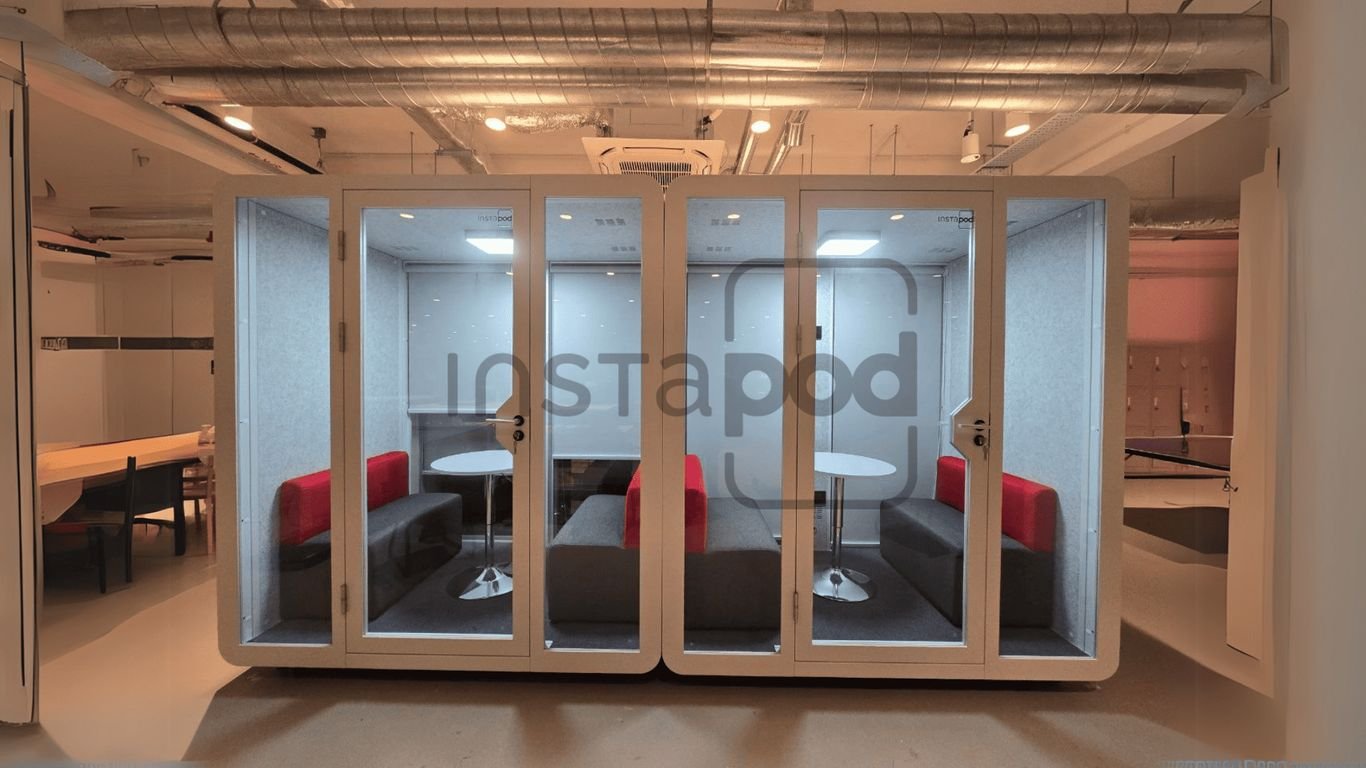
So, you’re thinking about getting some office pods for home, huh? It sounds like a big step, but honestly, for teams trying to get stuff done, it might be a really smart move. We’re talking about creating little quiet zones where people can actually focus, which is pretty tough when you’re juggling work and life at home. This article is all about figuring out if these pods are worth it for your team and what to look for when you’re shopping around.
Key Takeaways
- Office pods for home offer a dedicated, quiet space to boost concentration and productivity, especially in busy or distracting home environments.
- These pods provide crucial privacy for virtual meetings and confidential discussions, improving professionalism and security.
- Investing in office pods can lead to better meeting outcomes and increased overall output due to fewer interruptions.
- When choosing, consider factors like acoustic performance, ventilation, and ease of installation to ensure the pod meets your team’s specific needs.
- Office pods are a flexible and cost-effective way to create focused workspaces, supporting hybrid work models and employee well-being.
Maximising Productivity With Office Pods For Home
In today’s work environment, finding a quiet spot to concentrate can feel like a treasure hunt. Open-plan offices, while great for collaboration, often mean constant background noise. This is where office pods step in, offering a practical solution for teams that need to get things done without interruption. They’re not just fancy furniture; they’re tools designed to help people focus and perform better.
Creating An Optimal Workspace Environment
An office pod provides a dedicated space, free from the usual office distractions. Think of it as a personal sanctuary within a larger workspace. This controlled environment helps reduce stress and allows individuals to enter a state of flow more easily. When you can control the noise level and visual clutter, your brain can focus on the task at hand. This is especially important for tasks that require deep concentration, like writing code, drafting reports, or complex problem-solving.
Fostering A Culture Of Deep Focus And Productivity
When employees have access to spaces where they can work without being interrupted, it signals that their focus time is respected. This can lead to a shift in company culture, where deep work is valued. Providing office pods shows a commitment to employee well-being and productivity. It’s about giving people the resources they need to do their best work, which ultimately benefits the entire team and the business.
- Reduced Interruptions: Minimises casual walk-bys and background chatter.
- Improved Concentration: Creates a quiet zone for complex tasks.
- Enhanced Well-being: Offers a private space to decompress or take calls.
The ability to step away from the main work area into a quiet, private space can significantly improve an individual’s ability to concentrate and complete tasks efficiently. This isn’t just about comfort; it’s about creating the conditions for high-quality output.
Empowering Distributed Teams With Dedicated Spaces
For teams that are spread out, whether fully remote or hybrid, office pods can be a game-changer. They provide a consistent, professional environment for virtual meetings, ensuring clear audio and video quality. This helps bridge the gap between in-office and remote workers, making collaboration smoother. When everyone has access to a similar quality of workspace, it levels the playing field and supports a more inclusive work model. These pods can be configured for various uses, from solo calls to small team discussions, adapting to the dynamic needs of modern workforces.
The Strategic Advantages Of Acoustic Office Pods
Okay, so you’re thinking about getting some of these office pods, maybe the meeting room kind, for your team. That’s a pretty smart move, honestly. But here’s the thing: not all pods are created equal, and picking the wrong one can be a real letdown. It’s not just about grabbing the first shiny box you see; you really need to think about what your people actually do all day.
Boosting Productivity In Open-Plan Or Hybrid Settings
Open offices are great for some things, but let’s be real, they can get noisy. And with hybrid work, things get even more complicated. Acoustic pods cut through all that distraction. They give people a quiet zone where they can actually concentrate on their tasks. This isn’t just about blocking out random chatter; it’s about creating a space where focus is actually possible. When people can focus, they get more done, and they make fewer mistakes. It’s a pretty simple equation: less noise, more output.
Here’s a quick look at how productivity can improve:
- Increased task completion rates
- Fewer errors in work
- Higher employee satisfaction
Facilitating Confidential Discussions And Meetings
In any office, especially those with open layouts, having a private space for sensitive conversations is a big deal. Acoustic office pods, sometimes called privacy booths, give you that secure spot. Think about HR meetings, one-on-one check-ins, or even just a quick chat about a confidential project. You don’t want the whole office overhearing, right? These pods create a sound-insulated bubble, making sure your private talks stay private. It’s like having your own mini-conference room that’s always available.
These privacy booths are more than just furniture; they’re a smart investment in your team’s ability to perform. They provide the quiet and focus needed to tackle complex tasks and communicate effectively, especially when working remotely or in a busy office environment.
Transforming Remote Work With Acoustic Office Pods
Traditional meeting rooms take up a lot of space and are often booked solid. Acoustic pods are different. They’re modular and can be placed almost anywhere. Need an extra quiet spot for a few days? You can move a pod. Need more space for calls? Add another pod. They fit into existing layouts without major construction. This flexibility means you can adapt your office space as your team’s needs change, making better use of the square footage you have. The right pod is one that your team will actually want to use because it meets their needs for quiet, privacy, and comfort.
Understanding Your Needs Before You Buy
Ask These Questions First
Before you even start looking at different office pods, it’s a good idea to pause and think about how your team actually works day-to-day. What are the biggest pain points right now? Are people constantly complaining about noise? Do they have trouble finding a quiet spot to take an important call or just get some work done without interruptions? Knowing these things will help you pick a pod that actually solves a problem, instead of just being another piece of furniture.
- Does your team rely heavily on video calls and virtual meetings?
- Do employees frequently mention struggling to find a quiet space for focused tasks?
- Are impromptu meetings happening in less-than-ideal spots, like the break room or a corner of the main office?
- Is background noise a consistent complaint that impacts concentration or job satisfaction?
The Core Types Of Office Pods For Small Businesses
When you’re looking at pods, they generally fall into a few categories based on what they’re best used for. It’s not one-size-fits-all, so figuring out the primary use case is key.
- Solo Pods: These are usually compact, designed for one person. Think of them as a personal quiet zone for taking phone calls, participating in video conferences without distractions, or doing some serious concentration work.
- Small Group Pods (2-4 people): These are great for those quick team check-ins, one-on-one discussions, or when a couple of colleagues need to huddle up for a brief brainstorming session. They offer a bit more space than a solo pod but are still relatively small.
- Larger Pods (4+ people): If you need something that feels more like a mini meeting room, these are the ones. They can accommodate small teams for discussions, planning sessions, or when you need a bit more elbow room.
Key Features To Look For In 2025
Beyond just the size and type, there are specific features that make a big difference in how useful and comfortable a pod will be. Don’t get swayed by looks alone; functionality is king.
- Acoustic Performance: This is probably the most important thing. A pod that doesn’t block sound well defeats its main purpose. Look for details on sound insulation – sometimes measured by STC (Sound Transmission Class). A higher number means better noise reduction.
- Ventilation and Airflow: Nobody wants to feel stuffy. Good ventilation is a must, especially if people will be spending a decent amount of time inside. It keeps the air fresh and the space comfortable.
- Lighting and Power: Check if the lighting is comfortable and maybe even adjustable. Also, make sure there are enough power outlets and USB ports for charging laptops, phones, and other devices. You don’t want people hunting for an outlet.
- Comfortable Seating: If people are going to use the pod for more than just a quick call, the seating needs to be comfortable. Some pods have built-in seating, while others might have space for a small chair.
Choosing the right pod means thinking about your team’s actual workflow and daily needs. It’s about finding a solution that provides real benefits, like better focus and fewer interruptions, rather than just adding another item to the office inventory.
Making A Business Case: ROI Of Office Pods
Increased Productivity From Reduced Distractions
Let’s be real, open-plan offices can be a productivity killer. Constant chatter, ringing phones, and general office buzz make it tough to concentrate. Office pods act like personal quiet zones. They create a barrier against noise and visual distractions, allowing your team to actually get into a flow state. Think about it: fewer interruptions mean more focused work gets done. We’re talking about a noticeable uptick in output because people can actually hear themselves think. This isn’t just about comfort; it’s about measurable output.
Improved Meeting Outcomes Through Better Acoustics
Ever been on a video call where you can’t quite make out what the other person is saying because of background noise? It’s frustrating and wastes time. Pods are designed with soundproofing in mind. This means clearer conversations, whether it’s an internal team sync or a client call. Better acoustics lead to fewer misunderstandings, more efficient discussions, and a more professional impression. It’s a simple fix that can really smooth out communication.
Enhanced Employee Experience And Retention
Providing dedicated, quiet spaces shows your employees you care about their work environment and well-being. It gives them a place to focus without feeling like they’re shouting over colleagues or constantly being interrupted. This kind of thoughtful provision can make a big difference in job satisfaction. Happy employees are more likely to stick around, which cuts down on the costs and disruption associated with high turnover. It’s an investment in your people, plain and simple.
Here’s a quick look at how pods can pay for themselves:
- Reduced Distractions: Employees can focus better, leading to more work completed.
- Better Meetings: Clearer audio means fewer errors and faster decisions.
- Employee Satisfaction: A more comfortable and functional workspace boosts morale.
- Space Efficiency: Maximize existing office space without costly renovations.
Investing in office pods isn’t just about buying furniture; it’s about creating an environment where your team can perform at their best. It’s a strategic move that addresses common workplace frustrations head-on, leading to tangible benefits for both your employees and your bottom line.
Integrating Office Pods For Home Seamlessly
So, you’ve decided office pods are the way to go for your team. That’s great! But how do you actually get them set up and make sure everyone uses them? It’s not as complicated as it sounds, honestly. Most modern pods are designed to be pretty straightforward to install. Think of it like bringing in a new piece of furniture, but with a specific purpose.
Understanding Plug-and-Play Installation Benefits
One of the biggest pluses with these pods is how easy they are to get up and running. Many come as "plug-and-play" units. This means you don’t need a construction crew or a week of downtime. You can literally unpack it, place it where you want it, plug it into a standard outlet, and it’s ready. This speed is a lifesaver for businesses that need to adapt quickly without major disruption. It means you can add that much-needed quiet space almost overnight.
Leveraging Customizable Features for Specific Needs
These pods aren’t just about blocking out noise, though that’s a big part of it. They’re built to be functional spaces. You can often tweak them to fit exactly what your team needs. This might include:
- Lighting: Options for adjustable, eye-friendly lighting.
- Airflow: Built-in ventilation systems to keep the air fresh and comfortable.
- Power: Integrated outlets and USB ports for charging devices.
- Surfaces: Some models offer whiteboards or other writable surfaces for quick brainstorming.
The goal is to create a space that feels right for the task at hand, whether that’s a quiet call or a quick huddle.
Encouraging Adoption and Use
Getting the pods is one thing; getting people to actually use them is another. It helps to communicate clearly why they’re there and what they’re for. Make sure everyone knows how to book them if that’s part of the system. Sometimes, a quick demo or a simple guide on how to use the features can make a big difference. If the pods are comfortable and meet a real need, people will naturally start using them more and more. It’s about making them an obvious and easy choice for focused work or private conversations.
Budgeting And Financing Your Office Pod Investment
Okay, so you’re thinking about getting some office pods for your team. That’s great! But before you get too excited, let’s talk about the money side of things. It’s easy to see these pods as just another expense, but really, they’re an investment. Think about it: less distraction means more work gets done, right? That’s a tangible return.
Pricing And Value Considerations
The cost of office pods can really vary. You’re looking at anywhere from about $7,000 for a small, single-person booth to $15,000 or even more for a larger meeting pod that can fit four or six people. It really depends on the size, the materials, and what features are built-in. Some companies offer refurbished pods, which can be a good way to save some cash if your budget is tight. When you’re comparing prices, don’t just look at the sticker price. Think about how much it would cost to build a similar space with walls and soundproofing – pods are often way cheaper and faster to set up. Plus, the productivity boost you get from fewer interruptions? That’s value you can’t always put a number on, but it’s definitely there.
Here’s a rough idea of what you might expect:
| Pod Type | Estimated Price Range (USD) | Key Features |
|---|---|---|
| Single-Person Booth | $7,000 – $10,000 | Focus work, private calls, compact design |
| 2-4 Person Pod | $10,000 – $15,000 | Small meetings, hybrid calls, collaboration |
| 4-6 Person Pod | $15,000+ | Team meetings, presentations, larger groups |
Budget And Financing Options
So, how do you pay for this? You’ve got a few main ways to go. You can buy them outright, which is great if you have the cash flow and want to own the asset long-term. Then there’s leasing. Leasing is a good option if you want to spread the cost out over time and keep your upfront expenses lower. This can be really helpful for smaller businesses or startups that are still getting their footing. Some suppliers might even offer rental agreements, though that’s less common for permanent installations. It’s worth talking to the pod supplier about what financing options they have available or if they partner with any financing companies. They often have programs designed specifically for businesses looking to invest in this kind of workspace solution.
- Outright Purchase: Best for long-term ownership and if you have available capital.
- Leasing: Spreads costs over time, preserving cash flow for other business needs.
- Rental Agreements: Less common, but can offer flexibility for short-term needs.
When you’re looking at the numbers, always compare the cost of a pod against the cost of traditional construction. Factor in not just the build, but also the disruption, the time it takes, and the flexibility you lose with permanent walls. Pods usually come out ahead on most of these points.
Installation And Aftercare Support
Don’t forget about what happens after you buy! Installation is usually pretty straightforward with most pods – they’re designed to be "plug-and-play," meaning they can often be set up in a day or two without major disruption. But always check the lead times with your supplier. Some might have them ready to go, while custom orders can take longer. And what about after it’s installed? Good suppliers will offer a decent warranty. It’s also smart to ask about ongoing support. What happens if something goes wrong? Do they offer repair services? Can they help if you need to move the pod later on? A company that stands behind its product with solid aftercare makes your investment feel a lot safer. You want to know that if an issue pops up, you can get it sorted quickly so your team isn’t losing out on that focused workspace.
Choosing The Right Office Pods For Your Team
So, you’ve decided that office pods are the way to go for your team. That’s great! But with so many options out there, how do you pick the ones that will actually work for your crew? It’s not just about picking a cool-looking box; you need to think about what your people do all day and what they really need to get their best work done. Let’s break down what to look for.
Acoustic Certification And Performance
This is probably the biggest deal. If a pod doesn’t block sound well, it’s kind of pointless, right? You want to find pods that have solid sound insulation. This is often measured by something called STC, or Sound Transmission Class. A higher STC number means it’s better at keeping noise out and conversations in. A pod that really cuts down on background chatter and lets you have clear calls is a game-changer for focus. Don’t just take their word for it; look for independent testing or certifications. This is especially important if your team does a lot of virtual meetings or needs to have private discussions. For those looking for meeting pods in places like Singapore, where office spaces can be dense, good acoustics are non-negotiable.
Integrated Ventilation And Smart Connectivity
Nobody wants to sit in a stuffy box. Good ventilation is a must. You need a system that keeps the air fresh without being loud enough to ruin the quiet. Look for pods with quiet, built-in fans that circulate air. On the tech side, think about what your team needs. Most modern pods come with power outlets and USB ports, which is pretty standard now. But some offer more – like smart booking systems, occupancy sensors, or even integrated screens. Think about whether these extras will actually be used or just add complexity. Simple, reliable connectivity is usually best for most meeting pods.
Sustainability Credentials And Modular Build
More and more, businesses care about their environmental impact. When looking at pods, see what they’re made of. Are the materials recycled or responsibly sourced? Some companies are really pushing the envelope with eco-friendly designs. Also, consider how the pod is built. A modular design means it can be easily moved, reconfigured, or even expanded later on. This is super handy if your team grows or your office layout changes. You don’t want to be stuck with something that can’t adapt. This flexibility is key, especially for smaller businesses or those in dynamic work environments.
Choosing the right office pod isn’t just about buying furniture; it’s about investing in your team’s ability to concentrate, communicate effectively, and feel comfortable in their workspace. It’s about creating functional zones that support different work styles without disrupting the entire office flow. Think about the daily tasks and interactions of your team to make an informed decision.
Here’s a quick look at common pod types and their typical uses:
- Solo Pods: Great for individual calls or deep focus work. Small footprint, maximum quiet.
- Two-Person Pods: Ideal for one-on-one meetings, pair programming, or back-to-back calls. Offers privacy for two.
- Four-Person Pods: Suitable for small team huddles, client check-ins, or brainstorming sessions. A step up in collaboration space.
- Larger Meeting Pods: For when your team needs a dedicated space for group discussions or project planning without taking over a main meeting room.
A Smart Move for Focused Teams
So, we’ve talked a lot about how these office pods can really change things up for a team. They’re not just fancy boxes; they’re tools that help people get their work done without all the usual office noise and interruptions. Whether it’s for deep focus, private calls, or just a moment of quiet, these pods offer a practical solution. Investing in one means you’re investing in your team’s ability to concentrate and be more productive, which, let’s be honest, is good for everyone. It’s a pretty straightforward way to make your workspace work better for the people in it.
Frequently Asked Questions
What exactly is an office pod and why would my team need one?
An office pod is like a small, private room that you can put inside a bigger office or even at home. They’re built to be quiet inside, so you can focus on your work without distractions. If your office is noisy, or if you need a private space for calls or meetings, an office pod is a great solution. It helps your team get more done by giving them a dedicated quiet spot.
Are office pods really soundproof, or just a little bit quiet?
Good office pods are designed to be very quiet inside, almost soundproof. They use special materials and designs to block out noise from the outside. This means you can have important calls or really concentrate on your tasks without being bothered by what’s happening around you. It’s not just about blocking noise, but creating a peaceful workspace.
How much do office pods usually cost, and is it worth the money?
The price can change a lot depending on the size and features, but smaller ones for one person might start around $7,000, and bigger ones for meetings could be $15,000 or more. Think of it as an investment. Because they help people focus better and have more productive meetings, they can actually save you money in the long run by boosting your team’s work. It’s often cheaper than building a whole new room.
Can I set up an office pod myself, or do I need professionals?
Many office pods are designed to be easy to set up, almost like putting together furniture. They often call this ‘plug-and-play,’ meaning you can unpack it, put it in place, and plug it in, and it’s ready to use. For some bigger or more complex ones, you might want a professional to help, but often it’s pretty straightforward.
What if my team’s needs change? Can office pods be moved or changed?
That’s one of the best things about office pods! Many are built to be moved around if you need to change your office layout. Some are even modular, meaning you can add to them or change them later. This makes them super flexible, especially for businesses that are growing or changing their setup often. They aren’t a permanent structure like a wall.
Are office pods good for people who work from home sometimes (hybrid work)?
Absolutely! Office pods are fantastic for hybrid work. If someone is working from home but needs a really quiet space for an important video call, a pod at the office can be booked. It ensures they have a professional and quiet environment, even if their home isn’t always ideal. It helps make sure everyone has a good workspace, no matter where they are.