No pods added to your quote request yet. Add some now for a free quote!
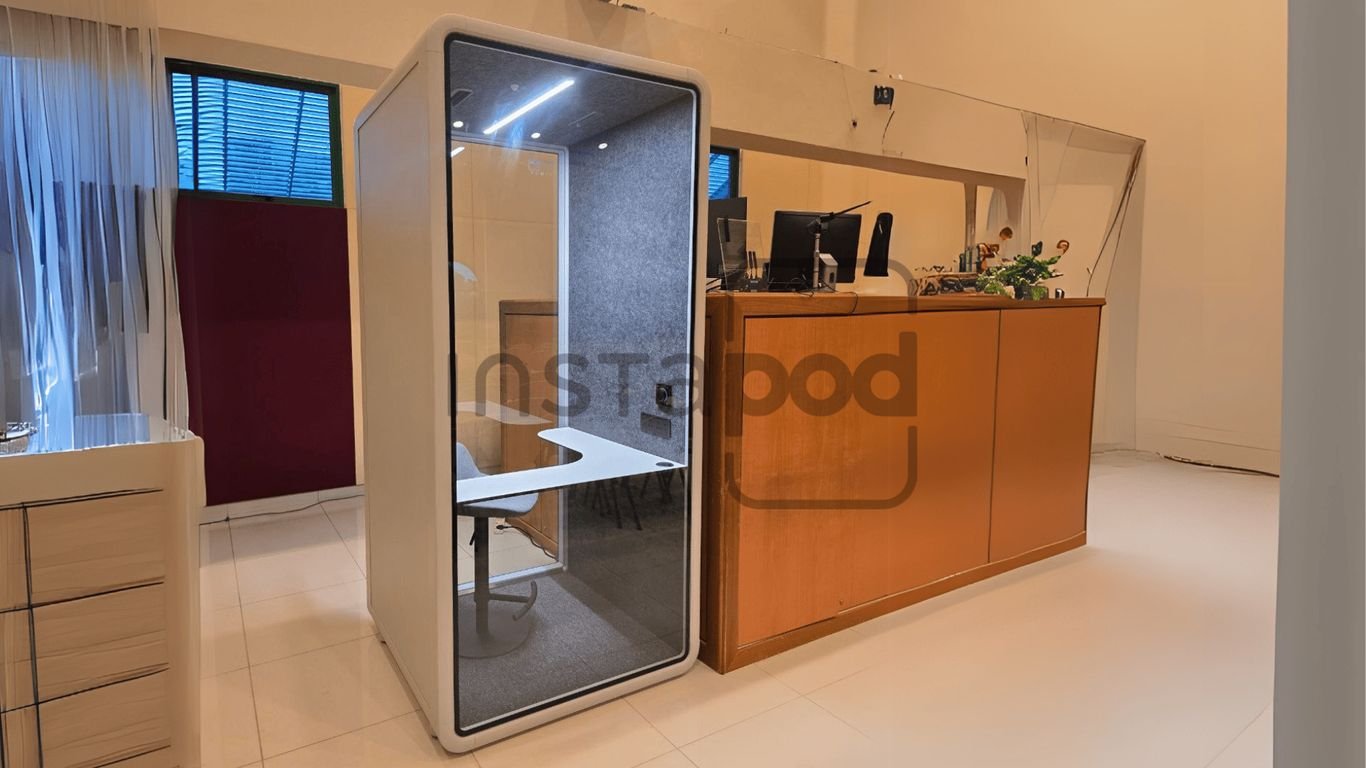
Offices these days are always changing, right? It used to be cubicles, then everyone wanted open spaces to chat more. But turns out, all that openness can be super noisy and distracting. That’s where these things called workpods come in. They’re like little private rooms you can pop into your office. Think of them as quiet zones for when you really need to focus, or just a spot to have a quick, private chat without bothering everyone else. They’re popping up everywhere, and for good reason – they seem to make a big difference in how people work and feel at the office.
Key Takeaways
- Workpods offer private, quiet spaces to combat distractions common in open-plan offices, boosting concentration.
- These modular units are designed with soundproofing, good ventilation, and comfortable ergonomics to support employee well-being.
- Workpods help businesses make the most of their office space, especially in smaller or hybrid work environments.
- They can improve job satisfaction by reducing stress and providing employees with dedicated areas for focused tasks.
- Integrating workpods is a strategic move that can enhance productivity and adapt office designs for future work models.
Understanding The Rise Of Work Pods
Work pods are showing up everywhere these days, and they’re changing how offices actually function. At first, it might seem like they’re just another trendy add-on, but there’s a real reason people keep talking about them: work pods are reshaping the way people focus and collaborate in bustling office spaces.
Defining The Modern Work Pod
Work pods are standalone, compact rooms or booths intended for privacy and single-tasking in shared work environments. They come in different shapes and sizes, ranging from solo pods with just enough room for one laptop-wielding worker, to slightly larger booths that can seat a small group. Most have features like:
- Thick walls for sound insulation
- Built-in power outlets and USB ports
- Adjustable lighting and ventilation
- Minimal but comfortable furnishings
Pods are basically like a tiny office within a big office—a place to escape the noise, hold a quiet call, or just tune out distractions for a while. You’ll often find them scattered between open coworking areas, lobbies, or along quiet corridors.
Addressing Open-Plan Office Challenges
Open-plan offices promised more connection and teamwork, but they’ve also brought headaches—literally and figuratively. With everyone sharing the same air and noise, it’s hard to concentrate when someone nearby is hosting a loud meeting or you’re squeezed into a space that never feels quite private.
Here’s how work pods tackle the common pitfalls:
- Noise Control: Pods are designed to block out chitchat and ringing phones, letting people really focus.
- Privacy: They give workers at least a modicum of privacy—good for making calls or just recharging.
- Flexible Use: Employees can use them for brief phone calls, heads-down project time, or impromptu meetings.
| Open-Plan Offices | Work Pods |
|---|---|
| Noise | Noise control |
| Few private spaces | Private workspace |
| Distractions | Minimal distractions |
Sometimes it feels like everyone in the office is talking at once, but inside a pod, you finally get a pocket of quiet to get things done.
The Strategic Role Of Work Pods
Businesses have started using work pods as more than just an afterthought—they’re a central part of how offices run now. The strategic benefits include:
- Making the most of every square foot, especially in expensive city buildings
- Letting people split their time between collaboration and quiet work
- Boosting employee well-being, since people can pick whichever spot matches their needs
- Offering a relatively quick, non-permanent solution compared to full remodels
Companies planning for hybrid and flexible work are especially interested since pods fit easily into shifting office layouts. For a lot of people, it’s not about building more walls—it’s about giving real choices for how and where to work.
Key Features Enhancing Productivity
Superior Soundproofing For Deep Focus
Ever feel like you’re trying to concentrate in the middle of a busy cafe? That’s often what open-plan offices feel like, right? Well, work pods are designed to be your personal quiet zone. They use special materials in their walls and ceilings to really cut down on noise. Think about it: no more overhearing loud phone calls or the constant keyboard tapping. This means you can actually get into that zone where you’re doing your best work, whether it’s writing a big report or figuring out a tricky problem. It’s like having your own little soundproof bubble.
Ergonomic Design For Comfort
Sitting for hours can be a real pain, literally. Work pods usually come with chairs that you can adjust – height, back support, you name it. Many also have desks that move up and down. This isn’t just about feeling fancy; it’s about making sure you’re not getting stiff and tired by lunchtime. When you’re comfortable, you can focus on your tasks for longer without feeling drained. It makes a big difference in how much you can get done.
Smart Ventilation And Lighting
Nobody likes feeling stuffy or squinting at their screen. Pods often have systems that keep the air fresh, so you don’t feel drowsy. The lighting is usually adjustable too, often using LEDs that mimic natural daylight. You can tweak it to what works best for your eyes and the task at hand. Good air and light really help you stay alert and focused throughout the day.
Sustainable Materials In Design
It’s good to know that many of these pods are made with the environment in mind. Companies are using recycled materials or wood from responsibly managed forests. This means you can get your focus on without feeling guilty about the planet. It’s a win-win: a better workspace for you and a better choice for the earth.
Maximising Space And Functionality
So, you’ve got these neat little work pods, but where do you actually put them to get the most out of them? It’s not just about sticking them in any old corner. You really need to think about how your team actually works and moves around the office. Placing them thoughtfully can make a huge difference in how often they’re used and how much they actually help.
Open-plan offices are great for collaboration, but let’s be honest, they can get pretty noisy. Work pods are like little quiet spots in the middle of all that buzz. You want to put them somewhere that’s easy to get to, but not so central that they become a new source of distraction. Think about placing them near team areas that tend to get a bit loud, or perhaps along quieter walls where they won’t be in the main walkway. The goal is to create pockets of focus without completely isolating people from the office vibe. It’s a balancing act.
Optimising Limited Office Square Footage
Work pods are often designed to fit into different office layouts without a fuss. Their modular nature means companies can move them around or change them up as needed. Because these pods are compact, they’re a good fit for co-working spaces or offices that don’t have a lot of extra room. They help make the most of the space you have.
Versatile Configurations For Diverse Needs
When you’re picking out pods, think about what people will actually be doing in them. A pod that’s too small or doesn’t have the right features can actually slow things down instead of speeding them up. Do you anticipate needing to move the pod later? If your office layout might change, or if you want the flexibility to rearrange your space, then being able to move it is important. Some pods are made to be taken apart and moved easily, while others are more permanent.
Here’s a quick look at what to consider for mobility:
- Weight: Lighter pods are generally easier to move.
- Assembly: Designs that come in pieces make taking them apart and putting them back together simpler.
- Wheels: Some pods come with wheels, which makes relocating them a breeze.
Mobility And Adaptability Of Pods
Choosing a slightly larger solo pod means more than just a bit of extra room. Pods that offer more space can fit better furniture and more comfortable seating, which helps with posture and reduces tiredness during longer work sessions. The extra space also lets people move around, letting them stretch or shift their position easily. This means people can stay productive for longer without feeling uncomfortable, making these pods a smart choice for employee comfort.
Work pods are a smart way to use office space. They can be moved and changed to fit different needs, making them useful for many kinds of work and office setups. This flexibility means they can adapt as your company grows or changes its layout.
Consider these points when thinking about how you’ll use the pods:
- Power and Connectivity: Most pods come with built-in power outlets and USB ports. Some even have wireless charging. More advanced ones might have smart features like voice controls.
- Privacy Features: Things like frosted glass or solid walls make sure you have visual privacy. This is important for meetings or looking at private information.
- Airflow and Lighting: Good ventilation keeps the air fresh, and adjustable lighting helps create a comfortable working environment, even for long periods.
By looking at these details, you can make sure the work pods you choose fit well into your office and help people work better.
Boosting Employee Well-being And Morale
Creating Private Havens For Concentration
It’s tough to get anything done when there’s always something going on around you. Open offices, while great for some things, can be a real drag when you actually need to focus. That’s where work pods come in. They’re like little personal bubbles where you can actually get your head down and do the work. Think of them as your personal quiet zone in a busy office.
Reducing Stress Through Noise Reduction
Constant noise is a major stressor. The chatter, the phones ringing, the general office hum – it all adds up. Pods are built with soundproofing in mind, which makes a huge difference. When you’re not constantly being pulled out of your thoughts by background noise, you feel calmer and more in control. It’s not just about being able to hear yourself think; it’s about creating an environment that doesn’t constantly jangle your nerves.
A quieter workspace means fewer interruptions and a more relaxed atmosphere. This can lead to a noticeable drop in daily stress levels for many employees.
Enhancing Job Satisfaction With Dedicated Spaces
Having a dedicated space, even a small one, can really make you feel more valued. It shows the company is thinking about how people actually work and what they need to do their best. When employees feel like their needs are being met, they’re generally happier and more satisfied with their jobs. It’s a simple concept, really: give people the tools and environment they need, and they’ll do better work and feel better about it.
Here’s a quick look at what employees reported:
- 78% noted quieter environments compared to open layouts.
- 63% stated a space for uninterrupted work helped with work-life balance.
- Employees reported a significant decline in distractions like impromptu meetings.
This kind of dedicated space helps people feel more productive and less frazzled at the end of the day. It’s a win-win, really.
Integrating Work Pods Into Your Office
So, you’ve decided work pods are the way to go. Great! Now comes the part where you actually get them into your office space. It sounds simple, but trust me, a little planning goes a long way. Think of it like setting up a new piece of furniture – you wouldn’t just shove it anywhere, right?
Strategic Placement For Seamless Flow
Where you put these pods matters. You don’t want them blocking main walkways or ending up in the noisiest corner of the office. The goal is to make them accessible but also to create a sense of calm. Consider placing them near team areas if they’re for quick chats, or in quieter zones if they’re meant for deep focus. It’s about creating zones within your existing layout.
Here’s a quick way to think about placement:
- High-Traffic Areas: Good for quick calls or brief, informal meetings. Think near break rooms or main corridors.
- Quiet Zones: Ideal for focused work or sensitive conversations. Place these further from the main hustle.
- Team Hubs: Useful for small, impromptu team huddles or brainstorming sessions.
Addressing Potential Implementation Challenges
Let’s be real, not everything goes perfectly. Sometimes, people might grumble about change. Employees used to the open-plan might feel a bit weird about using a pod at first. It’s important to talk to your team, explain why these pods are there, and show them the benefits – like fewer distractions and more privacy. Another thing is space. Pods are great for saving space, but you still need to figure out where they fit best without making the office feel cramped. And don’t forget about the tech – make sure there are enough power outlets and good Wi-Fi.
The biggest hurdle is often just getting people on board. Clear communication about how these office telephone booths can actually help everyone do their jobs better is key. It’s not about taking away space; it’s about making the space work smarter.
Choosing The Right Pod For Your Team
Not all pods are created equal. You’ve got different sizes and features. Do you need a small office phone booth for quick, private calls? Or a larger pod that can fit two or three people for a small meeting? Think about what your team actually does day-to-day. If everyone’s constantly on calls, more phone booths might be the answer. If collaboration is the name of the game, maybe a slightly bigger pod makes more sense. It’s worth doing a quick survey or just observing how people work to figure this out. Getting the right type of pod means your team will actually use it.
The Future Impact Of Work Pods
Supporting Hybrid Work Models
Work pods are becoming a really big deal for how we’ll work in the future, especially with more people splitting their time between home and the office. These little spaces are perfect for when someone needs to come in but doesn’t have a dedicated desk that day, or when a team needs a quiet spot for a quick meeting without booking a whole conference room. They help make sure everyone, whether they’re in the office full-time or just a few days a week, has a place to get their work done without feeling lost or unproductive. It’s all about making the office flexible enough for everyone.
Transforming Office Design Paradigms
We’re seeing a big shift away from those endless open-plan layouts. Offices are starting to look more like a collection of different zones, and work pods are a key part of that. Instead of just rows of desks, companies are using pods to create areas for focused work, private calls, and small group huddles. This means offices can be rearranged more easily as needs change, and they can fit more people and activities into the same amount of space. It’s a smarter way to use office real estate.
Driving Innovation In Workspace Solutions
Think about what’s next. We’re already seeing pods with better soundproofing, built-in tech like charging ports, and smart ventilation. The next wave will likely bring even more integrated technology, maybe even AI-powered features to help manage bookings or adjust the environment. Plus, with a growing focus on sustainability, expect to see more pods made from recycled materials and designed for easy disassembly and reuse. These workplace pods aren’t just furniture; they’re becoming smart tools for a more efficient and comfortable workday.
So, What’s the Takeaway?
Look, work pods aren’t just some fancy new office furniture. They’re a pretty solid answer to a lot of the headaches we deal with at work these days, especially in those big open offices. They give people a quiet spot to actually get stuff done without all the noise, and they look good too. Plus, they’re good for the planet and help keep the air fresh. Whether you need a place for a quick call or some serious deep work, there’s probably a pod out there for you. It’s a simple idea, really – giving people the space they need to do their best work. And honestly, that’s a win for everyone.
Frequently Asked Questions
What exactly are work pods?
Work pods are like small, private rooms you can place inside a bigger office. They’re designed for quiet phone calls, quick chats, or when you need to really concentrate without being bothered. They usually have good sound blocking, lights, and places to plug in your gadgets.
Why are work pods becoming so popular?
These pods are getting really popular because they help a lot in busy offices. They give people a quiet spot for important talks or deep work, which cuts down on noise. They also help use office space better and can be moved around if you change your office layout.
Can work pods fit in any office size?
Yes, work pods are made to fit into most office spaces. They come in different sizes, from small booths for one person to bigger ones for a few people. They’re a flexible choice that doesn’t need big construction work.
Do work pods have good air circulation and power outlets?
Most work pods have good ventilation systems to keep the air fresh inside. They also often include power outlets for charging devices and sometimes even screens for video calls, making them very useful.
How do work pods help with noise?
Work pods are built with special materials that block sound. This means you can have a quiet conversation or focus on your work without hearing all the noise from the rest of the office. They can block out a lot of sound, making it much easier to concentrate.
Are work pods good for employee happiness?
Definitely! Giving employees a private space to focus or take a break can really lower stress. It makes them feel more comfortable and valued, which can lead to them being happier at work and more productive.