No pods added to your quote request yet. Add some now for a free quote!
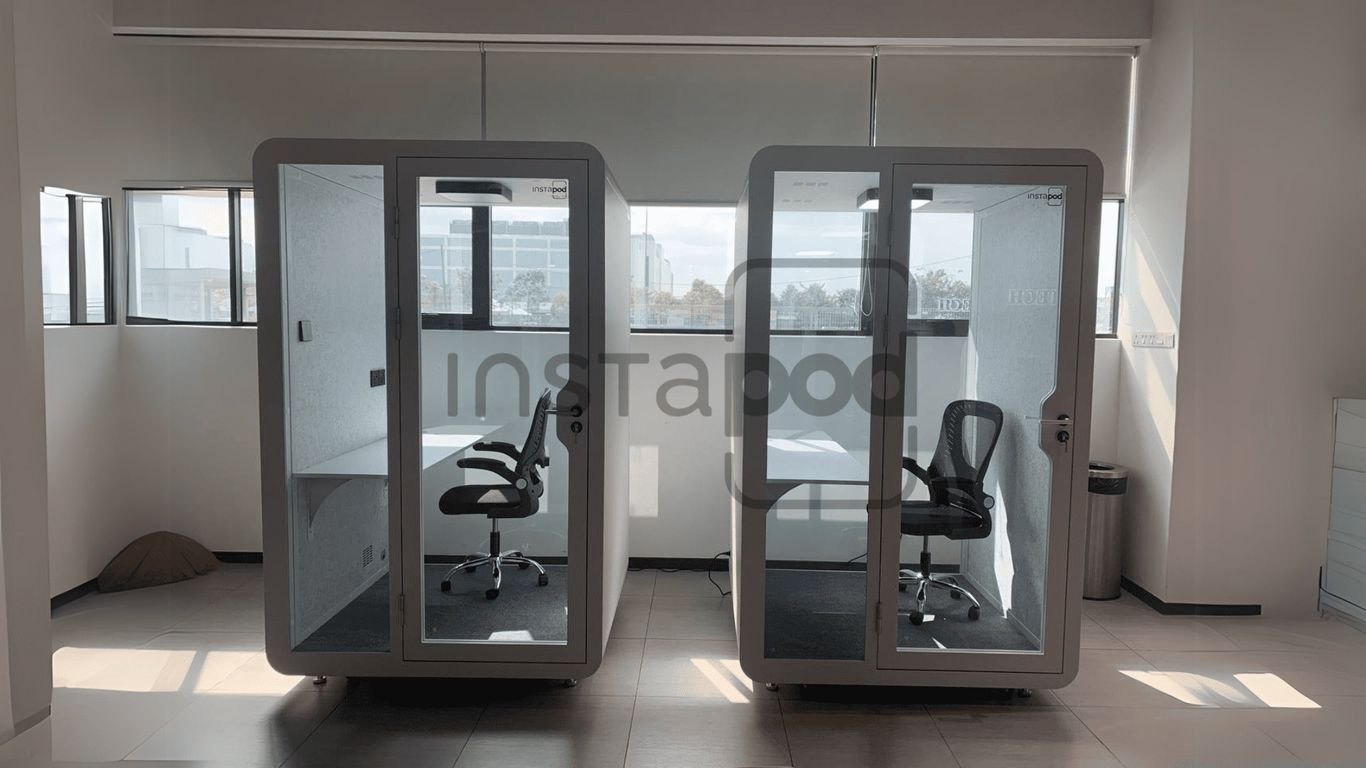
Setting up a work booth in your office can really change how people work together. It’s not just about adding furniture; it’s about creating spaces that help teams connect and get things done without all the usual office noise. We’ll look at how to place them, how many you might need, and how to make them work best for your team. Think of it as building little hubs for better collaboration.
Key Takeaways
- Place work booths in unused spots like hallways or corners to make the most of your office space. This also helps cut down on noise near desks.
- Think about which departments work together most often and put their work booths nearby to make collaboration easier.
- For smaller teams, one single-person booth and one team booth might be enough. Larger groups might need more, with a general rule of one phone booth per five people and one meeting booth per ten.
- Design work booths to fit into your open office, making them easy to access for quick chats or project huddles. Booth seating itself can encourage idea sharing.
- Work booths can be moved around, making your office more flexible. They can also be set up with tech for meetings and provide a comfortable, private space for focused work or calls.
Strategic Placement Of Work Booths
Figuring out where to put these work booths can make a big difference in how well they actually get used. It’s not just about sticking them anywhere; it’s about thinking about how people move around and work in the office.
Utilizing Untapped Office Spaces
Think about those awkward spots in your office that just collect dust. Maybe it’s a dead-end hallway, that weird nook under the stairs, or just a long, empty corridor. These are perfect places for a work booth. They can turn wasted space into something useful without taking up prime real estate. It’s like finding hidden gems for your team.
Balancing Visual Connection and Privacy
This is a tricky one. You want people to feel connected to the office buzz, but also have a place to focus without being stared at. The trick is often in how you orient the booth. If a booth has glass panels, think about where they face. Pointing them towards a walkway might give a sense of being part of things, but if they face a busy work area, it can feel intrusive. Finding that sweet spot where you can see out a bit, or people can see in briefly, without feeling exposed, is key. It’s about giving people control over their visibility.
Enhancing Departmental Proximity
If you have teams that work closely together on projects, putting their work booths nearby makes a lot of sense. It cuts down on travel time when someone needs a quick chat or wants to grab a colleague for a spontaneous brainstorming session. Imagine a marketing team and a design team needing to hash out a campaign – having booths close by means they can pop over easily. This kind of proximity can really speed things up and make collaboration feel more natural. It helps build a sense of shared purpose when teams are physically closer.
Optimizing Work Booth Density
Figuring out just how many work booths your office actually needs can feel like a puzzle. It’s not a one-size-fits-all situation, and what works for one company might be way off for another. The goal is to have enough booths so people can actually use them when they need to, without having them take up too much space or feel like they’re just sitting empty.
Guidelines for Small Businesses
For smaller teams, think about where you have those awkward, unused spots. Maybe it’s a corner that never gets used, or a bit of space under a staircase. These are perfect places to tuck in a single-person booth for someone who needs to make a private call or just get away from the general office buzz for a bit. A good starting point is one small booth for every five employees and one larger meeting booth for every ten. This way, you’re covered for quick chats and slightly more involved discussions.
- Utilize dead space: Look for corridors, nooks, and crannies.
- Prioritize privacy: Place booths where they offer a clear escape from noise.
- Balance visibility: Position glass panels so people can see out, but still feel private.
Recommendations for Midsize Companies
As your company grows, you’ll want to think about how different departments work together. Placing booths strategically near teams that collaborate often can make a big difference. It cuts down on travel time to find a quiet spot and encourages spontaneous brainstorming. You can even create little "hubs" where a few booths are clustered, making it easy for teams to gather and pick the best spot for their current task.
For midsize offices, it’s about creating zones. Think about grouping booths near departments that frequently interact. This makes it easier for them to connect and share ideas without disrupting others.
Determining Needs for Large Organizations
In bigger offices, especially those spread across multiple floors, distribution is key. You don’t want everyone flocking to one side of the building. Spread them out evenly, considering how people move around and where the natural light is. For every group of 10 to 20 people, aim for at least one single-person booth, one booth for focused work, and one team meeting booth. This ensures that no matter where someone is working, they have access to the quiet space they might need.
| Team Size | Single-Person Booths | Meeting Booths |
|---|---|---|
| 10-20 | 1 | 1 |
| 20-40 | 2 | 2 |
| 40-60 | 3 | 3 |
Designing Work Booths For Collaboration
Integrating Booths into Open Workspaces
Think about how you can weave these work pods into the existing layout. Instead of needing a whole separate room, a well-placed booth can act as a mini-meeting spot right in the middle of things. People can easily step away from their desks for a quick chat or a short brainstorming session and then get right back to their tasks. It’s like having little collaboration islands scattered throughout the office. This approach makes good use of space and keeps the energy flowing.
Creating Project Huddle Zones
These zones are perfect for teams that need to hash out ideas or make fast decisions. They don’t have to be fancy; sometimes just a cluster of work pods is enough. Equip them with the basics like a whiteboard or some sticky notes. If you have remote team members, consider adding some tech so everyone can join in, maybe a digital whiteboard that everyone can write on. The idea is to make it easy for small groups to gather and get stuff done without disrupting others.
Leveraging Booth Seating for Idea Sharing
Booth seating naturally encourages people to open up. Because they’re often semi-enclosed, folks tend to feel a bit more comfortable and secure, which can lead to more open sharing of thoughts and ideas. These spots aren’t just for talking, though. They work well for focused group work, quick one-on-one meetings, or even just a quiet place for a couple of people to collaborate on something specific. The enclosed nature helps create a sense of a private space for focused interaction.
Here’s a quick look at how many booths might work for different team sizes:
| Team Size | Single-Person Pods | Team Meeting Pods |
|---|---|---|
| 10-20 People | 1 | 1 |
| Every 5 Employees | 1 (for calls) | – |
| Every 10 Employees | – | 1 (for meetings) |
When designing these collaborative spaces, remember that flexibility is key. Think about how the space can adapt as project needs change. The right setup can make a big difference in how smoothly ideas flow and how productive your teams are.
Maximizing Acoustic Benefits Of Work Booths
When you’re trying to get work done, especially in a busy open office, noise can be a real problem. That’s where work booths, particularly those designed as sound proof pods, really shine. They’re not just little rooms; they’re carefully crafted spaces meant to give people a break from the general office hubbub.
Minimizing Distractions Near Workstations
Placing these sound proof pods strategically near active work areas can make a big difference. Think of it like this: if someone needs to make a quick, private call or just needs a moment of quiet to gather their thoughts, having a booth close by is way better than them trying to find a faraway conference room. This proximity helps keep the main workspace less disrupted and allows individuals to quickly access a quiet zone without losing much time. It’s about creating pockets of calm right where people are working.
Creating Quiet Retreats for Focused Work
Beyond just blocking noise, these booths act as dedicated quiet zones. They’re perfect for tasks that require deep concentration, like writing reports, coding, or doing detailed analysis. The isolation they provide means fewer interruptions, leading to better quality work and less frustration. It gives employees a place to go when they need to really get into their heads without the constant background chatter.
Containing Noise at the Source
Another smart way to use work booths is to think about where noise is generated. If a particular team or project tends to be a bit louder, placing a booth nearby can help contain that sound. Instead of letting the noise spread throughout the office, the booth absorbs it. This is especially useful for calls or team discussions that might otherwise disturb others. It’s a proactive approach to managing the soundscape of the entire office.
Here’s a quick look at how different types of booths can help:
- Single-person pods: Ideal for private calls, focused individual work, or a quick mental break.
- Two-to-four person booths: Great for small team discussions, brainstorming sessions, or collaborative tasks that need a bit more privacy.
- Larger meeting booths: Suitable for more formal meetings or when a group needs a dedicated space away from the main office flow.
The goal is to create an environment where people can choose their level of interaction and focus. By providing these acoustic sanctuaries, you’re acknowledging that different tasks require different settings, and you’re giving your team the tools to succeed.
Enhancing Office Agility With Work Booths
Offices today need to be flexible. Things change, teams grow, and projects shift. That’s where work booths, like the popular office pod options you see around, really shine. They aren’t just static furniture; they’re tools that help your workspace keep up.
Mobility and Relocation of Booths
One of the biggest pluses of modern office pods is how easy they are to move. Unlike built-in rooms, these units can often be picked up and placed somewhere else without a huge fuss. This means if your team structure changes or you need to reconfigure a floor plan, your booths can come along for the ride. Think about it: you can shift a quiet focus booth from a corner to be closer to a new project team, or move a small meeting pod to a different department that’s suddenly swamped.
- Easy to reposition for changing team needs.
- Avoids costly construction for reconfigurations.
- Supports dynamic office layouts.
Adapting Booths for Evolving Functions
Beyond just moving them, many office pods are designed to be adaptable in their use. A booth that’s currently a one-on-one meeting space could, with a few tweaks or different furniture, become a small brainstorming area or even a private call room. This versatility means you’re not stuck with a space that only does one thing. As your company’s needs change, your booths can change with them, offering a cost-effective way to meet new demands.
The ability to repurpose these units means they remain useful even as your company’s workflow or project types evolve over time.
Supporting Hybrid Work Models
With more people working from home some days and in the office others, the office pod becomes even more important. It provides a dedicated, quiet space for those who are in the office, whether for focused work or a video call. For hybrid teams, having these readily available spaces means that when people do come in, they have the resources they need to be productive and connect with colleagues. It helps make the office a destination for specific types of work and collaboration, rather than just a place to sit.
| Booth Type | Typical Use Case | Hybrid Support |
|---|---|---|
| Single-person pod | Focused work, calls | Private space for remote workers in the office |
| Small meeting pod | 2-4 person meetings | Quick team syncs, client calls |
| Larger huddle pod | 4-6 person collaboration | Project discussions, brainstorming sessions |
Work Booths As Productive Sanctuaries
Sometimes, you just need a quiet spot to get things done, right? That’s where work booths really shine. They’re not just extra rooms; they’re designed to be little pockets of productivity where people can escape the general office buzz and really focus.
Ergonomics and Comfort for Extended Use
Think about it: if you’re stuck in a booth for a couple of hours, you want to be comfortable. Good booths come with decent seating, maybe a small desk or table, and importantly, good air circulation. Nobody wants to feel stuffy while trying to concentrate.
- Adjustable seating: Lets people find their best posture.
- Adequate lighting: Bright enough to work, but not harsh.
- Ventilation: Keeps the air fresh, preventing that closed-in feeling.
Making sure a booth is comfortable for longer periods is key. It’s not just about having a place to sit; it’s about creating an environment where someone can actually do good work without feeling fidgety or tired.
Technological Integration for Seamless Connectivity
These aren’t just soundproof boxes. Modern work booths are set up to be mini tech hubs. You’ll often find power outlets for laptops and phones, and sometimes even built-in screens or charging pads. This means you can walk in, plug in, and get straight to work without hunting for a power source or dealing with tangled cords.
- Integrated power outlets (USB and standard).
- Optional Wi-Fi boosters for a stable connection.
- Space for monitors or docking stations.
Personalization for Optimal User Experience
While the company provides the booth, there’s often a little room for personal touches. This could be as simple as allowing people to bring in a small plant or a personal item. It helps make the space feel less institutional and more like a personal workspace, even if it’s just for an hour. It’s about making the space work for the individual, not the other way around.
| Feature | Benefit |
|---|---|
| Soundproofing | Minimizes distractions, aids concentration. |
| Comfortable seating | Supports longer work sessions. |
| Power access | Keeps devices charged and ready. |
Wrapping Up
So, setting up these work booths isn’t just about adding furniture; it’s about rethinking how your team interacts and gets work done. By placing them smartly, thinking about who needs them, and making sure they fit into the overall office vibe, you’re really building a better place to work. It’s about giving people options – a quiet spot when they need to focus, or a comfy space to hash out ideas with a few colleagues. Get it right, and you’ll see a noticeable difference in how smoothly things run and how happy your team is. It’s a pretty smart move for any office looking to keep up.
Frequently Asked Questions
Where’s the best place to put work booths in an office?
Think about spots that aren’t used much, like hallways, under stairs, or in tight corners. Putting them near where people work can also be smart. This way, the sound-blocking feature helps keep noisy work from bothering quiet work, and vice-versa. It also makes it easy for folks to pop into a booth for a quick break from the buzz.
How many booths should a small office have?
For a small team, maybe 10 to 20 people, having one booth for one person and one booth for a small group is a good start. If you think about it generally, one small booth for quick calls for every 5 workers is a decent rule. And for meetings, one booth for every 10 people usually does the trick.
How do you set up booths in bigger offices?
In large companies, especially those with multiple floors, spread the booths out evenly. Think about where people walk most and where the natural light is best. Make sure there are clear paths to get to them. For every 10 to 20 people, aim to have at least one booth for individual calls, one for sitting work, and one for team meetings.
Can work booths help with noise in the office?
Absolutely! Booths are like little quiet zones. They’re great at blocking out sounds from meetings, phone calls, and general chatter. This means people can focus better at their desks, and those using the booths can talk or work without worrying about disturbing others. It helps make the whole office calmer.
Are work booths good for teams that work on projects together?
Yes, they can be! You can group booths together to create ‘huddle zones’ where teams can brainstorm or work through ideas. Some booths are designed with whiteboards or screens, making them perfect for quick project meetings. It’s like having a mini meeting room ready whenever a team needs it.
Can you move work booths around if the office layout changes?
Many modern work booths are designed to be moved! This makes your office more flexible. If your team’s needs change or you rearrange the office, you can often pick up the booths and put them somewhere else without a lot of hassle. This means they can adapt as your company grows or changes its work style.