No pods added to your quote request yet. Add some now for a free quote!
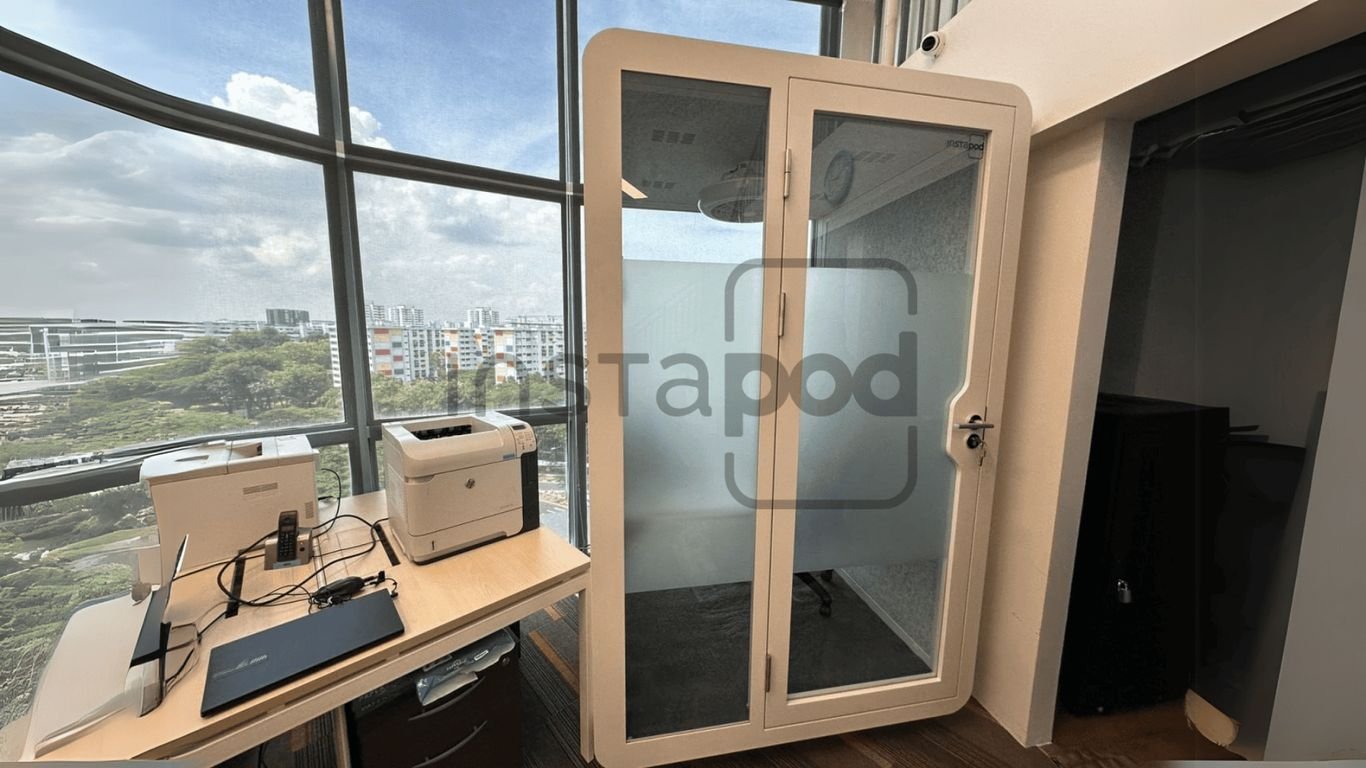
Remember those old phone booths on street corners? They’re back, but not for payphones. Today’s office telephone booth is a modern solution for open-plan offices. These little rooms are popping up everywhere, offering a quiet spot for calls or focused work. It’s all about making the modern workspace work better for everyone.
Key Takeaways
- Office telephone booths have gone from a niche idea to a standard office feature, mainly because open-plan offices often lack private space.
- These booths help people focus by cutting down on noise and interruptions, which can make work go smoother.
- Putting these booths in the right spots can make an office more efficient and help balance busy areas with quiet ones.
- Businesses are investing in office telephone booths because they seem to boost productivity and make employees happier, which can help keep them around longer.
- The future likely holds even more advanced pods, possibly with built-in tech, made from eco-friendly stuff, and designed to be easily changed as work needs shift.
The Evolution of the Modern Office Telephone Booth
Remember those glass boxes on street corners where you’d duck in to make a call, fumbling for change? Those were the original phone booths. They served a purpose for decades, offering a sliver of privacy in a public world. But then came mobile phones, and poof! Those street-corner icons mostly vanished. It seemed like the concept of a dedicated, enclosed space for a private call was a thing of the past.
From Street Corners to Open Plans: A New Purpose
Fast forward to today, and the idea of the phone booth is back, but with a twist. Instead of city streets, you’re finding them popping up inside offices, especially in those sprawling open-plan layouts that became so popular. The problem they solve now isn’t about public payphones; it’s about finding a quiet spot for a confidential chat or a focused video call without disturbing everyone else. These modern office phone booths are essentially private rooms on demand.
Responding to the Open-Plan Paradox
Open-plan offices were supposed to boost collaboration and communication, right? And they do, to an extent. But they also created a new set of challenges. Constant noise, lack of privacy for sensitive conversations, and the general distraction of a busy environment can actually hurt productivity. People need quiet to concentrate, and they need privacy for calls that can’t be overheard. Office phone booths directly address this paradox, offering a much-needed escape hatch from the open-plan chaos.
Acoustic Innovation for Focused Work
What makes these new booths different from just a small, empty room? It’s all about the acoustics. Manufacturers have put a lot of thought into soundproofing. They use special materials and designs to block out external noise and keep conversations inside from leaking out. This focus on sound isolation is what truly transforms a simple enclosure into a functional workspace for focused tasks.
Here’s a look at what goes into making them soundproof:
- Sound-Dampening Materials: Layers of specialized foam and fabric absorb sound waves.
- Sealed Construction: Gaskets and tight seals around doors and windows prevent sound leakage.
- Ventilation Systems: Quiet fans ensure airflow without compromising the acoustic seal.
The shift from public street booths to private office pods highlights a fundamental change in how we think about work. It’s not just about having a desk; it’s about having the right environment for the task at hand, whether that’s loud brainstorming or silent, deep concentration.
Designing Workspaces with Office Telephone Booths
So, you’ve decided to bring these little privacy boxes into your office. Great! But just plopping them down anywhere isn’t going to cut it. You need to think about how they fit into the bigger picture of your workspace.
Strategic Placement for Maximum Efficiency
Where you put these booths really matters. Think about the daily flow of people. You want them to be easy to find and use, but not right in the middle of a busy walkway where everyone’s going to be staring or making noise. Placing them near team areas but a little off the main drag is usually a good bet. It makes them accessible without becoming a distraction. Also, consider natural light – nobody likes working in a dark, dingy box, right? Making them feel inviting is part of the design.
Balancing Open Spaces with Private Pods
Offices today are often a mix of open areas for collaboration and these private pods for solo work. It’s about finding that sweet spot. Open spaces are great for brainstorming and team huddles, but sometimes you just need to get your head down without interruption. Having both types of spaces means everyone can work in a way that suits them best. It’s like having different zones for different moods or tasks.
Acoustic Considerations for Optimal Soundproofing
This is a big one. The whole point of these booths is to block out noise, both for the person inside and for everyone outside. Good booths are built with materials that absorb sound. You want to make sure that when someone is on a call, the people outside can’t hear a peep, and the person inside can’t hear the office chatter. It’s not just about the walls; it’s about the whole construction. Getting the acoustics right is key to making these booths actually useful.
When designing, think about how the booth will interact with the surrounding environment. Is it near a noisy printer? Is it in a quiet corner? These details can make a difference in how well the booth performs its job of providing a quiet space.
Here’s a quick rundown of what to look for:
- Sound Absorption: Materials inside the booth that soak up sound waves.
- Sound Insulation: The structure of the booth itself, preventing sound from passing through.
- Ventilation: Quiet fans are a must so it doesn’t get stuffy, but they shouldn’t add to the noise.
- Door Seals: A good seal around the door is critical for blocking sound.
Common Placement Strategies
- Near Team Hubs: Place booths close to where teams naturally gather, for quick, private calls.
- Away from High Traffic: Avoid placing them directly in main corridors or near entrances.
- Integrated with Break Areas: Consider placing them near kitchens or lounges for a change of scenery.
- In Quiet Zones: If you have designated quiet areas, booths can complement these spaces.
The Business Case for Office Telephone Booths
So, why are companies actually buying these little rooms? It really boils down to making the office work better for everyone. Think about it: open offices are great for bumping into people and sharing ideas, but they’re terrible when you actually need to concentrate or have a private chat. That’s where these booths step in. They’re not just fancy furniture; they’re tools that help people do their jobs.
Enhancing Productivity and Minimizing Distractions
This is the big one. When people can’t find a quiet spot, they get interrupted. A lot. Studies show that constant interruptions really mess with focus and take ages to recover from. Booths give people a place to go when they need to really zone in on a task or take a call without everyone else hearing their business. This simple act of providing a quiet space can lead to noticeable jumps in how much work gets done.
Here’s a quick look at what happens:
- Fewer Interruptions: Employees can escape the general office noise.
- Improved Focus: Tasks requiring deep concentration become more manageable.
- Better Call Quality: Private calls are clearer, reducing misunderstandings.
- Reduced Stress: Not having to constantly battle noise can make a big difference to how people feel at work.
The ability to step away from the main workspace for a short period can reset an employee’s focus, making them more effective when they return to their desk or continue their work in the booth.
Cost-Effectiveness and Return on Investment
Okay, so they cost money upfront. But look at the flip side. How much does lost productivity cost a company? Or the cost of hiring someone new because the current job is just too stressful and distracting? Booths can actually save money in the long run. They’re a relatively small investment compared to, say, building out new private offices. Plus, they’re often movable, so if the office layout changes, the booths can move with you.
Consider these points:
- Productivity Gains: Even a small increase in output across the team adds up.
- Reduced Turnover: Happier, less-stressed employees are more likely to stay.
- Space Efficiency: They offer privacy without taking up as much space as a traditional office.
- Flexibility: Easy to relocate or reconfigure as needs change.
Supporting Employee Satisfaction and Retention
People want to feel like their employer cares about their well-being and provides the tools they need to succeed. Offering private spaces shows that the company understands different people work differently and values their comfort. When employees feel supported and have the resources to do their best work without unnecessary friction, they’re generally happier. And happy employees tend to stick around longer. It’s a pretty straightforward connection: good work environment equals better morale and less reason to look elsewhere.
Future Trends and Innovations in Office Pods
Multi-Functional Pods with Integrated Technology
The next wave of office telephone booths, or workpods, is all about doing more. We’re seeing these aren’t just quiet boxes anymore. Think integrated screens for quick video calls, better Wi-Fi, and even smart lighting that adjusts based on who’s inside. Some are even exploring touchless controls and air quality sensors. The goal is to make these workplace pods incredibly adaptable, so one minute it’s a private space for a phone call, and the next it’s a mini-meeting room. This flexibility is key as companies figure out how to best use their office space with hybrid work schedules.
Sustainability and Material Advancements
There’s a growing push to make these working pods greener. Companies are looking at using recycled materials and designing them to be more energy-efficient. It’s not just about being eco-friendly, though that’s a big part of it. It also appeals to employees who care about the environment. We’re likely to see more certifications for sustainable materials and manufacturing processes. Plus, pods that are easy to take apart and reuse fit right into the idea of a circular economy, meaning less waste.
Adaptability for Evolving Work Models
Office pods are getting smarter about how they fit into the bigger picture of how we work. Imagine booking a pod through an app, just like you book a conference room. Some are even being designed to be easily moved or reconfigured as office layouts change. This adaptability means they can serve different needs over time, whether it’s for focused work, private calls, or even small team huddles. The idea is that these workpods will become even more integrated into the daily flow of the office, supporting whatever work style comes next.
Addressing Practicalities: Maintenance and Space Management
So, you’ve got these cool office telephone booths, right? They look great and everyone loves them, but what happens next? Keeping them in good shape and making sure they fit well into your office flow is pretty important. It’s not just about buying them; it’s about making them work long-term.
Ensuring Longevity Through Proper Care
Think of these booths like any other piece of office furniture, but maybe a bit more specialized. They need a little attention to keep them working right and looking good. Regular cleaning is a no-brainer – wipe down surfaces, check for any scuffs, and make sure the inside is fresh. It’s also smart to do a quick check on the doors, hinges, and any ventilation systems. A little bit of upkeep goes a long way in preventing bigger issues down the road.
Here’s a quick rundown of what to look out for:
- Surface Cleaning: Use mild cleaners suitable for the booth materials. Avoid harsh chemicals that could damage finishes.
- Ventilation Check: Make sure air vents aren’t blocked. Good airflow is key for comfort and preventing stuffiness.
- Hardware Inspection: Periodically check that doors close smoothly and hinges are secure. Tighten any loose screws.
- Upholstery Care: If your booths have fabric seats or panels, follow the manufacturer’s recommendations for cleaning and spot treatment.
Optimizing Layouts for Booth Integration
Placing these booths isn’t just about finding an empty spot. It’s about thinking how people move around the office and where they’ll actually use the booths. You don’t want them blocking main walkways or ending up in super noisy areas where their whole point is lost. Think about putting them near team areas where people might need to jump on a quick call, but not so close that their conversations disturb others. It’s a balancing act.
Good placement means the booths are easy to find and use, but they don’t become a traffic jam or a source of new noise problems. It’s about making them a natural part of the office environment, not an afterthought.
Leveraging Usage Data for Better Planning
If your booths have any kind of booking system or even just occupancy sensors, use that information! It’s gold for figuring out how popular certain locations are and when people actually need them. This data can help you decide if you need more booths, if you should move some around, or even if you need to adjust office hours or meeting room bookings based on booth demand. It helps make sure these investments are actually being used effectively.
Here’s how data can help:
- Identify Peak Times: See when booths are most in demand to manage booking schedules.
- Assess Location Effectiveness: Determine if booths in certain areas are underutilized or overbooked.
- Inform Future Purchases: Use usage patterns to justify buying more booths or different types.
- Optimize Resource Allocation: Understand if maintenance or cleaning schedules align with usage patterns.
The Cultural Impact of Privacy Booths
It’s more than just a quiet box, you know? These office telephone booths are actually changing how we think about work and how we treat each other in the office. They’re like a physical signal that says, ‘Hey, we get it. Sometimes you need to focus, and sometimes you need to have a private chat without everyone overhearing.’
Fostering a Culture of Focus and Flexibility
Think about it. Before these booths, the open office was king, and if you needed quiet, you were kind of out of luck. You’d try to find an empty conference room, or just tough it out at your desk, which, let’s be honest, rarely worked. Now, with these pods, there’s a designated spot for deep work or a sensitive call. It normalizes needing different environments for different tasks. It’s not about being anti-social; it’s about being smart with your time and energy.
- Acknowledging diverse work styles: Some people thrive on constant interaction, others need solitude to do their best work. Booths cater to both.
- Reducing interruptions: A quick chat with a colleague is one thing, but a client call or a brainstorming session needs a different level of focus.
- Promoting well-being: Having a private space to decompress, even for a few minutes, can really cut down on stress and burnout.
The shift is subtle but significant. It moves away from a one-size-fits-all approach to a more adaptable and human-centric workspace. It’s about giving people the tools they need to succeed, whatever their task.
Signaling Organizational Support for Diverse Needs
When a company invests in these booths, it sends a message. It says, ‘We care about your productivity and your privacy.’ It shows they understand that not all work happens at a desk in the middle of a busy room. This kind of support can make a big difference in how employees feel about their job and their employer.
Shifting Workplace Etiquette Towards Quiet Zones
We’re starting to see a change in how people behave. There’s a growing understanding that certain areas or times are for quiet focus. It’s like how we instinctively know not to blast music in a library. As more companies adopt these booths, this etiquette will become more ingrained. People will naturally gravitate towards using the booths for their intended purpose, and others will learn to respect those quiet zones. It’s a slow evolution, but these booths are definitely a catalyst for a more considerate and productive office environment.
The Future is Pods
So, it looks like these little phone booths are here to stay. They started as a fix for noisy open offices, and now they’re becoming a standard part of how we design workspaces. Companies are realizing that giving people a quiet spot to focus or take a call makes a big difference. As we keep working in more flexible ways, these pods will probably get even more common, maybe even showing up in places like co-working spots or libraries. It’s a simple idea, really – giving people a bit of privacy when they need it. And honestly, who wouldn’t want that? It’s a smart move for businesses wanting to keep their employees happy and productive.
Frequently Asked Questions
What exactly is an office telephone booth?
Think of an office telephone booth, also called a focus pod or privacy booth, as a small, quiet room you can use at work. It’s usually a standalone box, about the size of a small closet, placed in an open office. It’s built with special materials to block out noise, so you can make calls, have private chats, or just get some quiet work done without bothering anyone or being bothered yourself.
Why are these booths becoming so popular now?
Offices used to have lots of private rooms, but many switched to open layouts to save space and encourage teamwork. However, open offices can be really noisy and distracting, making it hard to focus. These booths are a smart solution. They bring back privacy to the open office, helping people concentrate, take calls, or have quick meetings without all the noise.
Do these booths really help people work better?
Yes, they really can! When you can escape the noise and distractions of an open office, you can focus much better on your tasks. Studies show that being able to work in a quiet space can make you more productive. Plus, having a private spot for calls or sensitive discussions makes work less stressful and can make employees happier.
Are these booths expensive for businesses?
While they are an investment, many businesses find they are worth the cost. They can actually save money in the long run by boosting how much work gets done and reducing mistakes caused by distractions. Also, happier employees who feel supported by having these quiet spaces are more likely to stay with the company, which saves on hiring and training costs.
How do companies decide where to put these booths in an office?
Companies try to place them where they are easy to find and use, but not in the middle of busy walkways. The goal is to make them accessible for anyone needing a quiet spot without adding to the office’s noise or traffic jams. It’s all about finding a good balance between open areas and these private little rooms.
What’s next for office phone booths?
The future looks bright for these pods! We’re seeing them become more advanced, with built-in tech for video calls or even features that help keep them clean. Designers are also focusing on using eco-friendly materials. As work continues to change, these booths will likely become even more important for creating flexible and comfortable workspaces that meet everyone’s needs.