No pods added to your quote request yet. Add some now for a free quote!
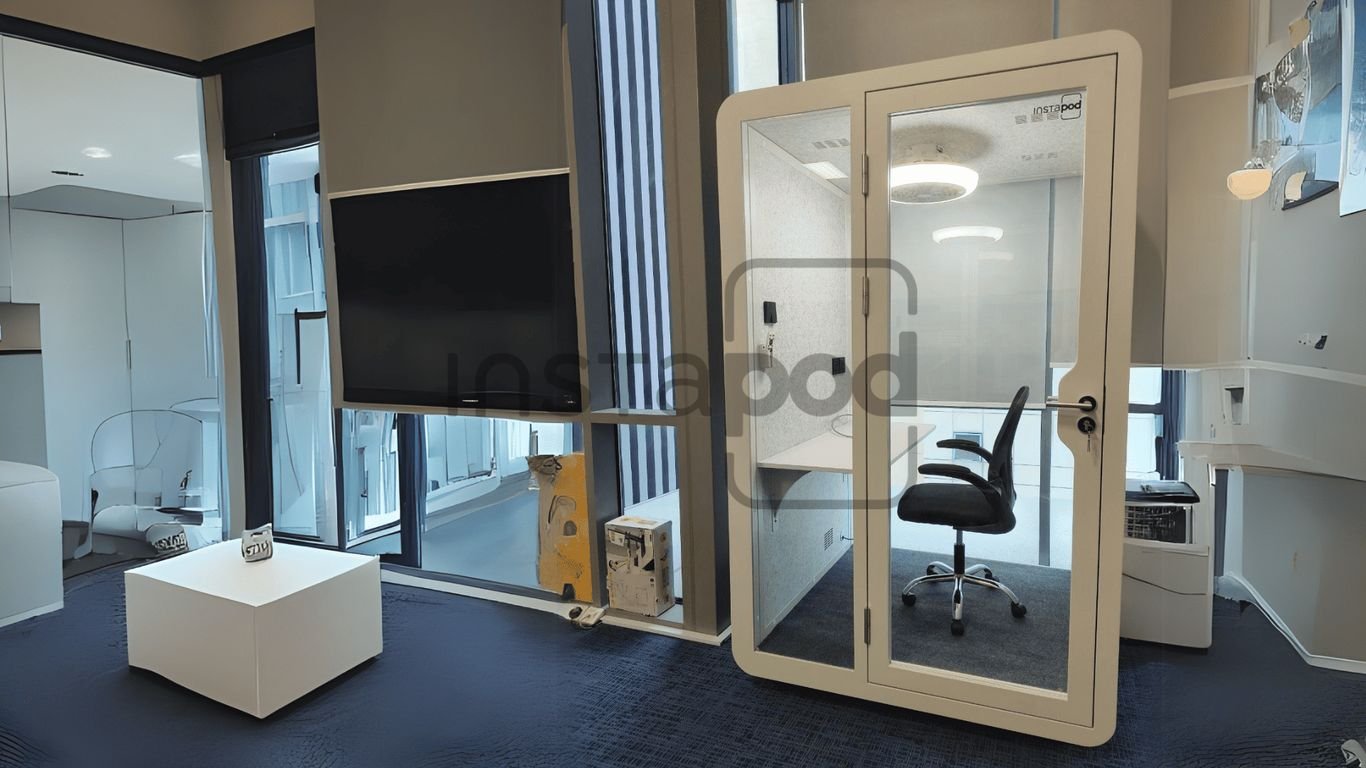
So, you’re thinking about getting a phone pod for your office? Smart move. In today’s world, especially with open-plan layouts, finding a quiet spot to actually talk or focus can feel impossible. These little booths are designed to block out noise, giving you a private space for calls, meetings, or just some peace and quiet. But picking the right one isn’t as simple as it sounds. You’ve got to think about a few things to make sure you get one that actually works for you and doesn’t just look pretty.
Key Takeaways
- When you’re picking out a phone pod, really think about how much sound it needs to block. Look for booths that mention specific decibel reduction numbers, like around 28 dB, and check the materials used for good soundproofing.
- Comfort is important for anyone using the pod. Make sure it has good ventilation to keep the air fresh and has lighting that’s suitable, especially if people will be on video calls.
- Standard, off-the-shelf phone pods are usually a good choice if you need a solution quickly or have a smaller budget. They’re often easier and faster to install.
- Custom phone pod designs are best when you have very specific needs, unique acoustic challenges, or want the pod to perfectly match your company’s branding. They offer more flexibility but usually take longer and cost more.
- Don’t forget the practical side of things like delivery and setup. Some companies handle installation, while others expect you to put it together. Also, consider if you might need to move the phone pod later on.
Assessing Your Acoustic Needs
So, you’re thinking about getting one of those soundproof phone booths for your office. Smart move, especially if your workspace is more open concept and, let’s be honest, a bit noisy. The whole point is to give people a quiet place to take calls or focus without being interrupted by the office buzz. But just grabbing the first one you see isn’t the best plan. You really need to figure out what you need it to do first.
Understanding Sound Reduction Requirements
This is probably the most important part. How much sound actually needs to be blocked? Think about the types of calls people will be making. Are they quick chats, or are they confidential client meetings where absolute silence is a must? A booth that’s great for a quick call might not cut it for a sensitive discussion. You’ll want to look for booths that specify their sound reduction capabilities, often measured in decibels (dB). A good target for most offices is a reduction of around 28 dB or more. This means the noise level inside the booth will be significantly lower than outside.
Evaluating Office Noise Levels
Before you even look at booths, take a good listen to your office. What’s the usual noise like? Is it a constant hum of computers and chatter, or are there louder, more disruptive noises like machinery or frequent loud conversations? Knowing this helps you pick a booth that can actually handle your specific environment. You don’t want to spend money on a booth that’s only slightly better than just closing your office door. Try to measure the ambient noise if you can, or at least make a note of the peak noise times and types.
Defining the Primary Use of Your Phone Pod
What’s this pod going to be used for, mostly? Is it just for quick phone calls, or will people be doing video conferences? Maybe it’s for focused work sessions where someone just needs to get away from distractions for an hour. If it’s for video calls, you’ll need to think about lighting and maybe even a small desk or shelf. If it’s just for calls, comfort for standing or a very basic seat might be enough. Knowing the main job of the pod will guide your choices on everything from size to features.
Picking the right pod isn’t just about buying a box; it’s about solving a problem. Think about the actual daily workflow and what kind of quiet space would make the biggest difference for your team.
Key Features of an Effective Phone Pod
When you’re looking at phone pods, it’s not just about how they look. There are some really important things to check under the hood, so to speak, to make sure it actually does the job you need it to do. Think of it like buying a car – you want it to run well, be comfortable, and have the right features for your needs.
Prioritizing Acoustic Performance and Sound Insulation
This is probably the biggest reason you’re even considering a pod. You need it to block out noise, right? The better the sound insulation, the more private your calls and focused your work will be. Look for pods that specify their sound reduction rating, often measured in decibels (dB). A rating of around 25-30 dB is pretty good for general calls, but if you’re dealing with a really noisy office or need serious privacy, you might want to aim higher, maybe 35 dB or more. It’s not just about the panels; the seals around the door and any glass are super important too. Gaps let sound escape, and that defeats the purpose.
Ensuring Adequate Ventilation and Airflow
Nobody wants to feel like they’re in a stuffy box. If you’re going to spend any amount of time in the pod, good ventilation is a must. You need fresh air circulating so it doesn’t get hot and stuffy, which can make it hard to concentrate. Most decent pods will have some sort of fan system. Check if it’s quiet – you don’t want a noisy fan drowning out your calls. Some pods even have adjustable fan speeds, which is a nice touch. It’s a simple thing, but it makes a big difference in how usable the pod is.
Considering Lighting and Power Solutions
Think about what you’ll actually be doing in the pod. If it’s just for quick calls, maybe the built-in light is fine. But if you plan to do some focused work or video calls, you’ll want good lighting. Adjustable LED lights are great because you can control the brightness and sometimes even the color temperature. And of course, you’ll need power. Make sure there are enough outlets and USB ports for your laptop, phone, and any other devices you use. Some higher-end pods even offer wireless charging pads, which is pretty convenient.
Don’t underestimate the impact of good lighting and easy access to power. These features can turn a basic sound-blocking box into a truly functional and comfortable workspace that people will actually want to use.
Material Quality and Construction
Examining Panel Density and Material Composition
The stuff a phone pod is made of really matters. It’s not just about looks; it’s about how well it actually blocks out noise and how long it’s going to last. Think about the panels. You want materials that are dense. Denser materials are better at soaking up sound waves, which is the whole point, right? Cheaper pods might use thin particleboard or flimsy plastic that just doesn’t cut it. Look for solid construction. A well-built pod will feel sturdy, not wobbly, when you push on it. It’s worth checking what’s inside those panels too. Some manufacturers use recycled materials, which is great, but you want to make sure they’re packed in tight and don’t leave gaps where sound can sneak through. Some high-end pods even use special acoustic foam or mineral wool inside their panels for extra sound-dampening power.
Assessing Glass Quality and Door Seals
If your pod has glass, pay attention to that too. You’re usually looking at tempered glass, which is safer if it ever breaks. But more importantly for acoustics, how thick is it? Thicker glass generally does a better job of blocking sound than thin glass. And then there’s the door. This is often a weak spot for sound leakage. Check out the seals around the door frame. Are they thick and rubbery, creating a good tight fit when the door is closed? A flimsy seal means sound can easily get in and out. Some pods have double-glazed windows, which can add another layer of sound insulation, similar to how good house windows work. It’s these little details that make a big difference in how quiet it actually is inside.
Understanding Durability and Longevity
Ultimately, you want a phone pod that’s going to stick around and keep doing its job without falling apart. Cheaper materials might look okay at first, but they can start to creak, fade, or even warp over time, especially if they’re in a busy office. This means you’ll be looking at repairs or replacements sooner than you’d like. Pods made with strong frames, like aluminum, and robust panel materials tend to hold up much better. Think about how much use it’s going to get. If it’s going to be used constantly, you definitely want something built tough. It’s an investment, so you want it to last. A pod that’s easy to clean and maintain is also a plus, saving you hassle down the line.
When you’re checking out different phone pods, don’t just glance at them. Give them a good once-over. Feel the weight of the materials, check how the doors and windows fit, and imagine how they’ll hold up after a few years of people popping in and out. It’s the difference between a pod that’s a temporary fix and one that’s a solid part of your workspace for the long haul.
Aesthetic Integration and Office Design
When you’re looking at acoustic phone pods, it’s not just about how well they quiet things down. You also want them to look good in your office, right? Nobody wants a clunky box sticking out like a sore thumb. The goal is to find an office booth that fits in with your existing decor, maybe even adding a bit of style. It’s about making sure the pod complements your workspace, not clashes with it.
Matching Pod Design to Workspace Ambiance
Think about the overall feel of your office. Is it modern and minimalist with clean lines? Or is it more vibrant and eclectic? Your phone pod should reflect that. For a sleek, contemporary space, you might look for pods with simple geometric shapes and neutral colors like grey, white, or black. If your office has a warmer, more traditional vibe, perhaps a pod with wood accents or softer, rounded edges would work better. The right pod can actually enhance your office’s aesthetic, making it feel more complete. It’s like choosing furniture for your living room – you want it to feel right.
Exploring Color and Finish Options
Most manufacturers offer a range of colors and finishes for their pods. This is where you can really start to tailor the look. Consider:
- Neutral Tones: Great for blending in and maintaining a professional, calm atmosphere.
- Accent Colors: Use bolder colors to add a pop of personality or to tie into your company’s branding.
- Material Finishes: Options can range from matte laminates to textured fabrics or even polished metals, each offering a different feel.
Leveraging Customization for Brand Expression
For businesses that want to make a strong statement, customization is key. Many companies allow you to add your logo, choose specific brand colors, or even select unique interior materials. This turns a functional office booth into a piece that actively represents your company. It’s a subtle but effective way to reinforce your brand identity throughout the workspace. Imagine a tech startup with a sleek, metallic pod featuring their logo, or a creative agency with a brightly colored pod that matches their vibrant office culture.
Finding an acoustic phone pod that balances its functional need for sound reduction with its visual role in your office design is important. It shouldn’t feel like an afterthought but rather a deliberate addition that contributes positively to the overall environment and employee experience.
Standard Versus Custom Phone Pod Solutions
So, you’ve decided you need a phone pod. Great! Now comes the next big question: do you go with a ready-made, off-the-shelf model, or do you get something custom-built just for your space? It’s a bit like choosing between buying a suit that fits okay off the rack versus getting one tailored. Both have their place, and the best choice really depends on what you’re after.
Benefits of Off-the-Shelf Phone Pods
Standard phone pods are usually the go-to when you need a quick fix and don’t have super specific needs. They’re pre-manufactured, which means they can often be delivered and set up much faster than custom options. This is a big plus if you’re on a tight schedule or just need to add a few quiet spots to your office without a lot of fuss. They tend to be more budget-friendly upfront, too, because the design and manufacturing costs are spread across many units. You’ll typically find them in a few standard sizes and finishes, so you can usually find something that fits the bill and doesn’t look completely out of place.
- Faster Deployment: Ready to ship, so you can get them installed and in use pretty quickly.
- Predictable Costs: Pricing is usually straightforward, making budgeting easier.
- Functional Design: They provide the basic sound reduction needed for private calls and focused work.
Advantages of Bespoke Phone Pod Designs
Custom-built pods, on the other hand, are more of a strategic investment. You’re getting something made precisely to your specifications. This means you can achieve higher levels of soundproofing if needed, integrate unique design elements that match your office’s specific look and feel, and choose materials that are built to last. If your office has unusual acoustic challenges or you want a pod that really makes a statement and fits perfectly into a specific nook, a custom option might be the way to go. It’s about getting exactly what you need, built to a higher standard, and it can sometimes save you money in the long run by avoiding future modifications or replacements.
- Perfect Fit: Pods are made to your exact dimensions, making the most of your available space.
- Superior Acoustics: You can select specific materials and construction methods for top-notch soundproofing.
- Aesthetic Integration: Design the pod to match your office’s style and brand perfectly.
When deciding between standard and custom, think about how quickly you need the solution versus how precisely it needs to fit your space and aesthetic. A standard pod is great for immediate needs and predictable budgets, while a custom pod offers unparalleled flexibility for unique environments and specific performance requirements.
Budget and Timeline Considerations
Here’s a quick look at how they stack up:
| Factor | Standard Pods | Custom Pods |
|---|---|---|
| Timeline | Faster deployment | Longer lead times due to custom manufacturing |
| Flexibility | Limited size and design options | Full control over size, materials, and features |
| Cost | Generally lower upfront cost | Higher initial investment |
Ultimately, the choice hinges on your priorities. Are you looking for an immediate, cost-effective solution, or are you willing to invest more time and money for a perfectly tailored product? Consider your office’s unique layout, your specific acoustic needs, and your overall design vision. Sometimes, the ‘perfect’ solution isn’t the quickest or cheapest, but the one that truly serves your team’s needs for years to come.
Practical Considerations for Phone Pods
So, you’ve picked out the perfect soundproof office pods, but before you hit ‘buy,’ let’s talk about the nitty-gritty. It’s not just about the pod itself; it’s about how it fits into your actual office life. Think of these as the final checks to make sure your investment works out.
Evaluating Installation and Assembly Processes
Getting your new office privacy pods set up shouldn’t be a headache. Some models arrive basically ready to go, needing just a few minutes to connect. Others might come in a flat pack, requiring more time and maybe even a professional to put them together. It’s smart to ask about this upfront. How long will it take? Do you need special tools? Will it disrupt your team’s work? Understanding the assembly process can save you a lot of unexpected delays and frustration.
Assessing Delivery and Relocation Feasibility
Delivery is another big one. Can the pod actually get into your building? Measure doorways, hallways, and elevator shafts. Seriously, don’t skip this step. Some larger conference room pods might need special handling or even need to be assembled on-site if they can’t be maneuvered through the building. Also, think about the future. Does your company move offices often? If so, look for pods that are designed to be disassembled and reassembled without losing their integrity. Mobility can be a real plus if your workspace needs change.
Strategic Placement Within Your Office Layout
Where you put your soundproof office pods matters. You want them accessible to the people who will use them most, but not so close that they become a distraction. Consider:
- Traffic Flow: Place pods away from main walkways or busy areas like the coffee station or printer. You don’t want people constantly walking past or bumping into the pod.
- Noise Zones: Try to position pods away from other noisy areas in the office, like open-plan work zones or break rooms, to maximize their sound-dampening effect.
- Accessibility: Ensure they are easy to find and reach, especially if they’re intended for quick calls or focused work sessions.
- Aesthetics: Think about how the pod looks in the overall space. Does it create a nice visual break, or does it feel crammed in?
Remember that even the best acoustic pods can be less effective if they’re placed in a high-traffic, noisy area. Give them a little breathing room, both physically and acoustically, to perform at their best. This also helps maintain a good working atmosphere for everyone else.
Wrapping It Up
So, when you’re looking for that perfect quiet spot in your office, remember it’s not just about finding any old booth. Think about how much noise you really need to block out, and make sure the pod you pick actually looks good with the rest of your space. Whether you go for a ready-made option or a custom build, these little soundproof havens can seriously make a difference in how people work and feel. They’re a smart way to bring a bit more calm and focus to even the busiest office environments, helping everyone get their work done without the constant buzz.
Frequently Asked Questions
What exactly is an acoustic phone booth?
Think of an acoustic phone booth as a mini-room designed to be super quiet. It’s like a soundproof box for your office. Its main job is to stop noise from getting in or out, so you can have private phone calls or focus on your work without distractions. Even if the office is noisy, you can talk without bothering others, and you won’t hear what’s happening outside.
Why do offices need these booths?
In today’s offices, especially with open layouts, it can be really hard to find a quiet spot. These booths help by giving people a private space for important calls or tasks that need concentration. This can make workers happier and more productive because they aren’t constantly interrupted by office noise.
How much sound can a good phone booth block?
A good phone booth should be able to reduce noise by at least 28 decibels. This means it significantly cuts down the sound, making it much quieter inside. Look for booths that mention specific numbers for how much sound they block, often using strong materials like dense panels and good door seals.
Should I get a standard booth or a custom one?
It depends on what you need! Standard booths are great if you need something quickly or have a smaller budget. They’re ready to go. Custom booths are better if you have specific design ideas, need special soundproofing, or want the booth to perfectly match your office’s look. They take more time and might cost more upfront, but they can be a better fit for unique needs.
Is ventilation important in a phone booth?
Yes, definitely! Being stuck in a small space means you need good airflow to keep the air fresh. A well-ventilated booth prevents it from feeling stuffy. Some booths have special vents designed to block sound, which is a really nice feature to look for.
Can I install a phone booth myself?
Many phone booths are designed for easy assembly, and companies often provide clear instructions or videos to help you put them together. While some might require professional help, many are straightforward enough for DIY installation, especially standard models.