No pods added to your quote request yet. Add some now for a free quote!
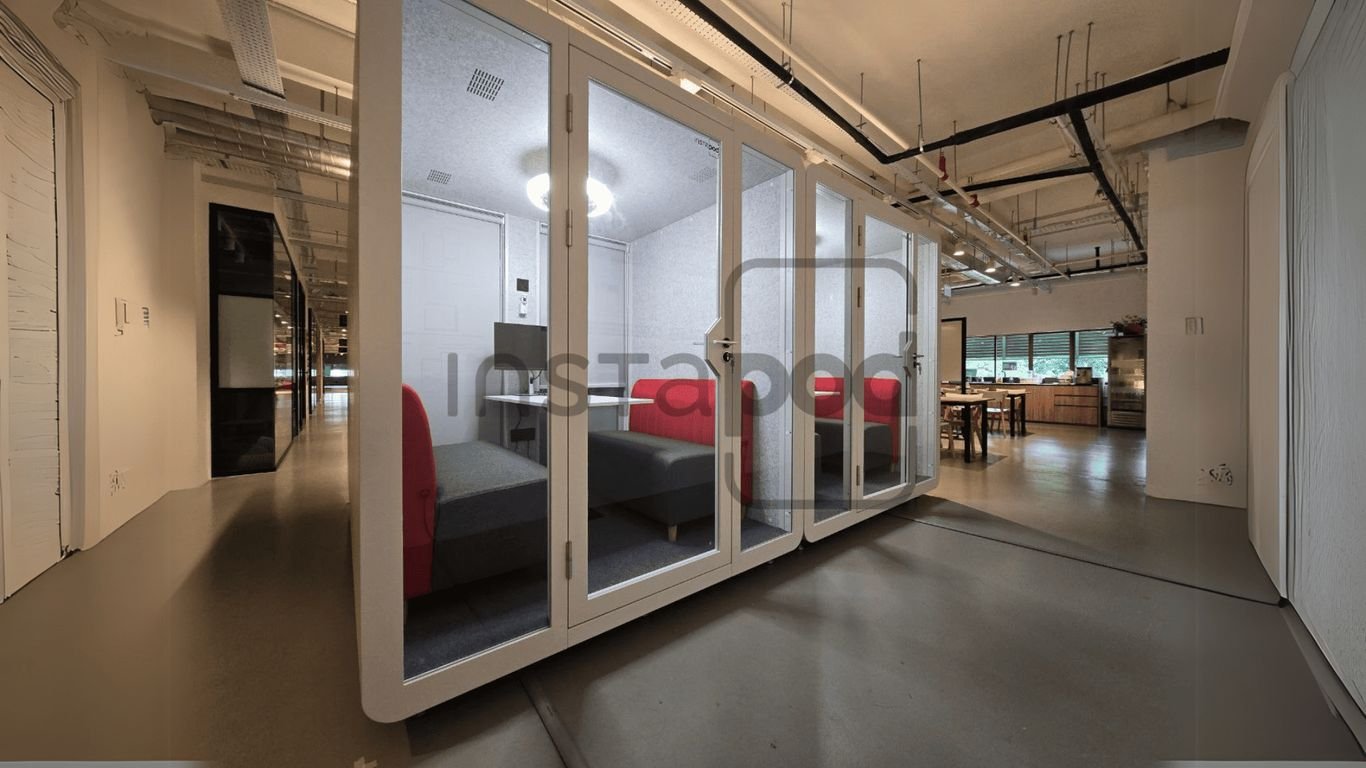
In today’s busy offices, finding a quiet spot to focus or have a private chat can feel impossible. Open spaces are great for collaboration, but they often come with a lot of noise and distractions. That’s where meeting pods come in. These little rooms are popping up everywhere, and for good reason. They offer a simple way to get some peace and quiet, boost productivity, and make the office work better for everyone, especially agile teams.
Key Takeaways
- Meeting pods help agile teams by giving them private, quiet spaces to focus or have important discussions, cutting down on distractions.
- When picking meeting pods, think about what your team actually needs day-to-day, like how many people will use them and what features are most important.
- There are different kinds of meeting pods, from single-person spots for deep work to larger ones for small group meetings, so you can find the right fit.
- Investing in meeting pods can pay off by making people more productive, improving how meetings go, and making employees happier, which helps keep them around.
- To get the most out of meeting pods, encourage their use, make sure they’re easy to book, and keep them in good shape, while avoiding ones with bad sound or ventilation.
Why Meeting Pods Are Essential For Agile Teams
Open-plan offices are great for collaboration, but let’s be honest, they can get pretty noisy. Agile teams, in particular, thrive on quick communication and focused bursts of work, which can be tough when you’re constantly battling background chatter or the ping of notifications. That’s where meeting pods come in. They’re not just fancy dividers; they’re strategic tools that help teams stay on track.
Enhance Focus And Productivity
Distractions are productivity killers. Studies show that interruptions can take a significant amount of time to recover from. Meeting pods offer a sanctuary from the office buzz, allowing individuals and small groups to concentrate on complex tasks, creative thinking, or important calls without interruption. This dedicated quiet space is key for deep work. When your team can truly focus, the quality and speed of their output naturally improve.
Promote Privacy For Sensitive Discussions
Not every conversation is meant for the entire office to overhear. Whether it’s a sensitive HR matter, a confidential client discussion, or strategic planning, privacy is paramount. Meeting pods provide a secure, sound-dampened environment where these conversations can happen without worry. This builds trust and ensures that important, private information stays exactly that – private.
Reduce Workplace Stress And Distractions
Constant noise and a lack of personal space can really wear people down. The ability to step into a quiet, enclosed pod for a few minutes can be incredibly restorative. It’s a way to decompress, gather your thoughts, or simply have a moment of calm amidst the daily hustle. This reduction in ambient stress contributes to a healthier and happier work environment, which, in turn, supports sustained productivity.
Encourage Flexibility And Adaptability
Agile teams are all about flexibility, and their workspace should be too. Meeting pods are often modular and can be easily moved or reconfigured as team needs change. This adaptability means you’re not locked into a fixed layout. Need more quiet zones? Want to create a small collaboration hub? Pods can be deployed and rearranged to suit the evolving dynamics of your team and projects, making your office space as nimble as your team.
Choosing The Right Meeting Pods For Your Space
So, you’re thinking about getting some meeting pods for your office. That’s a smart move, especially if your team works in an agile way. But with so many options out there, how do you pick the ones that actually fit your space and your team’s needs? It’s not just about grabbing the first shiny pod you see. You’ve got to think about what your team actually does all day.
Understanding Your Team’s Daily Needs
Before you even look at specific models, take a moment to observe your team. What are they doing most of the time? Are people constantly on calls, needing a quiet spot to talk without everyone else hearing? Or are they more often in quick, impromptu huddles to brainstorm an idea? Maybe your developers need long stretches of uninterrupted focus time. Knowing this helps you figure out the type of pods you’ll need most. For instance, if private calls are a big deal, you’ll want more solo or two-person pods. If team brainstorming is the norm, then four-person pods might be the way to go. It’s about matching the pod to the task, not the other way around. Think about places like Singapore, where office spaces can be tight; smart use of pods is key.
Considering Meeting Pod Size and Capacity
This ties directly into your team’s needs. Pods come in all shapes and sizes, from tiny phone booths for one person to larger rooms that can fit six or more. A single-person pod is great for deep work or a confidential chat. A two-person booth is perfect for a quick catch-up between colleagues or a client call. Four-person pods are ideal for small team meetings or planning sessions. If you have a larger team that needs to gather, you might look at even bigger options. Don’t just guess; measure your available space and think about how many people will realistically use a pod at any given time. You don’t want pods that are too big and take up too much floor space, or ones that are too small and feel cramped.
Key Features to Prioritize in Pod Design
Once you know the size and capacity you need, start looking at the details. What makes a pod actually work well?
- Acoustics: This is probably the most important feature. How well does the pod block out noise from the outside, and how much sound does it contain within? Look for pods with good soundproofing ratings. You want a space where you can actually hear yourself think, or have a private conversation without being overheard.
- Ventilation: Being stuck in a small, stuffy box isn’t fun. Good airflow is a must. Look for pods with built-in fans or systems that keep the air fresh.
- Connectivity and Power: Most modern pods come with power outlets and USB ports, which is handy. Some might even have integrated screens or charging pads. Make sure there’s enough power for your team’s devices.
- Lighting and Comfort: Adjustable lighting can make a big difference. Comfortable seating is also important, especially if people will be spending a decent amount of time in the pod.
- Durability and Materials: You want pods that will last. Check the quality of the materials used. Are they easy to clean? Do they look professional?
When you’re looking at options, especially if you’re considering something like office pods for home or a smaller setup, think about how the pod will integrate with your existing furniture and workflow. It shouldn’t feel like an afterthought, but a natural extension of your workspace. The best pods are functional, comfortable, and blend in well with the overall office aesthetic.
The Core Types Of Meeting Pods Available
When you’re looking at meeting pods, it’s not a one-size-fits-all situation. Think about what your team actually does day-to-day. Different pods serve different purposes, and picking the right one can make a big difference in how smoothly things run.
Solo Work Pods For Individual Focus
These are like your personal quiet zones. If someone needs to really concentrate on a task, make an important phone call without being overheard, or just get away from the office buzz for a bit, a solo pod is the way to go. They’re usually compact and designed to block out noise, giving you that much-needed personal space.
Two-Person Booths For Collaboration
Got a quick one-on-one meeting scheduled? Or maybe two people need to brainstorm without disturbing others? These two-person pods are perfect for that. They offer a bit more interaction than a solo pod but still keep the conversation private and contained. They’re great for those quick check-ins or collaborative moments that don’t need a full conference room.
Four-Person Pods For Small Team Huddles
When a few team members need to get together for a focused discussion, a strategy session, or a client meeting, four-person pods are a solid choice. They provide a more formal setting than a casual huddle, with good acoustics and a controlled environment. This size is often ideal for project teams or small departmental meetings.
Larger Meeting Pods For Group Sessions
For bigger teams or when you need a bit more space for a presentation or a more involved group discussion, larger meeting pods are available. These can accommodate more people comfortably, offering a dedicated space for group work that doesn’t disrupt the rest of the office. They bridge the gap between small huddles and traditional meeting rooms.
Choosing the right type of meeting pod depends heavily on your team’s specific workflow and the kind of interactions that happen most often. It’s about fitting the space to the task.
Here’s a quick look at what each type is best suited for:
- Solo Pods: Deep work, private calls, focused tasks.
- Two-Person Pods: One-on-one meetings, quick collaborations, partner work.
- Four-Person Pods: Small team meetings, project huddles, client discussions.
- Larger Pods: Group brainstorming, team presentations, extended collaborative sessions.
Making A Business Case For Meeting Pods
The Return On Investment Of Meeting Pods
Look, buying meeting pods might seem like just another office expense, right? But when you really break it down, they actually pay for themselves. Think about it – how much time do your teams lose because they can’t find a quiet spot for a call or a quick chat? That lost time adds up. Pods give people a dedicated space, cutting down on those interruptions that kill productivity. Plus, having a professional-looking, quiet place for client calls makes a much better impression than trying to find a corner in the break room.
Boosting Productivity Through Reduced Distractions
Distractions are everywhere in a busy office. Phones ringing, people chatting, the general hum of activity – it all chips away at focus. Meeting pods act like little quiet zones. They’re designed to block out that noise, giving individuals and small groups a chance to really concentrate on what they’re doing. This isn’t just about making people feel less annoyed; it’s about letting them do their best work. When people can focus, they get more done, and they do it better. It’s a pretty simple equation, really.
Improving Meeting Outcomes With Better Acoustics
Ever been in a meeting where you can barely hear what anyone is saying because of the background noise? It’s frustrating, and important points get missed. Meeting pods are built with sound in mind. They have materials and designs that absorb sound, making conversations clearer and easier to follow. This means fewer misunderstandings, more productive discussions, and better decisions being made. It’s like upgrading from a tin can to a proper conference room, but without the construction.
Enhancing Employee Experience And Retention
People want to work in places that feel good and support their needs. Offering meeting pods shows you care about your employees’ well-being and their ability to do their jobs effectively. When staff have access to quiet spaces for focused work or private calls, they feel more respected and less stressed. This kind of thoughtful provision can make a big difference in job satisfaction. Happy employees are more likely to stick around, which means less money spent on hiring and training new people. It’s a win-win.
Integrating Meeting Pods Into Your Workplace Culture
So, you’ve got these meeting pods, which is great. But just putting them in the office isn’t enough, right? You’ve got to make sure people actually use them and use them well. It’s about weaving them into how your team works every day, not just having them sit there looking pretty.
Encouraging Collaboration and Confidentiality
These pods are pretty neat because they can be used for a bunch of different things. One minute, a couple of people might be in there hashing out a project idea, and the next, someone might need a quiet spot for a sensitive HR chat or a client call. It’s about giving people options. The key is communicating that these spaces are there for both focused work and private conversations. Think about it: in a busy open office, where else can you have a confidential discussion without everyone overhearing? Pods fill that gap.
- Brainstorming Sessions: Small groups can gather without disturbing others.
- One-on-One Meetings: Perfect for performance reviews or quick check-ins.
- Confidential Calls: Client discussions or sensitive internal matters.
- Focused Work: When someone just needs to get their head down without office noise.
Making sure everyone knows how and when to use the pods is half the battle. Clear guidelines, maybe a simple booking system, and leading by example can make a big difference.
Supporting Hybrid Work Models Effectively
Hybrid work is here to stay, and meeting pods are a big help. For folks working from home sometimes, coming into the office means they need spaces that are ready to go. Pods are often equipped with power outlets and good lighting, making them ideal for video calls. They offer a quiet, professional backdrop, which is way better than a home office with kids or pets running around.
- Consistent Meeting Experience: Remote and in-office staff can connect in a dedicated, quiet space.
- Reduced Distractions: Minimizes background noise during virtual meetings.
- Professional Appearance: Provides a more polished setting for client-facing calls.
Maximizing Utilization and Return On Investment
To really get your money’s worth, you need to see how much people are actually using the pods. Are they booked solid, or are they often empty? Tracking this helps you figure out if you need more pods, fewer pods, or maybe just a better way to book them. It’s also about making sure they’re easy to find and use. If the booking system is a pain, people won’t bother.
| Metric | Target | Current | Action Needed |
|---|---|---|---|
| Booking Rate | 80%+ | 72% | Promote usage, review booking system |
| Employee Satisfaction | 90%+ | 86% | Gather feedback on pod experience |
| Maintenance Issues | <2/month | 3/month | Review cleaning schedule, check ventilation |
Regular check-ins, like a quick survey or just asking around, can give you insights. Maybe a pod is always booked for the same two hours every day – could that time slot be more flexible? Or perhaps one pod is always empty – could it be moved to a busier area? It’s an ongoing process, really.
What To Avoid When Selecting Meeting Pods
So, you’re looking into meeting pods for your agile team. That’s great! They can really make a difference. But, like with any purchase, there are definitely some pitfalls to watch out for. You don’t want to end up with a bunch of expensive, fancy boxes that don’t actually do what you need them to. Let’s talk about what to steer clear of.
Poor Acoustic Performance And Ventilation
This is a big one. You’re getting a pod to escape noise, right? If it doesn’t actually block out the office chatter, the ringing phones, or the clatter from the kitchen, then what’s the point? Always check the acoustic ratings. A pod that looks good but sounds like a sieve isn’t going to help anyone focus. And don’t forget about air. A stuffy pod is just as bad as a noisy open space. Make sure there’s a decent ventilation system. You don’t want people feeling lightheaded or uncomfortable after just a few minutes. Look for pods with fans or good airflow design. Nobody wants to feel like they’re in a sauna.
Cheap Materials And Lack Of Durability
It’s tempting to go for the cheapest option, I get it. But think about how much use these pods are going to get. People will be in and out of them all day. If they’re made with flimsy materials, they’ll start looking worn out pretty quickly. Scratches, dents, wobbly doors – it all adds up. You want something that feels solid and looks good for years, not just a few months. Check out the build quality. Are the hinges sturdy? Is the upholstery tough? A little extra upfront cost for better materials can save you a lot of headaches and money down the line.
Fixed Installations Versus Movable Designs
Agile teams are all about flexibility, right? Your workspace should be too. If you buy pods that are permanently fixed in place, you lose a lot of that adaptability. What happens if your team structure changes? Or you need to reconfigure your office layout? Suddenly, those expensive pods are a real pain. Look for designs that are easy to move. Maybe they have built-in casters, or they’re designed to be disassembled and reassembled without too much fuss. This way, you can adapt your space as your needs evolve, rather than being stuck with a setup that no longer works.
Overly Complicated Technology Integration
Sure, built-in screens and fancy charging ports sound cool. But if the technology is clunky, hard to use, or constantly glitching, it’s more of a hindrance than a help. Your team needs to jump in and get work done, not spend ten minutes trying to figure out how to connect their laptop or get the video call software running. Keep it simple. Look for intuitive controls and reliable connections. Sometimes, a simple power outlet and a stable Wi-Fi signal are all you really need. Don’t pay extra for tech that’s going to frustrate your team more than it helps them.
The Future Of Meeting Pods In Agile Workplaces
Trends In Design And Sustainability
Office pods are getting a makeover. We’re seeing a big push towards modular designs that let you change things up easily as your team or needs shift. Think of it like building blocks for your office space. Customization is also huge; companies want pods that match their brand, inside and out. Some even have plants and better lighting built-in, aiming to make the space feel more natural and good for well-being. It’s all about making these office pods fit your specific vibe and work style.
Innovations For Enhanced Connectivity
These aren’t just quiet boxes anymore. The latest meeting pods come with better tech. We’re talking about easier ways to connect your devices, improved audio and video for calls, and smart systems that manage bookings and even adjust the environment inside. The goal is to make collaboration smooth, whether you’re in the pod or joining from somewhere else. The focus is on making the technology disappear into the background, so you can just get work done.
Meeting Pods As Essential Hybrid Infrastructure
As more companies settle into hybrid work models, office pods are becoming a must-have. They provide that much-needed private space for focused work or confidential calls, which is hard to find in a busy open office. They help bridge the gap between people working from home and those in the office, making sure everyone can participate equally. It looks like these pods are here to stay, becoming a key part of how modern offices function.
The demand for adaptable, private spaces in offices is only going to grow. Meeting pods offer a practical solution for noise, privacy, and the changing ways we work. They are becoming a standard part of office design, not just a nice-to-have.
Here’s a quick look at what’s driving this:
- Adaptability: Modular designs mean you can reconfigure your office layout quickly.
- Connectivity: Integrated tech makes hybrid meetings and remote collaboration simpler.
- Well-being: Features like better lighting and acoustics contribute to a healthier work environment.
- Privacy: They offer a dedicated space for sensitive conversations or focused tasks.
The Takeaway: Pods for a Smarter Workspace
So, we’ve talked a lot about these meeting pods. They’re not just fancy boxes for people to hide in. They actually help teams work better, especially when things get noisy or when you need to have a private chat without everyone overhearing. For agile teams that need to switch gears quickly, having these little quiet zones can make a big difference. It’s about giving people options for how and where they get their best work done. If you’re looking to make your office a bit more functional and less chaotic, these pods are definitely worth considering. They’re a simple way to boost focus and make your workspace work harder for everyone.
Frequently Asked Questions
What exactly is a meeting pod?
Think of a meeting pod as a small, private room you can put almost anywhere in your office. It’s like a mini-office within the bigger office, designed to be quiet and free from distractions. They’re great for making calls, having quick chats with a coworker, or just getting some focused work done without all the noise.
Why are these pods good for agile teams?
Agile teams move fast and often need to switch between working alone and collaborating. Meeting pods give them a place to concentrate without interruptions, which helps them get more done. They also offer privacy for sensitive talks and can be moved around as the team’s needs change, making them super flexible.
Can I get a pod that fits just me, or do they have to be for groups?
You can get all sorts! There are pods just for one person who needs to really focus or take a private call. Then there are ones for two people for a quick chat, four people for a small team meeting, and even bigger ones for slightly larger groups. It really depends on what your team needs most.
Are meeting pods noisy inside or do they block out office noise?
Good meeting pods are built to block out noise from the outside, so you can have a quiet conversation or concentrate without hearing everything going on in the main office. They also help keep your conversations private, so others don’t overhear you. It’s all about creating a calm space.
What should I watch out for when buying a meeting pod?
Make sure the pod has good air flow so it doesn’t get stuffy. Check that it’s made of sturdy stuff so it lasts a long time. Don’t get one that’s too complicated to set up or use, especially the technology inside. And definitely avoid pods that are fixed in place if you think your office layout might change.
How do meeting pods help with hybrid work (people working from home sometimes and in the office other times)?
Hybrid teams need spaces that work for everyone, whether they’re in the office or calling in from home. Meeting pods give those who are in the office a private, quiet spot for video calls or focused work, making sure they can connect effectively without distractions. They help make the office a place for collaboration and connection, not just random desk work.