No pods added to your quote request yet. Add some now for a free quote!
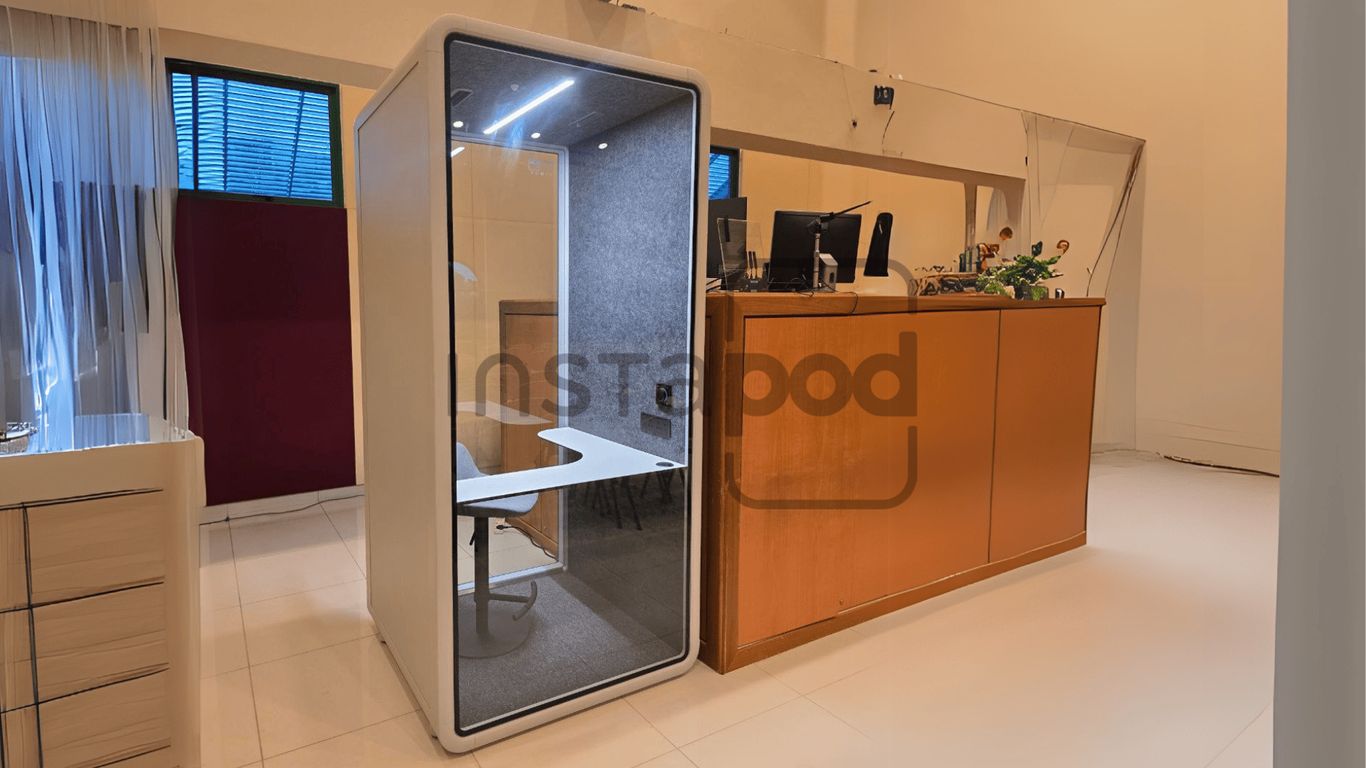
In Singapore’s fast-paced environment, finding a quiet place to concentrate can be tough. Homes get busy, and cafes are often too loud. That’s where study pods come in. These small, dedicated spaces are popping up in schools, libraries, and even offices. They offer a way to get away from distractions and focus on what matters. This article looks at how study pods in Singapore are making a big difference, even with their small size.
Key Takeaways
- Study pods provide a quiet, private space for focused learning, helping students avoid distractions common in open areas.
- These enclosures are designed to minimize noise and visual clutter, creating an ideal environment for concentration and productivity.
- Study pods are useful for all ages, from young students needing a calm spot to university students preparing for exams.
- Beyond individual work, some pods can be adapted for small group collaboration or used for student support services, contributing to wellbeing.
- Effective study pods require careful design, especially regarding soundproofing, lighting, and comfortable interiors, to truly aid learning.
The Rise Of Study Pods In Singapore
It feels like everywhere you look in Singapore these days, there’s talk about study pods. And honestly, it makes sense. Our city is packed, and finding a quiet spot to really concentrate can be a real challenge. Homes can get noisy with family around, and cafes, well, they’re usually buzzing with activity – not exactly ideal for deep thinking or getting through a tough chapter. This is where the humble study pod steps in, offering a much-needed solution for students and anyone needing a focused space.
Understanding The Need For Focused Learning Spaces
Think about it: when was the last time you could truly focus without someone walking by, a phone ringing, or just the general background noise of a busy environment? For students, this constant battle with distractions can really slow down learning. It’s not just about being in a library; it’s about having a space where your brain can actually settle down and do the work. These pods are designed to give you back that control over your immediate surroundings. They’re a direct response to the growing need for environments that support concentration in our fast-paced, often loud, urban setting.
What Defines A Study Pod?
So, what exactly is a study pod? At its core, it’s a small, self-contained unit built specifically for focused work. These aren’t just flimsy partitions; they’re often engineered with features to actively block out noise and visual clutter. Inside, you’ll usually find good lighting, a comfortable seat, and power outlets for your gadgets. It’s like having your own personal, portable quiet room, a private pod where you can escape the chaos and get down to business. They’re a smart way to create a distraction-free zone without needing to build entire new rooms.
Key Features Of Effective Study Pods
Not all study pods are created equal, of course. When you’re looking for one that actually helps you get work done, a few things really matter:
- Soundproofing: This is a big one. It needs to keep outside noise out and prevent your own typing or quiet conversations from bothering others.
- Comfortable Seating: You might be in there for a while, so a decent chair makes a difference.
- Adequate Lighting: Too dim and you’ll get tired; too harsh and it’s distracting. Good, natural-feeling light is best.
- Power Outlets: Essential for keeping laptops and phones charged.
- Ventilation: Nobody wants to study in a stuffy box.
The idea behind these pods is simple: remove the things that pull your attention away. By creating a dedicated, quiet space, they allow your mind to settle and engage more deeply with whatever task is in front of you. It’s about making study time more effective, not just longer.
Enhancing Concentration And Productivity
It feels like everywhere you turn these days, there’s noise. Whether it’s the chatter in a busy library, the general hum of a school hallway, or just life happening around you, finding a quiet spot to really focus can be tough. This is especially true when you’ve got serious studying or complex assignments to tackle. Trying to concentrate when there’s a lot going on can really mess with your ability to learn and get things done. That’s where a study pod comes in handy.
Minimizing Auditory And Visual Distractions
Think about trying to read a complex chapter or solve a tricky math problem with people talking nearby or walking past. It’s nearly impossible to stay on track. Study pods are designed with soundproofing materials, like acoustic panels, to block out most of the ambient noise. This means the usual sounds of a busy campus or library fade away, letting students concentrate on their work. Beyond just sound, the enclosed nature of a pod also cuts down on visual distractions. No more seeing people walk by or catching snippets of conversations – it’s just you and your materials. This controlled environment is key to maintaining focus.
The Power Of A Private Focus Zone
Essentially, a study pod acts as your own private focus zone. It’s a place where you can escape the usual interruptions that come with open-plan offices or busy libraries. This personal space allows you to get into a state of ‘deep work,’ where your concentration is at its peak. By minimizing both auditory and visual distractions, these pods create an ideal setting for tackling complex tasks, absorbing information, and boosting your overall productivity. They offer a practical solution for anyone needing a quiet retreat to get things done, making them a valuable addition to any learning or work environment. They are a great way to create a quiet space for focused work, much like office pods do in professional settings.
Creating a dedicated, distraction-free environment is key to effective learning and work. Study pods provide this by isolating users from common disturbances, allowing for deeper concentration and improved output.
Boosting Retention And Academic Performance
Excessive noise and constant distractions in educational settings seriously hurt a student’s ability to concentrate and learn, particularly for tasks needing deep thought. A study pod provides a private, quiet space designed to block out both sound and visual interruptions, creating an ideal zone for focused work. Many students report feeling overwhelmed and unable to concentrate in typical school or university settings. Libraries, while intended for study, can still be surprisingly noisy with the sounds of keyboards, hushed conversations, and movement. Classrooms, especially those with flexible seating or open-plan designs, present their own set of challenges. Even a quiet hum of activity can be enough to break a student’s focus. This struggle is not about a lack of effort on the student’s part; it’s about the environment not being conducive to the kind of focused attention needed for academic success. For students who are particularly sensitive to noise or easily overstimulated, these environments can be even more detrimental. They might avoid studying in common areas altogether, limiting their access to resources and study spaces. This is where the need for controlled, personal study zones becomes apparent, offering a much-needed respite from the chaos. Many students find that even a short period of focused work in a quiet space can make a significant difference in their productivity and understanding, as seen in the positive feedback from universities integrating study pods into their libraries.
Versatile Applications For Every Learner
It feels like everywhere you turn these days, there’s noise. Whether it’s the chatter in a busy library, the general hum of a school hallway, or just life happening around you, finding a quiet spot to really focus can be tough. This is especially true when you’ve got serious studying or complex assignments to tackle. Trying to concentrate when there’s a lot going on can really mess with your ability to learn and get things done. That’s where a study pod comes in handy.
Support For Elementary And High School Students
Younger students, especially, can struggle with self-regulation in noisy classrooms. A study pod offers a calm, enclosed space for them to read, work on assignments, or get one-on-one help from a teacher. For high schoolers, who often juggle group projects and independent study, pods can serve as distraction-free brainstorming areas. They can even be integrated into classrooms to give students a quiet spot for individual tasks or a needed break from the classroom buzz. These pods are a game-changer for creating consistent, quality study experiences, no matter how crowded the main area gets.
Study Pods In Universities And Libraries
Universities and their libraries are prime spots for study pods. Libraries, often bustling hubs of activity, can become noisy, making focused study tough. Pods offer a personal sanctuary, a place where students can really dive into their coursework without the chatter of nearby conversations or the constant movement of people. This ability to control one’s immediate environment is a powerful tool for learning.
Beyond The Classroom: Broader Uses For Study Pods
While we often think of study pods as being strictly for academic settings, their utility extends far beyond the traditional classroom or university library. These private spaces are proving to be incredibly useful in a variety of other environments where focus and quiet are at a premium. Think about public libraries, for instance. They serve a wide range of people, from students needing a quiet place to study to professionals working remotely. Introducing office booths into these public spaces can offer patrons a much-needed respite from the general hubbub, allowing for concentrated work or reading without interruption. It’s a simple way to upgrade the user experience.
Here are some examples of where else you might find study pods:
- Public Libraries: Offering quiet zones for patrons who need to concentrate amidst general activity.
- Co-working Spaces: Providing members with a dedicated area for deep work away from collaborative zones.
- Corporate Training Centers: Creating private, acoustically controlled environments for employees undergoing training or virtual meetings.
The adaptability of these pods means they can be reconfigured for various learning styles and needs, making them a flexible asset in any educational or professional setting.
Facilitating Collaboration And Wellbeing
While study pods are often pictured as solitary sanctuaries for deep focus, they actually have a lot to offer when it comes to working with others and just generally feeling better during the school day. It’s not all about being alone in a box, you know?
Supporting Small Group Work And Teamwork
Think about it: sometimes you need to hash out a project with a couple of friends, but the main library is just too loud, and booking a whole meeting room feels like overkill. That’s where study pods come in handy. You can arrange a few of them together, or use a slightly larger pod designed for groups, to create a semi-private space. This setup lets you chat through ideas, brainstorm, or work on a presentation without constantly being interrupted by the general buzz of a busy campus. It’s a good middle ground – private enough to get work done, but open enough to feel connected to your team. It helps make teamwork feel less like a chore and more like a productive session.
- Brainstorming Sessions: Get a small group together to throw ideas around without disturbing others.
- Project Work: Collaborate on assignments, presentations, or group research.
- Peer Tutoring: Work with a classmate to go over difficult material.
Enhancing Wellbeing And Student Support Services
Beyond just academics, these pods can be a real plus for student wellbeing. Imagine a student feeling totally swamped during finals week, or just needing a quiet moment to reset. Having a designated pod, maybe even one tucked away in a quieter corner, can act like a personal retreat. Student support services could even use these spaces for private chats, like one-on-one mentoring or just a confidential space to talk things through. It’s a practical way for schools to show they care about how students are really doing, not just how they’re performing on tests.
The modern educational landscape often pushes for constant engagement and collaboration, which is great, but it can also leave students feeling drained. Having access to private, quiet spaces offers a much-needed counterbalance, allowing for personal reflection and stress reduction.
Creating A Calm Environment For Decompression
Let’s be real, school can be intense. Between classes, assignments, and social stuff, it’s easy to get overwhelmed. Study pods offer a simple solution: a place to just… breathe. They’re not just for studying; they can be a spot to take a quick mental break. Maybe you just need five minutes to listen to some music with headphones on, or to simply sit in silence and gather your thoughts before your next lecture. This ability to step away, even for a short while, can make a big difference in managing stress and preventing burnout. It’s about having control over your immediate environment when things start to feel like too much.
Designing Effective Study Pods For Learning
So, you’ve decided study pods are the way to go. That’s great! But just plopping a few of these enclosed spaces down isn’t a magic fix. To really get the most out of them, you need to think about how they’re designed. It’s not just about having a box; it’s about making that box a truly productive zone. Getting the design right means these study pods actually help people focus, rather than just becoming another piece of furniture in the room. Think of them like specialized office booths, but for learning.
The Importance Of Acoustic Mastery
This is probably the biggest hurdle to clear. If a study pod isn’t quiet, it completely misses the point. We’re talking about serious soundproofing here. It’s not enough to just block sound; you need materials that absorb it too. This applies to the walls, the ceiling, and even the floor. The goal is to create a little bubble where outside noise just melts away. Even small sounds, like someone typing nearby or a door closing down the hall, can shatter concentration. Good acoustic design is the bedrock of a functional study pod.
Here’s what goes into making a pod acoustically sound:
- Sound Absorption: Using materials like acoustic foam or fabric panels on interior surfaces to soak up sound waves.
- Sound Blocking: Employing dense materials and tight seals in the construction to prevent sound from entering or escaping.
- Isolation: Ensuring the pod is structurally separated from the main floor or walls to minimize vibration transfer.
Creating a dedicated, distraction-free environment is key to effective learning and work. Study pods provide this by isolating users from common disturbances, allowing for deeper concentration and improved output.
Ensuring Optimal Lighting And Ventilation
Beyond just silence, the environment inside the pod matters a lot. Poor lighting can make your eyes tired quickly, and bad air circulation can make you feel sluggish. For effective study pods, you want lighting that’s bright enough to read by but not harsh. Natural light is always a bonus if possible, but good quality artificial light works too. Think about adjustable lighting so users can set it to their preference. Ventilation is also key. You don’t want the air to get stale. Good airflow keeps people alert and comfortable, which means they can stay focused for longer periods. It’s about creating a space that feels good to be in, not one that makes you want to leave.
Creating A Comfortable And Functional Interior
What’s inside the study pod makes a big difference too. Comfort is important, of course. A good chair that supports your back is a must, especially if someone plans to spend a few hours in there. But functionality is just as vital. You need places to put your books, your laptop, and your drinks. Power outlets are non-negotiable for charging devices. Some pods might even include small whiteboards for jotting down ideas. The layout should be simple and uncluttered, so it doesn’t add to distractions. It’s about making sure everything a student needs is within easy reach, allowing them to get into that zone of deep work without fuss. These aren’t just simple booths; they’re engineered spaces designed for productivity.
Small Spaces, Big Difference
So, it looks like these study pods are more than just a trend. They’re a really practical way to help students focus, whether they’re in a busy university library or a classroom. They give people a quiet spot to get work done, which is super important when you’re trying to learn. From younger kids needing a calm place to read to older students prepping for big exams, these pods make a difference. They can even help with group work by giving teams a semi-private space to hash things out. It’s pretty neat how a small, enclosed area can have such a big impact on how well people learn and get things done. Definitely something to consider if you’re looking to improve study environments.
Frequently Asked Questions
What exactly is a study pod?
Think of a study pod as a small, quiet room you can step into. It’s designed to be a private space where you can focus on your schoolwork without getting bothered by noise or other distractions around you. It’s like your own little bubble for studying.
Why are study pods becoming popular in Singapore?
Singapore is a busy place, and sometimes it’s hard to find a quiet spot to really concentrate. Study pods help students and others create these calm zones, especially in places like schools, universities, and libraries where it can get noisy. They help make sure everyone can get a good study experience, no matter how crowded it is.
Can study pods help me do better in school?
Yes! By cutting down on distractions, study pods help you focus better. When you can concentrate more, you’ll likely understand and remember things better. This can lead to getting more done in less time and generally improving your grades and how you feel about your studies.
Are study pods only for studying alone?
Not at all! While they’re great for solo focus, study pods can also be set up for small groups. This allows you to work on projects or discuss ideas with a few friends in a more private setting, helping you collaborate without disturbing others.
What makes a study pod a good one?
A good study pod is really quiet inside, meaning it blocks out noise well. It should also have good lighting, fresh air, and places to plug in your phone or laptop. Basically, it needs to be a comfortable and distraction-free zone so you can really get your work done.
Where can I find study pods in Singapore?
You can find study pods in various places like universities, libraries (like the National Library or Tampines Regional Library), and sometimes even in schools. They are becoming more common as places realize how helpful they are for focused learning.