No pods added to your quote request yet. Add some now for a free quote!
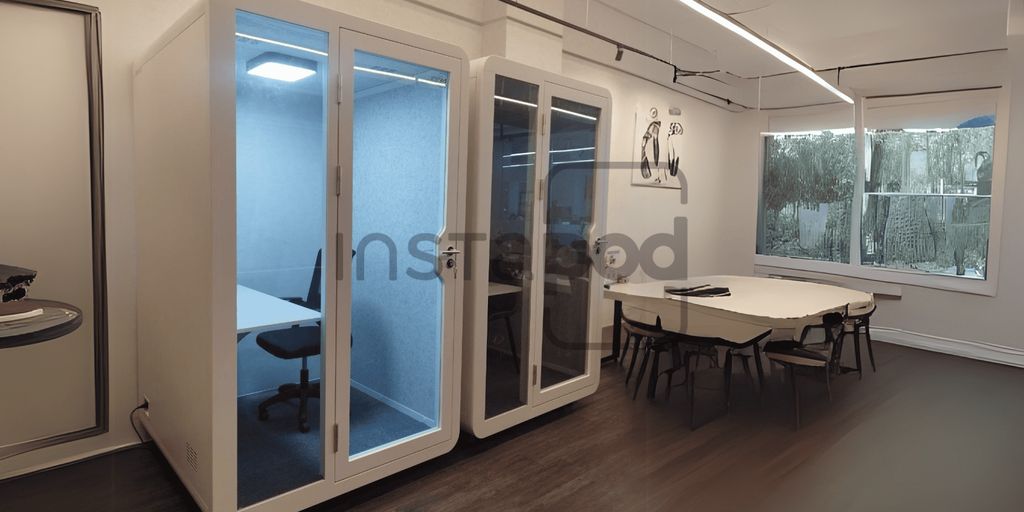
Singapore’s workplaces are changing fast. With more open-plan offices, it’s harder to find a quiet spot. That’s where acoustic pods come in. These little spaces can really help teams focus and get work done without all the usual office noise. Think of them as personal quiet zones you can pop into whenever you need to concentrate or have a private chat. They’re becoming a must-have for modern businesses.
Key Takeaways
- Acoustic pods offer a quiet escape in busy open-plan offices, helping employees focus better.
- They provide private spaces for important calls or confidential discussions, boosting professionalism.
- These pods are flexible and can be moved or changed as office needs shift.
- Having these private areas can improve employee satisfaction and reduce stress.
- Investing in acoustic pods helps create a more productive and comfortable work environment for everyone.
1. Meeting Pods
Meeting pods have really changed how we work in offices, especially the open-plan ones. Instead of booking a whole conference room for a quick chat or a brainstorming session, you can just pop into one of these pods. They’re basically mini, soundproof rooms that you can set up pretty much anywhere.
Think about it: you need to have a private call with a client, or maybe your team needs to hash out some ideas without everyone else hearing. These pods are perfect for that. They cut out the office noise, so you can actually hear each other and focus. Plus, they usually come with a small table and a seat or two, making them way more comfortable than just standing in a hallway.
These spaces are great because they give people a dedicated spot for focused work or private conversations, cutting down on interruptions and making the whole office run smoother. It’s a win-win for productivity and keeping things calm.
Here’s a quick look at what makes them so useful:
- Privacy: They offer a quiet zone away from the main office buzz.
- Flexibility: You can place them almost anywhere, adapting to your office layout.
- Collaboration: Great for small team huddles, quick syncs, or focused discussions.
- Comfort: Designed with basic amenities for short meetings or focused work sessions.
Companies like Tencent and Huawei have actually put these in their offices and seen good results. Tencent uses them for one-on-one staff meetings, making those chats more relaxed. Huawei found they helped their teams communicate and collaborate better, making meetings more effective in a casual setting. It’s not just about having a quiet space; it’s about making those interactions more productive and comfortable.
2. Office Phone Booths
The Need for Private Conversations
In today’s busy offices, finding a quiet spot for a phone call can be tough. That’s where office phone booths come in. Think of them as mini, soundproof rooms designed specifically for one-on-one conversations. They’re a game-changer for maintaining privacy and professionalism when you need to chat without everyone else listening in. These telephone booths in Singapore are becoming super popular because they really help cut down on office noise and give people a dedicated space to focus on their calls.
Benefits of Office Phone Booths
- Privacy: Offers a secure space for confidential calls and discussions.
- Noise Reduction: Significantly lowers sound transmission, benefiting both the user and their colleagues.
- Productivity Boost: Allows for uninterrupted conversations, leading to more efficient communication.
- Flexibility: Can be easily moved or reconfigured as office layouts change.
These booths are more than just a place to take a call; they’re about creating a better work environment where everyone can concentrate and communicate effectively. They really do make a difference in how smoothly things run day-to-day.
Choosing the Right Booth
When looking for office phone booths, consider factors like size, soundproofing quality, ventilation, and any built-in tech like power outlets or USB ports. Many companies offer different styles, from sleek, modern designs to more compact options that fit into tighter spaces. It’s all about finding what works best for your specific office needs and aesthetic.
3. Privacy Booths
Privacy Booths: Your Personal Quiet Zone
In today’s busy open-plan offices, finding a spot for a private chat or focused work can feel impossible. That’s where the privacy pod comes in. Think of it as your own little sanctuary within the larger office space. These aren’t just fancy phone booths; they’re designed to give you that much-needed personal space without having to leave your floor. Whether it’s a sensitive client call, a virtual meeting where you don’t want background noise, or just a few minutes of uninterrupted thinking, a privacy pod is the answer.
These compact, sound-dampening units are becoming essential for maintaining both employee focus and overall office harmony. They effectively block out the general office chatter, keyboard clicks, and other distractions, letting you concentrate on what matters. Plus, they offer a professional setting for important conversations, ensuring privacy and clarity.
Here’s why they’re so useful:
- Confidential Conversations: Perfect for HR discussions, client calls, or any talk that shouldn’t be overheard.
- Deep Work: Provides a quiet environment for tasks requiring intense concentration, like writing reports or coding.
- Virtual Meetings: Ensures clear audio and a professional background for video calls.
Setting up a privacy pod is straightforward. They’re typically freestanding and don’t require major construction, making them a flexible addition to any office layout. Just place it where you need it, and it’s ready to go.
When choosing a privacy pod, consider factors like size, ventilation, and any built-in tech like power outlets or USB ports. Some even come with small desks or seating, turning them into mini-workstations.
4. Soundproof Office Pods
When you need to really get work done without the usual office chatter getting in the way, a soundproof office pod is your best bet. These aren’t just fancy cubicles; they’re built with serious sound-dampening materials to create a quiet zone. Think of them as mini, private rooms that you can pop into for focused work, important calls, or even just a moment of peace. They’re a game-changer for productivity in open-plan offices.
Key Features of Soundproof Office Pods
- Superior Sound Insulation: Built with multi-layer acoustic panels and high-quality seals to block out external noise effectively.
- Ventilation Systems: Integrated fans ensure fresh air circulation, keeping the space comfortable during longer sessions.
- Integrated Technology: Many come with power outlets, USB ports, and sometimes even screens for video calls.
- Comfortable Interiors: Designed with ergonomic seating and good lighting for a pleasant working experience.
Benefits for Your Team
- Boosted Concentration: Employees can focus on tasks without constant interruptions from ambient office noise.
- Enhanced Privacy: Ideal for confidential conversations, sensitive client calls, or private virtual meetings.
- Improved Well-being: Provides a personal retreat space, reducing stress and increasing overall job satisfaction.
These pods offer a practical solution for creating dedicated quiet zones within a busy office, allowing individuals to perform tasks requiring deep concentration or private communication without disturbing others or being disturbed themselves.
Warranty and Support
Many providers offer warranties on their soundproof pods, often covering structural components for several years and electrical elements for a shorter period. Look for companies that also provide professional installation and local after-sales support to ensure your investment is well-protected and your pods remain functional.
5. Acoustic Privacy Pods
In today’s busy offices, finding a quiet spot can feel like a treasure hunt. That’s where acoustic privacy pods really shine. They’re basically little sanctuaries designed to give you a break from the office buzz. Think of them as your personal quiet zone, perfect for when you need to really concentrate or have a chat without everyone else listening in.
These pods are built with sound-dampening materials, so the chatter, keyboard clicks, and phone rings from the main office just fade away. It’s not just about blocking noise, though; it’s about creating a space where you can actually get things done without constant interruptions. They offer a much-needed escape for focused work or sensitive conversations.
Why Opt for Acoustic Privacy Pods?
- Boosted Concentration: They create a distraction-free zone, letting you dive deep into tasks that need your full attention.
- Confidentiality Assured: Perfect for private calls, sensitive discussions, or performance reviews where privacy is key.
- Improved Well-being: Providing a quiet retreat helps reduce stress and can make employees feel more valued and less drained.
- Flexible Space Solutions: They can be easily moved or reconfigured, adapting to your office’s changing needs.
Acoustic privacy pods are more than just furniture; they’re a strategic investment in your team’s productivity and overall satisfaction. They address the noise issue head-on, giving people the control they need over their immediate environment.
Key Features to Look For:
- Sound Insulation Ratings: Check the decibel reduction to ensure it meets your needs.
- Ventilation: Good airflow is important for comfort during longer sessions.
- Integrated Power & Data: For charging devices and staying connected.
- Comfortable Seating & Lighting: Making the space usable and pleasant.
6. Zoom Rooms
When you think about modern team collaboration, especially with the rise of remote and hybrid work, dedicated spaces for video conferencing are a must. That’s where Zoom Rooms, or similar video-enabled meeting spaces, come into play. These aren’t just any meeting rooms; they’re kitted out with specific tech to make virtual meetings smooth and productive.
Think about it: you need good audio, clear video, and a space that minimizes background noise. These pods are designed precisely for that. They often come with integrated screens, cameras, and microphones, all set up to connect easily to your video conferencing software. It cuts down on the fiddling with cables and settings that can eat into valuable meeting time.
Key Features of Effective Zoom Rooms
- Integrated AV Equipment: High-quality cameras, microphones, and speakers are standard. Some setups even include touch displays for interactive whiteboarding.
- Acoustic Treatment: The walls, ceiling, and floor are designed to absorb sound, preventing echo and external noise from disrupting the call.
- Comfortable Seating and Workspace: Ergonomic seating and a functional table surface are provided for participants.
- Connectivity Options: Easy access to power outlets and USB ports for laptops and other devices.
Benefits for Singaporean Teams
- Improved Collaboration: Facilitates seamless communication with remote team members or clients, no matter where they are.
- Enhanced Professionalism: Presents a polished image during client calls and important virtual meetings.
- Reduced Distractions: Creates a quiet zone, allowing for focused discussions without office chatter interfering.
Setting up a dedicated Zoom Room or a similar video-enabled pod means your team can connect with anyone, anywhere, with the confidence that the technology will work and the environment will support clear communication. It’s about making those virtual interactions as effective as in-person ones.
These spaces are becoming less of a luxury and more of a necessity for businesses that rely on consistent virtual communication. They help keep everyone on the same page and maintain that all-important professional edge.
7. Acoustic Panels
Acoustic panels are a pretty big deal when you’re trying to make an office space quieter, especially in those open-plan setups that are so popular now. They’re basically designed to soak up sound, stopping it from bouncing all over the place and making a racket. Think of them like sponges for noise. They can be used on walls, ceilings, and even sometimes as dividers.
These panels are usually made from materials that are good at absorbing sound waves. Common stuff includes mineral wool, fiberglass, or foam, all wrapped up in fabric. The way they’re constructed, with porous materials, is what lets them trap sound energy and turn it into a little bit of heat. It’s not magic, just science, but it makes a real difference in how loud a room feels.
Panel Construction and Materials
When you’re looking at acoustic panels, the inside material is key. You’ll often see things like:
- Mineral Wool: This is a really dense material made from rock or slag. It’s great at absorbing a wide range of sound frequencies and is also fire-resistant.
- Fiberglass: Similar to mineral wool, fiberglass panels are also dense and effective absorbers. They’re a common choice for offices and studios.
- Foam: Acoustic foam, often seen in egg-crate or wedge shapes, is lighter and can be good for mid to high frequencies. It’s not usually as robust as mineral wool or fiberglass for overall sound dampening.
The outer fabric covering also plays a role. It needs to be acoustically transparent, meaning it lets sound waves pass through to the absorbent material inside without reflecting them back. The thickness and density of the panel are also important factors in its sound-absorbing capabilities.
Installation Methods
Putting up acoustic panels isn’t usually a huge headache, but there are a few ways to do it:
- Direct Mount: This is the most straightforward. You just glue or screw the panels directly onto the wall or ceiling surface. It’s pretty permanent and gives a clean look.
- Z-Clip System: This involves attaching a metal clip to the back of the panel and a corresponding clip to the wall. The panel then hangs on the wall clips, creating a small air gap behind it. This gap can actually boost the panel’s performance, especially at lower frequencies.
- Suspended Systems: For ceilings, panels can be hung using wires or cables. This is common for acoustic clouds or baffles, which hang down into the space to control sound from above and below.
Performance Metrics
How well a panel works is usually measured by its Noise Reduction Coefficient (NRC). This number ranges from 0 to 1. A higher NRC means the panel absorbs more sound. For example, a panel with an NRC of 0.85 means it absorbs 85% of the sound that hits it. You’ll also see ratings for how well they perform at different frequencies (low, mid, high), which is important for targeting specific noise problems.
The goal with acoustic panels isn’t to make a space completely silent, but rather to control the reverberation – that echoey sound that makes conversations hard to follow and increases the overall noise level. By reducing this echo, you make the environment much more comfortable and productive.
Types of Panels for Offices
When you’re outfitting an office, you’ll find panels designed for different looks and functions:
- Wall Panels: These are the most common, mounted directly on walls to break up sound reflections.
- Ceiling Clouds/Baffles: These hang from the ceiling, tackling sound from above and also helping to define zones within a larger space.
- Desk Dividers: Smaller panels that can sit on desks or partitions to create personal space and reduce direct sound transmission between workstations.
- Fabric-Wrapped Panels: These are the most popular for offices because you can get them in tons of colors and textures to match the decor, making them look less like industrial soundproofing and more like design elements.
8. Soundproof Glass
When you’re looking at acoustic pods, the glass used is a pretty big deal for how well they actually block out noise. It’s not just any old glass; we’re talking about specially made stuff designed to keep sound from getting through. This is super important if you need to have a private call or a focused meeting without the office chatter bleeding in.
Sound-Insulating Glass
Most good pods will use sound-insulating glass. This usually means it’s thicker than normal window glass, and sometimes it has a special coating or a gap filled with gas between two panes. This construction helps to dampen sound waves. Think of it like wearing earplugs – it just reduces the amount of noise that reaches your ears.
Glass Walls and Doors
So, you’ll see this sound-insulating glass used for the entire walls of the pod, not just the windows. The doors are also made with this special glass. It means you can still have a bright, open feel to the pod, letting in natural light, without sacrificing the quiet you need. The frames for these glass parts are often made from wood, available in natural or black finishes, which adds a nice touch to the overall look.
Sound Attenuation Ratings
To give you an idea of how good the glass (and the whole pod, really) is at blocking sound, they often have ratings. For example, you might see something like "speech level reduction Ds (class A+) – ISO 23351-1:2020". Basically, this tells you how much it reduces the sound of someone talking. A higher rating, like Class A+, means it’s really good at keeping conversations private and the inside quiet.
The effectiveness of soundproof glass in pods comes down to its density and how it’s installed. Double or triple glazing with specific air gaps and laminated interlayers makes a big difference in blocking a wider range of sound frequencies.
9. Ventilation Systems
When you’re spending time in an acoustic pod, the last thing you want is for the air to feel stale. That’s where the ventilation system comes in. It’s pretty important for keeping things comfortable, especially if you’re in there for a while.
Good ventilation means you can actually focus on your work without feeling stuffy. It helps circulate fresh air, which is a big deal for productivity and just general well-being.
Airflow Rates
Pods usually have a standard airflow rate, but some can also go higher. It’s good to know what you’re getting.
- Standard Airflow: Typically around 114 m³/h. This is usually enough for one or two people.
- Maximum Airflow: Some systems can push up to 179 m³/h. This is great for when you need a bit more air movement or if more people are using the pod.
Features to Look For
- Adjustable Speed: Being able to control the fan speed is a nice touch. You can turn it up when you first enter or if it feels a bit warm, and then lower it for quiet work.
- Silent Operation: Nobody wants a noisy fan drowning out their thoughts or calls. Look for systems designed to be quiet.
- Integrated Controls: Often, the ventilation is part of a larger control panel where you can also manage lighting and other features. This makes it easy to adjust everything from one spot.
Keeping the air moving is just as important as keeping the noise out. A well-ventilated pod makes a big difference in how long you can comfortably stay inside and get things done. It’s not just about soundproofing; it’s about creating a usable space.
Maintenance
While most modern systems are pretty low-maintenance, it’s worth checking if the filters are easy to access and clean or replace. This usually isn’t a big job, but it’s something to consider for long-term use.
10. Integrated Technology
These modern acoustic pods aren’t just about quiet spaces; they’re designed to be smart hubs for productivity. Think about it: you step into a pod for a video call or focused work, and everything you need is right there, ready to go. The best pods come with built-in tech that makes using them a breeze.
What kind of tech are we talking about?
- Display Screens: Many pods include integrated screens, perfect for video conferencing or sharing your work. Some even have touch capabilities.
- Connectivity: Expect USB ports, power outlets, and sometimes even wireless charging pads to keep all your devices powered up.
- Control Panels: A central panel usually lets you manage lighting, ventilation, and sometimes even sound levels, all with a simple touch.
- Camera and Microphone Systems: For seamless video calls, high-quality cameras and microphones are often built-in, ensuring you look and sound professional.
It’s all about making the transition into your focused work or meeting as smooth as possible. No fumbling for chargers or struggling to connect your laptop.
The goal is to have a space that’s immediately functional the moment you step inside. This means the technology isn’t just an add-on; it’s a core part of the pod’s design, meant to support your workflow without any fuss.
The Sound of a Better Workplace
So, as we’ve seen, Singapore’s offices are changing, and acoustic pods are a big part of that. They’re not just fancy boxes; they’re real tools that help people focus, have private chats, and generally feel better about their workday. Whether it’s a quick call or a team huddle, these pods make open spaces work better for everyone. Investing in them is really about investing in your team’s ability to do their best work and feel good while doing it. It’s a smart move for any company looking to keep up with how work is done today.
Frequently Asked Questions
What exactly are acoustic pods?
Acoustic pods are like little quiet rooms you can put inside a bigger, noisier office. They help people focus by blocking out sounds. Think of them as personal quiet zones for when you need to concentrate or have a private chat.
What can I use an acoustic pod for?
You can use them for all sorts of things! They’re great for important phone calls, private meetings, video chats, or just when you need a calm space to get your work done without distractions.
Do acoustic pods actually make you more productive?
Yes, they definitely help! By cutting down on noise and giving you a private spot, they make it easier to concentrate and get more done. This can make you feel happier and less stressed at work.
How do I keep my office pod clean?
Keeping them clean is simple. Just wipe down the surfaces regularly with a damp cloth and mild cleaner. Make sure to keep food and drinks contained to avoid spills. It’s like tidying up any other piece of furniture.
What kind of support or warranty comes with these pods?
Many pods come with a warranty, often covering the main parts for several years and electrical bits for a shorter time. Companies usually offer help with setting them up and fixing them if something goes wrong.
How do acoustic pods keep things private and quiet?
These pods are designed to be quiet and private. They use special materials to block sound, like thick walls and good seals. This means your conversations stay private and outside noise doesn’t bother you.