No pods added to your quote request yet. Add some now for a free quote!
Key Takeaways
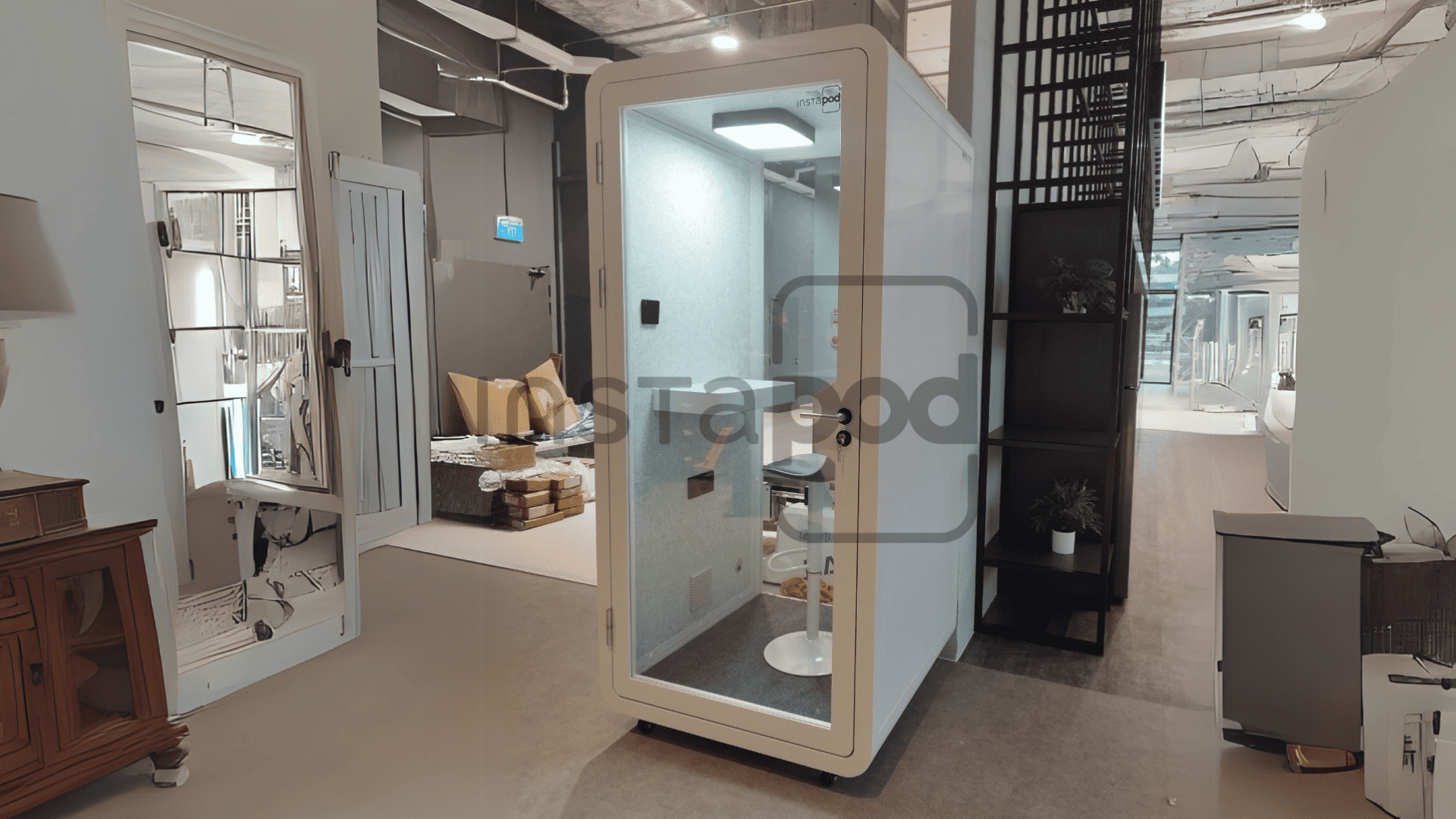
Selecting the right infrastructure is essential for maintaining productivity in a modern workspace. These key considerations help businesses choose the best equipment for their specific operational needs.
- Prioritize acoustic performance based on the specific noise levels of your office.
- Evaluate the modularity and finish variety to ensure the equipment matches your interior design.
- Confirm the efficiency of the ventilation system for maintaining user comfort over extended periods.
- Verify the installation timeline and logistical requirements unique to the local business landscape.
- Assess the long-term support and maintenance promises provided by the vendor.
1. What are the noise reduction specifications for your acoustic pods?
Acoustic performance is the cornerstone of any effective meeting pod. You should ask your supplier specifically about the sound insulation ratings, which are usually measured in decibels. These figures tell you exactly how much external noise the structure blocks and how much internal sound remains contained within.
Understanding these metrics allows you to match the right solution to your specific environmental noise levels. A high-quality acoustic environment requires attention to both the glass thickness and the acoustic dampening materials used in the wall panels. Effective noise reduction relies on proper sealing around the doors and base, which prevents sound leakage in busy, open-office plans.
Do not hesitate to request lab test reports or verified certification data for these units. Suppliers should be transparent about their performance claims and be able to explain how their testing protocols correlate with your daily office atmosphere. This due diligence ensures that your investment in an office pod actually delivers the focused environment you anticipate.
2. What customization options are available for size and interior finishes?
Every office has a unique aesthetic and spatial constraint that must be addressed during the procurement process. You should look for a provider that offers a diverse range of dimensions, from small phone booths to larger conference-style units. Ask about the modularity of these systems, as this dictates how well they integrate into your current floor plan.
Interior finishes typically include a variety of fabric colors, carpet textures, and wood grain laminates that provide a cohesive look with your existing furniture. Discuss whether the internal panels are replaceable or if the furniture configurations, such as desks and seating, can be altered later to suit different work styles. The ability to tailor these details often differentiates a standard product from one that feels truly bespoke.
By focusing on these customization features, you ensure that your investment reflects your brand identity while remaining practical. A well-designed workspace should not only perform well acoustically but also elevate the overall look of the office. Always clarify lead times for custom colors or materials, as special orders can occasionally affect the delivery schedule.
3. How does the ventilation system ensure air quality within the pod?
Air quality is a critical factor for maintaining user comfort during longer sessions inside an enclosed space. A reliable meeting pod should feature an active ventilation system that cycles air continuously to prevent the space from becoming stuffy or hot. Ask about the number of air exchanges per hour the fan system provides and how quietly it operates during standard use.
Beyond simply moving air, inquire whether the system includes integrated sensors that automatically adjust fan speed based on occupancy. This feature ensures optimal air quality without the need for manual intervention between meetings. Effective airflow is essential for preventing the buildup of carbon dioxide, which can quickly hinder concentration and user productivity.
Maintenance of this system is also important, so check if the air filters are easily accessible for cleaning or replacement. A robust airflow design should be nearly silent to ensure that the quiet environment required for deep work is not disturbed by hum or vibration. Ensuring this balance is met confirms that the system is engineered for professional, long-term use.
4. What is the expected lead time and installation process for a Singapore office?
The logistics of receiving and setting up new equipment in a bustling metropolitan area require precise coordination. Lead times for office pods can vary based on the specific model selected and current inventory levels at the warehouse. Providing your supplier with your exact delivery timeline allows them to plan for customs, local transport, and site access coordination.
| Operational Stage | Estimated Duration | Requirements |
|---|---|---|
| Procurement Processing | 2-4 Weeks | Deposit and Confirmation |
| Local Warehouse Transit | 3-5 Days | Site Access Clearance |
| On-site Assembly | 1-2 Days | Power Connectivity Access |
The installation process typically involves a professional team that manages the assembly of panels, connection of electrical systems, and final quality checks. You should verify whether the installation team provides surface protection for your flooring and removes all packaging materials once the unit is operational. Having a clear understanding of these local operational steps helps minimize downtime during the setup phase.
Always ask if the supplier offers a site survey before confirming the order. A pre-delivery inspection can identify potential challenges with doorway widths, load-bearing floor capacities, or ceiling height constraints. This preemptive step ensures a smooth, stress-free installation experience at your facility.
5. Does the pod come with integrated power and data connectivity?
Modern work requires seamless access to power and data, so ensure your office pods are fully equipped to support your technology needs. Most units include internal outlets and USB charging points as standard, but you should also verify the availability of data cable routing. This allows you to integrate your own network access points directly into the pod for a tidy, professional finish.
Consider the convenience of the cable management systems, which should be discreetly hidden to avoid clutter. If your team relies on video conferencing, ask about optional mounts for monitors or external camera setups. A truly integrated solution will account for these digital requirements during the engineering phase, ensuring all cables remain protected and accessible.
Finally, check the primary power connection method for the unit. Most rely on a standard three-pin plug that connects to your office floor or ceiling box, but it is important to confirm the current and amperage ratings. Ensuring that your electrical setup matches the requirements of the chosen unit avoids any post-installation complications at the testing stage.
6. Are the construction materials sustainable and fire-rated?
Material sourcing is a significant concern for firms pursuing environmental certifications or corporate responsibility goals. You should ask about the composition of the panels, including any recycled content in the insulation or frame structure. Many manufacturers today are prioritizing healthier indoor environments by using low-VOC finishes that minimize chemical off-gassing.
- Fire-rated safety glass and door assemblies
- Certified low-emission acoustic foams
- Recyclable aluminum or steel frame structures
- Sustainable textile finishes for sound absorption
Safety is non-negotiable; therefore, request documentation that the materials meet all local fire safety codes and building regulations. Fire-rated glass and flame-retardant fabrics not only protect your staff but also ensure that your office adheres to required safety standards for commercial buildings. Integrating safe, sustainable materials shows a commitment to your employees’ well-being and the environment.
By ensuring these details are covered, you avoid potential liabilities and align your facility with modern construction standards. Requesting clear documentation for these features allows you to verify that the supplier has carefully considered both durability and safety. This level of confidence is vital when upgrading your workspace infrastructure.
7. What kind of warranty and after-sales support do you provide?
Investment protection is a key aspect of any major procurement decision. A comprehensive warranty should cover not only the structural integrity of the frame but also the long-term functionality of the electrical components, ventilation fans, and door hardware. You should ask for details on the claim resolution process and whether the local provider keeps spare parts in stock for quick repairs.
Inquire about their response time for maintenance visits or system malfunctions. A dedicated after-sales team that understands the importance of minimizing disruption to your business operations is a significant asset. Knowing exactly who to contact for technical support provides peace of mind throughout the lifespan of the equipment.
Always confirm if the warranty remains valid if you relocate the pod or perform minor modifications, such as changing internal accessories. Understanding these limitations prevents issues should your office layout change in the future. Clear communication from the supplier regarding their service commitment defines the quality of the partnership you are entering.
8. How portable or easily relocatable is the pod within an office space?
Flexibility is often the primary reason companies choose to invest in modular solutions. Many office pods are designed to be moved relatively easily, often featuring hidden castors or leveling glides that allow you to reposition them if your business needs expand or shift. This mobility ensures that your furniture remains functional even when your office floor plan evolves.
The value of a modular workspace is found in its ability to adapt to changing organizational requirements without the need for intensive renovations or additional construction costs.
However, you must confirm if the unit requires partial disassembly before it can be pushed across the floor. Some larger meeting rooms may need a professional team to disconnect power or remove panels before they can safely pass through doorways. Understanding the exact level of effort required for relocation helps you plan your long-term spatial optimization strategy effectively.
Be sure to check if the floor loading requirements need to be revisited if you move the pod to a different area of your office. Ensuring the new location can adequately support the weight and power demands of the equipment is as essential as the physical act of moving it. This level of planning guarantees that your space remains both productive and safe.
9. Can you provide testimonials or examples of previous installations in Singapore?
Reviewing past projects is a great way to verify the reliability and quality of a potential office pod supplier singapore. Ask for case studies that demonstrate how the provider successfully tackled challenges similar to your own, such as fitting units into heritage buildings or working within tight deadlines for a major office move. Seeing real-world examples helps you gauge the professionalism of their installation team.
Testimonials provide insight into how other clients felt about the product performance and the transparency of the sales process. Don’t hesitate to ask for references if the documentation feels thin; speaking directly with a previous client can provide honest feedback on post-installation support. This verification step is a straightforward way to confirm that your vendor has a proven history of success.
If possible, arrange a visit to a showroom where you can experience the product firsthand before making a commitment. Testing the acoustics, checking the finish quality, and seeing the lighting controls in person is vastly different from looking at brochures. A confident supplier will be eager to show you their work and introduce you to satisfied clients in the local market.
10. What are the specific maintenance requirements for your office pods?
Ongoing care is relatively minimal, provided you follow the recommended cleaning schedule for the chosen materials. Fabrics should be vacuumed or treated according to textile-specific guidelines, while glass panels benefit significantly from streak-free, non-abrasive cleaners. Consistency in these simple tasks helps maintain the exterior appearance of your equipment year after year.
Beyond surface maintenance, consider the periodic inspection of the electronic components, such as checking cables for any signs of wear or verifying that fans remain free of dust buildup. A proactive approach to these maintenance tasks extends the service life and keeps your pods operating at peak efficiency. Request a simple maintenance guide from your supplier at the time of delivery.
Finally, make sure the team responsible for office upkeep is familiar with the system’s simple operational requirements. Providing them with a basic checklist—such as ensuring doors latch correctly and monitoring for potential filter obstructions—empowers them to maintain the investment. This level of care ensures your meeting solutions continue to provide high value to the staff.
Conclusion
Choosing a suitable meeting pod enhances your office flexibility while providing necessary quiet zones for focused work. By taking the time to ask about acoustic metrics, material safety, and local support, you ensure that your investment pays off for years to come. Focus on high-quality assembly and partner with a reliable supplier to build a lasting, productive environment for your growing team.
Frequently Asked Questions
How often should the ventilation filters be replaced?
Most modern pod systems require filter checks every six to twelve months, depending on the air quality and usage intensity of your office environment.
Is it possible to relocate the pods after they have been installed?
Yes, these units are designed as modular furniture and can usually be dismantled or repositioned, though professional help is recommended to ensure safety and electrical integrity.
Do the pods need to be connected to the building’s central fire alarm system?
Compliance depends on local regulations, but most suppliers provide units with integrated smoke detection and sprinkler integration interfaces for safety adherence.
Can I customize the interior layout of the pod later on?
Many vendors offer modular internal furniture, such as adjustable desks and seating, which can be updated or reconfigured as your business needs change.
What is the typical sound dampening rating for these units?
High-quality acoustic pods generally offer a sound reduction rating between 25dB and 35dB, which is sufficient for masking standard office background chatter.
Are the lights and power outlets compatible with standard Singapore sockets?
Yes, reputable suppliers provide units tailored to local electrical standards, equipped with compliant power outlets and USB charging points.
Does the installation process cause significant noise for the office?
Installation is typically quick and quiet, as it involves the assembly of prefabricated components rather than actual construction work that produces debris or loud hammering.