
No pods added to your quote request yet. Add some now for a free quote!
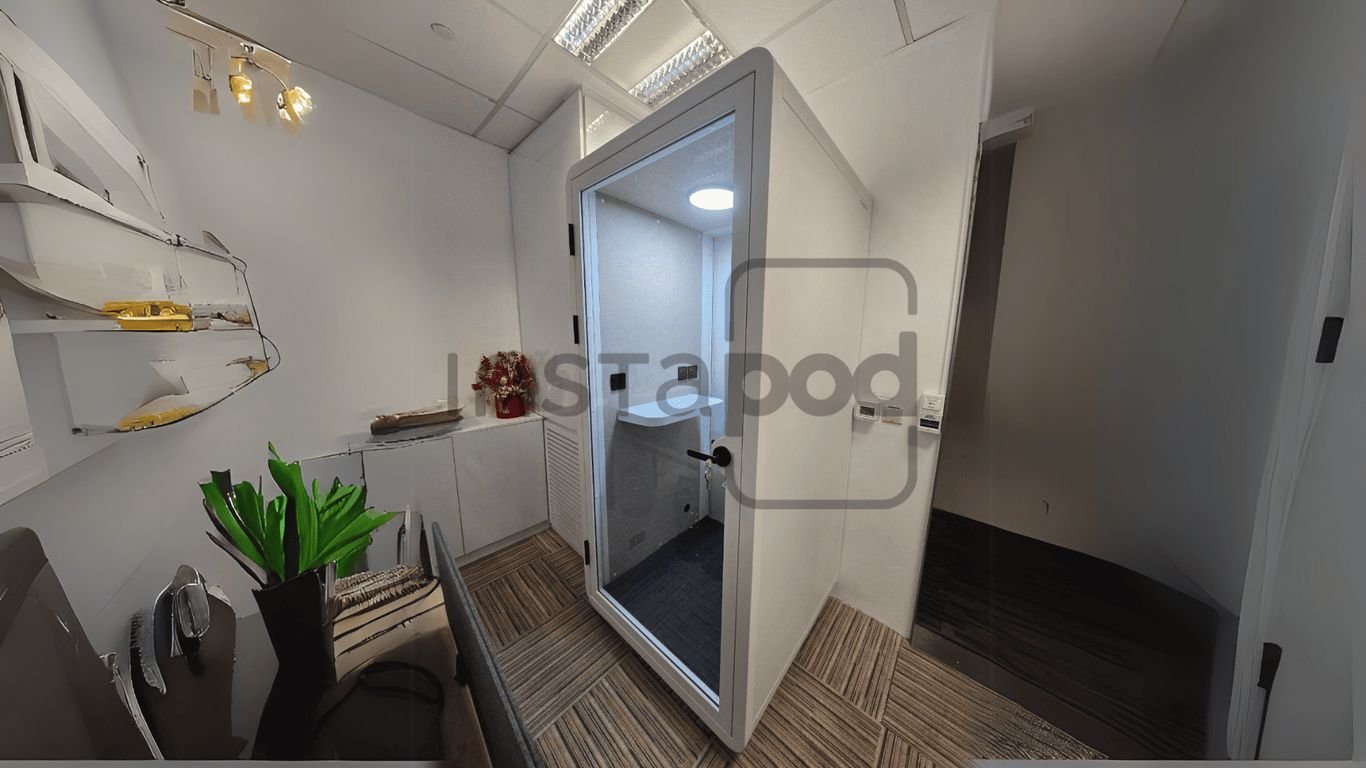
So, you’re thinking about getting some workplace pods for your office. Makes sense, right? Open-plan spaces are great and all, but sometimes you just need a quiet spot or a place for a quick chat without everyone else hearing. Picking the right ones can feel a bit much, though. There are tons of options out there, and you don’t want to end up with something that doesn’t quite fit the bill. Let’s break down what to look for when choosing workplace pods.
Key Takeaways
- Figure out exactly what you’ll use these workplace pods for. Are they for quiet work, calls, or team huddles? This helps decide size and features.
- Think about how many people will use the pods at once. A solo focus booth is different from a small meeting room.
- Noise reduction and good acoustics are super important so people can actually concentrate or have private conversations.
- Consider the materials and how the pods are built. You want them to last and maybe even be moved if your office layout changes.
- Placement matters. Put workplace pods where they make sense for traffic flow and the kind of work being done.
Understanding Your Workplace Pod Needs
Before you even start browsing for those sleek, modern pods, it’s really important to sit down and think about what you actually need them for. It sounds pretty obvious, but it’s easy to get sidetracked by cool designs or the latest tech features without really considering the core purpose. Getting this right from the start saves a lot of hassle later on.
Defining Primary Pod Usage
What’s the main job these pods will be doing? Are they primarily for quick, private phone calls where you just need to block out the general office buzz? Or are they for video conferences where clear audio and a professional-looking background are a must? Maybe they’re intended for focused, heads-down work, meaning you need maximum quiet and minimal interruptions. Or perhaps they’re for small, informal team huddles. Knowing the main use case helps you figure out the features you’ll actually need. For example, a pod built for loud phone calls might have different soundproofing than one meant for silent work. It’s about matching the pod’s function to how your team actually works.
Assessing User Capacity Requirements
How many people do you think will be using a pod at any one time? This is a big one. Some pods are strictly for one person, like a compact phone booth. Others are designed for two people for a quick chat, and some can fit small groups of four or even six for brief meetings. Trying to squeeze too many people into a pod meant for fewer will just make it uncomfortable and defeat the purpose. You don’t want people feeling cramped or unable to move. It’s better to have a few different sizes if your needs vary.
| Pod Type | Typical Capacity | Primary Use Case |
|---|---|---|
| Phone Booth | 1 | Private calls, short virtual meetings |
| Collaboration Pod | 2-4 | Small team discussions, focused pair work |
| Meeting Booth | 4-6 | Brief team meetings, client calls |
Determining Necessary Privacy Levels
Privacy needs can vary quite a bit. For a quick chat with a colleague, you might only need to block out general noise. However, if you’re discussing sensitive client information or conducting a confidential interview, you’ll need a much higher level of soundproofing and visual privacy. Think about:
- Acoustic Insulation: How well does the pod block out external noise? This is often measured by its Noise Reduction Coefficient (NRC) or Sound Transmission Class (STC) rating.
- Visual Barriers: Does the pod offer solid walls, or are there glass panels? If glass, is it frosted or does it have blinds for added privacy?
- Door Seals: A well-sealed door makes a big difference in preventing sound leakage.
Understanding these core needs upfront is the most important step. It prevents you from buying pods that look good but don’t actually solve your office’s specific challenges, saving you time and money in the long run.
Exploring Different Types of Workplace Pods
When you’re looking to add more flexible spaces to your office, picking the right kind of workplace pod is key. It’s not just about getting a box with a door; different pods serve different purposes, and knowing what you need makes all the difference. Think about what activities will happen inside these spaces. Are you trying to give people a quiet spot for focused work, or do you need a place for small teams to hash out ideas? Understanding this will guide you to the right type of pod.
Identifying Suitable Pods for Meetings and Collaboration
For team meetings, brainstorming sessions, or collaborative projects, you’ll want pods designed for groups. These are typically larger, often accommodating anywhere from 4 to 8 people. They usually have more space to move around and might include features like whiteboards or screens. The goal here is to create an environment where ideas can flow freely without disturbing others nearby. Some of these acoustic pods are built with soundproofing in mind, helping to keep conversations contained and the noise level down, which is a big plus for open-plan offices. You can find options that are quite spacious, like pods made for six people that have plenty of room for collaboration.
Choosing Booths for Focused Individual Work
If your team members need a quiet escape to concentrate on tasks, make private calls, or participate in video conferences without interruption, then individual workplace pods are the way to go. These are smaller, usually for one or two people. Their main job is to block out noise and provide a sense of privacy. Think of them as mini, soundproof rooms. They’re perfect for those moments when you just need to get your head down and focus, or when you need to have a sensitive conversation. These booths really help cut down on distractions, making it easier to get work done.
Considering Pods for Relaxation and Recuperation
Beyond work and meetings, some offices are incorporating pods for employee well-being. These might be quieter, more comfortable spaces designed for short breaks, meditation, or just a moment of calm away from the office buzz. While not strictly for work tasks, these relaxation pods can significantly boost morale and productivity by giving employees a chance to recharge. It’s about creating a balanced workspace that supports both intense focus and necessary rest.
| Pod Type | Typical Capacity | Primary Use Case |
|---|---|---|
| Individual Booth | 1-2 people | Focused work, private calls |
| Small Collaboration Pod | 2-4 people | Quick meetings, brainstorming |
| Larger Meeting Pod | 4-8 people | Team meetings, project work |
| Relaxation Pod | 1-2 people | Breaks, quiet contemplation |
Prioritizing Soundproofing and Privacy Features
When you’re looking at office pods, the actual soundproofing and privacy features are pretty important. It’s not just about having an extra room; it’s about making sure that room actually works for what you need it to do. Think about it like buying a car – you wouldn’t just get the first one you see, right? You’d check out the engine, the seats, the sound system. Pods are kind of the same.
Evaluating Acoustic Performance
This is a big one, especially if your office is open plan. You want a pod that actually cuts down on the background chatter and keyboard tapping. Some pods are better than others at this. Look for ones that mention good soundproofing or acoustic materials. It makes a huge difference if you’re trying to have a quiet phone call or just get some deep work done without constant interruptions. A pod that doesn’t block noise is basically just a small, expensive room.
Ensuring Adequate Sound Reduction
So, how do you actually check if a pod is going to be quiet enough? Well, you can look at the materials used. Solid walls and a well-sealed door are good starting points. Some manufacturers will even give you an STC (Sound Transmission Class) rating, which is a number that tells you how well the pod blocks sound. Higher numbers are better. Also, consider if the pod has double-glazed windows, as this can really help cut down on noise coming in.
| Feature | Benefit |
|---|---|
| Solid Wall Panels | Blocks sound transmission effectively |
| Sealed Door | Prevents sound leakage |
| Double-Glazed Glass | Reduces noise from outside |
| Acoustic Insulation | Absorbs sound within the pod |
Selecting Features for Confidentiality
Privacy isn’t just about sound; it’s also visual. Do you need a pod that’s completely enclosed with no visibility from the outside? This is often preferred for sensitive calls or deep concentration. Or is a more open design acceptable, perhaps with frosted glass or partial walls, if the main goal is just to reduce ambient noise and provide a sense of personal space? Consider what kind of work will be done inside and how much visual separation is actually required.
Getting these initial questions answered upfront saves a lot of headaches later. It stops you from buying something that looks good but doesn’t actually solve the problem you’re trying to fix in your office space. It’s like buying shoes – you wouldn’t buy running shoes if you only planned on walking, right? Same idea here.
Here are some things to think about for visual privacy:
- Fully Enclosed: Best for highly confidential calls or deep focus.
- Frosted Glass: Offers privacy while still letting in light.
- Partial Walls/Screens: Provides a sense of separation without complete enclosure.
- Interior Blinds: Adds an extra layer of privacy when needed.
Considering Furniture and Equipment Needs
So, you’ve picked out the perfect pod type and figured out where it’s going. Great! But hold on, a pod isn’t just an empty box. What actually goes inside it is just as important as the shell itself. Think about what people will actually do in there. Is it just for a quick phone call, or will someone be settling in for a few hours of deep work? This makes a big difference in what you need to equip it with.
Assessing Interior Space for Functionality
First off, let’s talk about the inside. Pods come in different sizes, and even within the same size, the layout can vary. You need to make sure there’s enough room for whatever activities you plan for. A pod meant for a quick chat might only need a small perch or even just standing room. But if it’s for focused work or a small team meeting, you’ll want to consider:
- Desk or Table Space: Is there a surface for a laptop, notepad, or coffee cup? Some pods have built-in tables, while others might have space for a small, freestanding unit.
- Seating Arrangements: Will people be sitting for extended periods? If so, you’ll need more than just a basic stool. Think about chairs or benches that are actually comfortable.
- Circulation Room: Even in a small space, people need to be able to move a little. Can someone comfortably get in and out without bumping into things?
It’s easy to get caught up in the pod’s exterior features, but don’t forget the interior. What feels spacious and functional on paper might feel cramped in reality. Always try to visualize people actually using the space with the intended furniture.
Integrating Essential Workstation Elements
Once you know the space works, what tech and tools do people need? This is where you make the pod a truly useful workspace. Consider these:
- Power Outlets and USB Ports: Laptops, phones, tablets – they all need juice. Make sure there are easily accessible charging points. Some pods even offer integrated power strips or wireless charging pads.
- Connectivity: Will people need to plug in an ethernet cable, or is Wi-Fi sufficient? If wired connections are a must, check if the pod supports that.
- Lighting: Is the built-in lighting adequate? Can it be adjusted? Some pods have dimmable LEDs, while others might have space for a small desk lamp. Natural light from windows is a bonus, too.
- Display Options: For meetings or presentations, a small wall-mounted screen or a bracket for a monitor can be a game-changer.
Ensuring Comfortable Seating and Ergonomics
Comfort is key if you want people to actually use the pods. A pod that’s uncomfortable will just sit empty. When looking at seating, think about:
- Ergonomics: Are the chairs or benches designed to support good posture? Adjustable features are a big plus.
- Material: What is the seating made of? Is it breathable, easy to clean, and pleasant to the touch?
- Configuration: Can the seating be arranged in different ways, or is it fixed? Flexibility here can help the pod serve more purposes.
| Feature | For Quick Calls | For Focused Work | For Small Meetings |
|---|---|---|---|
| Basic Seating | Yes | Yes | Yes |
| Comfortable Seating | No | Yes | Yes |
| Small Table | No | Yes | Yes |
| Power Outlets | Yes | Yes | Yes |
| Monitor Mount | No | Maybe | Yes |
Matching Pod Aesthetics to Office Decor
So, you’ve picked out the perfect pods, but now comes the tricky part: fitting them into your existing office space without making it look like a jumbled mess. It’s not just about sticking them anywhere; it’s about making them work with your current layout and overall vibe. Aligning the pod’s style and color to your office decor can make a big difference in how cohesive everything feels.
Aligning Pod Design with Brand Identity
Your office has a look and feel, and your pods should ideally complement that. If your office is modern and minimalist, a brightly colored, overly ornate pod might stick out like a sore thumb. Conversely, if your office has a lot of personality, a bland pod might just get lost. Think about the materials, colors, and overall design of the pods to ensure they fit with your brand and create the atmosphere you want. For instance, if your company branding uses a lot of natural wood tones, opting for pods with wood-grain finishes can create a harmonious look. If your brand is more about vibrant energy, perhaps a pod in a bold, complementary color could work, but it needs to be a deliberate choice.
Selecting Materials and Colors for Cohesion
When choosing pods, consider the materials and colors that will best integrate with your current office environment. Do you have a lot of glass and steel, or are you leaning more towards softer, fabric-based furnishings?
Here’s a quick look at how materials can impact the feel:
- Glass: Offers a modern, open feel, good for visibility but less for privacy.
- Fabric: Provides a softer, more acoustic-friendly surface, often used for comfort and sound absorption.
- Wood/Laminates: Can add warmth and a natural element, fitting well with many design styles.
- Metal: Contributes to a sleek, industrial, or minimalist aesthetic.
Color is just as important. Try to select pod colors that either echo your existing color palette or provide a subtle, pleasing contrast. Avoid jarring combinations that clash with the overall office mood. If you’re looking for a specific solution, like a meeting pod in Malaysia, research suppliers who can offer a range of finishes to match your needs.
Creating a Visually Integrated Workspace
Ultimately, the goal is to make the pods feel like a natural extension of your office, not an afterthought. This means paying attention to the details.
- Consider the pod’s footprint and how it relates to surrounding furniture.
- Think about lighting – do the pods have integrated lighting, or will they rely on ambient office light?
- Ensure any visible wiring or tech components are tidy and unobtrusive.
Making sure your pods look like they belong is about more than just aesthetics; it’s about creating a unified and professional environment where people feel comfortable and productive. It’s about the whole picture, not just one piece.
Strategic Placement within Office Design
So, you’ve got your pods, but where do they actually go? It’s not just about sticking them in any old corner. Think about how people move around your office. You don’t want a pod blocking a main path, right? It’s about making them fit in naturally and work with how your team operates day-to-day.
Optimizing Pod Location for Workflow
When you’re figuring out where to put these new spaces, consider the natural flow of your office. Where do people tend to gather? Where are the quieter zones? Placing a collaboration pod right in the middle of a busy walkway might just annoy people trying to focus inside. On the flip side, putting a quiet work booth way out in a secluded corner means fewer people might even notice it’s there.
- High-traffic areas: Good for quick, informal chats or brief phone calls, but maybe not for deep focus.
- Near existing work zones: Ideal for collaboration pods where teams might naturally want to huddle.
- Away from main thoroughfares: Better for individual focus pods or private calls.
It’s a balancing act. You want the pods to be accessible but not disruptive. Think about the primary use of each pod and place it where that use makes the most sense without getting in the way of others.
Ensuring Accessibility and Traffic Flow
Make sure people can actually get to the pods without a hassle. If a pod is tucked away behind a filing cabinet or requires people to squeeze past desks, it’s less likely to be used. Consider the main routes people take to get coffee, to the restrooms, or to their desks. Your pods should be easy to reach from these common paths.
Here’s a quick check:
| Pod Type | Recommended Placement Zone | Access Considerations |
|---|---|---|
| Collaboration Pod | Open collaboration areas | Clear path, space for small groups to gather around |
| Focus Booth | Quieter office sections | Easy access from workstations, minimal foot traffic nearby |
| Private Call Booth | Near team areas or common zones | Unobstructed entry, visual privacy from main paths |
Integrating Pods into Existing Layouts
Your pods shouldn’t look like an afterthought. Try to match their style and color to your office decor. If your office is modern and clean, a pod with a similar aesthetic will blend in better. If your space has a lot of personality, you might choose a pod that complements that vibe. It’s about making the pods feel like they belong, not like they were just dropped in. Think about how the pod’s footprint interacts with existing furniture and equipment. You don’t want it to create awkward dead spaces or make the room feel cramped. The goal is to make the pods feel like a natural extension of your office environment.
Maximizing Productivity with Workplace Pods
So, you’ve got your work pods, but how do you actually get more done with them? It’s not just about having a quiet spot; it’s about using these spaces smartly. Think of them as productivity boosters, little zones designed to help you and your team really zero in on tasks.
Enhancing Focus and Minimizing Distractions
Let’s face it, open offices can be a bit much sometimes. Constant chatter, phones ringing, people walking by – it all adds up and breaks your concentration. Work pods are like your personal bubble. They’re built to cut down on noise and visual clutter, giving you a clear space to actually think. This quiet allows for deeper concentration, which is a big deal when you’ve got complex tasks or need to really focus on a project. Having a dedicated spot to avoid distractions is a game-changer for getting work done.
Facilitating Collaboration
It’s not all about solo work, though. These pods are also great for getting together with a few colleagues. Whether it’s a quick brainstorm or a more formal meeting, pods offer a contained environment where you can talk without disturbing everyone else. Some pods are set up for small groups, making it easy to share ideas and work through problems together. They can really help teams connect and move projects forward without the usual office noise getting in the way.
Improving Employee Well-being and Comfort
When people feel comfortable and have the space they need, they tend to do better work. Work pods give employees a choice – they can find a quiet spot when they need to concentrate or a small, private area for a quick chat. This flexibility means people can manage their workday better, reducing stress and making them feel more valued. It’s about creating a workspace that supports different needs, which ultimately leads to happier, more productive staff.
Here’s how pods contribute:
- Reduced Distractions: Acoustic features block out ambient noise.
- Private Communication: Ideal for sensitive calls or confidential discussions.
- Dedicated Work Zones: Creates clear boundaries for focused tasks.
- Team Huddles: Provides a contained space for quick, informal meetings.
The right work pods can transform how your team operates. They offer a practical solution for balancing the need for quiet, individual focus with the desire for effective team interaction, all within a busy office setting. This adaptability means employees can choose the environment that best suits their current task, leading to better output and a more positive work experience.
Wrapping Up Your Pod Search
So, picking the right office pod might seem like a lot, but it really comes down to what your team needs. Think about whether you need quiet spots for solo work, or bigger spaces for group chats. Don’t forget about things like noise reduction and how much privacy you’re aiming for. And remember, these pods can be put in pretty quickly, saving you time and hassle compared to building out new rooms. By taking a little time to figure out the best fit, you can really make your office a more productive and comfortable place for everyone.
Frequently Asked Questions
How do I know which type of office pod my team needs?
Think about what your team will do in the pods most often. Will they be for quiet work, taking calls, or quick team chats? Knowing this will help you pick the right size and features. For example, a pod for focused work needs good sound blocking, while a meeting pod might need a table and space for a few people.
Why are office pods becoming so popular?
Pods are popular because they can be set up very quickly, sometimes in just a few hours. This is much faster than building new rooms. It saves time and money, and lets your team get back to work without a long disruption.
Can I move office pods if my office layout changes?
Yes, many pods are designed to be moved. Some have wheels, or they can be taken apart and put back together easily. This means you can move them if your office layout changes or if you relocate to a new space.
What should I look for to make sure a pod is quiet and comfortable?
When choosing a pod, check how well it blocks noise. Good pods have special walls and materials that help keep sounds out. Also, see if the pod has comfy seats and good airflow to make it a pleasant place to be.
How can pods help my office be more productive and make employees happier?
Pods give employees options. They can find a quiet spot to concentrate or a small, private area for a chat. This flexibility helps people manage their day better, reduces stress, and makes them feel more valued. It creates a workspace that supports different needs, leading to happier, more productive staff.
What’s the difference between pods for meetings and pods for quiet work?
Pods for meetings are usually bigger and can fit a few people, often with a table or space for a screen. They are designed for group discussions. Pods for quiet work are smaller, often for one person, and are built to block out as much noise as possible for deep concentration or private calls.


