
No pods added to your quote request yet. Add some now for a free quote!
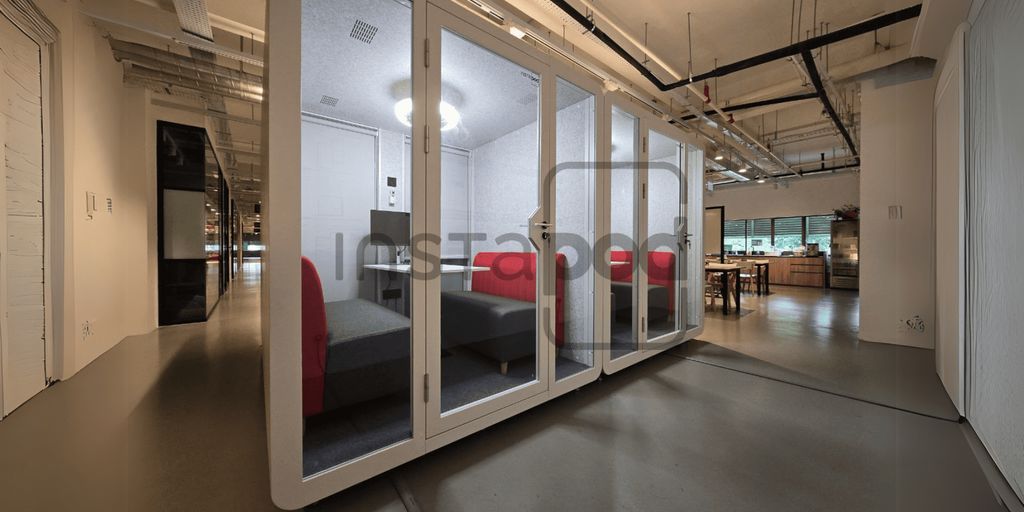
Open-plan offices are great for collaboration, but let’s be honest, they can be a bit much sometimes. Trying to have a private call or focus on a task when there’s constant chatter can be a real drag. That’s where the modern office phone booth swoops in. These aren’t your grandpa’s dusty phone boxes; they’re sleek, soundproof spaces designed to give you a bit of peace in the middle of the hustle. If you’re thinking about adding one to your office, here’s what you should know about finding the right portable phone booth.
Key Takeaways
- When looking for a portable phone booth, think about how easy it actually is to move. Some need to be taken apart, while others are just too heavy to budge without help.
- Consider the size options available. You can find booths for one person or larger ones for small groups, which is handy for private meetings.
- Good ventilation and easy access to power outlets and USB ports are important for making the booth comfortable and functional for longer calls or work sessions.
- Check the assembly process and the seller’s return policy before buying, just in case the booth doesn’t quite work out in your space.
- Adding these booths can really help your team focus better, feel more comfortable, and make your office layout more adaptable to future changes.
Assessing Your Office Phone Booth Needs
Before you start looking at all the cool designs and fancy features, it’s really important to figure out what you actually need a phone booth for. It’s not just about getting a quiet spot; it’s about making sure it fits your office and your team’s habits. Think of it like buying a chair – you wouldn’t get a giant executive chair if you’re just going to use it for five minutes a day, right? Same idea here.
Determine Occupancy Capacity Options
So, how many people are going to squeeze into this thing? Most booths are built for one person, which is perfect for those private calls where you don’t want anyone overhearing your chat with your mom or your doctor. But what if your team needs a place for a quick huddle, like a mini-meeting or a quick brainstorm session? In that case, you’ll want to check out booths that are designed for two, maybe even three people. Some of the bigger pods can actually fit up to six people, which is pretty neat if you need a small meeting space that isn’t a full conference room. Really, just think about how your team usually works. Is it mostly solo calls, or will this booth become a little meeting hub?
Evaluate Door Styles and Footprint
The way a door opens can make a big difference in where you can put the booth. A standard door that swings open needs extra space to swing out. If your office is a bit cramped, a sliding door or a folding door might be a better choice because they don’t need as much room. Some companies even offer doors that are mostly glass. This can make the booth feel less like a box and let more natural light into the space. Just keep in mind that some of the lighter doors might not block sound as well as heavier ones, so it’s a bit of a trade-off. Picking the right door style can really affect how you can position the booth in your office.
Consider Internal Space for Work
Once you’ve got the outside figured out, think about what’s going on inside. Is it just a place to stand and talk, or will people actually be doing a bit of work in there? Some booths come with small desks or shelves, which are great for setting down a laptop or a notebook. Others are just open space. If your team plans to use these for more than just quick calls, like maybe taking notes during a video conference or quickly catching up on emails, having a bit of internal workspace can make a big difference. It turns a simple booth into a more functional mini-workspace, which is pretty handy.
It’s easy to get caught up in the bells and whistles, but the most important thing is that the booth actually solves the problem you’re trying to fix. If you need quiet for calls, make sure it’s quiet. If you need a small meeting space, make sure it’s big enough for that.
Prioritizing Soundproofing and Acoustics
When you’re looking at office phone booths, the soundproofing is probably one of the biggest things you’ll care about. Nobody wants to be on an important call and have Brenda from accounting’s loud typing or the constant whir of the coffee machine bleeding into their conversation. A good soundproof pod creates a quiet zone, keeping your discussions private and blocking out the office hubbub. It’s not just about privacy, though; it’s also about letting people actually concentrate without constant distractions. We’re talking about materials and construction that really absorb sound, not just some flimsy partition that looks like it might help.
Evaluate Noise Reduction Ratings
When you’re shopping around, check out the Noise Reduction Ratings (NRR) for the pods. A higher NRR number means the booth is better at stopping outside noise from getting in. It’s a pretty straightforward way to compare how well different booths will perform in a noisy office environment. Think of it like insulation for your sound – the more, the better.
Ensure Sealed Construction for Sound Containment
Beyond just the materials, how the booth is put together matters a lot for soundproofing. You want to look for booths that have sealed construction. This means the doors fit snugly, there are no obvious gaps in the panels, and everything is designed to keep sound from escaping or entering. It’s like making sure a room is airtight; any little crack can let noise sneak through. This sealed design is key to keeping conversations private and the outside world out.
Assess Ventilation Without Compromising Soundproofing
Now, you need a booth to be well-ventilated so it doesn’t get stuffy, especially if someone’s in there for a while. But here’s the tricky part: ventilation systems can sometimes be a weak spot for soundproofing. You need to find booths that have quiet ventilation fans and well-designed airflow systems. These should keep the air circulating without letting any noise in or out. It’s a balance, for sure, but a good soundproof pod will have figured this out.
Enhancing Comfort and Functionality
Look for Ergonomic Interior Features
When you’re picking out a phone booth, don’t forget about what’s actually inside. You want it to be a comfortable place to spend a bit of time, not just a box to hide in. Think about the seating – is it something you can actually sit in for a while without getting stiff? Some booths come with built-in benches or stools, and the comfort level can really vary. If your team will be using these for longer calls or focused work, having a decent place to sit is a must. Also, consider the overall space. Can you comfortably use a laptop, maybe spread out some papers, or do you feel cramped? Some booths offer options for a small work surface or even a fold-down desk, which can make a big difference for productivity.
Integrate Lighting and Air Circulation
Nobody likes working in a stuffy, dark space. Good lighting and fresh air are super important for making a phone booth a pleasant place to be. Most modern booths come with built-in ventilation systems, which is great. It keeps the air moving so it doesn’t feel stale. Some even have fans you can control, which is a nice touch. For lighting, look for options that are bright enough to work by but also maybe have a dimmer. You don’t want harsh lights glaring down on you. Adjustable lighting means people can set it to what works best for them, whether they’re on a video call or just need to read something.
Prioritize Technology Integration and Power Access
This is a big one. If people are going into these booths to actually get work done, they need the right tools. That means easy access to power outlets for laptops and chargers, and ideally, USB ports too for phones and tablets. Having a stable internet connection is also key, especially for video calls. Some booths offer Ethernet ports, which is way better than relying on spotty Wi-Fi. It’s the little things like having enough power and a good connection that make these booths truly useful, rather than just a place to sit.
Making sure the interior is set up for actual work, not just a quick call, is what separates a good booth from a great one. It’s about creating a functional mini-workspace.
Design and Aesthetic Considerations for Pods
When you’re looking at office pods, especially those intended for meeting spaces or private calls, how they look really does matter. Since these pods often sit in open-plan areas, they become a visible part of your office’s overall vibe. You’ll find them in all sorts of styles, from super minimalist and sleek to ones that are a bit more colorful and bold. It’s about picking something that fits with your existing office decor, you know? The right design can actually add a nice touch to your workspace, making it feel more put-together. It’s a balance between making sure the pod is functional and also that it doesn’t look out of place. You want something that feels inviting and professional, not like an eyesore that disrupts the flow.
Align Booth Design with Office Decor
Think about your current office aesthetic. Is it modern and clean, or more traditional and warm? Many pods come in a range of finishes and colors, so you can often find something that matches your existing furniture and branding. Some companies even offer customisation options, which is great if you have a very specific look in mind. Choosing a pod that complements your office decor can make it feel like a natural extension of your workspace, rather than an afterthought.
Choose Finishes for a Welcoming Feel
The materials and finishes used both inside and outside the pod play a big role in how it feels. Do you want a cozy, fabric-lined interior for longer meetings, or a more durable, easy-to-clean surface for frequent use? Consider how the exterior finish will look in your office space – will it blend in or stand out? Think about things like:
- Exterior Cladding: Options can range from wood veneers and laminates to painted finishes and even fabric panels.
- Interior Upholstery: Fabric choices can affect acoustics and comfort. Wool blends, for example, can offer good sound absorption.
- Work Surfaces: If your pod includes a desk, consider the material and finish for durability and appearance.
The goal is to create a space that feels comfortable and professional, encouraging people to use it effectively for focused work or important pods meeting.
Select Booths That Complement Your Layout
Consider the size and shape of the pods in relation to your office layout. A large, bulky pod might overwhelm a smaller space, while a very small pod might get lost in a vast open area. Think about how the pod will fit into the existing traffic flow of your office. Will it block pathways? Does its placement make sense for the type of work it will be used for? Some pods are designed to be more compact and unobtrusive, while others are larger and more statement-making. It’s about finding that sweet spot where the pod adds value without disrupting the overall functionality of your office.
Evaluating Portability and Installation
When you’re looking at phone booths, the ‘portability’ part is pretty key, right? But not all booths are created equal when it comes to moving them around. Some are designed to be picked up and shifted with relative ease, maybe even on wheels, while others are more like mini-buildings that need a bit of effort, or even professional help, to relocate. It’s really about understanding the actual process of moving it before you buy.
Assess Ease of Relocation and Assembly
Think about how often you might need to shuffle things around. If your office layout changes frequently, or if you’re planning for future moves, a booth that can be easily disassembled and reassembled, or one that’s built on a sturdy base with casters, is going to be a lifesaver. Some booths are practically furniture, while others are more like modular structures. You don’t want to get stuck with something that’s a nightmare to move when you just need to shift it a few feet to make space for a new desk. Moving a phone booth shouldn’t feel like a major construction project. If it does, it’s probably not the right kind of portable for your office. Also, consider the assembly process itself. If it requires specialized tools or a lot of fiddly bits, moving it becomes a much bigger project. Look for booths that are designed for straightforward assembly, maybe even tool-free options, if you anticipate frequent repositioning.
Understand Installation Services Offered
First off, let’s talk about putting these things together. Some companies make it super simple, almost like adult LEGOs, while others… well, let’s just say you might need a degree in engineering and a team of people. You’ll want to ask about how many folks are needed for assembly, what tools are involved, and how long the whole process is expected to take. Also, consider if the assembly itself will be noisy and disruptive to your current office setup. Understanding the assembly process upfront can save you a lot of headaches later. Some vendors include full installation, which can be a real lifesaver if you’re not keen on DIY projects. It’s worth checking out what phone booth office pods offer in terms of installation services.
Consider Trial Periods and Return Policies
Even with the best research, sometimes things just don’t work out as planned once a product is actually in your space. It’s a good idea to see if the vendor offers a trial period. This gives you a chance to really test out the booth in your actual office environment. You can check things like the soundproofing, see if the Wi-Fi is reliable enough for video calls, and even test how easy it is to move if you decide to rearrange your office layout. Knowing the return policy beforehand is smart, just in case the booths don’t meet your expectations or cause unforeseen issues.
Choosing the Right Phone Booth Office Pod
So, you’ve decided that a phone pod is the way to go for your office. That’s great! But before you hit that ‘buy’ button, there are a few things you’ll want to think about regarding getting them set up and making the purchase itself. It’s not just about picking the prettiest one, you know.
Identify Primary Pod Usage Scenarios
Think about how your team will actually use these office telephone booths. Are they mainly for quick, private phone calls? Or will people use them for focused work sessions, video conferences, or even small, impromptu team huddles? Knowing the primary use case helps you narrow down the size and features you’ll need. For instance, a booth primarily for calls might just need a small stool and a power outlet, while one for focused work might benefit from a small desk and better lighting.
Select Booths That Grow With Your Business
Offices change, and your needs might too. Consider if the phone pods you’re looking at can adapt. Can you easily add more booths if your team expands? Are there different configurations or add-on features available down the line? Choosing a flexible solution means you won’t have to replace your entire setup if your company grows or your office layout shifts. It’s about making a smart investment that can keep up.
Compare Modular vs. Built-in Solutions
When you’re looking at phone booth office pods, you’ll see a range of options. Some are modular, meaning they can be easily assembled, disassembled, and moved around. These are great if you anticipate needing to rearrange your office space or if you’re in a rented space. Others are more like permanent fixtures, requiring more involved installation. Think about your lease terms, your office’s flexibility, and how much disruption you’re willing to tolerate during setup. Modular phone pods often offer the best balance of privacy, soundproofing, and adaptability for most modern workplaces.
Don’t get so caught up in the bells and whistles that you forget the basics. A phone booth needs to be quiet, comfortable, and functional for its intended purpose. Everything else is secondary.
Wrapping Up Your Pod Search
So, you’ve looked at all the different aspects of picking out a phone booth or office pod. It really comes down to what your team actually needs day-to-day. Think about how many people will use them, if they need to be moved around easily, and what kind of vibe you’re going for with the design. Don’t forget to check out how they’re put together and if they have things like power outlets. Getting the right pod can make a big difference in how people work and feel in the office. It’s about creating those little pockets of quiet or private space that make a busy open office actually work better for everyone.
Frequently Asked Questions
How do I figure out the right size for my office phone booth?
Think about how many people will use the booth. Most are for one person for private calls. If you need space for a quick chat or a small meeting, look for booths made for two or even three people. Some larger ones can fit up to six, acting like a mini-meeting room.
What should I look for to ensure good soundproofing?
The main reason for phone booths is to block out noise. Look for booths with good soundproofing ratings. Make sure the doors and walls seal well to keep sound in and out. Also, check that the air system is quiet so it doesn’t let noise through.
What features make a phone booth comfortable and useful?
Comfort makes a big difference. Check if the booth has comfy seating, a place to put your laptop or notes, good lighting, and fresh air circulation. These things help you focus and work better, especially if you’ll be in the booth for a while.
How do I choose a phone booth that fits my office’s look?
The look of the booth matters because it becomes part of your office’s style. Pick a design and colors that match your office’s decor. You want it to look nice and inviting, not out of place.
How easy is it to move or install an office phone booth?
Moving a booth shouldn’t be a huge hassle. Some booths are easy to move, maybe even on wheels, while others are heavy and need professional help. Check how easy it is to move or rebuild the booth before you buy.
What’s the best way to decide which phone booth is right for my office?
Consider what you’ll mainly use the booth for – private calls, video meetings, or focused work. This helps you choose the best size and features. Also, think about whether you need a booth that can be moved easily later on, or if a more permanent one is okay.


