
No pods added to your quote request yet. Add some now for a free quote!
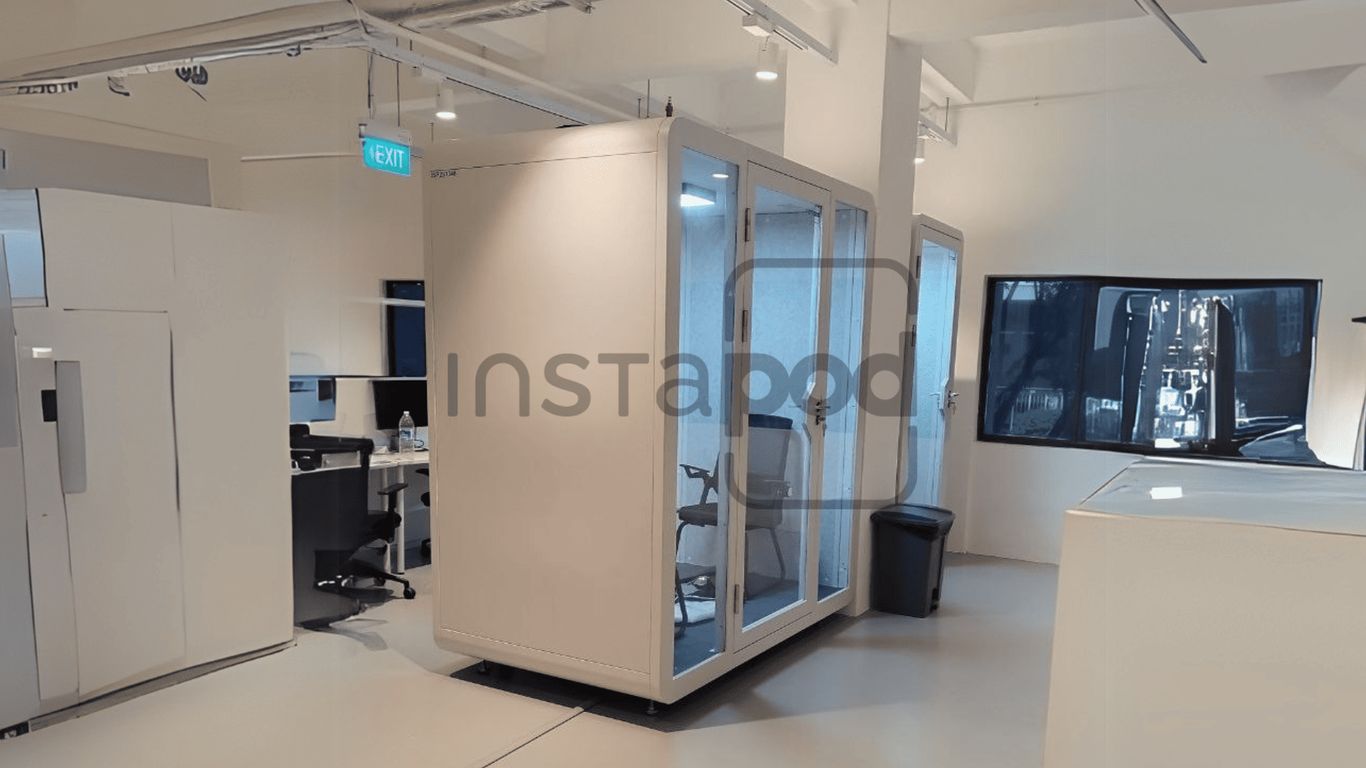
So, you’re thinking about adding a discussion pod to your office. That’s a pretty smart move, especially with how offices are set up these days. It can feel like a big decision, but it’s really about figuring out what your team actually needs. We’re going to break down what these pods are, the different kinds you can get, and what to look for so you make a choice that works for everyone. Let’s get into it.
Key Takeaways
- A discussion pod is basically a small, enclosed space you can put in your office to get away from noise and distractions.
- There are different types: single pods for one person, double pods for two, and larger meeting pods for small groups.
- Good soundproofing is super important so conversations stay private and outside noise stays out.
- Think about where you’ll put the pod in your office layout so it’s easy to get to but doesn’t block anything.
- When picking a pod, focus on comfort, good ventilation, and how long it will last, not just how it looks.
Understanding The Versatile Discussion Pod
Defining The Purpose Of A Discussion Pod
So, what exactly is a discussion pod? Think of it as a pre-fab, mini-room you can slot right into your existing office space. It’s a self-contained unit designed to give people a bit of quiet and privacy, which, let’s be honest, can be hard to find in a busy open-plan setup. These things are popping up everywhere because while open offices are great for bumping into people and sharing ideas, they’re not always ideal when you need to actually concentrate or have a chat without the whole floor listening in. A discussion pod offers a way to get the best of both worlds – the buzz of the office, but with an escape hatch for focus.
The main reason these pods exist is pretty straightforward: to create a dedicated spot for focused work or private conversations. Open offices can get pretty loud, and it’s tough to get deep work done or have a sensitive call when there’s constant background noise. Pods act like a sound buffer, cutting down on distractions so you can actually get things done. They also give you that much-needed sense of privacy. It’s like having your own little quiet zone, a personal bubble where you can think, talk, or just decompress for a bit.
These pods are a practical solution for making an office environment more functional for a wider range of tasks and personal needs.
Key Features Of A Discussion Pod
While they come in different shapes and sizes, most discussion pods share a few common traits that make them work. These features combine to create a functional space that supports different work styles.
- Sound Dampening: Good pods are built with materials that absorb sound, stopping conversations from leaking out and outside noise from getting in.
- Ventilation System: Nobody wants to feel stuffy. Most pods have a built-in fan or vent to keep the air fresh.
- Integrated Lighting: Usually, you’ll find some form of lighting, often LED, to make the space usable without relying on the general office lights.
- Power Outlets/USB Ports: To keep your devices charged, pods often include accessible power sources.
- Comfortable Seating: Whether it’s a single chair or a bench for two, the seating is designed for reasonable comfort during short to medium-length uses.
Exploring Different Discussion Pod Types
So, you’re looking into discussion pods, and maybe you’re wondering if they’re all the same. Nope, not at all! Think of them like different tools in a toolbox; each one is built for a specific job. Picking the right kind can make a big difference in how your team actually uses them. Let’s break down the main types you’ll find.
Single Discussion Pods For Individual Focus
These are your personal quiet zones. If someone on your team needs to really buckle down on a task that requires zero distractions – like writing a report, coding, or just deep thinking – a single pod is the way to go. It’s basically a small, enclosed space designed for one person. They usually come with a comfortable chair and a small surface, maybe just enough room for a laptop. It’s like having your own little office within the larger office. They’re great for those moments when you need to block out the world and just get stuff done without anyone interrupting or the general office buzz getting in the way. I’ve seen people use these for important phone calls too, where they need to speak freely without worrying about who might overhear.
Double Discussion Pods For Pair Collaboration
Got a dynamic duo working on a project? Or maybe two people need to have a quick, private chat without booking a whole room? That’s where double discussion pods shine. These are built for two people, offering a bit more space than the single pods. They typically have two seats and a small table, making it easy for two colleagues to share ideas, review something together, or just have a focused conversation. They strike a nice balance – not as isolating as a single pod, but still providing a good level of privacy and a dedicated space away from the main office hustle. It’s perfect for those quick, informal brainstorming sessions or one-on-one check-ins.
Meeting Discussion Pods For Small Teams
When a whole group needs to huddle up, but a full conference room feels like overkill, the meeting discussion pod is the answer. These are essentially compact, enclosed meeting spaces designed for three to four people. They often include a small table and seating, providing a more formal yet still intimate setting for team discussions, project planning, or client presentations. They offer a soundproof environment, so sensitive information can be discussed freely without worry. Think of them as mini-meeting rooms that can be placed almost anywhere, offering flexibility and privacy for small group work.
Choosing the right pod type is less about the pod itself and more about understanding the specific activities your team engages in daily. Matching the pod’s capacity and purpose to these activities is key to making it a useful addition to your office.
Essential Features For Your Discussion Pod
When you’re looking at discussion pods, it’s easy to get caught up in the style or the size, but what really matters are the features that make them actually useful. You want a space that works, not just one that looks good. Let’s break down what to really pay attention to.
Superior Soundproofing and Acoustics
This is probably the biggest reason people want these pods in the first place. If you’re in a busy open office, you need a place where you can actually hear yourself think, or have a private conversation without the whole department chiming in. Good soundproofing means outside noise stays out, and your conversations stay in. It’s not just about silence, though. The acoustics inside matter too. You don’t want a tinny echo chamber where it’s hard to understand what anyone is saying. Look for materials that absorb sound, making it clear and easy to talk.
Comfortable Seating and Ergonomic Design
Nobody wants to sit in a cramped, uncomfortable chair for even a short chat. If the seating is bad, people will just avoid using the pod. Make sure there are decent chairs that offer some back support. It’s also about the overall feel – is there enough room to move a bit? Is the table at a good height for working on a laptop or just taking notes? A pod should feel like a functional mini-workspace, not a penalty box.
Adequate Ventilation and Lighting
Work today means being plugged in. Your discussion pod needs to keep up. This means having easy access to power outlets for laptops and phones. USB ports are a big plus too. For pods specifically designed for calls, like pods for phone conversations, reliable power is a must. Some pods even come with small screens or whiteboards, which can be handy for quick, impromptu team huddles or sharing ideas on the fly. Having these things built-in saves a lot of hassle with cables and makes the pod ready to go when you need it.
A well-designed discussion pod isn’t just a box with walls; it’s a tool that helps people get their work done more effectively. Paying attention to these details makes a big difference in how much people actually use and appreciate the space.
Here’s a quick checklist:
- Sound Insulation: How well does it block outside noise?
- Internal Acoustics: Is the sound clear inside?
- Seating Comfort: Is the chair supportive for longer periods?
- Workspace Surface: Is there enough room for a laptop and notes?
- Power Access: Are outlets and USB ports readily available?
- Airflow: Does the pod feel stuffy or well-ventilated?
- Lighting: Is the light sufficient and not harsh?
Integrating Discussion Pods Into Office Layouts
So, you’ve decided that adding some discussion pods, or maybe even some smaller phone booths, is the way to go for your office. That’s a smart move, especially with how offices are changing these days. But just buying them isn’t the whole story; you’ve got to figure out where they’ll actually go and how they’ll fit in. It’s not just about sticking them anywhere; it’s about making them work with your existing space and how people move around.
Considering Office Space and Layout
First off, take a good look at your current office setup. Open-plan spaces are popular, sure, but they can get pretty noisy. These pods, sometimes called workpods, are a fantastic way to carve out private spots without needing to put up new walls. It’s about making them a natural part of the office, not some awkward afterthought. Think about the natural flow of your office. Where do people tend to hang out? Where are the quieter zones? You don’t want to plop a pod right in the middle of a busy walkway, turning it into a traffic jam or a noisy hangout. Instead, try to place them near areas where someone might need a quick, private chat or a moment to really focus. Making sure your discussion pods blend in means thinking about how they’ll be used and where they’ll have the least impact on daily operations while providing the most benefit to employees.
Strategic Placement for Optimal Use
Now, where do these pods actually end up? It really depends on what you want them for. If the main goal is to give people a quiet place to concentrate, you’ll want to tuck them away from the main hustle and bustle. Maybe near a quieter corner or a less-trafficked part of the office. On the other hand, if you’re aiming for them to be used for quick, impromptu chats, putting them closer to team areas or common spaces might make more sense. It’s a bit of a balancing act. You want them accessible, but not disruptive.
Here’s a quick guide to placement ideas:
- For Focused Work: Place pods in quieter zones, away from main walkways and noisy equipment.
- For Quick Chats: Position pods near team areas or collaboration zones, but not so close they add to the noise.
- For Private Calls: Consider placing them near individual workstations or in areas where privacy is a concern.
Think of your office layout like a neighborhood. You have busy main streets, quiet residential areas, and community hubs. Your discussion pods should be placed thoughtfully within these zones to serve their intended purpose without disrupting the overall feel.
When choosing, consider the exterior and interior finishes to match your office aesthetic. Some common options include:
| Pod Feature | Common Options |
|---|---|
| Exterior Finish | White, Grey, Wood Veneer, Black, Custom Colors |
| Interior Upholstery | Fabric (various colors), Faux Leather |
| Lighting | LED (standard, dimmable), Natural Light Panels |
| Flooring | Carpet Tile, Vinyl, Rubber |
This attention to detail, much like finding the right phone booth malaysia, helps create a cohesive and functional workspace. Some companies in Malaysia have done a really nice job of integrating these pods, making them look like they were always meant to be there.
Making A Smart Discussion Pod Investment
Prioritizing Durability and Long-Term Value
When you’re looking at discussion pods, it’s easy to get caught up in the price tag. But honestly, the cheapest option isn’t always the best deal in the long run. Think about it – you want something that’s going to last, right? A pod that wobbles or falls apart after a year or two is just going to be a headache and cost you more to replace. So, really look at how they’re built. Are the materials solid? Does the door close smoothly? These little things add up to a product that won’t let you down when your team needs it most.
Assessing Your Team’s Specific Needs
Before you even start browsing, take a moment to really think about what your team actually does. What kind of work do they do? How many people usually need a quiet space at the same time? Answering these questions will point you in the right direction.
Here are a few things to consider:
- Focus Needs: Does your team spend a lot of time on tasks that require deep concentration, like coding or writing?
- Collaboration Style: Do people often need to have quick, private chats or brainstorm in pairs?
- Meeting Frequency: How often do small groups need a dedicated space for informal discussions?
- Noise Levels: How noisy is your current office environment? This will tell you how much soundproofing you really need.
Making a choice that fits your team’s actual workflow is way more important than just picking the pod that looks the coolest. A pod that’s used constantly because it’s the right fit is a much better investment than one that sits empty because it doesn’t serve a real purpose.
Let’s say you have a lot of developers who need to code without interruption. You’ll probably want more single pods with good sound dampening. If your sales team does a lot of client calls, maybe a few double pods would be better, giving them a private space to talk without the whole office hearing. It’s all about matching the pod to the job it needs to do.
Wrapping It Up
So, picking out the right discussion pod might seem like a big deal, but it’s really about thinking through what your team actually needs. Do they need a quiet spot for calls? A place for quick chats? Or maybe a small meeting room? Once you figure that out, the rest gets a lot easier. These pods can really change how your office feels, making it a better place for everyone to get stuff done. It’s all about finding that good mix of privacy and teamwork, and a well-chosen pod can totally help with that. By carefully considering your team’s needs and your office space, you can make a smart choice that benefits everyone for a long time.
Frequently Asked Questions
What exactly is a discussion pod?
Think of a discussion pod as a small, quiet room you can put right inside your bigger office. It’s like a personal bubble that helps you get away from all the noise. This way, you can focus on your work, have a private chat, or make a call without bothering anyone else or being bothered yourself.
Are there different kinds of discussion pods?
Yes, there are! Some pods are just big enough for one person who needs to focus deeply or take a quiet phone call. Others are made for two people to team up and chat. And then there are bigger ones, like mini meeting rooms, where a small group can get together for discussions or quick team huddles.
Why would my office need discussion pods?
Discussion pods are great for making your office a better place to work. They help cut down on distractions, meaning people can focus more and get more done. They also give everyone a private space when they need it, making people feel more comfortable and satisfied at work. Plus, they’re way easier to set up than building a whole new room!
What’s the most important thing to look for in a discussion pod?
The number one thing is good soundproofing. You want to make sure conversations inside can’t be heard outside, and that outside noise stays out. Good airflow is also super important so it doesn’t get stuffy. And, of course, comfy seats are a must for anyone using it!
How do I pick the right pod for my office?
First, think about what your team will use the pod for most. Is it for one person to focus, two people to collaborate, or a small group to meet? Also, consider how much space you have and how the pod will look with the rest of your office design. Getting feedback from your team can help too!
Can discussion pods help with employee happiness?
Absolutely! When employees have quiet, private spaces where they can work without distractions or have important conversations, they tend to feel less stressed and more valued. This can lead to them being happier at work and more productive overall. It shows the company cares about their well-being.


