
No pods added to your quote request yet. Add some now for a free quote!
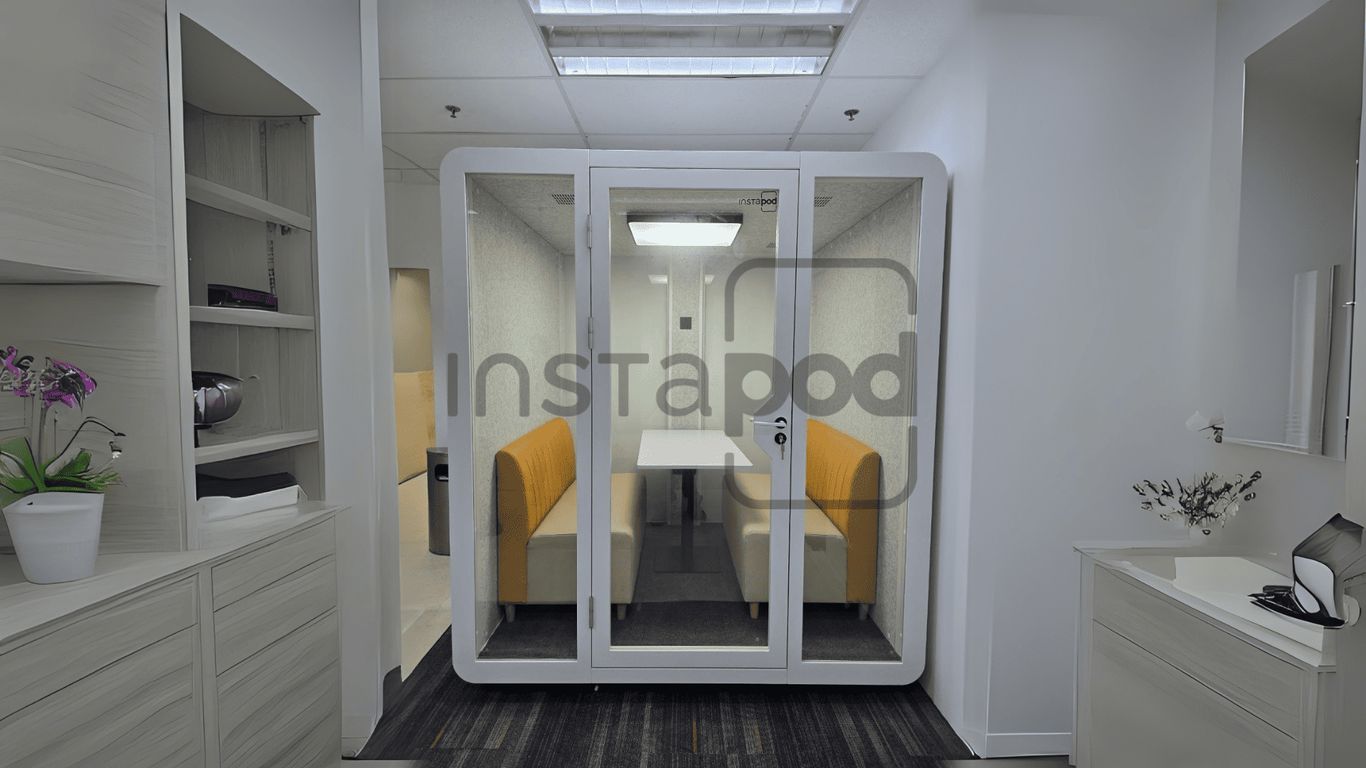
Brainstorming sessions are where great ideas often spark, but in a busy office, finding a quiet spot can be tough. That’s where a phone pod comes in handy. These little spaces are designed to give you and your team a break from the noise, helping everyone focus and share their thoughts without interruptions. Whether it’s a quick chat or a full-on idea-generating session, a phone pod can really make a difference in how productive your team is.
Key Takeaways
- A phone pod offers a private, quiet space to boost focus and creativity during brainstorming.
- Choosing the right phone pod means looking at how many people will use it and what features are needed.
- Setting up a pod environment with good lighting and airflow makes it more comfortable and productive.
- Different types of pods exist, from solo booths for individual calls to larger ones for group brainstorming.
- Placing phone pods strategically in the office helps people access them easily without causing disruption.
Maximizing Brainstorming With A Phone Pod
So, you’ve got a team ready to cook up some brilliant ideas, but the usual office buzz is making it tough to get into the zone. That’s where a phone pod, or a small meeting pod, really shines. These aren’t just fancy little rooms; they’re designed to be idea incubators. They offer a dedicated, quiet space that cuts out the noise and lets creativity flow. Think of it as a mini-retreat for your brain, right there in the office.
Encouraging Creative Idea Generation
When you’re trying to come up with something new, distractions are the enemy. A pod provides a sanctuary from the constant pings and chatter of an open office. Inside, it’s just your team and your thoughts. This focused environment makes it easier to explore different angles, build on each other’s suggestions, and really let those ‘aha!’ moments happen without interruption. It’s about giving your team the mental space they need to think outside the box.
Minimizing Disruptive Office Noise
Let’s be real, open-plan offices can be loud. Phone calls, keyboard clatter, impromptu chats – it all adds up. A good quality pod is built with soundproofing in mind. This means your brainstorming session won’t be drowned out by office noise, and more importantly, your session won’t disturb others who are trying to concentrate. It creates a bubble of calm where ideas can be discussed freely and without adding to the general din.
Promoting Seamless Team Collaboration
Pods aren’t just for solo work. They’re fantastic for small teams looking to collaborate. Having a designated spot means you can gather your group, spread out any notes or whiteboards (if available), and really dig into the task at hand. It makes the collaboration feel more intentional and productive. Plus, the enclosed space can make people feel more comfortable sharing even half-baked ideas, which are often the ones that lead to the best breakthroughs.
The key is creating an environment where people feel comfortable and have the tools they need to share and develop ideas. It’s about making collaboration feel natural and productive, not like a chore.
Here’s a quick look at how different pod sizes can help:
- Solo Pods: Great for one person to jot down initial thoughts or prepare for a group session. Think of it as a pre-brainstorming warm-up space.
- Two-Seater Pods: Perfect for pairs to bounce ideas off each other, refine concepts, or conduct quick, focused discussions.
- Small Group Pods (4-6 people): The sweet spot for most brainstorming sessions, offering enough space for a small team to interact comfortably and visually share ideas.
Choosing The Ideal Phone Pod For Your Team
So, you’ve decided that getting some phone pods is a good idea for the office. That’s great! But before you go clicking ‘buy’ on the first one you see, let’s talk about picking the right one. It’s not just about how it looks, though that’s part of it. You really need to think about what your team actually needs these pods for.
Assessing Specific Brainstorming Requirements
First things first, what problems are you trying to solve with these pods? Are people constantly complaining about the noise when they’re on a call? Do teams need a quiet spot to hash out ideas without bothering everyone else? Or maybe you just need a few places for people to get some serious, uninterrupted work done. Figuring this out will really help narrow down your choices. Think about how many people will typically use a pod at any one time. Is it mostly for one person making a quick call, or are you expecting small groups to gather?
It’s about making collaboration feel natural and productive, not like a chore. The goal is to create an environment that feels inviting and functional. When people feel comfortable and have the tools they need, they’re more likely to engage, share ideas, and work effectively together.
Considering Size And Seating Capacity
This is where things get practical. How many people do you realistically see using the pod at once? A small, solo pod is obviously much smaller than one designed for four or five people. You don’t want people crammed in like sardines, but you also don’t want a giant pod taking up valuable floor space if it’s only ever going to be used by one person. It’s a good idea to measure the space you have available, too. Make sure there’s enough room around the pod for people to get in and out easily, and for the doors to open without bumping into anything.
Here’s a quick look at typical capacities:
| Pod Type | Ideal Use Case | Capacity | Example Placement |
|---|---|---|---|
| Solo Pod | Private calls, focused individual work | 1 | Near desks, quiet corners |
| Two-Seater Pod | One-on-one meetings, interviews | 2 | Between team zones, near reception |
| Small Group Pod | Team brainstorming, project huddles | 4-6 | Open collaborative areas |
Evaluating Essential Features For Functionality
Pods aren’t all the same on the inside. Some are pretty basic, just offering a quiet space. Others come with more bells and whistles. Think about what your team will need. Do they need power outlets and USB ports for charging laptops and phones? Some pods even have built-in whiteboards or screens, which can be super handy for brainstorming sessions. Also, consider the lighting and ventilation. You want the space to be comfortable, not stuffy or too dim. The best pods will offer a good balance of acoustic privacy and user comfort.
Setting Up An Effective Phone Pod Environment
Getting a soundproof pod is a great start, but making it actually work well for brainstorming takes a little more thought. It’s not just about plopping it down anywhere; you want to create a space where ideas can flow freely and people feel comfortable. Think of it as setting the stage for creativity.
Optimizing Lighting And Ergonomics
Good lighting makes a huge difference. Harsh, fluorescent lights can feel draining, while too little light can make people sleepy. Aim for a balanced, natural-feeling light. Adjustable lamps are a good idea so people can set it to their preference. And don’t forget the seating! If people are fidgeting and uncomfortable, they won’t be focused on brainstorming. Make sure the chairs are supportive and at a good height for the table or desk inside the pod. Comfort is key to keeping minds sharp.
Integrating Sound-Absorbing Materials
While a soundproof pod is designed to block noise, adding extra sound-absorbing materials inside can really boost the acoustics. Think soft furnishings like fabric wall panels or even a small rug. These not only help absorb any echoey sounds bouncing around inside the pod but also contribute to a cozier, more focused atmosphere. It’s about creating a quiet bubble within a quiet bubble.
Ensuring Comfortable Airflow And Ventilation
Nobody wants to brainstorm in a stuffy room. Good airflow is super important, especially if the pod is going to be used for extended periods. Most modern pods have built-in ventilation systems, but it’s worth checking that they’re working effectively. You don’t want people feeling drowsy or distracted by poor air quality. A fresh environment helps keep energy levels up and ideas flowing.
Here’s a quick checklist for setting up your pod:
- Lighting: Natural-feeling, adjustable light sources.
- Seating: Ergonomic chairs that support good posture.
- Acoustics: Soft materials to absorb sound and reduce echo.
- Ventilation: Functional system for fresh air circulation.
- Power: Accessible outlets for charging devices.
Creating the right environment inside your soundproof pod is about more than just blocking out noise. It’s about crafting a space that actively supports concentration, comfort, and creative thinking. Small adjustments can lead to big improvements in how effectively your team brainstorms.
Product Showcase: Top Phone Pods For Collaboration
When you’re looking for the right tools to get your team brainstorming, the variety of pods available can be a bit overwhelming. But don’t worry, we’ve rounded up a few types that really stand out for their ability to help ideas flow.
Compact Booths For Individual Focus
These are your go-to for when one person needs to really concentrate or take a private call without any interruptions. They’re like a personal quiet zone in a busy office. Think of them as a mini-office within an office. They’re great for deep work or sensitive conversations.
- HushFree S Pod: Perfect for extended video calls or focused work sessions.
- My Work Pod: Offers acoustic isolation and ergonomic design for personalized comfort.
These single-person pods are designed to minimize external distractions, allowing for maximum concentration.
Two-Seater Pods For Pair Discussions
Sometimes, you just need to chat with one other person. These pods are ideal for one-on-one meetings, coaching, or quick strategy huddles. They offer a bit more space than a single booth but still keep the conversation private.
- Silent Room Meeting Pod: A solid choice for private, confidential discussions without office noise.
- Mews Connect Open: Offers a bit more comfort and can be great for informal chats or pair work.
Larger Pods For Small Group Brainstorms
Now, for the main event: brainstorming sessions! These pods are built for collaboration. They provide enough space for a small team to gather, share ideas, and work through problems together. These are the workhorses for creative problem-solving.
| Pod Type | Capacity | Key Features |
|---|---|---|
| Collaborative 4 Person | 4 | Soundproof, customizable interiors, ample space |
| Meeting Pods Office | 4-6 | Sound isolation, flexible seating, good lighting |
These larger meeting pods often come with features like integrated screens or whiteboards, making them ready for action the moment your team steps inside. They create a dedicated space where ideas can be shared freely, away from the usual office chatter.
Strategic Placement Of Phone Pods
So, you’ve got your phone pods, and they look great. But where do you actually put them so people actually use them and they don’t just become expensive coat racks? It’s all about thinking about how your team moves around the office and where they might need a bit of quiet or privacy.
Identifying High-Traffic Areas For Quiet Zones
Think about the busiest parts of your office. These are often the places where noise levels can get pretty high, making it tough to concentrate. Placing a pod in or near these areas can create a much-needed sanctuary. It’s like putting a little quiet island in the middle of a bustling sea. This way, someone can step away from the noise for an important call or a focused task without having to trek to the furthest corner of the building.
Utilizing Underused Office Spaces
Look around your office. Are there any awkward corners, dead spaces near windows, or areas that just don’t seem to have a clear purpose? These spots are often perfect for a phone pod. Instead of letting them go to waste, you can transform them into functional, private spaces. It’s a smart way to add utility to your existing layout without major renovations.
Ensuring Easy Access Without Disruption
When you’re deciding on a spot, make sure it’s easy for people to get to without having to walk through a major work zone or disturb others who are already concentrating. You don’t want the path to the quiet zone to be more disruptive than the noise you’re trying to escape. Grouping pods can also be a good idea if you have specific needs, like a cluster of pods for sales calls or a few for customer support.
Here’s a quick look at how different pod types might fit into your space:
| Pod Type | Ideal Use Case | Capacity | Example Placement |
|---|---|---|---|
| Solo Pod | Private calls, focused individual work | 1 | Near desks, quiet corners, underutilized alcoves |
| Two-Seater Pod | One-on-one meetings, interviews | 2 | Between team zones, near common areas |
| Small Group Pod | Team brainstorming, project huddles | 4-6 | Open collaborative areas, near project spaces |
The goal is to make these pods feel like a natural extension of the workspace, not an obstacle. They should be readily available for those moments when focus or privacy is needed, blending into the office flow rather than interrupting it.
The Advantages Of Phone Pods In Modern Workplaces
Boosting Productivity Through Enhanced Focus
Let’s face it, open-plan offices, while great for some things, can be a real challenge when you actually need to concentrate. The constant hum of activity, people chatting, phones ringing – it all adds up. This is where the humble office telephone booth, or phone pod, really shines. These little spaces are designed to be quiet zones, cutting out a lot of that background noise. This means you can actually get into a flow state and get your work done without constant interruptions. Whether you’re on a sensitive call, writing a report, or just need to think, a phone booth office provides that much-needed sanctuary.
Facilitating Private And Confidential Conversations
In today’s world, privacy is a big deal. We’re often dealing with client information, internal strategy discussions, or personal matters that shouldn’t be overheard. A dedicated phone pod offers a sound-dampened environment, giving you the confidence that your conversations are just between you and the person you’re talking to. It’s not just about avoiding eavesdropping; it’s about creating a professional space for important discussions.
Increasing Employee Wellbeing And Satisfaction
Giving employees access to private spaces like phone pods can really make a difference in how they feel about their workplace. It shows that the company cares about their need for focus and privacy. Plus, having a quiet spot to take a personal call or just decompress for a few minutes can reduce stress. It’s a simple addition that contributes to a more comfortable and supportive work atmosphere.
Here are some ways phone pods contribute:
- Reduced Distractions: Minimizes interruptions from the general office environment.
- Improved Concentration: Allows for deeper focus on tasks requiring mental effort.
- Enhanced Privacy: Provides a secure space for confidential discussions.
- Better Work-Life Balance: Offers a quiet area for personal calls or a brief mental break.
The integration of phone pods, or even a modern take on the classic office telephone booth, is more than just a trend. It’s a practical response to the evolving needs of the modern workforce, addressing the demand for both collaboration and quiet, focused work within a single office space.
Wrapping Up Your Brainstorming Space
So, we’ve talked a lot about how these office pods can really make a difference for brainstorming. They give teams a quiet spot to really get their ideas out there without all the usual office noise getting in the way. Whether you pick a small booth for a quick chat or a bigger pod for a group session, having these spaces can help your team come up with some great stuff. It’s about giving people the right environment to think and work together better. If you’re looking to boost your team’s creativity, checking out these pods might be a good next step for your office.
Frequently Asked Questions
What exactly is a phone pod and why would my office need one?
A phone pod is like a small, private room or booth inside your office. It’s designed to be super quiet so you can take phone calls, have video meetings, or just focus on your work without all the noise and distractions of an open office. Think of it as your personal quiet zone for important tasks.
Are these pods really good for brainstorming sessions?
Yes, they are! Brainstorming works best when everyone feels comfortable sharing ideas, even the silly ones. Pods give your team a private space where you can talk freely, come up with new thoughts, and build on each other’s ideas without worrying about bothering other people or being overheard. It helps ideas flow much better.
How do these pods manage to be so quiet?
Good pods are built using special materials that soak up sound. This means sounds from inside the pod don’t easily escape, and noises from outside don’t get in. It’s like creating your own little soundproof bubble, which is perfect for private chats and focused work.
Can I move these pods if I want to change my office layout?
Many pods are made to be flexible. They often come in pieces or have wheels, making them easier to move than building a whole new room. This means you can rearrange your office space as your team’s needs change, which is really handy.
What should I look for when picking out a pod for my office?
Think about how many people will use the pod and what you’ll use it for. Make sure it has good soundproofing, comfortable air circulation, and decent lighting. It’s also smart to check if it has places to plug in your devices, like USB ports or power outlets. And, of course, consider how it looks and if it matches your office style.
Are phone pods just for phone calls, or can they be used for other things?
While they’re great for phone calls, pods are super versatile! You can use them for private video conferences, focused individual work, one-on-one meetings, or even small team huddles to quickly discuss a project. They provide a quiet, private space for anything that needs concentration or confidentiality.


