Working Pods in Singapore: Measuring the ROI of Distraction-Free Workspaces
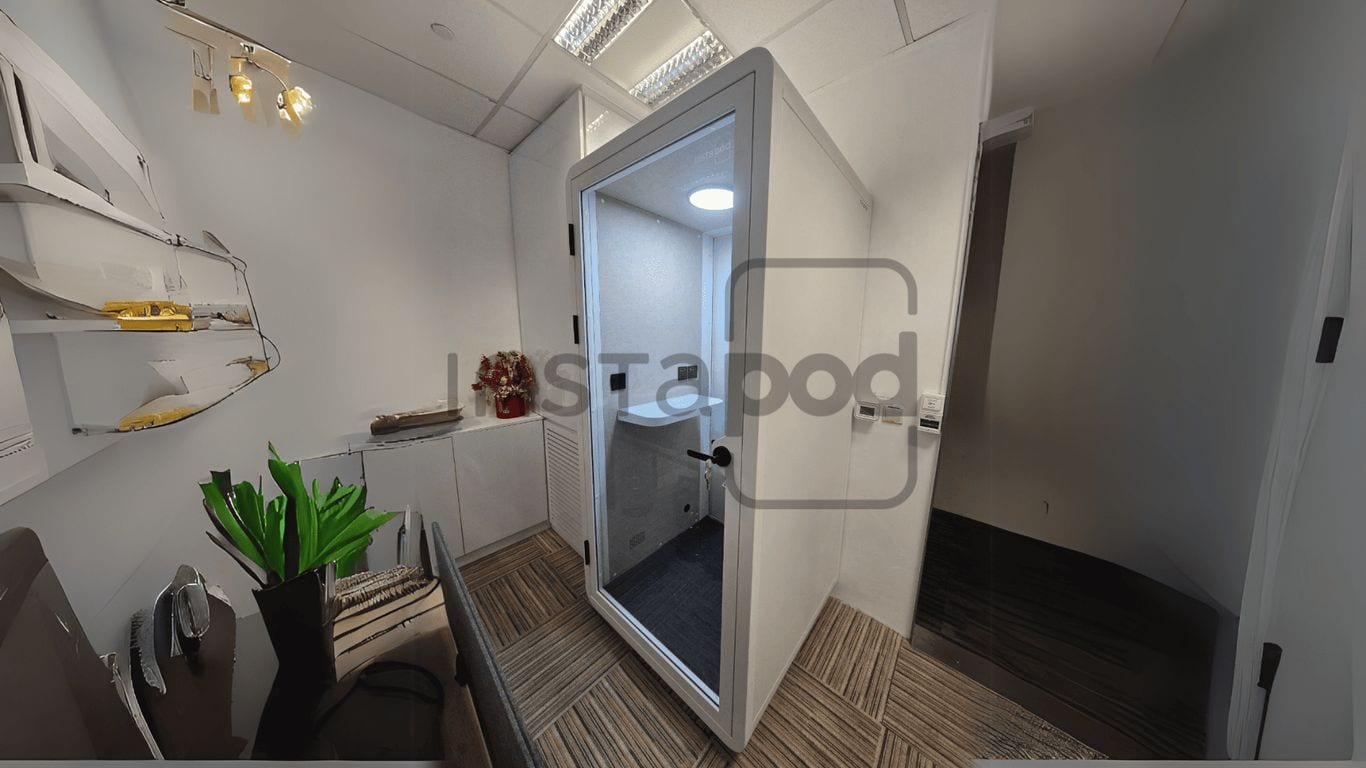
So, you’re thinking about getting some working pods for your office in Singapore? It’s a pretty hot topic right now, especially with how work has changed. These little spaces promise a break from the usual office buzz, letting people focus or take calls without everyone else listening in. But are they really worth the money? We’re going to look at how these pods can help your team get more done, feel better about their work, and ultimately, give your company a good return on investment. It’s not just about buying a fancy box; it’s about making your workspace work better for everyone.
Key Takeaways
- Working pods offer private, quiet spots in busy offices, cutting down on distractions and helping people concentrate better.
- These pods help create clear boundaries between work and personal life, which is a big deal for remote and hybrid workers.
- Good working pods are designed for comfort, with features like proper airflow and ergonomic seating, making long work sessions easier.
- Compared to full office renovations, installing working pods is quicker, often cheaper, and much more flexible if your needs change.
- Pods can be designed to be accessible and welcoming for all employees, supporting different work styles and needs within the team.
Understanding the Value of Working Pods in Modern Workspaces
Work pods are becoming a familiar sight in offices all over Singapore, as businesses look for smarter and more flexible ways to keep employees motivated and productive. With many offices going hybrid or remote, the traditional desk setup just doesn’t cut it anymore. Instead, work pods in Singapore give employees pockets of privacy, making it easier for them to do their best work when distractions and noise are everywhere.
Meeting Diverse Employee Needs with Working Pods
Offices aren’t one-size-fits-all. That’s part of why work pod Singapore choices are multiplying—people need different setups, even on the same day.
Some ways working pods are solving real employee challenges:
- Quiet pods let folks focus or take private calls when the rest of the office is buzzing.
- Team pods make for quick brainstorms or private chats, so you’re not always fighting for a meeting room.
- People who crave both privacy and connection can switch between pods for solo work and group collaboration.
It’s the flexibility that matters: some days you want to shut the world out, others you want a spot for a quick catch-up—that’s where pods step in.
Facilitating Hybrid and Remote Work Trends
Hybrid work isn’t a passing trend—it’s now normal in Singapore. Work pods let companies create dedicated spaces for remote meetings, private conversations, or heads-down work, even if only a fraction of the team is in the office at any time.
Here’s what different pods bring to hybrid work:
| Need | Pod Solution |
|---|---|
| Focused work | Solo acoustic pods |
| Video calls | Sound-insulated phone booths |
| Small meetings | Team pods with tech built-in |
This mix of options means you can manage whatever the day brings without needing to redesign the whole office every time team needs change.
Balancing Collaboration and Privacy in Open Offices
Open offices can be great—until noise and interruptions make it impossible to get anything done. Pods are like a middle ground. Instead of either total privacy or feeling completely exposed, you get some choice back:
- You’re near your team, but not stuck listening to every conversation.
- Adjustable features (like soundproof glass or blackout panels) put you in control of how isolated you want to be.
- You can pop into a pod for a call or short session without disrupting others, or being disrupted.
The real value? Work pods in Singapore let teams collaborate and focus without having to choose between chaos and isolation.
Enhancing Productivity with Distraction-Free Working Pods
Let’s be honest, open-plan offices can be a bit much sometimes. Constant chatter, phones ringing, people walking by – it’s a recipe for lost focus. That’s where these working pods really shine. They’re not just fancy dividers; they’re designed to give people a quiet zone to actually get things done.
Boosting Focus and Reducing Interruptions
Think about trying to write a report or code when there’s a constant buzz around you. It’s exhausting, right? Pods act like a personal bubble, cutting down on background noise and those little interruptions that break your train of thought. This means less time spent trying to regain focus and more time actually working. The ability to control your immediate environment is a game-changer for deep work.
Here’s what makes them so good at this:
- Sound Dampening: They significantly reduce ambient noise, making it easier to concentrate.
- Visual Privacy: The enclosed nature minimizes visual distractions from people walking past.
- Dedicated Space: Having a specific spot for focused tasks helps your brain switch into work mode faster.
When you have a dedicated space that signals "work time," it helps your brain transition more easily. You can dive into tasks without the mental overhead of fighting distractions.
Establishing Effective Work-Life Boundaries
It’s tough to switch off when your workspace is also your living room. Pods offer a physical separation. When your workday is done, you can literally close the door on your work. This clear boundary helps prevent work from bleeding into personal time, which is super important for avoiding burnout and actually enjoying your downtime.
- Clear End to the Day: Closing the pod door signifies the workday is over.
- Mental Reset: This physical separation aids in mentally disconnecting from work tasks.
- Routine Protection: It makes it easier to stick to personal routines and protect your evenings and weekends.
Promoting Employee Comfort and Well-Being
Comfort isn’t just a nice-to-have; it directly impacts how much work you can get done. Pods are often designed with ergonomics in mind. We’re talking about comfortable seating, proper desk heights, and good lighting that doesn’t strain your eyes. Plus, decent ventilation means you won’t feel stuffy after an hour. When people are comfortable, they’re less likely to be fidgety or distracted by physical discomfort, leading to better output and a generally happier employee.
| Feature | Typical Office Setup | Pod Benefit |
|---|---|---|
| Noise Levels | Often High | Minimal, allowing for concentration |
| Interruptions | Frequent | Low, creating a focused environment |
| Ergonomics | Varies widely | Often built-in (seating, desk height) |
| Lighting | Standard overhead | Adjustable, often mimicking natural light |
| Ventilation | General office | Dedicated airflow for comfort |
Designing and Customizing Working Pods for Optimal Use
When it comes to setting up working pods in your office, there’s no magic fix that works for everyone. What matters is picking features that fit how your team works. These pods aren’t just empty shells—small touches, from airflow to tech, decide whether people actually use them or just ignore them.
Ventilation, Ergonomics, and Comfort Features
Nobody likes a pod that feels like a box. Fresh air, good seating, and decent lighting turn a pod into a place people can stick around and get stuff done. Here are a few comfort details to watch out for:
- Adjustable vents or quiet fans to keep things cool and stop the air from getting stale
- Chair and table height that actually fits most people so backs or knees don’t hurt
- Lighting that’s easy on the eyes—think soft light, closer to daylight, not harsh fluorescents
If you skip on these basics, people just won’t spend any real time inside the pods, no matter how high-tech everything else is.
Technology and Connectivity Considerations
Pods should help work go smoother, not throw up new hurdles. That means plenty of outlets, fast wi-fi, and enough room for screens or gear. Match the tech inside to what your people really do:
- For heavy video call users, make sure there’s good lighting and strong sound insulation
- Solo workers need enough power for laptops and phones, plus charging for a full day
- Teams meeting inside need screens, easy sharing options, and stable connections
Here’s a simple table that highlights some common needs:
| Pod User Type | Must-Have Tech Features |
|---|---|
| Solo, focus work | Power outlets, desk lamp |
| Video call users | Good lighting, USB ports, sound-proof walls |
| Small teams | Screen sharing, whiteboards, multi-device charging |
Adapting Pods for Solo and Group Work
Every team is different. Pods can be built small for someone who needs to power through focus work or bigger for mini-meetings or brainstorming. Here’s what to look for:
- Sound insulation for solo pods to cut out background noise
- Enough elbow room in meeting pods so no one feels packed in
- Movable panels, glass doors, or see-through walls let in light and keep things from feeling boxed in
Having a mix of pod types—some for solo, some for group—means you can match each person’s style and keep productivity up for everyone.
The main thing is: make pods adjustable and comfy from the start, and your team will actually want to use them—turning even a noisy office corner into a spot where real work gets done.
Integrating Working Pods into Existing Office Layouts
So, you’ve decided that those little work pods are a good idea for your office. Great! But now comes the tricky part: actually fitting them into your current space without making everything look like a jumbled mess. It’s not just about buying a few pods and plopping them down; you’ve got to think about how they’ll actually work with what you already have.
Evaluating Space and Floor Plan Requirements
First things first, you need to get real about the space you have. Don’t just eyeball it. Grab a tape measure and check out the dimensions. Think about ceiling height, especially if you’re looking at taller pod models. Also, make sure you’re not blocking any main walkways or, more importantly, emergency exits. It’s easy to get excited about a new feature, but safety and flow have to come first.
- Measure everything: Get exact dimensions of the area where you plan to put the pods.
- Check for obstructions: Look out for pillars, built-in furniture, or anything else that might get in the way.
- Door swing: Seriously, check which way the pod doors open. You don’t want them banging into desks or people.
Here’s a rough idea of how much space different pod sizes might take up:
| Pod Size Option | Seats | Approximate Floor Space (sq. ft.) |
|---|---|---|
| Small | 1 | 18 |
| Medium | 2-4 | 35 |
| Large | 4+ | 55+ |
You’re not just buying furniture; you’re reshaping how people move and interact within your office. Think about the natural paths people take throughout the day and try to place pods where they make sense, not just where there’s an empty spot.
Blending Pods with Office Aesthetics and Branding
Okay, so the pods fit physically. Now, how do you make them look like they belong? Nobody wants their office to look like a bunch of random boxes were just dropped in. You want them to feel like a natural extension of your workspace. This is where you can get a little creative.
- Color coordination: Pick pod colors that complement your existing wall paint, furniture, or even your company’s brand colors. It makes a huge difference.
- Material choices: Some pods come with options for different finishes. Think about what will match your office vibe – sleek and modern, or more cozy and textured?
- Branding elements: You can often add subtle branding, like custom decals or wraps. Some pods even have options for integrated lighting or greenery that can tie into your office’s look and feel.
Maximizing Placement for Efficiency and Teamwork
Where you put these pods really matters for how people use them. Think about the daily rhythm of your office. Are there areas that are naturally noisy and could use a quiet zone? Are there spots where teams often gather informally and could use a small, quick meeting space?
- Near high-traffic areas: Placing pods near busy zones can offer a quick escape for focused work without people having to walk too far.
- Close to team hubs: If certain teams tend to cluster together, putting a collaboration pod nearby can make spontaneous teamwork easier.
- Utilizing underused corners: Sometimes, an awkward corner can be transformed into a valuable quiet space with the right pod.
Ultimately, the goal is to make these pods feel like a helpful, integrated part of the office, not an afterthought. When they look good and are placed thoughtfully, they can really improve how everyone works.
Comparing Working Pods to Traditional Office Renovations
When you’re thinking about changing up your office space, it’s easy to jump straight to the idea of a full renovation. Tearing down walls, redoing flooring, the whole nine yards. But honestly, that’s a huge undertaking. It takes ages, costs a fortune, and basically turns your office into a construction zone for weeks, if not months. Plus, you often need permits, which adds another layer of hassle. It’s disruptive, messy, and frankly, a bit of a headache.
Installation Speed and Flexibility
Working pods, on the other hand, are a different ballgame entirely. Think about it: most pods can be set up and ready to go in just a few hours. Seriously, a couple of hours. They’re often plug-and-play, meaning you don’t need major electrical work or anything complicated. This speed is a massive win because you’re not losing valuable work time while your office is in chaos. And flexibility? Pods win here too. Need to rearrange your office layout next year? No problem. You can just move the pods. They aren’t permanent fixtures like a new wall or a built-in meeting room. This makes them super adaptable, especially if your team size or work needs change.
Here’s a quick look at how they stack up:
| Feature | Workplace Pod | Traditional Renovation |
|---|---|---|
| Installation Time | 1-2 hours, plug-and-play | Weeks to months, disruptive |
| Permits Needed | Rarely | Often required |
| Portability | Movable | Permanent/fixed |
Cost-Effectiveness and ROI Analysis
Let’s talk money. Renovations can quickly spiral out of control. You’ve got materials, labor, unexpected issues that pop up, and then there’s the cost of your team not being able to work effectively during the disruption. It’s a big, often unpredictable, expense. Pods usually represent a much more predictable and often lower upfront investment. You pay for the pod, and that’s largely it. Maintenance is minimal, and there are fewer hidden costs. For businesses, especially those renting their space, pods are a smart move because they don’t involve permanent changes to the building. You get the benefits of a dedicated workspace without the long-term commitment or risk of a major renovation.
The initial outlay for pods might seem like an expense, but when you factor in the reduced disruption, faster deployment, and ongoing flexibility, the return on investment often becomes clear quite quickly. It’s about getting functional, private spaces without the massive capital expenditure and time sink of traditional construction.
Portability and Upgradability Over Time
Think about the future. Offices aren’t static. Teams grow, shrink, or change how they work. With a traditional renovation, if you need more space or a different setup, you’re looking at another big project. Pods, however, are designed with this in mind. They’re portable, so you can move them around as your office layout evolves. Need to add more quiet zones? Just bring in more pods. If a particular pod model becomes outdated or you want to upgrade features, it’s usually much simpler and cheaper than redoing a whole section of your office. This makes pods a more future-proof solution for creating adaptable workspaces.
Fostering Inclusivity and Accessibility Through Working Pods
Ensuring Barrier-Free Access for All Employees
Making sure everyone can actually use the workspace is pretty important, right? It’s not just about having a space, but about making sure it works for every single person on your team. Pods can really help here. Think about it: a busy open office can be tough for someone who uses a wheelchair or a walker. Pods, when designed right, can offer that needed private space without the usual hurdles. We’re talking about doors that open easily, no high thresholds to get over, and enough room inside to move around comfortably. It’s the small things, like making sure controls for lights or fans are within reach, that make a big difference.
- Wide doorways that don’t have a lip or step.
- Doors that don’t require a lot of force to open.
- Ample space inside for turning a wheelchair or maneuvering a walker.
- Controls for lighting and ventilation placed at accessible heights.
Addressing Sensory and Comfort Needs
Some people get easily overwhelmed by noise or bright lights. Open offices can be a sensory minefield for them. Pods offer a way to control the environment. Good sound insulation means fewer distractions, which is a lifesaver for folks who are sensitive to noise. Adjustable lighting is another big plus. Instead of harsh overhead fluorescents, a pod might have softer, dimmable lights. This kind of control helps people with sensory processing differences feel more comfortable and able to focus.
Creating a personal bubble of calm within a bustling office isn’t a luxury; it’s a necessity for many to perform at their best. Pods provide this controlled environment, allowing individuals to manage their sensory input and reduce stress.
Supporting Diverse Workstyles and Preferences
Not everyone works the same way, and that’s totally fine. Some people need complete quiet to get into deep work. Others might need a small, semi-private spot for a quick video call or a chat with a colleague without disturbing everyone else. Pods come in different shapes and sizes for this very reason. You can get a small, soundproof booth for solo calls, a slightly larger one for a pair to brainstorm, or even a comfortable lounge-style pod for a more relaxed thinking session. This variety means people can pick the space that best fits what they’re trying to do at that moment, making the whole office more productive and pleasant for everyone involved.
Future-Proofing Your Office with Flexible Working Pods
Staying ahead in today’s workplace means building flexibility right into your office design. Office pods in Singapore are popping up for a reason—they help businesses keep up with change without busting budgets or losing time. Here’s how these spaces make your work setup future-ready, and why they’ve become a hit in the world of office pod Singapore solutions.
Scalability and Adaptation for Growth
- Office pods can be added, removed, or rearranged as your team grows or your workflow shifts.
- Pods come in sizes for just about every need—solo focus booths, quick meeting zones, or full-on group pods.
- When your headcount changes, you aren’t locked into a rigid floor plan. You can respond fast, moving pods to where they fit best.
Forget worrying about expensive permanent builds—pods are all about adapting on your terms.
| Need | Pod Solution | Change-over effort |
|---|---|---|
| Solo focus | Single-person pod | Minimal |
| Team huddles | Group/meeting pod | Low |
| Privacy calls | Phone booth pod | Minimal |
| Training/large | Flexible layout pod | Moderate |
Sustainability and Material Considerations
- Many office pods Singapore suppliers use re-usable materials and efficient production methods.
- Pods can often be repurposed or upgraded, so you avoid needless waste when team needs change.
- Energy-efficient lighting, proper air flow, and recycled content are now common features in modern pods.
Maintaining Relevance in a Changing Workplace
- Hybrid and remote work are here to stay—pods give you a plug-and-play solution for private video calls or hybrid meetings.
- Technology changes fast. Many office pod Singapore models support simple tech swaps—new screens, better audio, or smart door locks.
- Pods are portable, so if your company moves or downsizes, you’re not sunk by renovations—you simply take your pods with you.
Some practical ways pods keep your workspace relevant:
- Swappable tech racks and mounts for future gadgets.
- Moveable walls, so today’s meeting pod can be tomorrow’s quiet zone.
- Universal plugs and airflow, so pods suit any office climate or tech need.
Changes come fast in the business world. Modular, flexible pods let you roll with them, keeping your space comfortable no matter how the work landscape shifts.
Wrapping It Up: Pods as a Smart Investment
So, after looking at all this, it’s pretty clear that these work pods aren’t just fancy furniture. They actually help people focus better, cut down on noise, and make it easier to switch off from work when the day is done. For businesses in Singapore, this means happier employees and, yes, a better return on investment. They’re quick to set up, can be moved around if needed, and are way less hassle than a big renovation. When you add it all up, investing in the right pods seems like a solid move for any company wanting to boost productivity and keep their team feeling good.
Frequently Asked Questions
What exactly are working pods and why are they useful?
Working pods are like small, private rooms or booths you can put in an office. They’re super helpful because they give people a quiet place to focus without all the noise and interruptions of a busy open office. Think of them as your personal zone for getting important work done, taking calls, or just having some peace and quiet.
How do these pods help people work better?
Pods help people work better by cutting down on distractions. When you’re not constantly being interrupted or bothered by noise, you can concentrate more on your tasks. This means you can get more done in less time and often do a better job because you’re not losing your train of thought.
Can pods help with work-life balance?
Yes, they really can! If you work from home, a pod gives you a clear physical space that says ‘this is where I work.’ When you’re done for the day, you can just close the door and leave your work behind, making it easier to switch off and enjoy your personal time without work stress following you.
Are these pods comfortable to use?
Good pods are designed with comfort in mind. They usually have comfy chairs, good lighting that’s easy on your eyes, and proper airflow so they don’t get stuffy. Being comfortable makes it much easier to stay focused and productive for longer periods.
Is it hard to set up these pods in an office?
Not at all! Compared to major office renovations, setting up pods is usually very fast, often taking just a few hours. They’re also flexible, meaning you can move them around if your office layout needs to change later on, which is great for adapting as your company grows or your needs shift.
Are working pods good for everyone, including people with different needs?
Absolutely. Pods can be designed to be accessible for everyone, with features like wide doors for wheelchairs and easy-to-reach controls. They also support different work styles by offering quiet spaces for focused work and options for small group chats, making sure everyone has a comfortable place to do their best work.
The post Working Pods in Singapore: Measuring the ROI of Distraction-Free Workspaces appeared first on InstaPod Singapore.