
Working Pods: How Modular Solutions Are Eliminating Office Distractions and Boosting Productivity in Singaporean Workplaces
Here are the main points to remember about how modern office design, especially with working pods, is changing workplaces in Singapore:
Key Takeaways
- Modular solutions like working pods help cut down on noise and interruptions, making it easier to focus.
- Activity-based working environments offer flexible spaces for different tasks, supporting hybrid teams.
- Wellness features and natural elements in office design improve employee health and satisfaction.
- Smart technology integration and adaptable layouts are key to making the most of limited office space in Singapore.
- Investing in good office design has clear business benefits, from better employee retention to a stronger company image.
Optimizing Workspaces with Modular Solutions
Forget the days of static, unchanging office layouts. We’re seeing a big shift towards modular solutions, and honestly, it makes a lot of sense. Companies in Singapore are realizing that a one-size-fits-all approach just doesn’t cut it anymore, especially with how we work today. The real game-changer is the ability to adapt spaces on the fly.
The Rise of Activity-Based Working Environments
This is all about moving away from assigned desks. Instead, the office is designed with different zones for different tasks. Think about it: why should someone who spends most of their day on calls be stuck in a noisy open area? Activity-based working (ABW) provides options. You can have quiet zones for deep focus, collaborative hubs for team discussions, and casual lounges for informal chats. It’s about giving people the choice to work where they feel most productive for whatever they’re doing at that moment. This flexibility means companies can also use their space more efficiently, which is a big deal in a place like Singapore where real estate costs are high.
Flexible Furniture and Movable Partitions
This is where the ‘modular’ part really comes into play. We’re talking about furniture that isn’t bolted down. Desks can be easily rearranged, storage units can be moved, and partitions can be put up or taken down. Imagine needing a small meeting space for an impromptu brainstorming session. With movable walls, you can create one in minutes, then put it away just as quickly. This adaptability is key for businesses that need to pivot or reconfigure their space as their needs change, whether it’s for a new project team or a different work style. It’s like having an office that can morph and change shape.
Technology-Enabled Booking Systems for Shared Workstations
With ABW and flexible furniture, you also need a smart way to manage who uses what space. That’s where technology steps in. Booking systems, often managed through an app or a simple online portal, allow employees to reserve desks, meeting rooms, or even quiet pods for a specific time. This prevents confusion and ensures that resources are used effectively. It takes the guesswork out of finding a spot to work and helps facilities managers keep track of space utilization. It’s a simple system, but it makes a huge difference in the day-to-day running of a modern, flexible office.
Enhancing Collaboration Through Advanced Hubs
Forget those old-school conference rooms where everyone just sat in rows. Today’s workplaces, especially in a fast-paced city like Singapore, need spaces that actually help people connect and get things done. We’re talking about creating a whole ecosystem of collaboration zones, not just one type of meeting room.
Diverse Meeting Ecosystems for Hybrid Teams
Hybrid work means some people are in the office, and some are dialing in from home or elsewhere. This makes having just one kind of meeting room totally insufficient. You need a mix of spaces to make sure everyone feels included and can contribute equally. Think about open lounges with comfy seating and big screens where spontaneous discussions can happen, or smaller huddle rooms perfect for quick check-ins. The goal is to make technology disappear so the focus stays on the people talking.
Here’s a look at what makes a good mix:
- Open Lounges: These are great for informal brainstorming or when you need a change of scenery. They often have flexible furniture and integrated presentation tools.
- Huddle Rooms: Small, tech-equipped rooms for 2-4 people. Ideal for quick team syncs or private calls without disturbing others.
- Formal Conference Rooms: Still necessary, but updated with better AV equipment for seamless video conferencing.
Singapore’s strong digital infrastructure really helps here. High-speed internet means you can have crystal-clear video calls and share documents in real-time without frustrating delays. It’s a big part of making hybrid work actually work.
Project Rooms for Intensive Team Sprints
Sometimes, a team needs to hunker down and really focus on a specific project for a few days or weeks. That’s where dedicated project rooms come in. These aren’t just meeting rooms; they’re designed for deep work and collaboration. They often have whiteboards, large screens for displaying work, and flexible furniture that can be rearranged easily. The idea is to create a contained environment where a team can really immerse themselves in their task without constant interruptions from the general office buzz.
Innovation Labs with Moveable Walls
For companies that thrive on new ideas, innovation labs are a game-changer. These spaces are built for experimentation and creativity. The key feature here is often moveable walls. This means you can easily change the size and layout of the space depending on the activity. Need a large open area for a hackathon? Done. Need to break into smaller groups for focused ideation? Just reconfigure the walls. These labs are usually equipped with cutting-edge technology, prototyping tools, and comfortable, inspiring furniture to encourage out-of-the-box thinking.
Prioritizing Employee Wellbeing in Office Design
It’s easy to get caught up in productivity metrics and deadlines, but we can’t forget about the people doing the work. How we design our offices has a huge impact on how people feel, both physically and mentally. When employees feel good, they tend to do good work, plain and simple.
Wellness-Centered Design Strategies
Think about it: people spend a big chunk of their lives at work. Making that space a positive one is a smart move. It’s not just about looking nice; it’s about creating an environment that supports health and reduces stress. This means looking at things like air quality, comfortable temperatures, and making sure there’s enough natural light. A happy employee is often a more productive employee.
Biophilic Design: Bringing Nature Indoors
This is a fancy term for bringing the outdoors in. It’s about adding plants, using natural materials, and maybe even a small water feature if you have the space. Studies show that just being around greenery can lower stress levels and boost creativity. In a busy city like Singapore, a touch of nature can make a big difference in how people feel during the workday. It helps people feel more grounded and less frazzled.
- Improved air quality from plants.
- Reduced stress and anxiety.
- Increased feelings of calm and focus.
- A more pleasant and inviting atmosphere.
Creating spaces that feel good to be in isn’t a luxury; it’s a necessity for a healthy and productive workforce. When we design with people’s wellbeing in mind, we see better engagement and a more positive company culture.
Stress Reduction Zones and Quiet Retreat Areas
Not everyone works best in the same way. Some people need absolute quiet to concentrate, while others might need a place to just step away for a few minutes to clear their head. That’s where dedicated quiet zones or retreat areas come in. These aren’t just empty rooms; they’re designed to be calming spaces, maybe with comfortable seating and soft lighting. They give people a much-needed break from the usual office buzz, helping them recharge so they can get back to their tasks with renewed focus.
The Impact of Working Pods on Productivity
Quiet Pods for Confidential Calls
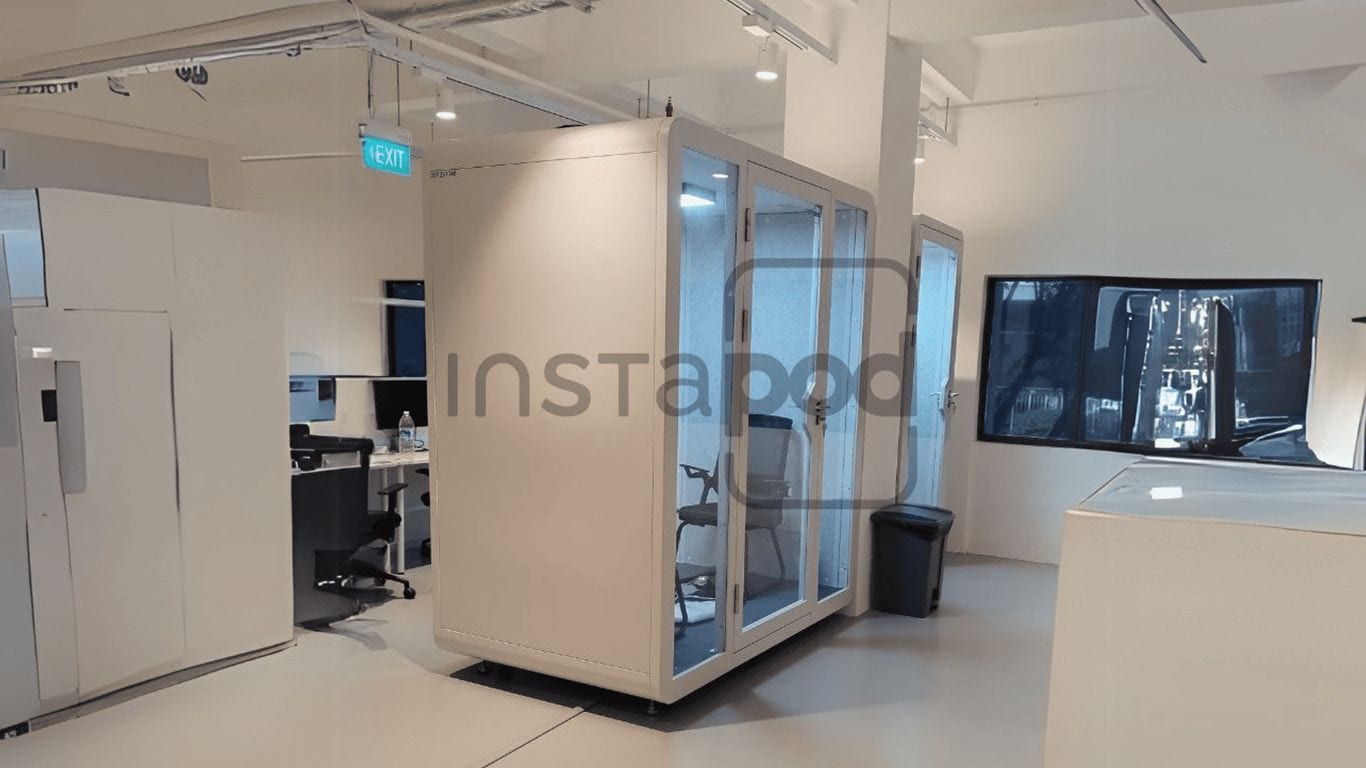
In today’s fast-paced work environment, especially in bustling hubs like Singapore, the need for private spaces for calls and focused discussions is more important than ever. Traditional open-plan offices often fall short, leading to overheard conversations and a lack of privacy. This is where work pods come in. These enclosed, sound-dampened units offer a sanctuary for confidential conversations, video conferences, or simply a moment of quiet concentration away from the general office buzz. By providing dedicated spaces for private communication, workplace pods significantly reduce the mental load associated with trying to find a quiet spot, thereby boosting individual focus and team efficiency.
Minimizing Distractions for Focused Work
Distractions are productivity’s worst enemy. The constant hum of activity, impromptu chats, and general office noise can fragment attention, making deep work a challenge. Work pods are designed to combat this directly. Their enclosed nature and acoustic treatments create a barrier against ambient noise, allowing employees to immerse themselves in tasks without interruption. This is particularly beneficial for roles requiring high levels of concentration, such as coding, writing, or detailed analysis. The availability of these dedicated focus zones means employees can choose the environment that best suits their current task, leading to higher quality output and reduced errors.
Supporting Different Modes of Work
Modern workplaces aren’t one-size-fits-all, and neither is the work people do. The rise of activity-based working acknowledges that different tasks require different environments. Work pods are a key component of this flexible approach. They cater to a variety of work modes:
- Solo Focus: Providing a quiet, distraction-free zone for individual tasks.
- Private Calls: Offering soundproofed spaces for sensitive client or team discussions.
- One-on-One Meetings: Facilitating brief, informal catch-ups without booking a formal meeting room.
- Virtual Collaboration: Ensuring clear audio and video for remote meetings.
By offering these distinct environments, work pods in Singaporean workplaces allow individuals to seamlessly switch between different work styles throughout the day, adapting their surroundings to match their immediate needs and thereby optimizing their personal productivity.
Navigating Singapore’s Unique Office Landscape
Singapore’s office scene is a bit of a puzzle, really. You’ve got this super-competitive business environment, high rents, and a need to look good for international clients, all squeezed into a pretty small island. It means companies here have to be smart about how they use their space.
Addressing Space Constraints with Smart Planning
With limited land and high commercial property costs, especially in the Central Business District, every square meter counts. This is where modular solutions and clever layouts come into play. Think about how you can reconfigure spaces easily instead of building permanent walls. It’s about making the office work harder for you.
- Modular furniture systems that can be moved and changed daily.
- Movable partitions to create temporary meeting or focus areas.
- Technology for booking shared desks and rooms, so no space is wasted.
Cultural Adaptation in Workplace Design
It’s not just about fitting things in; it’s about fitting them in the right way for Singapore. While global trends push for open, flexible spaces, local culture often values a certain level of hierarchy and privacy. So, you might see more semi-private zones or designated quiet areas alongside open collaboration spots. It’s a balancing act to make everyone feel comfortable and respected.
The goal is to blend global standards with local nuances, creating an office that feels both modern and culturally appropriate.
Compliance with Local Regulations
Then there are the rules and regulations. Singapore has specific building codes, fire safety standards, and accessibility requirements that need to be met. Working with designers and contractors who know these ins and outs is pretty important. You don’t want to get caught out on something that could have been avoided. This is especially true when setting up specialized areas like study pods Singapore or meeting pods Singapore; they need to meet specific safety and functional criteria.
| Aspect | Consideration |
|---|---|
| Building Codes | BCA standards, fire safety, accessibility |
| Technology | Local telecom infrastructure, cybersecurity needs |
| Sustainability | Green building mandates, energy efficiency targets |
Getting these details right from the start saves a lot of headaches later on. It’s about making sure your workspace is not only productive and comfortable but also fully compliant and safe for everyone.
The Business Value of Strategic Office Design
Boosting Employee Satisfaction and Retention
Think about it: nobody wants to work in a place that feels like a drab box. When a company puts real thought into its office space, making it comfortable, functional, and even a little bit inspiring, employees notice. This isn’t just about looking good; it’s about making people feel valued. A well-designed workspace, with things like good lighting, comfortable furniture, and areas for breaks, can really cut down on daily stress. When people feel better at work, they’re more likely to stick around. It means less money spent on hiring new people and training them, which adds up fast.
Enhancing Client Perceptions and Brand Ethos
Your office is often the first physical impression a client gets of your business. If it’s messy, outdated, or just plain uninspired, what does that say about your company? On the flip side, a modern, well-organized, and thoughtfully designed space communicates professionalism and a forward-thinking attitude. It shows you pay attention to detail and care about the environment you operate in. This can make clients feel more confident in your services and your brand.
Driving Innovation and Competitive Advantage
Sometimes, the best ideas don’t come from scheduled meetings. They happen when people bump into each other in a comfortable break area or when a flexible meeting room allows for spontaneous brainstorming. Strategic office design creates these opportunities. By providing different types of spaces – quiet zones for deep thinking, collaborative hubs for teamwork, and adaptable areas for projects – you’re essentially building a framework that supports various work styles. This flexibility can spark creativity and help your team solve problems in new ways, giving your business an edge over competitors.
Conclusion: A Strategic Imperative for Singapore Companies
In Singapore’s fast-paced business environment, thoughtful office design isn’t just about looking good; it’s about working smarter. By embracing modular solutions like working pods, activity-based layouts, and wellness-focused spaces, companies can tackle space limits and boost how well their teams work. Investing in a well-designed office means happier employees, a stronger brand, and a real edge in business. It’s a smart move for any company looking to thrive.
Frequently Asked Questions
What are working pods and why are they becoming popular?
Working pods are like small, private rooms or booths inside a larger office. They’re great for making phone calls, having video meetings, or just getting some quiet time without being bothered by office noise. Lots of companies are using them now because people need places to concentrate and have private chats, especially with more people working from home sometimes.
How do working pods help with productivity?
They help a lot by reducing distractions. When you’re in a pod, you’re not hearing conversations or office sounds that can pull your attention away. This means you can focus better on your work, finish tasks faster, and make fewer mistakes. It’s like having your own little quiet zone whenever you need it.
Are working pods only for quiet phone calls?
Not at all! While they’re perfect for private calls, you can also use them for focused work, one-on-one meetings, or even just a short break to clear your head. Some pods have desks and screens, making them mini-workstations for deep concentration.
How do these pods fit into Singapore’s office spaces?
Singapore offices are often quite busy and sometimes small. Working pods are smart because they give people private space without taking up a huge amount of room. They can be placed in open areas, helping companies use their space better and give employees more options for where they work.
What’s the difference between a working pod and a meeting room?
Think of a meeting room as a place for groups, usually for scheduled meetings with several people. A working pod is much smaller, typically for one or two people. It’s more for personal calls, focused work, or quick chats, rather than formal group meetings.
Do working pods help with employee well-being?
Yes, they do. Having a private space to go to can reduce stress. It gives people a sense of control over their environment and allows them to step away from the main office buzz when they need to. This can make the overall office experience much more pleasant and less tiring.
The post Working Pods: How Modular Solutions Are Eliminating Office Distractions and Boosting Productivity in Singaporean Workplaces appeared first on InstaPod Singapore.