
Why Singapore Universities and Libraries Are Investing in Smart Study Pods
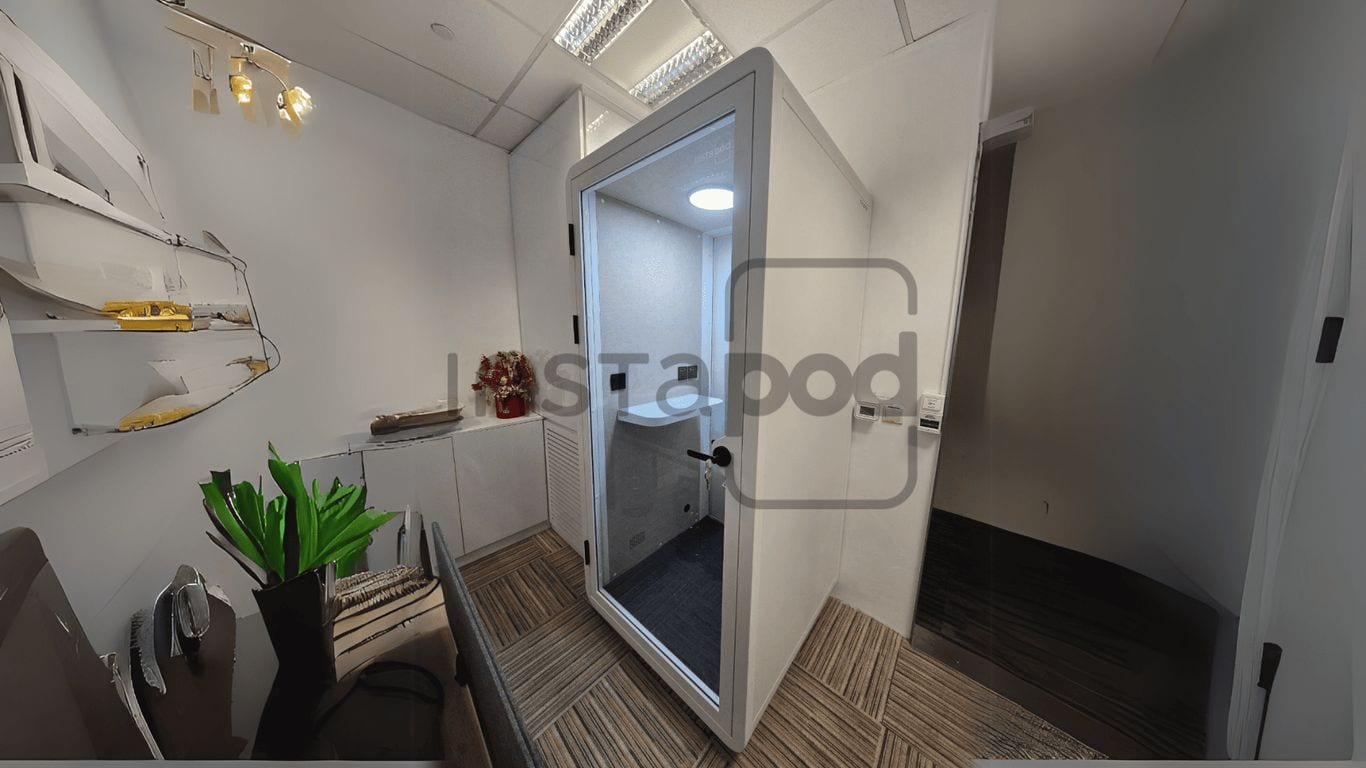
So, you’ve probably seen those quiet little rooms popping up in university libraries and study halls. They’re called smart study pods, and they’re becoming a pretty big deal in Singapore. Universities there are really putting money into them, and it’s not just for show. These aren’t your grandpa’s carrels; they’re packed with tech designed to help students learn better and faster. Let’s break down why this is happening and what it means for students.
Key Takeaways
- Singapore’s universities are actively investing in smart study pods as part of a broader push towards digital literacy and modernized learning environments.
- These pods use technology like the Internet of Things (IoT) to create connected and augmented study spaces, improving how students learn.
- The smart study pod concept extends the idea of a traditional library, offering organized information access and personalized experiences for users.
- Students benefit from smart study pods through personalized learning, tools that help manage cognitive load for better efficiency, and features that support group research.
- Integrating these smart resources into education impacts curriculum development and points towards a future of ‘smart campuses’ focused on creating knowledgeable individuals.
Singapore’s Embrace Of Smart Study Pods
Singapore’s educational institutions are really leaning into the future, and you can see it clearly in how they’re setting up their learning spaces. It’s not just about books anymore; it’s about creating environments that help students learn better and more efficiently. Think of it as upgrading the old-school library into something much more dynamic.
Pioneering Library Innovations
Libraries in Singapore, especially those managed by the National Library Board (NLB), have been at the forefront of this change. They’re not just places to borrow books; they’re becoming hubs for digital learning and quiet contemplation. You’ll find that many libraries now offer more than just shelves of novels. They’re integrating technology to make information easier to find and use. This includes things like self-checkout machines and digital archives, but it goes further.
- Digital Learning Zones: Dedicated areas equipped with computers and high-speed internet.
- Interactive Displays: Touchscreens that provide access to library catalogs and digital resources.
- Maker Spaces: Areas where students can experiment with technology like 3D printers and coding kits.
Investing in Digital Literacy
Part of this embrace of new technology is a push to make sure students are comfortable and capable with digital tools. It’s not enough to just have the tech; people need to know how to use it effectively. This is where the concept of smart study pods really shines, offering a focused environment for digital tasks. These pods are more than just a private study room Singapore students can book; they’re often equipped with specific software or hardware to aid in digital learning and research. The goal is to build a generation that’s not just tech-savvy but digitally literate, ready for a world that’s increasingly online.
The National Library Board’s Vision
The NLB has a clear vision for what libraries should be in the 21st century. They see them as community spaces that adapt to changing needs. This means looking beyond traditional services and incorporating new technologies that can help people learn, work, and connect. The introduction of study pods, whether in public libraries or university campuses, is a direct result of this forward-thinking approach. It’s about providing flexible, accessible spaces that cater to individual learning styles and the demands of modern education. The NLB’s efforts are a big part of why you see these kinds of innovations popping up across the island, making places like a study pod Singapore offers a common sight.
Transforming Learning Spaces With Technology
Digitally Augmented Learning Environments
Remember those old lecture halls with just a projector and a whiteboard? Things are changing, and fast. Universities are starting to bring more tech into these spaces, making them way more interactive. Think about classrooms that can show you 3D models of molecules or let you walk through ancient Rome using VR. It’s not just about fancy gadgets, though. These digital tools can actually help students grasp complex ideas better. For example, imagine a biology class where you can use your phone to see a virtual frog on your desk, ready to be dissected without any mess. Or a history lesson where AR overlays historical photos onto the actual buildings you’re looking at.
- Interactive Whiteboards: These aren’t your grandma’s chalkboards. Teachers can connect them to computers, show videos, and even let students write on them from their own devices. Notes can be saved and shared instantly.
- Augmented Reality (AR) Apps: Many subjects now have AR apps. You can point your phone at a math problem and see a visual explanation, or translate signs in real-time when traveling.
- Virtual Reality (VR) Headsets: For subjects needing visualization, like engineering or art, VR can put students right into the middle of the subject matter.
These digitally boosted classrooms are a big step up from just listening to a lecture. They make learning more hands-on and engaging, which is a win-win for both students and teachers.
The Role Of IoT In Campus Connectivity
IoT, or the Internet of Things, is quietly making campuses smarter. It’s about connecting everyday objects to the internet, and on campus, this means things like smart lighting that adjusts based on occupancy, or sensors that monitor air quality. For learning, it can mean more connected study spaces. Imagine a study pod that automatically adjusts the lighting and temperature to your preferences when you book it. Or lecture halls where attendance is taken automatically using student ID cards with RFID chips, freeing up professors to focus on teaching instead of administrative tasks.
- Smart Building Management: IoT sensors can control lighting, heating, and cooling, saving energy and making spaces more comfortable.
- Automated Attendance Tracking: Using RFID or Bluetooth, campuses can track who’s in class without manual sign-ins.
- Resource Management: IoT can help track the usage of equipment and resources, allowing for better planning and maintenance.
Enhancing Student Learning Capacity
So, how does all this tech actually help students learn more? Well, when learning spaces are more interactive and connected, students tend to pay more attention. They can access information more easily, collaborate with classmates in new ways, and get feedback faster. It’s about moving away from a one-size-fits-all approach to education. Instead, technology allows for more personalized learning paths. Students can revisit concepts they struggled with using digital tools, or explore topics that interest them beyond the standard curriculum. This shift towards more dynamic and responsive learning environments is key to preparing students for a future that’s constantly evolving.
- Personalized Feedback: Digital tools can provide instant feedback on assignments, helping students identify areas for improvement quickly.
- Access to Diverse Resources: Students can easily access a wide range of digital materials, from videos and simulations to academic papers.
- Collaborative Tools: Online platforms and smart devices make it easier for students to work together on projects, share ideas, and co-create content.
The Evolution Of The Smart Library
Libraries aren’t just quiet places with dusty books anymore. They’ve really changed over the years, especially with all the new tech popping up. Think about it: libraries used to be the main place to get information, right? They were like the gatekeepers of knowledge. But now, with the internet and everything, information is everywhere. So, libraries have had to step up their game.
Intelligent And Organized Information Access
Back in the day, finding a book meant looking through card catalogs. It was a whole process. Now, libraries are getting smarter about how they organize and let you access information. It’s not just about physical books anymore. They’re dealing with digital resources, databases, and all sorts of online stuff. The goal is to make it super easy for you to find what you need, whether it’s a journal article or a video.
- Search systems are getting way better. Think of it like a super-powered search engine just for the library’s collection.
- Metadata is key. This means adding lots of descriptive tags to resources so they can be found more easily.
- Integration is happening. Libraries are connecting their systems so you can search across different collections from one place.
Personalized User Experiences
Remember when everyone got the same library service? That’s changing too. Libraries are starting to act more like the online services we use every day, like streaming platforms or online stores. They want to give you a more tailored experience.
This shift means libraries are moving from a one-size-fits-all approach to something much more individual. They’re looking at how you use their resources to suggest things you might like or need next.
Apomediated Guidance For Users
This might sound a bit fancy, but it just means libraries are finding new ways to help you out, even when you’re not physically there. They’re using technology to guide you.
- Chatbots and virtual assistants can answer common questions 24/7.
- Recommendation engines suggest resources based on your past activity.
- Online tutorials and guides help you learn how to use library tools and find information effectively.
Benefits Of Smart Study Pods For Students
These smart study pods are really changing the game for students. They’re not just quiet places to sit; they’re designed to make learning smoother and more effective. Think of them as personalized study zones that adapt to what you need.
Personalized Learning Journeys
One of the biggest wins is how these pods can tailor the learning experience. Imagine a pod that adjusts lighting or even suggests resources based on the subject you’re studying or your past performance. It’s like having a study assistant built right in.
- Adaptive Content Suggestions: Pods can link to library databases and online courses, recommending readings or videos that match your current learning level.
- Customizable Environment: Adjusting sound levels, lighting, and even temperature to create your ideal focus zone.
- Progress Tracking: Some systems might even offer insights into your study habits within the pod, helping you see what works best.
Cognitive Offloading For Efficiency
We all have a lot to keep track of – classes, assignments, meetings. Smart study pods, often connected to campus apps, help take some of that mental load off. This means you can spend less time juggling schedules and more time actually learning.
By letting technology manage routine tasks like appointment reminders or accessing course materials, students can free up their mental energy for more complex problem-solving and creative thinking. It’s about working smarter, not harder.
Facilitating Collaborative Research
While they are great for solo work, these pods aren’t just for introverts. Many are equipped with technology that makes group work easier. You can connect with classmates, share screens, and work on projects together, all within a controlled environment.
- Integrated Collaboration Tools: High-speed internet, shared displays, and video conferencing capabilities.
- Resource Sharing: Easy access to digital library resources for all group members.
- Project Management Support: Some pods might offer tools to help teams organize tasks and deadlines.
Integrating Smart Resources Into Education
So, how do these fancy smart libraries actually fit into the day-to-day grind of learning? It’s not just about having cool tech; it’s about making it work for students and teachers.
Smart Library Integration With Online Courses
Think about it: you’re taking an online class, maybe from halfway across the world. With smart library integration, you can tap into the university’s research databases as if you were right there on campus. It’s like having a super-helpful research assistant that can find and organize information for you. This means students can access a wealth of knowledge without being physically present, which is a game-changer for remote learning.
Improving Writing Proficiency
Beyond just finding information, these smart systems can actually help you use that information better. Many smart library tools, often powered by IoT, can check your grammar, spelling, and even suggest better ways to phrase things. It’s like having a built-in editor that helps you polish your work. Some systems can even tailor the reading materials they suggest based on your current academic level, which is pretty neat.
The goal here is to make learning more efficient and effective. It’s about using technology to support students, not replace the core learning process. Educators need to figure out the best ways to guide students in using these tools without them becoming a crutch.
Implications For Curriculum Development
This all sounds great, but it does mean educators have to think differently about how they teach. They need to decide how much students should rely on these smart tools and how to give feedback on their use. For courses that involve a lot of research, there might need to be new guidelines. It’s about teaching students how to use these powerful resources responsibly, so they build their own research skills rather than just letting the tech do all the work. It’s a balancing act, for sure.
The Future Of Smart Campuses
Beyond Traditional Learning Spaces
Campuses are changing, and it’s not just about the libraries anymore. We’re talking about the whole campus becoming smarter, more connected. Think about how much easier things could be if your phone could tell you exactly where an empty parking spot is, or when the next shuttle bus is actually arriving, not just when it’s scheduled to. This isn’t science fiction; it’s about using technology like GPS and simple apps to make daily campus life less of a hassle. It’s about making the physical space work better for everyone.
Campus Apps For Enhanced Communication
Imagine having one app for everything. Need to give feedback on a class policy? Want to know about campus events? Lost your keys? A good campus app can handle all of that. It’s like a central hub where students, teachers, and even admin can talk to each other. You could get campus news, find out about facility issues, or even sell old textbooks. Some universities are already using these kinds of apps, and it really cuts down on confusion and makes communication smoother. It’s a way to keep everyone in the loop without endless emails.
Creating Smarter People Through Technology
Ultimately, all these smart campus initiatives, from the study pods to the apps, are about more than just convenience. They’re designed to help us learn better and think more clearly. By using technology to handle routine tasks, like remembering appointments or finding information, we free up our brains for more important stuff. It’s like having a digital assistant that takes care of the small details so you can focus on the big picture. The goal is to build a campus environment that helps us become more capable and knowledgeable individuals.
While it’s easy to get excited about all the new tech, we also need to be careful. Relying too much on our phones for everything, like directions or remembering tasks, might actually make our own memory skills weaker. It’s a balancing act, using these tools to help us without letting them take over completely.
Here’s a quick look at what a smart campus app might offer:
- Real-time shuttle bus tracking
- Campus event calendars and notifications
- Digital lost and found
- Feedback portals for students
- Direct communication channels with faculty
- Information on available parking
Wrapping It Up
So, it’s pretty clear that Singapore’s universities and libraries are really leaning into these smart study pods and other tech upgrades. It’s not just about having the latest gadgets, though. It’s about making learning more flexible and maybe even a bit easier for students. By giving them these kinds of spaces and tools, the idea is to help them learn better and get ready for whatever comes next. It’s a big shift, for sure, and it’ll be interesting to see how it all plays out for students and the education system down the road.
Frequently Asked Questions
What exactly are smart study pods?
Smart study pods are like special quiet rooms in universities and libraries that use technology to help students learn better. Think of them as comfy, high-tech spaces where you can focus on your studies with cool tools to help you out.
Why are universities in Singapore using these pods?
Singapore’s universities want to give students the best learning experience. These pods help by offering quiet places to study, access to digital tools, and ways to connect with information more easily. It’s all about making learning more effective and up-to-date.
How does technology help in these study pods?
Technology in these pods can do many things, like help you find information super fast, let you work with classmates easily, or even suggest study materials based on what you need. Some pods might have screens or tools that make learning more interactive.
Are these pods just for individual study?
Not at all! While they are great for focusing alone, smart study pods can also be used for group projects. They can help students work together, share ideas, and collaborate on research in a tech-friendly environment.
Will using these pods make students rely too much on technology?
That’s a good point. While these pods offer helpful tools, it’s important to use them wisely. Over-relying on technology might make it harder to remember things on your own. So, it’s about finding a good balance between using the tech and using your own brainpower.
What’s the main goal of making campuses ‘smarter’ with things like study pods?
The big idea is to create a better learning environment for everyone. By using smart technology, universities aim to help students learn more effectively, become better thinkers, and be ready for the future. It’s about building smarter people through smarter education.
The post Why Singapore Universities and Libraries Are Investing in Smart Study Pods appeared first on InstaPod Singapore.