Why Every Office Needs a Working Pods in 2026
Remember when open offices were supposed to be the ultimate collaboration tool? Yeah, that didn’t quite pan out for everyone. Now, as we head into 2026, the office landscape is changing again, and there’s a new player making waves: working pods. These aren’t just fancy dividers; they’re becoming a pretty big deal for how we work, especially with more people splitting time between home and the office. Let’s talk about why these working pods are more than just a trend.
Key Takeaways
- Open offices had good intentions, but they often led to more distractions than collaboration, pushing companies to find better solutions without going back to old cubicle setups.
- Modern working pods are more like mini-architectural spaces that pop up anywhere, offering private spots without any major construction or office downtime.
- With hybrid work schedules becoming the norm, these working pods are vital for giving employees quiet places to focus or take calls, boosting productivity and overall well-being.
- Investing in working pods is often more cost-effective and quicker than building permanent rooms, and data from their use can help offices plan space better.
- The future looks bright for working pods, with more companies adopting them, especially those with hybrid models, and interest growing in pods that connect to technology and use sustainable materials.
Addressing Open Office Deficiencies With Working Pods
The Evolution Beyond Open-Plan Designs
Remember when open-plan offices were the big thing? The idea was more collaboration, more energy, right? Well, turns out, it wasn’t quite the productivity booster everyone hoped for. We’ve moved past debating if open offices work; now, we’re figuring out how to fix the issues they created without going back to those old-school cubicle farms. It’s about finding a middle ground that actually supports how we work today.
Modern Pods As Architectural Solutions
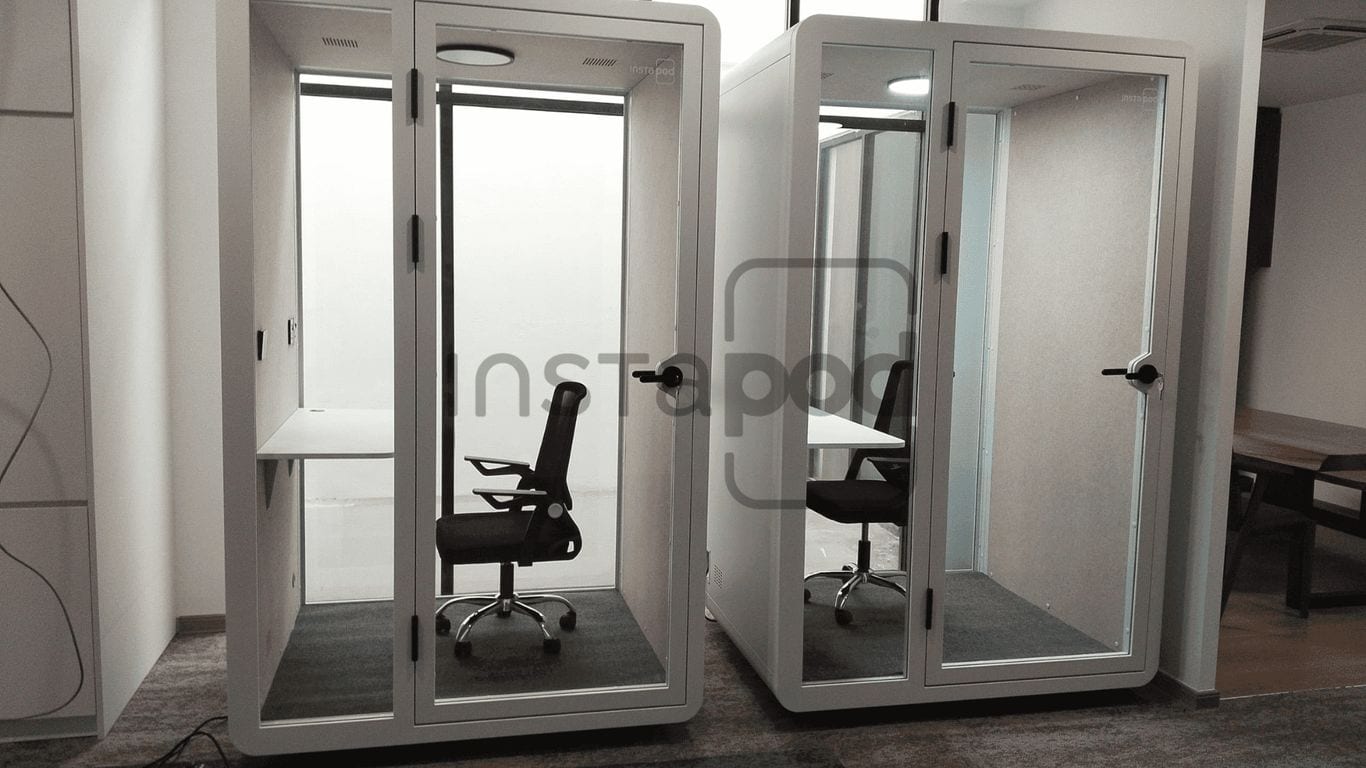
Forget those novelty phone booths you might have seen years ago. Today’s working pods are more like mini-rooms that pop up anywhere. They’re not just decorative add-ons; they’re smart architectural pieces. You can set them up without any major construction, no downtime, and no permanent changes to your office layout. They’re perfect for creating instant private spaces when you need them.
Adapting To Evolving Work Styles
Work styles change, teams shift, and people need different things throughout the day. Pods offer that flexibility. They can be used for quiet focus work, quick one-on-one chats, or just a moment of peace away from the general buzz. This adaptability is key in 2026, where offices need to keep up with how people actually work.
Here’s a quick look at how pods address common open office problems:
- Noise: Pods absorb sound, keeping conversations and calls contained. This means fewer interruptions for everyone else.
- Privacy: They provide a dedicated, quiet space for focused tasks or sensitive discussions.
- Flexibility: Easily reconfigured or moved as your team’s needs change, unlike fixed walls.
The shift towards pods isn’t just a trend; it’s a response to the practical challenges of modern work environments. They offer a tangible solution to the noise and distraction that plague many open-plan setups, making them more than just furniture – they’re functional spaces.
We’re seeing pods used for everything from private calls in office telephone booths to small team huddles. These aren’t just office phone booths anymore; they’re versatile tools for a more functional workspace.
The Essential Role Of Working Pods In Hybrid Workplaces
Meeting The Demands Of Flexible Work Schedules
The way we work has really changed, hasn’t it? With more people splitting their time between home and the office, the office itself needs to do more. It’s not just about having a desk anymore. People need spaces that can handle all sorts of tasks – a quick private call, some serious heads-down work, or even a small team huddle. This is where workpods come in. They’re like little adaptable zones that fit right into an open-plan setup. Think of them as giving employees the power to choose their environment, which is a big deal when you’re trying to make a hybrid setup actually work.
Enhancing Productivity Through Reduced Distractions
Let’s be honest, open offices can be loud. Trying to concentrate when there’s constant chatter or impromptu meetings happening nearby is tough. It’s not just annoying; it breaks your focus and makes tasks take way longer. Workplace pods offer a simple, effective way to get away from all that noise. They’re designed to be quiet zones. You can step inside a pod for a video call without worrying about everyone hearing your conversation, and people outside don’t get disturbed by your call. This means fewer interruptions and more time spent actually getting things done. It’s less about working faster and more about working without constant mental fatigue from distractions.
Prioritizing Employee Wellbeing And Focus
Beyond just getting more done, these workpods really help with how people feel at work. When you can’t find a quiet spot to focus or take a private call, it adds a layer of stress. This can lead to burnout, which nobody wants. Providing these private spaces shows that the company cares about employee wellbeing. It gives people a place to decompress, concentrate deeply on complex tasks, or just have a moment of calm. It’s about creating an environment where people can do their best work because their basic needs for privacy and focus are met. It’s a design problem, not a people problem, and pods are a smart solution.
Here’s a quick look at what pods bring to the table:
- Privacy: A dedicated space for calls, focused work, or sensitive conversations.
- Quiet: Significant reduction in ambient noise for better concentration.
- Flexibility: Easily reconfigurable or relocated as office needs change.
- Wellbeing: A calm environment that reduces stress and supports mental health.
The shift to hybrid work means offices need to be more than just a place to sit. They need to be adaptable environments that support different work styles and individual needs. Workplace pods are a key part of making that happen, offering privacy and focus without isolating people from their teams.
Integrating Working Pods For Optimal Space Utilization
Data-Driven Space Planning With Pod Analytics
Figuring out how to best use office space can feel like a guessing game sometimes, right? Especially with hybrid work meaning not everyone is in every day. That’s where pods really shine. They’re not just furniture; they’re smart tools. By tracking how often pods are used, and for how long, companies can get a real picture of what spaces are actually needed. This isn’t about watching people, but about understanding patterns. If a certain type of pod is always booked, maybe you need more of those. If another sits empty, perhaps it’s in the wrong spot or not the right design. This kind of info helps make sure you’re not wasting precious square footage on rooms that nobody uses.
- Understand peak usage times.
- Identify underutilized areas.
- Inform future office layouts.
- Optimize resource allocation.
Using data from pod usage helps companies make smarter decisions about their office layout. It means less guesswork and more efficient use of the space you have, which is a big deal when real estate costs are so high.
Seamless Integration With Collaboration Technology
Pods aren’t just for quiet time anymore. They’re becoming mini tech hubs. Think about it: you’re in a pod for an important video call. You need reliable internet, good lighting, and maybe a screen to share. Modern pods come with built-in power outlets, USB ports, and sometimes even integrated screens. This means you can jump into a call without fiddling with cables or worrying about your battery dying. It makes the transition from focused work to collaboration smooth. The goal is to make these private spaces functional for all sorts of work, not just silent contemplation.
| Feature | Benefit |
|---|---|
| Integrated Power/USB | Keep devices charged and ready for use. |
| Good Lighting | Improves visibility for video calls. |
| Soundproofing | Ensures clear audio without background noise. |
| Optional Screens | Facilitates screen sharing and presentations. |
Expanding Pod Usage Beyond Traditional Offices
We often think of pods just for corporate offices, but their use is spreading. Co-working spaces, for example, are finding them invaluable. Members need private spots for calls or focused work amidst a busy shared environment. Universities are looking at them for quiet study areas or small group project rooms. Even places like airports or busy public libraries could benefit from offering temporary private spaces. It’s about providing a moment of calm and focus wherever people need it, without needing to build permanent structures. This flexibility means pods can pop up in all sorts of places where a bit of privacy is suddenly required.
Cost-Effectiveness And Practicality Of Working Pods
When you look at the price tag on some of these modern working pods, it’s easy to do a double-take. But let’s break down why they actually make a lot of sense for businesses today, especially when you compare them to the old way of doing things.
Comparing Pod Investment Against Traditional Construction
Building out permanent private offices or meeting rooms in an existing open-plan space is a whole production. You’re talking contractors, permits, dust, noise, and a significant chunk of change. A typical small office build-out can easily run into tens of thousands of dollars, not to mention the weeks or even months it takes to complete. Pods, on the other hand, are like furniture you can step inside. They arrive mostly assembled, and installation is usually a matter of hours, not weeks. This speed means less disruption to your daily operations and a much quicker return on your investment. The upfront cost for a decent pod might seem high, but it’s often a fraction of what you’d spend on traditional construction for a similar private space.
| Feature | Working Pods | Traditional Construction |
|---|---|---|
| Upfront Cost | Moderate | High |
| Installation Time | Hours to Days | Weeks to Months |
| Flexibility/Relocation | High | Low |
| Disruption During Install | Minimal | Significant |
| Future Reconfiguration | Easy | Difficult/Costly |
The Value Proposition Of Modular Workspace Solutions
Think about it: you’re not just buying a box; you’re buying flexibility and functionality. These modular solutions are designed to adapt. Need to change your office layout next year? No problem, you can often move the pods. Need more quiet spaces because your team is growing? You can add more pods without a major renovation. Plus, they come with built-in features like power outlets, USB ports, and good ventilation, which are all things you’d have to specifically plan and pay for in a traditional build.
- Reduced Distractions: Pods offer a quiet zone, cutting down on the noise that plagues open offices. This means people can actually concentrate.
- Improved Focus: With fewer interruptions, employees can get more done in less time.
- Better Use of Space: Instead of having large, underutilized areas, pods allow you to create functional private zones exactly where you need them.
- Employee Satisfaction: Providing quiet spaces shows you care about your employees’ ability to work comfortably and productively.
The real value isn’t just in the initial purchase price, but in the ongoing benefits of flexibility, reduced operational disruption, and the tangible boost to employee productivity and well-being. It’s about creating a more adaptable and efficient workspace without the commitment and cost of permanent structures.
Achieving A Repeatable And Bounded Workday
For many people, especially in hybrid setups, the lines between work and home can get pretty blurry. Having a dedicated, quiet space like a pod within the office can help create a more defined workday. It’s a physical boundary that signals ‘focus time’ or ‘private call time.’ This separation can make it easier for employees to switch off when they leave the office, contributing to a healthier work-life balance. It’s about giving people the tools to manage their own environment and, by extension, their workday, making it more predictable and less stressful.
The Future Outlook For Working Pod Adoption
So, where are things headed with these office pods? It’s pretty clear they’re not just a passing fad. We’re seeing a definite uptick, especially from companies that are really leaning into the hybrid work model. Think tech startups, creative agencies, and service-based businesses – they’re the ones needing that flexible space the most. It’s less about having a permanent desk for everyone and more about having the right kind of space available when people need it.
Increased Adoption In Hybrid-First Companies
Companies that have fully embraced hybrid work are leading the charge. They understand that a one-size-fits-all office just doesn’t cut it anymore. They need spaces that can adapt to fluctuating numbers of people in the office on any given day. Pods fit right into this by offering dedicated spots for focused work or private calls without taking up a huge chunk of real estate permanently.
Growing Interest In Data-Connected Pods
This is a big one. Businesses are starting to look at how these pods are actually used. By collecting data on occupancy and duration, companies can get a much clearer picture of their space needs. This information helps them plan better, ensuring they have enough pods where they’re needed most and aren’t wasting money on underutilized areas. It’s about making smarter, data-backed decisions for office layouts.
Sustainability And Material Innovations
There’s also a growing push towards greener options. Manufacturers are looking at using more recycled materials and low-emission components in pod construction. Plus, the modular nature means pods can often be relocated or even resold, which is a much better environmental footprint than traditional construction. It’s about building for the future, both in terms of work and the planet.
The shift towards pods isn’t just about adding furniture; it’s about rethinking how office space supports different work styles and needs. It’s a move towards more adaptable, people-centric environments that acknowledge the realities of modern work.
Here’s a quick look at what’s driving this trend:
- Flexibility: Pods offer a quick way to add private space without major construction.
- Cost-Effectiveness: Compared to building new rooms, pods are often a more budget-friendly option.
- Productivity Boost: Reducing distractions means people can get more done.
- Employee Well-being: Providing quiet zones can significantly lower stress levels.
We’re also seeing pods pop up in places you might not expect, like co-working spaces, universities, and even retail environments. Anywhere people need a moment of quiet or a private space for a call, pods are becoming the go-to solution.
Transforming Work Environments With Acoustic Pods
Creating Instant Private Spaces Without Construction
Remember when the only way to get some quiet was to find an empty conference room or, let’s be honest, hide in the restroom? Those days are thankfully fading. Acoustic pods are like magic boxes that pop up anywhere, giving you a private nook without needing a construction crew. They’re not just fancy furniture; they’re architectural solutions that carve out personal space right in the middle of a busy open office. This means you can jump on a call, buckle down for some deep work, or just have a moment of peace without disrupting the whole floor. It’s about giving people control over their immediate surroundings, which, as it turns out, makes a huge difference in how people feel about their workday.
Effective Noise Management In Open-Plan Offices
Open offices were supposed to boost collaboration, and sure, they can. But they also brought a whole new level of noise pollution. Trying to manage this with just ‘quiet zones’ or policy reminders? It’s like trying to stop a flood with a teacup. People get stressed, they burn out, and they start to disengage, often without ever saying a word. Acoustic pods tackle this head-on. They absorb sound, keeping conversations and calls contained. This isn’t about making the office silent; it’s about giving people the option to escape the constant hum and chatter when they need to concentrate. It reduces the mental load of trying to filter out distractions, leading to fewer interruptions and a generally calmer atmosphere.
Pods As Essential Furniture For Modern Workspaces
It’s becoming clear that acoustic pods aren’t just a nice-to-have anymore; they’re becoming standard office equipment. Think of them like a good chair or a reliable monitor – you just need them to get the job done. With more people working flexible schedules, the office needs to be functional for those who are actually there. Pods provide that functionality by offering private spaces for focused work, quick one-on-one chats, or just a place to decompress. They adapt to changing team sizes and work styles, which is a big deal when you don’t want to be constantly reconfiguring your office.
The real value of these pods isn’t just in their soundproofing capabilities, but in the autonomy they grant employees. Giving people the power to choose their work environment, even for short periods, can significantly impact their satisfaction and output. It’s a quiet, often overlooked, but deeply effective way to support mental clarity and reduce daily workplace stress.
Here’s a quick look at why they’re so important:
- Reduced Distractions: Significantly cuts down on interruptions from ambient noise and nearby conversations.
- Improved Focus: Allows for deep work sessions without the mental fatigue of constant task-switching.
- Enhanced Privacy: Provides secure spaces for sensitive calls or confidential discussions.
- Increased Well-being: Offers a respite from overstimulation, lowering stress levels and boosting overall job satisfaction.
By 2026, offices that don’t offer these kinds of flexible, focused spaces will likely struggle to keep their employees engaged and productive. It’s about creating an environment where people can do their best work, on their own terms.
The Way Forward is Flexible
So, looking ahead to 2026 and beyond, it’s pretty clear that the office isn’t going back to how it was. Open plans had their moment, but the reality is, people need quiet spots and private spaces to really get their work done. Trying to manage noise with just rules just doesn’t cut it. Pods offer a simple, smart way to add these much-needed private zones without a huge construction project. They’re adaptable, they help cut down on distractions, and honestly, they just make the office a better place to be. Investing in pods isn’t just about having cool new furniture; it’s about creating a workspace that actually works for everyone, no matter how they work.
Frequently Asked Questions
What exactly is a working pod?
Think of a working pod as a small, private room that you can set up inside a larger office space. It’s like having a mini-office or a quiet booth that you can use for calls, focused work, or small meetings without needing to build walls. They are designed to be quiet and help you concentrate.
Why do offices need these pods now?
Offices used to be mostly open, but people found it hard to focus with all the noise and distractions. Also, with more people working from home sometimes and in the office other times (that’s called hybrid work), offices need to be flexible. Pods give people a quiet place to work when they are in the office, helping everyone be more productive and less stressed.
Are these pods expensive?
Building a whole new room can cost a lot of money and take a long time. Pods are usually less expensive than building permanent rooms. They are like special furniture that gives you a private space quickly. While they do cost money, they often save offices money compared to traditional construction.
Do pods actually help people focus better?
Yes, they really do! Pods are built to block out noise. When you’re not constantly interrupted by sounds around you, it’s much easier to concentrate on your work. This means you can get more done and do a better job, especially on tasks that need a lot of thinking.
Can pods be moved or changed if the office layout needs to shift?
That’s one of the best things about pods! They aren’t permanent like walls. You can often move them to different spots in the office if your needs change. This makes them very flexible, which is great for offices that are always adapting to new ways of working.
Are pods just for quiet work, or can they be used for meetings too?
Pods can be used for both! Some are small, perfect for one person to focus or take a private call. Others are larger and can fit a few people, making them great for small team meetings or brainstorming sessions where you don’t want to disturb others or be disturbed yourself.
The post Why Every Office Needs a Working Pods in 2026 appeared first on InstaPod Singapore.