Transforming Corporate Layouts for Focus and Innovation
Workplaces aren’t what they used to be. Here’s what you should remember about how companies are changing their spaces for better focus and idea-sharing.
Key Takeaways
- Office layouts are moving away from rows of desks and toward flexible spaces, including office pods.
- Zones for quiet work and group talks help people focus and work together.
- Tech tools now connect teams, whether they’re in the office or at home.
- Designing with people in mind means thinking about comfort, health, and how teams work best.
- Trying out different layouts and tracking what works helps companies keep improving.
Rethinking Workplace Design for Enhanced Productivity
The way we work has changed, and our offices need to catch up. It’s not just about having desks and chairs anymore; it’s about creating spaces that actually help people do their best work. We’re moving away from the old, one-size-fits-all approach to something much more thoughtful.
The Evolution of Office Layouts
Think back to the cubicle farms of the past. They were designed for a different era, one where individual tasks were king and collaboration was often an afterthought. Then came the open-plan office, which aimed to boost interaction but often led to noise and distractions. Now, we’re seeing a shift towards more flexible and varied environments. Companies are realizing that different tasks require different settings. This means moving beyond just rows of desks to include areas for quiet work, quick chats, and focused team sessions. It’s about giving employees choices.
Creating Zones for Collaboration and Focus
To really get things done, we need to think about creating distinct zones within the office. Imagine a space with:
- Collaboration Hubs: These are lively areas designed for brainstorming, team meetings, and social interaction. Think comfortable seating, whiteboards, and easy access to technology.
- Focus Zones: These are quiet areas where individuals can concentrate on deep work without interruption. This might include individual workstations, library-like settings, or even small, private spaces.
- Transitional Areas: These are spaces that bridge the gap, like casual seating areas or small meeting nooks, perfect for impromptu discussions or a quick break.
This zoning approach acknowledges that productivity isn’t a single state of being; it’s dynamic and depends on the task at hand. The goal is to provide the right environment for every type of work.
Integrating Technology for Seamless Workflows
Technology is no longer just a tool; it’s woven into the fabric of our workspaces. Think about how easily we can now connect with colleagues across the globe. This needs to be reflected in our physical spaces. We need:
- Ubiquitous Connectivity: Reliable Wi-Fi and ample power outlets are non-negotiable.
- Smart Meeting Rooms: Rooms equipped with video conferencing, easy screen sharing, and intuitive controls that make remote collaboration feel as natural as being in person.
- Digital Signage and Booking Systems: Tools that help employees find available spaces, book meeting rooms, and stay informed about office happenings.
When technology works smoothly in the background, it removes friction and allows people to concentrate on their actual work. It’s about making the tools disappear so the focus can be on the task. We’re even seeing the rise of specialized solutions like the outdoor office pod, offering a unique environment for focused work away from the main office bustle. While some might worry about costs, exploring options like a cheap office pod can make these innovative solutions accessible. The idea of a modular office pod also speaks to the flexibility we’re aiming for, allowing spaces to be reconfigured as needs change.
Fostering Innovation Through Strategic Space Planning
Thinking about how the office layout can actually help people come up with new ideas is pretty interesting. It’s not just about having desks and chairs; it’s about creating an environment where creativity can actually happen. When we design our workspaces with intention, we can make it easier for people to connect, share thoughts, and build on each other’s ideas. It’s about more than just aesthetics; it’s about function and how people interact within the space.
Designing for Agility and Adaptability
Companies today need to be able to change direction quickly. The office space should reflect that. Think about furniture that can be moved around easily, or areas that can be quickly reconfigured for different types of meetings or projects. This flexibility means the office isn’t a static thing; it can grow and change with the company’s needs. It’s about making sure the physical space doesn’t get in the way when the business needs to pivot.
- Modular furniture systems that allow for quick rearrangement.
- Movable walls or partitions to create temporary meeting zones.
- Open areas that can be adapted for different group sizes and activities.
- Access to technology in various configurations to support spontaneous collaboration.
Encouraging Cross-Pollination of Ideas
Innovation often sparks when people from different teams or backgrounds bump into each other and share what they’re working on. The office layout can help make these chance encounters more likely. Think about common areas, break rooms, or even hallways designed to encourage lingering and conversation. It’s about breaking down silos and creating opportunities for unexpected connections.
The physical layout of an office can either encourage or discourage the free flow of ideas. By intentionally designing spaces that promote interaction between different departments and roles, companies can create a fertile ground for new concepts to emerge.
The Role of Quiet Spaces and the Office Pod
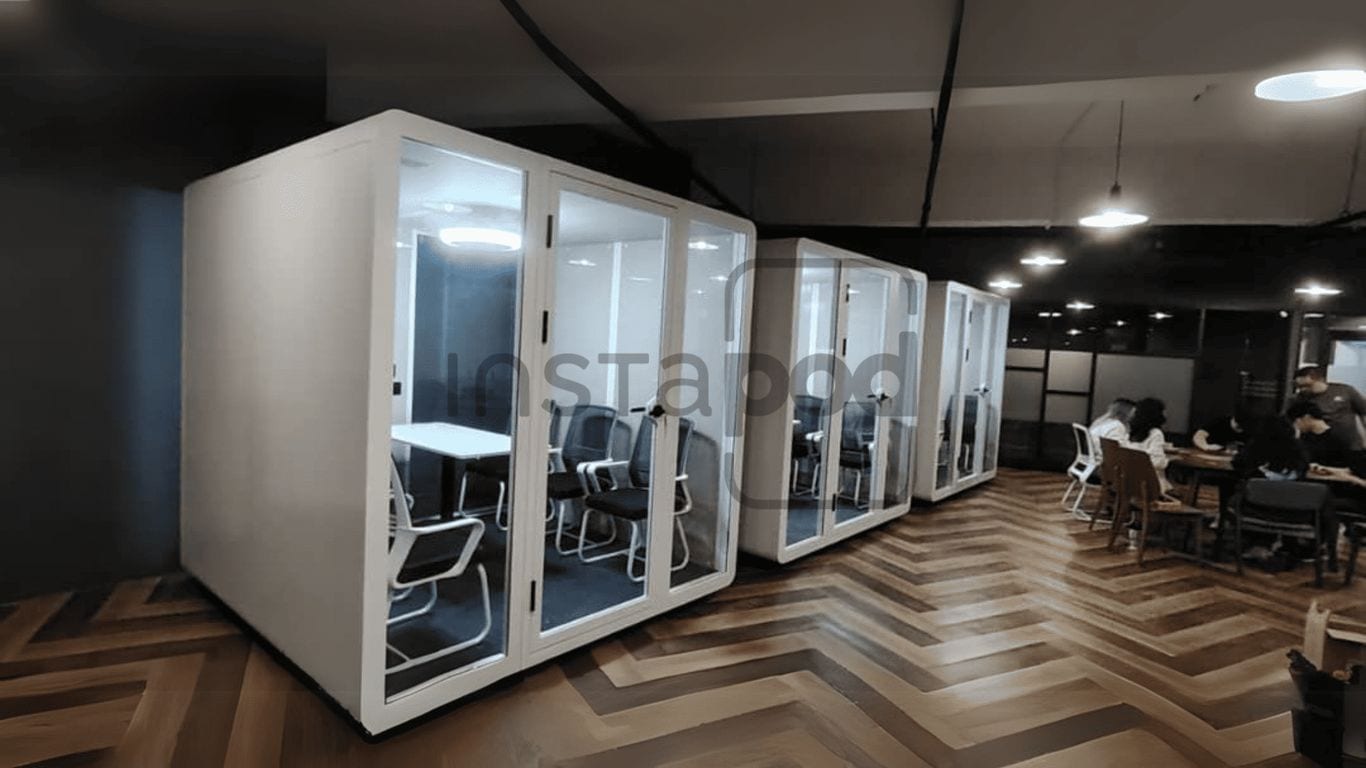
While collaboration is important, so is focused, individual work. Sometimes, the best ideas come when someone has a quiet space to think without distractions. This is where things like soundproof booths, small private offices, or dedicated "focus pods" come in. These areas give people a place to concentrate, process information, and develop their thoughts without interruption. It’s a balance – you need spaces for talking and spaces for thinking.
Here’s a look at how different spaces can support varied work needs:
| Space Type | Primary Purpose |
|---|---|
| Open Collaboration | Brainstorming, team meetings, social interaction |
| Quiet Zones | Deep work, concentration, individual tasks |
| Meeting Rooms | Formal presentations, structured discussions |
| Huddle Rooms | Small group discussions, quick check-ins |
| Focus Pods | Solitary thinking, private calls, deep focus |
Human-Centered Design in Corporate Environments
Prioritizing Employee Well-being
When we talk about designing corporate spaces, it’s easy to get caught up in the aesthetics or the latest tech gadgets. But at the heart of it all, we need to remember who these spaces are for: people. Thinking about employee well-being isn’t just a nice-to-have; it’s becoming a necessity for companies that want to attract and keep good talent. This means looking at everything from the air quality and natural light to the availability of quiet spots for breaks and the overall stress level the environment might create.
- Natural Light and Biophilia: Maximizing natural light and incorporating plants can significantly reduce eye strain and improve mood. Think large windows and indoor greenery.
- Ergonomics and Comfort: Providing adjustable furniture and comfortable seating options supports physical health and reduces discomfort throughout the workday.
- Mental Health Support: Creating dedicated quiet zones, meditation rooms, or even just comfortable nooks away from the main hustle can give employees a much-needed mental reset.
The physical environment directly impacts how people feel and perform. A space that feels oppressive or chaotic will drain energy, while one that feels supportive and calm can actually help people recharge and focus.
Understanding User Needs in the Workspace
Before you start rearranging furniture or picking out paint colors, you really need to understand who will be using the space and how. This isn’t a one-size-fits-all situation. Different teams have different workflows, and individuals have unique preferences. Gathering this information often involves talking to people, observing how they work, and maybe even running some surveys. It’s about getting a real picture of the daily grind and identifying pain points that a new layout could solve.
The goal is to design spaces that actively support the work people do, rather than getting in their way.
Here’s a quick look at how different roles might have different needs:
| Role Type | Primary Need |
|---|---|
| Developer | Uninterrupted focus, quiet environment |
| Sales | Collaborative spaces, client-facing areas |
| Marketing | Flexible areas for brainstorming, visual tools |
| HR/Admin | Private meeting rooms, accessible workstations |
Balancing Individual Needs with Team Dynamics
This is where things can get tricky. You want to give individuals the space and autonomy they need to do their best work, but you also need to make sure teams can connect, collaborate, and build a sense of community. It’s a constant balancing act. Too much focus on individual pods might make spontaneous team interactions harder, while an open-plan office might drown out those who need quiet concentration. The trick is to create a variety of spaces that cater to both. Think about having areas for loud, energetic group work right alongside soundproof booths for private calls or focused tasks. It’s about offering choices so people can find the environment that works best for them at any given moment.
The Impact of Digital Transformation on Office Spaces
Leveraging Digital Tools for Collaboration
The way we work has changed, and a lot of that has to do with the digital tools we now use every day. Think about it – not too long ago, getting a group of people together to brainstorm meant booking a conference room and hoping everyone showed up. Now, we can connect with colleagues from anywhere, sharing ideas in real-time. This shift has really sped things up for innovation. We can bring people together who are miles apart, all working on the same problem in a shared digital space. It’s not just about getting work done; these tools let us add a bit of personality, too. Emojis, GIFs, and even short video clips can make discussions feel more human and less like a dry exchange of information. This adds a layer of richness to how we communicate and collaborate.
Supporting Hybrid and Remote Work Models
Digital transformation has made it possible for many companies to embrace hybrid and remote work. This means people aren’t tied to a physical desk anymore. They can work from home, a coffee shop, or even a different city. This flexibility can be a big plus for employees, letting them work in environments where they feel most comfortable and productive. Sometimes, seeing a bit of someone’s personal space – maybe a pet wanders by or a child pops in – can actually make the creative process feel more real and relatable. It offers a glimpse into where people are at, which can humanize the work experience.
The pandemic really pushed companies to adapt quickly. Now, as things settle, leaders are looking at which digital tools are worth keeping and how to support employees better. The goal is to move forward, using what we’ve learned to make work more dynamic and innovative.
Digitizing the Innovation Process Itself
Innovation isn’t just about physical spaces anymore. We’re seeing more and more companies digitize their entire innovation process. This means using digital platforms for everything from initial idea generation to final product development. It allows for faster cycles and quicker responses to changing market needs. Even when people can’t be in the same room, they can still collaborate effectively. For tasks requiring quiet concentration, solutions like the acoustic office pod provide a dedicated, sound-dampened space within a larger, potentially noisy environment, allowing for deep focus without distraction.
Here’s how digital tools are changing innovation:
- Faster Idea Sharing: Digital platforms allow for instant sharing and feedback on ideas, speeding up the iteration process.
- Global Talent Access: Companies can tap into talent pools worldwide, not limited by geographical location.
- Asynchronous Collaboration: Teams can work together even across different time zones, contributing when it suits them best.
- Data-Driven Insights: Digital tools can help collect and analyze data more efficiently, informing innovation decisions.
Strategic Implementation of Flexible Work Solutions
Flexible work solutions are changing how companies approach workflow, space, and employee satisfaction. The success of these strategies really comes down to matching workspace design with the day-to-day needs of people – not just tacking on trends or copying competitors. Adaptability and a personal touch stand out here.
The Rise of the Office Pod for Deep Work
A big shift: companies are investing in office pods. These are quiet, often soundproof spaces where you can actually get stuff done without endless distractions. Office pods create pockets where people can focus—without having to leave the office or try to find a spare meeting room.
- Pods are used for video calls, solo projects, or quick recharging (a must with open offices)
- Practical for hybrid teams who may only work onsite now and then
- They can cut down on noise complaints and boost concentration for everyone
| Workspace Element | Before Office Pods | With Office Pods |
|---|---|---|
| Overall Noise | High | Reduced |
| Privacy Level | Low | High |
| Focused Tasks | Interrupted | Protected |
Giving employees a dedicated zone for heads-down work shows trust and respect for different work styles.
Designing for Diverse Work Styles
Flexible work isn’t a one-size-fits-all deal. Teams and individuals work in their own ways, and office layouts should reflect that variety. There’s everything from loud brainstormers to folks who need total silence to think.
Some key approaches:
- Offer a mix of open areas, enclosed meeting rooms, and semi-private pods.
- Allow employees to pick where they’ll be most productive based on the task at hand.
- Ask for real feedback—what’s working, what feels like a hassle?
- Use movable furniture and modular spaces, so layouts can change as teams shift.
Being flexible is less about gadgets and more about listening and adapting.
Measuring the Success of New Layouts
If you don’t track what’s working, you’ll never know if flexible solutions actually help. Measurement should be ongoing, not just a one-and-done survey.
- Productivity: Are projects finishing faster or smoother?
- Job satisfaction: Do people like the changes, or are they just putting up with them?
- Space usage: Are quiet zones, pods, and communal areas being used as expected?
- Collaboration: Any boost from more "casual encounters" in redesigned spaces?
| Metric | Pre-Flex Layouts | Post-Flex Layouts |
|---|---|---|
| Employee Satisfaction (%) | 65 | 82 |
| Focused Task Completion | Medium | High |
| Meeting Room Bottlenecks | Frequent | Rare |
Regular check-ins are helpful for tweaking policies and layouts as people’s needs shift over time.
Flexible work solutions are a journey. Get feedback, adjust, and keep trying to blend productivity with a workday that actually makes sense for your team.
Conclusion
Changing up the way offices are set up isn’t just about moving desks around. It’s about helping people do their best work, whether that means working together or needing quiet time. The office pod is a good example of how companies are trying out new ideas to help staff focus and come up with fresh solutions. As more businesses try flexible layouts and digital tools, it’s clear that the workspace is always changing. The real trick is to keep listening to what people need and making adjustments as work keeps changing.
Frequently Asked Questions
What is an office pod?
An office pod is a small, private space inside a bigger office. People use it to work quietly or have private calls.
Why are companies using office pods?
Office pods help workers focus by blocking out noise. They also give people a break from busy open offices.
How do office pods help teams?
Pods let people step away when they need to think or work alone. When they come back, they’re ready to share new ideas with the team.
Can office pods be moved around?
Yes, many pods are built to be moved. This helps companies change their layout as they grow or try new ways of working.
Are office pods good for video calls?
Yes, pods are great for video calls because they cut down on background noise and make it easier to hear and be heard.
Do office pods replace meeting rooms?
Not really. Pods are for one or two people, while meeting rooms fit bigger groups. Both are useful for different kinds of work.
The post Transforming Corporate Layouts for Focus and Innovation appeared first on InstaPod Singapore.