The Ultimate Guide to Designing Focused Workspaces with Premium Work Pods and Collaborative Meeting Pods
Here are the main things to remember about using work pods to make your office better. These points will help you understand why they’re useful and how to use them well.
Key Takeaways
- Work pods help cut down on noise and distractions, making it easier to focus.
- They provide private spaces for important calls or concentrated work.
- Meeting pods are great for teamwork, especially with hybrid setups.
- Technology in pods, like screens and good audio, helps teams connect better.
- Creating a mix of different work zones, including pods, gives employees more choice.
Understanding The Value Of Work Pods
Defining The Modern Office Pod
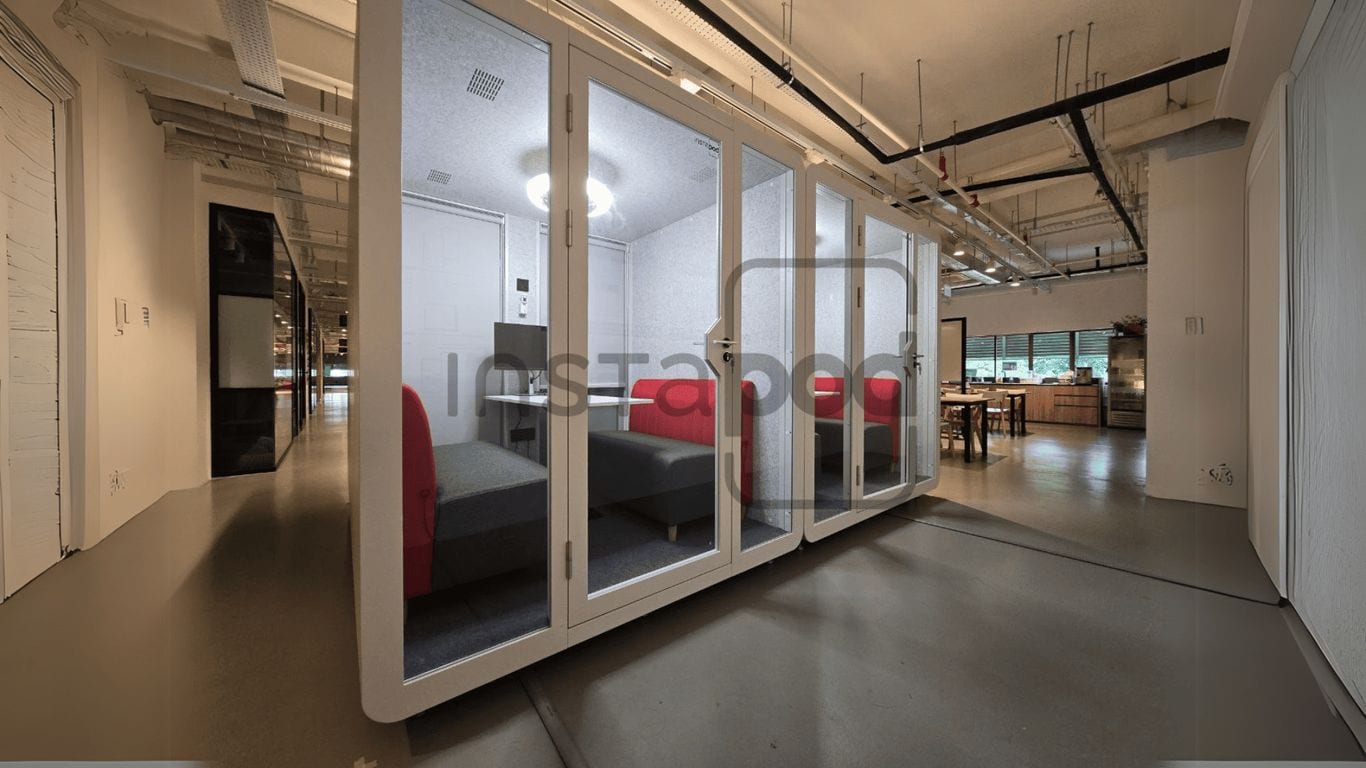
So, what exactly is a modern office pod? Think of them as self-contained little rooms or booths you can place right inside your existing office space. They aren’t permanent structures like walls; they’re more like furniture, but way more functional. You can get them in all sorts of sizes, from a cozy spot for one person to a small room that fits a few people for a quick chat. They’re designed to give you a bit of privacy and quiet, even when the rest of the office is buzzing with activity. It’s like having your own personal zone within the larger open plan.
Why Premium Quality Work Pods Matter
When you’re looking at these pods, you’ll see a big difference between the cheap ones and the premium ones. Premium quality pods are built to last and actually do what they promise. This means they’re made with better materials, so they feel solid and look good. More importantly, they usually have better soundproofing. You know, so you can actually hear yourself think or have a private call without everyone else listening in. They often come with better lighting and ventilation too, making them a much more comfortable place to spend time. It’s not just about having a box; it’s about having a well-designed, comfortable, and effective space.
The Cost-Effectiveness Of Work Pod Solutions
Now, you might think adding these pods is going to cost a fortune, like a major renovation. But honestly, compared to building out new offices or even just trying to soundproof a whole section of your current space, pods can be a really smart financial move. You can buy them and set them up pretty quickly, often in just a few hours, without shutting down your whole office. Plus, if your company moves or needs to rearrange things, you can often just pick them up and move them. It’s a flexible solution that gives you a lot of bang for your buck.
Here’s a quick look at why they make sense:
- Reduced Disruption: Installation is fast, meaning less downtime for your team.
- Flexibility: Easily move or reconfigure pods as needs change.
- Targeted Investment: Address specific needs like quiet work or private calls without overhauling the entire office.
Investing in quality pods isn’t just about buying furniture; it’s about creating a more productive and adaptable work environment that supports different work styles without a massive capital outlay.
Designing For Focused Work With Work Pods
Mitigating Distractions With Acoustic Pods
Open offices are great for some things, like quick chats or feeling the buzz of activity. But when you really need to get stuff done, that buzz can turn into a roar. Think about trying to write a report while someone nearby is on a loud call, or the constant shuffle of people walking past your desk. It’s tough to concentrate, right? Acoustic work pods are like little quiet zones you can drop right into the middle of a busy office. They’re built with materials that soak up sound, so the chatter and clatter outside just fades away. This means you can actually hear yourself think and get into that flow state where work just happens.
Here’s why they’re so good at blocking noise:
- Sound-Dampening Materials: Pod walls are often made with special layers designed to absorb sound waves, not just block them.
- Sealed Construction: Doors and windows fit snugly, creating a barrier that prevents sound from leaking in or out.
- Ventilation Systems: Even the air vents are designed to minimize noise transfer, so you don’t hear the office hum through the system.
The goal is to create a personal bubble of quiet, allowing for uninterrupted focus on tasks that require deep concentration.
Creating Private Havens For Deep Concentration
Beyond just blocking noise, these pods offer a sense of privacy that’s hard to find elsewhere in a modern office. It’s not just about avoiding distractions; it’s about having a dedicated space where you can be fully present with your work. Whether you’re analyzing complex data, writing code, or drafting important documents, having a private spot can make a huge difference in the quality and speed of your output. It’s a place where you can spread out your notes, pace a little if you need to, or just sit in silence without feeling like you’re on display. This kind of personal space is really important for mental well-being and productivity.
The Role Of Single-Person Work Pods
For many tasks, a solo workspace is ideal. Single-person work pods are perfect for those moments when you need to focus entirely on your own work without any interruptions. They’re like a personal office you can set up anywhere. These pods are great for:
- Taking important private phone calls without worrying about who might overhear.
- Engaging in video conferences where you need a professional and quiet background.
- Performing tasks that require intense focus, like detailed editing or complex problem-solving.
They provide a controlled environment, free from the visual and auditory distractions that can pull your attention away from what you’re doing. It’s about giving individuals the autonomy to choose where and how they work best, especially when deep concentration is the priority.
Enhancing Collaboration With Meeting Pods
Open offices are great for some things, but when you need to really hash out ideas or have a proper team discussion, they can fall short. That’s where meeting pods come in. These aren’t just fancy rooms; they’re designed to make teamwork smoother, especially when you’ve got people working from different places.
Facilitating Seamless Hybrid Team Interactions
Hybrid work is here to stay, and meeting pods are a big help. They give remote folks a better sense of being in the room with their colleagues. Think of it like this: instead of a bunch of people on a screen in a big conference room, you can have a smaller group in a dedicated pod. This makes it feel more personal and less like you’re just talking to a wall of tiny faces. It helps bridge the gap between those in the office and those dialing in from home.
Equipping Pods For Real-Time Idea Generation
To really get ideas flowing, meeting pods need the right tools. We’re talking about things like interactive whiteboards or large screens where you can sketch out concepts together. It’s way better than just scribbling on a notepad that only one person can see. Having these tools right there means you can capture thoughts as they happen, without losing momentum.
Here are some ways to equip your pods:
- Large, touch-enabled displays
- Digital whiteboards with easy sharing options
- Good quality cameras and microphones
- Comfortable seating for focused discussion
Balancing Spontaneous Chats And Structured Meetings
Meeting pods aren’t just for planned meetings. They can also be used for those quick, impromptu chats that often spark the best ideas. Having these smaller, enclosed spaces means you can have a quick huddle without disturbing everyone else. It strikes a good balance between needing a quiet place for a formal discussion and having a spot for a quick, informal brainstorm.
The right meeting pods can transform how teams connect. They provide a dedicated space that minimizes outside noise and visual distractions, allowing for more productive conversations. This focused environment is key for both planned agendas and those sudden bursts of inspiration that drive innovation.
Integrating Technology Into Collaborative Pods
Okay, so we’ve got these cool meeting pods, right? But what good are they if the tech inside is a headache? In today’s world, where some folks are in the office and others are dialing in from who-knows-where, making sure everyone can actually work together is the main goal. If you spend half your meeting trying to get the screen to share or the audio to work, you’ve already lost the momentum. The tech needs to just work, no fuss.
Seamless AV for Unified Experiences
This is all about making the tech feel invisible. You walk in, and things just connect. Think about it: high-quality cameras that actually follow the speaker, so remote people don’t miss a beat. Good microphones scattered around the table, not just one at the end that picks up everyone’s muffled whispers. The idea is that whether you’re sitting in the pod or joining from your couch, it feels like you’re all in the same room. No more feeling like a second-class citizen because you’re on a screen.
Interactive Displays for Dynamic Brainstorming
Forget static whiteboards. These pods should have big, touch-screen displays. This way, everyone, remote or in-person, can jump in and draw, write, or add ideas right on the screen. It makes brainstorming way more active and keeps everyone engaged. It’s like having a digital canvas that everyone can paint on together, no matter where they are.
Ensuring Accessible Power and Connectivity
This might sound basic, but it’s super important. People need places to plug in their laptops and devices. And not just one or two outlets hidden behind a plant. We’re talking about easily reachable power and strong Wi-Fi. If your battery dies halfway through a big idea session, that’s a problem. Having enough ports and reliable internet means people can stay focused on the work, not on finding a working outlet.
The best technology in a collaborative pod isn’t the fanciest; it’s the tech that gets out of the way. It should support the conversation and the ideas, not become the conversation itself. When it’s done right, people forget they’re even using technology and just focus on collaborating.
Creating An Ecosystem Of Work Zones
Balancing Vibrant Hubs and Quiet Retreats
Think of your office not as one big space, but as a collection of different zones, each with its own purpose. You need places where people can really connect and bounce ideas around, and then you absolutely need spots where they can get their heads down and focus without interruption. It’s like a city – you have busy downtown areas and then quiet residential streets. The same idea applies to a modern workspace.
The goal is to give people options, letting them pick the environment that fits what they’re trying to do right then.
Here’s a quick look at some common zone types:
- Social Hubs: These are casual, comfy areas, maybe near a coffee station. They’re designed for those unplanned chats that can lead to great ideas. Think soft seating and a relaxed vibe.
- Huddle Rooms: Small, private spots for quick meetings of 2-4 people. Perfect for a brief sync-up or a private call.
- Project War Rooms: Dedicated spaces for teams deep in a project. They have lots of whiteboard space and flexible setups to keep everyone focused and on the same page for days.
- Focus Pods: Single-person units designed for deep concentration, offering acoustic privacy.
The right mix of these zones makes the office a place people want to come to, because it actually helps them do their best work, whatever that might be on any given day.
The Importance of Varied Work Environments
Why does having different kinds of spaces matter so much? Well, people work differently. Some thrive on the buzz of activity, others need silence to think. A workspace that only caters to one style ends up frustrating everyone else. When you offer a variety, you acknowledge that everyone has their own rhythm and needs.
Consider the lighting, for example. Social hubs might have warmer, softer light, while focus areas need brighter, more task-oriented lighting to reduce eye strain. Even the furniture plays a role – plush sofas invite lingering conversations, while an upright chair at a high table encourages a more focused, shorter interaction. It’s about creating a physical environment that supports the mental state needed for different tasks.
Empowering Employee Choice In Space Selection
Ultimately, the most effective workspaces are those that give employees agency. When people can walk into the office and choose a spot that genuinely suits their task – whether it’s a quiet pod for writing a report or a lively hub for brainstorming with colleagues – they feel more in control and more productive. This freedom to select their environment is a big part of what makes a modern office appealing, especially for hybrid teams who are already managing a lot of flexibility.
It’s not just about providing the spaces; it’s about trusting your team to use them wisely. When you build this ecosystem of work zones, you’re not just designing a building; you’re creating a tool that helps your people do their best work, together and apart.
Strategic Implementation Of Work Pods
Customizing Pod Sizes For Specific Needs
When you’re looking at office pods, the first thing to figure out is what size you actually need. It’s not a one-size-fits-all situation, you know? Think about what people will actually be doing in these work pods. Are they for one person to really buckle down and concentrate? Or are they for small teams to have quick chats or even a private video call? Some companies need taller pods for people who like to stand while they work, while others might need wider ones for two people to sit comfortably. Getting the dimensions right from the start means people will actually use them. It’s about making sure the space fits the task, not forcing the task to fit the space.
The Mobility And Reconfigurability Of Pods
One of the really neat things about these workplace pods is that they aren’t permanent fixtures. Unlike building out a new conference room, which is a huge commitment, pods can be moved. Offices change, teams grow or shrink, and project needs shift. Having pods means you can rearrange your space pretty easily. Need to create a quiet zone for a specific project? Move some pods over there. Suddenly have a new team that needs a small meeting spot? You can shift them around. This flexibility is a big deal for keeping an office feeling fresh and functional without major construction headaches.
Starting Small With Pilot Projects
If you’re new to the idea of office pods, it can feel a bit overwhelming to outfit the whole place at once. A smart move is to start with a pilot project. Pick a department or a specific area and try out a few work pods there. See how people use them, what works, and what doesn’t. Gather feedback. This way, you can learn a lot before making a big investment. It’s like testing the waters before you jump in. You might find that certain types of pods are way more popular than others, or that people have specific requests you hadn’t considered. This approach helps you make more informed decisions for a wider rollout later on.
Implementing workplace pods isn’t just about adding furniture; it’s about rethinking how people work and interact within the office. It’s a way to bring more structure and privacy to open-plan layouts without sacrificing the collaborative spirit.
Here’s a quick look at common pod uses:
- Deep Focus Work: Single-person pods for tasks requiring intense concentration.
- Private Calls: Small pods suitable for confidential phone conversations or video meetings.
- Small Team Huddles: Pods designed for 2-4 people for quick discussions or collaborative sessions.
- Hybrid Meetings: Pods equipped with technology to connect remote and in-office team members.
Conclusion
So, work pods are more than just fancy furniture; they’re smart tools for building better offices. Whether you need a quiet spot to think or a place to brainstorm with your team, pods can help. By mixing and matching different types of spaces, you can create an office where everyone feels comfortable and productive. It’s all about giving people choices and making the workspace work for them. Think about trying out a few pods to see how they can change your office for the better.
Frequently Asked Questions
What exactly is a work pod?
Think of a work pod as a small, private room that you can put inside a bigger office. It’s like a mini-office or meeting room that’s usually soundproof. You can use it to get away from the noise and get your work done without interruptions.
Why are premium work pods better than regular ones?
Premium pods are built with better materials, so they last longer and feel more comfortable. They often have better soundproofing, nicer lighting, and more comfortable seats. It’s like choosing a comfy, well-made chair over a cheap one – it just makes a difference in how you feel and work.
Can work pods really help with teamwork?
Yes, they can! Meeting pods are designed for groups. They often have screens and good sound systems so everyone, whether they’re in the room or joining from far away, can see and hear each other clearly. This makes working together much smoother.
Are work pods expensive?
They can seem like a big purchase, but they are often cheaper than building new rooms. Plus, they can be moved around if you change your office layout. So, while there’s a cost, they can be a smart and flexible choice for improving your workspace without a huge renovation.
What kind of technology should be in a meeting pod?
Good meeting pods have things like big screens you can write on, good cameras and microphones so everyone can be seen and heard, and easy ways to connect your laptop. The goal is to make it simple for people to share ideas and work together, no matter where they are.
Can I put work pods in a small office?
Absolutely! There are pods in all sorts of sizes, from small ones for just one person to chat on the phone, to larger ones for small meetings. You can pick the size that fits your office and what you need most.
The post The Ultimate Guide to Designing Focused Workspaces with Premium Work Pods and Collaborative Meeting Pods appeared first on InstaPod Singapore.