The Rise of Work Pods in the Hybrid Work Culture
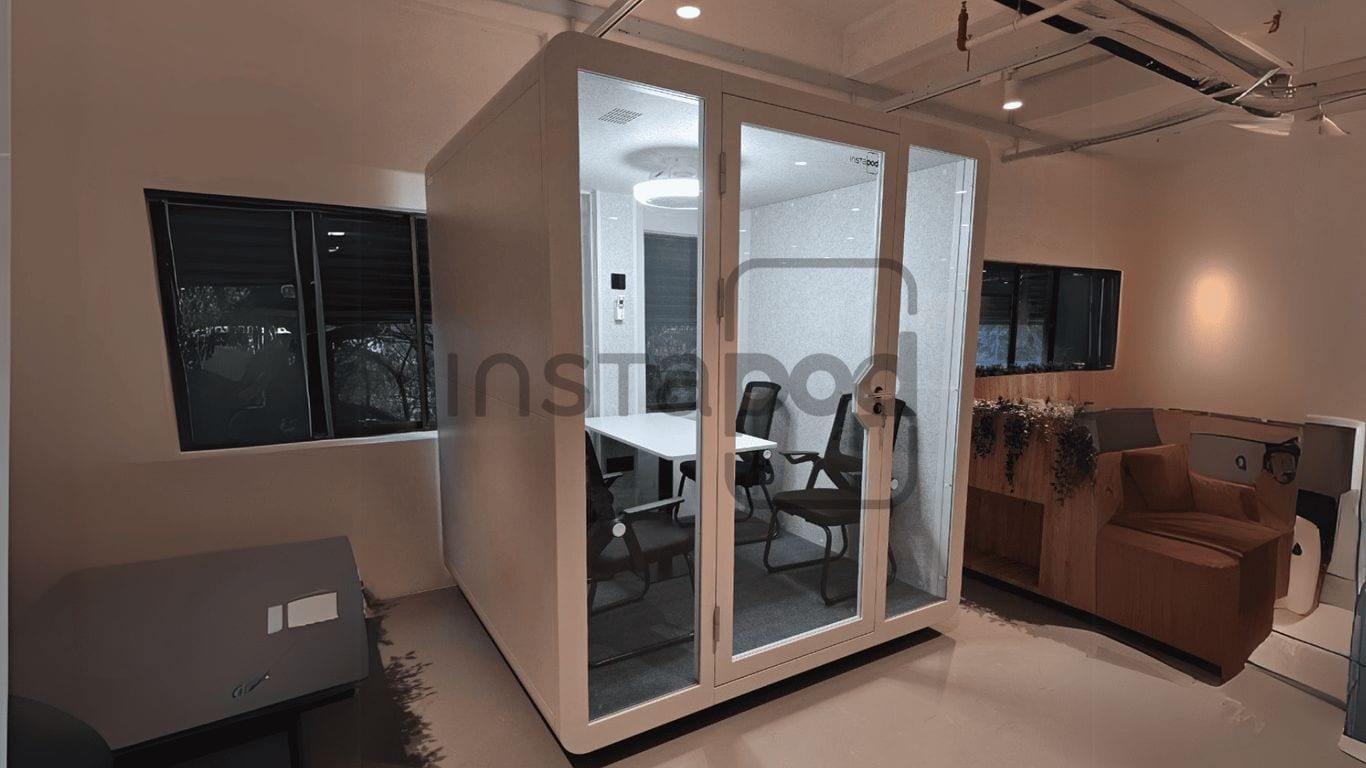
These days, offices look a lot different than they did just a few years ago. With so many people splitting their time between home and the workplace, companies are searching for new ways to make their spaces work better for everyone. One thing that’s really catching on is the use of work pods singapore. These small, private booths are popping up in offices all over, and they’re changing how people get things done. Instead of sticking with the old open-plan designs or building permanent rooms, more businesses are turning to these pods for a bit of peace, privacy, and flexibility.
Key Takeaways
- Work pods singapore are becoming popular as offices shift to hybrid work, giving employees more choice in where and how they work.
- Traditional open offices often leave people distracted and without privacy, but pods offer a simple fix that doesn’t require major renovations.
- Pods can be moved, reconfigured, or added as needed, so companies don’t have to commit to expensive, permanent builds.
- These pods make it easier for people to focus, join video calls, or have private conversations without leaving the main workspace.
- Choosing modular work pods also helps reduce waste and supports companies looking for more eco-friendly office solutions.
The Evolving Landscape Of Modern Workspaces
The Shift Towards Hybrid Work Models
The way we work has really changed, hasn’t it? What started as a temporary move to working from home has now become a pretty standard hybrid setup for a lot of companies. People are splitting their time between their living rooms and the office, and this has made businesses stop and think about how their physical office spaces are actually used. It’s not just about having desks anymore; it’s about creating an environment that works for everyone, whether they’re in the office full-time, just a few days a week, or working remotely.
This shift means offices need to do more. They have to be places where teams can connect and brainstorm, but also spaces where individuals can get their heads down and focus without a million distractions. Traditional open-plan offices, which were supposed to encourage collaboration, often end up being noisy and full of interruptions. Trying to have a private phone call or a confidential chat can be a real challenge. Plus, making big changes to these spaces, like building new walls or rooms, is expensive and takes a lot of time.
Limitations Of Traditional Office Designs
Open-plan offices were a big idea a while back, meant to break down barriers and get people talking. And sometimes, they do work for quick chats or team huddles. But let’s be real, they often fall short when it comes to deep work. The constant hum of activity, people walking by, and impromptu conversations can make it tough to concentrate on tasks that require real focus. It’s like trying to read a book in the middle of a busy train station.
Privacy is another big issue. If you need to discuss something sensitive with a client or a colleague, or even just take a personal call, you often have to find a quiet corner, step outside, or book a meeting room that might already be taken. This isn’t ideal for productivity or for making employees feel comfortable and respected.
Here’s a quick look at some common issues:
- Noise distractions: Constant background chatter, phone calls, and keyboard typing can disrupt concentration.
- Lack of privacy: Difficult to have confidential conversations or focus on tasks requiring deep thought.
- Limited flexibility: Traditional layouts are hard to change quickly to meet evolving team needs.
- Inefficient space use: Areas might be underutilized, while others are overcrowded.
The modern office needs to be more than just a place to sit. It has to support a variety of work styles and needs, from quiet concentration to lively collaboration, all within the same physical footprint. This requires a more thoughtful approach to design than simply arranging desks in rows.
The Purpose Of Dedicated Work Zones
So, what’s the point of creating these special areas? It’s all about giving people options. Instead of everyone having the same desk in the same open space, dedicated zones offer different environments for different types of work. Think of it like having different rooms in your house for different activities – a kitchen for cooking, a living room for relaxing, and a quiet study for reading. In an office, this could mean quiet pods for focused work, small meeting rooms for quick discussions, and larger collaborative spaces for team projects.
These zones acknowledge that not everyone works best in the same way. Some people thrive on the buzz of an open office, while others need silence to be productive. Providing these distinct areas allows employees to choose the environment that best suits their task and their personal working style. It’s a way to make the office more adaptable and responsive to the actual work people need to do. This flexibility is key to making hybrid work actually work well.
Understanding The Appeal Of Work Pods
Addressing The Need For Focused Work
So, why are these little rooms suddenly everywhere? Well, think about the modern office. It’s often a big, open space, right? Great for collaboration, sure, but not so great when you actually need to get some serious thinking done. That’s where work pods come in. They’re basically little sanctuaries designed to help you escape the noise and distractions. They give you a quiet spot to concentrate, take a private call without everyone overhearing, or just have a moment to yourself. It’s about giving people back some control over their immediate environment.
Enhancing Privacy In Open Offices
Privacy used to be a given in offices with cubicles or private offices. Now, with more open layouts, it’s become a bit of a challenge. Pods solve this by creating a physical barrier. They aren’t completely soundproof, mind you, but they do a pretty good job of muffling conversations and background noise. This means you can have a sensitive client call or a confidential chat without worrying about who might be listening.
Here’s a quick rundown of how they help:
- Reduced Distractions: Minimizes interruptions from colleagues and general office chatter.
- Confidentiality: Provides a secure space for sensitive discussions or calls.
- Personal Space: Offers a temporary retreat for focused tasks or a moment of calm.
The idea is simple: give employees the option to find a space that fits their current task. It acknowledges that not all work happens best in the middle of a busy office floor.
The Role Of Acoustic Pods In Hybrid Workplaces
In a hybrid setup, where people are in the office on some days and remote on others, flexibility is key. Acoustic pods are particularly useful here. They can be easily moved or reconfigured as team needs change. If you suddenly need more quiet zones for focused work, you can just add a few pods. If a team needs a small, private meeting space for a day, a pod can serve that purpose. They’re not a permanent fixture like a built-out conference room, making them super adaptable. This means your office layout can actually keep up with how your company works, rather than the other way around. It’s a smart way to make sure the office space is working for everyone, no matter their schedule or task.
Key Advantages Of Incorporating Work Pods
Bringing work pods, like an office privacy booth, into the workplace isn’t just about making things look modern. It solves real problems that crop up in hybrid offices every day, especially with distractions and a lack of quiet, private spots. Here’s a look at how work pods fit into today’s changing workspace.
Boosting Productivity And Employee Well-being
Work pods allow people to focus and get work done—sometimes that’s all you really need. Whether you’re trying to ignore the buzz of an open office or just need a place to think, these booths create that option. You don’t have to stress about someone overhearing a sensitive conversation or getting interrupted mid-thought. This little bit of breathing space can make a huge difference:
- Fewer interruptions mean more focused work, boosting job satisfaction.
- Employees can have personal calls, quick meetings, or even just take a breather without feeling exposed.
- The pods show respect for personal needs, like a mom needing a private spot, or someone needing a few quiet minutes to reset.
People do better work when they know there’s a space in the office where they can be left alone or have private chats—not everything needs to happen in the middle of the open floor.
Flexibility Without Major Construction
If you’ve ever tried to renovate office space, you know it’s messy, expensive, and takes forever. That’s where work pods come in—no wrecking balls required. These things:
- Can be put together in a day or two, instead of weeks of construction.
- Don’t require changes to walls or ceilings, so you can move them if things change.
- Can be scaled up or down. If you suddenly need more quiet spaces, just add a couple more pods.
Here’s a quick comparison for context:
| Feature | Office Privacy Booth | Traditional Build |
|---|---|---|
| Installation Time | 1–2 days | Several weeks |
| Cost (approximate) | Lower | Higher |
| Reconfigurable? | Yes | No |
| Creates Building Waste? | Minimal | A lot |
Maximizing Functionality Within Existing Space
What do you do if the office gets busier or quieter by the month? With work pods:
- You create extra meeting spots or phone booths without taking up much real estate.
- Pods fit right into awkward corners or unused areas, making every bit of space useful again.
- Teams can move pods around to match new projects, saving the hassle of permanent layouts.
In short: an office privacy booth or pod helps companies get the most from their space, with none of the drama that comes from construction or re-organizing desks.
All in all, adding work pods is less about showing off something trendy and more about making work, well, actually work—for everyone in the building.
Work Pods Singapore: A Strategic Investment
Adapting To Dynamic Work Environments
Singapore’s business scene is always on the move, right? Companies here need spaces that can keep up. That’s where work pods really come into their own. They’re not like building a whole new room; you can just put them where you need them. Need a spot for a quick, private chat? A quiet phone booth is perfect for that. Need a small area for a team to brainstorm without bothering others? A slightly larger pod can do the trick. This kind of flexibility means your office layout doesn’t have to be set in stone. It’s about making your workspace work for you, not the other way around.
Future-Proofing Your Workplace With Pods
Think about how quickly things change in business. What works today might not be ideal next year. Investing in office pods in Singapore is a smart way to stay ahead. These aren’t permanent fixtures. If your team structure changes or a new project requires a different setup, you can simply move or reconfigure the pods. It’s like having modular building blocks for your office. This adaptability means you can tweak your workspace without a massive renovation project or a huge bill. It keeps your office agile and ready for whatever comes next.
Reducing Waste With Modular Solutions
Let’s face it, traditional office makeovers can be pretty wasteful. Tearing down walls and ripping out old fittings creates a lot of rubbish. Work pods, especially those found in places like Singapore, are often built off-site and then assembled. When you’re done with them, or if you need to relocate, they can be taken apart and moved. This modular approach is much better for the environment. Plus, if your company is trying to be more eco-friendly, choosing pods made from recycled materials is a good step. It’s a more responsible way to build out your office space.
Here’s a quick look at how pods help:
- Flexibility: Easily reposition or reconfigure pods as needs change.
- Sustainability: Reduces construction waste compared to traditional renovations.
- Cost-Effectiveness: Avoids the high costs associated with major structural changes.
- Functionality: Provides dedicated spaces for focused work, calls, or small meetings.
The integration of office pods signifies a mature understanding of workplace dynamics. It’s about providing choice and acknowledging that productivity isn’t a one-size-fits-all concept. These spaces allow individuals to self-regulate their environment, leading to better output and overall job satisfaction.
Innovative Solutions For Flexible Workspaces
The way we work has changed, and our offices need to keep up. Traditional setups just don’t cut it anymore for hybrid teams. That’s where some really smart, flexible solutions come in, and workspace pods are a big part of that. They’re not just fancy boxes; they’re designed to solve real problems in today’s offices.
Working Spaces’ Approach To Workspace Pods
Companies like Working Spaces are really leaning into this idea of flexible spaces. They see pods as more than just furniture; they’re tools to make offices work better for everyone. Think about it: you can pop into a pod for a quick, private call without disturbing anyone, or use it for some serious focus time when the open office gets too noisy. They’ve put these pods in all sorts of places, from big corporate buildings to college campuses. It’s all about giving people the space they need, when they need it.
Working Spaces makes the whole process pretty simple. You pick the pod that fits your needs, they order it, and it usually shows up within a couple of weeks. Then, installation takes just a few hours. If you want extra touches, like lights that show if the pod is occupied or special finishes, they can handle that too. They even do custom designs if you have something really specific in mind, maybe incorporating wellness features or the latest soundproofing tech.
The Cultural Impact Of Flexible Design
It’s not just about the physical space, though. Putting in these kinds of flexible options says something about how a company values its people. When you invest in spaces that give employees control over their environment, it shows you care about their work-life balance and their overall well-being. It’s about creating a place where people can actually do their best work and feel good doing it.
Investing in flexible design, like workspace pods, sends a clear message to employees: their comfort, privacy, and ability to concentrate are priorities. This can lead to a more positive and productive work environment.
What’s Next For Workspace Innovation?
So, what’s on the horizon? We’re seeing a move towards even smarter, more integrated solutions. Think about pods that can adapt their layout, or spaces that use technology to manage occupancy and air quality automatically. The goal is to create offices that are not just functional but also responsive to the needs of the people using them. It’s about making the office a place people want to be, a place that supports different work styles and helps everyone perform at their best. The future is definitely about adaptable, people-centric spaces.
Here’s a quick look at how different industries are using these flexible solutions:
- Technology Firms: Need layouts that can change quickly for fast-moving teams.
- Consulting Groups: Require private spots for sensitive client discussions.
- Financial Institutions: Prioritize security and a quiet atmosphere.
- Coworking Spaces: Focus on making the most of every square foot.
- Educational Institutions: Use pods for quiet study or virtual meetings.
This shows just how versatile these modular solutions can be.
Conclusion
So, that’s the story with work pods. They’re popping up everywhere, and honestly, it makes sense. Offices just aren’t what they used to be—people want a mix of quiet and collaboration, and pods are a pretty straightforward fix. Instead of tearing down walls or building new rooms, you just roll in a pod and you’ve got a private spot for calls or focused work. It’s not rocket science, but it does make a difference. Employees feel like their needs actually matter, and companies get to keep things flexible without spending a fortune. As hybrid work keeps changing how we use office space, it looks like these pods are here to stay. Who knows, maybe in a few years, we’ll wonder how we ever worked without them.
Frequently Asked Questions
Why are so many offices using work pods now?
Offices are using work pods because more people are working in a hybrid way, meaning they split their time between home and the office. These pods give people a quiet place to focus or take calls without bothering others. It’s all about giving workers more choices and making the office a better place to be.
What’s the main point of having work pods?
The main idea is to create quiet, private spots within a bigger, often noisy, office. They help people concentrate on tasks that need deep thinking or have important video calls. They also help keep private conversations private, which is hard to do in open office plans.
Are work pods noisy inside?
No, good work pods are designed to be quiet inside. They often have special walls and doors that block out noise from the rest of the office. This way, you can have a private conversation or focus on your work without hearing what’s going on outside.
Is it hard to put work pods in an office?
Not really! Most work pods are like furniture kits. They can be put together pretty quickly, sometimes in just a few hours, without needing major construction. Some can even be moved around the office if you need to change the layout later on.
Can work pods help my business save money?
Yes, they can. Instead of building permanent rooms, which costs a lot and takes time, pods are a quicker and often cheaper way to add private spaces. Plus, because they’re not permanent, you can move them if your office needs change, saving you money on future renovations.
What’s the future for these office pods?
Work pods are likely to become even more common. As more companies use hybrid work, they’ll need flexible spaces like these. We might see them get even better with things like built-in tech and even more ways to customize them to fit different needs.
The post The Rise of Work Pods in the Hybrid Work Culture appeared first on InstaPod Singapore.