
Streamline Your Workflow: Expert Tips for Setting Up Booths and Soundproof Solutions in Any Office environment.
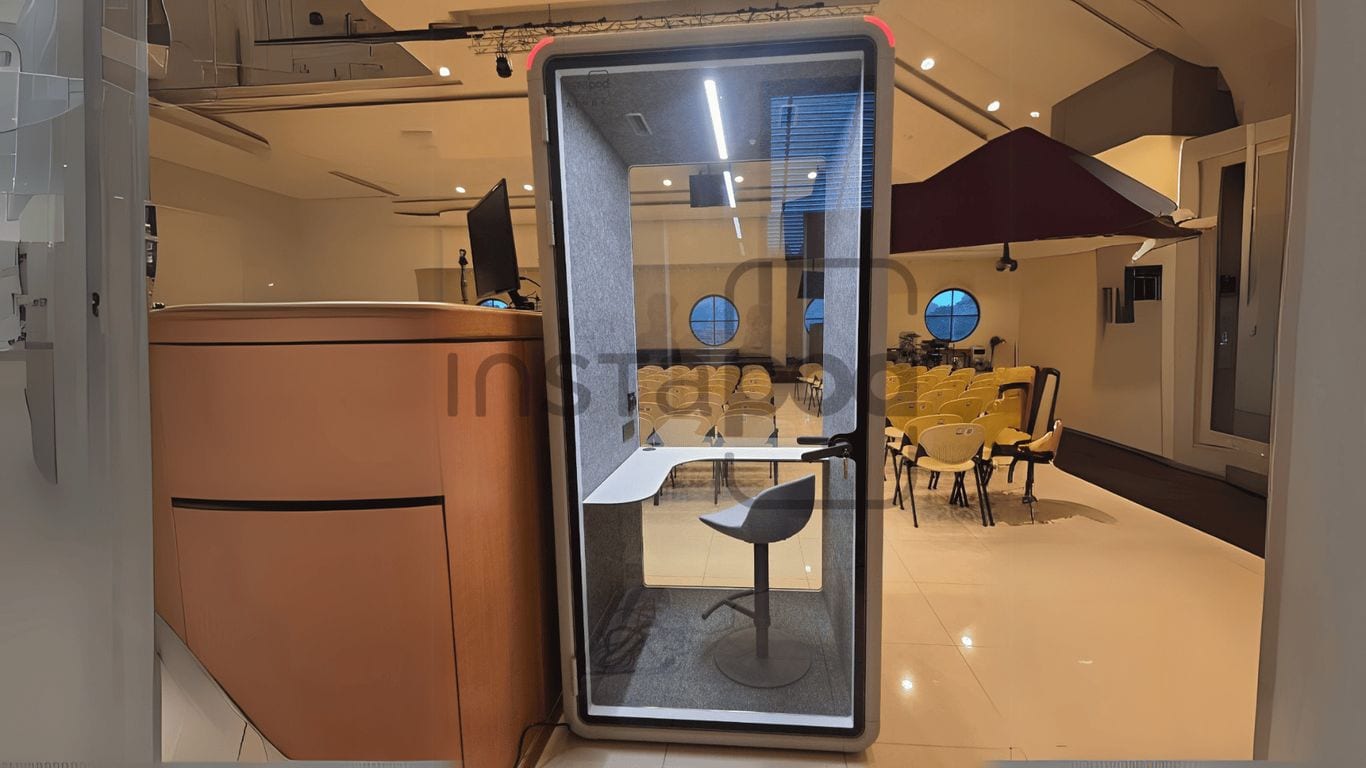
Here are the main points to remember when you’re thinking about making your office quieter and more productive by setting up soundproof solutions.
Key Takeaways
- Placing soundproof booths strategically involves looking at your office’s noise levels and where people work most.
- To get the best sound isolation from booths, check their noise reduction ratings and make sure they have good airflow.
- Besides booths, use things like acoustic panels, soft furniture, and even noise-masking tech to help quiet things down.
- Creating dedicated quiet zones, with or without booths, helps people focus and requires clear rules for everyone to follow.
- Modular booths are great because they can be moved and changed as your office needs change, fitting into modern designs.
Strategic Placement Of Soundproof Booths
When you’re looking to cut down on office noise, thinking about where to put your soundproof booth is a big deal. It’s not just about sticking it anywhere; you need to be smart about it. The right spot can make a huge difference in how well it works and how it fits into your daily grind.
Assessing Your Office’s Acoustic Landscape
First off, get a feel for how sound moves around your office. Where does noise seem to build up the most? Are there certain areas that are always louder than others? You might want to walk around with a notepad, or even use a simple sound meter app on your phone, to get a general idea. Think about the layout – are there lots of hard surfaces that bounce sound around? Are there open areas where conversations just echo endlessly? Understanding these basic acoustics will help you figure out the best places to put a soundproof booth.
Identifying High-Traffic Noise Zones
Next, pinpoint the spots that are real noise hotspots. This usually means areas near entrances, busy walkways, kitchens, or even printers. If people are constantly walking by or talking loudly near a particular spot, that’s probably not the best place for someone trying to focus. Look for where the most foot traffic happens and where the most chatter tends to occur. These are the areas where a soundproof booth would be most beneficial, acting as a quiet escape from the surrounding hubbub.
Integrating Booths into Existing Layouts
Once you know where the noise is and where you might want a quiet spot, think about how a soundproof booth will actually fit in. Does it block a main walkway? Does it look out of place? Sometimes, placing a booth in a slightly less obvious spot, like a corner or an underutilized area, can be better for flow. You want it to be accessible but not disruptive. Consider the size and shape of the booth too; some are quite compact, while others are larger. Making sure the booth complements your office’s current setup, rather than fighting against it, is key to a smooth integration.
Placing a soundproof booth isn’t just about noise reduction; it’s also about creating functional zones within your office. Think about how people move and interact, and try to position the booth where it serves a purpose without getting in the way.
Maximizing Sound Isolation With Booths
So, you’ve got your eye on those neat little soundproof booths for the office. Smart move. These things are like personal quiet zones you can just drop into a busy space. But not all booths are created equal, and getting the most out of them means looking at a few key things.
Understanding Decibel Reduction Ratings
When you’re shopping for a booth, you’ll see numbers like ‘dB reduction’ or ‘sound isolation rating’. This tells you how much quieter it gets inside compared to the outside. A higher number means better soundproofing. For a typical office chat, you might be okay with a lower rating, but if you’re doing sensitive calls or need serious focus, you’ll want something that knocks the noise down significantly. Think about what you’ll actually be doing in there. A booth that reduces sound by 25 dB is pretty good, but one that hits 30 dB or more is going to make a noticeable difference, especially if the office is really loud.
| Booth Type | Typical dB Reduction | Best For |
|---|---|---|
| Basic Phone Booth | 15-20 dB | Quick, quiet phone calls |
| Standard Booth | 20-28 dB | Focused work, private conversations |
| High-Performance | 28+ dB | Sensitive calls, video conferences, deep focus |
Ensuring Adequate Ventilation for Comfort
This is a big one people forget. You’re sealed up in this booth to block out noise, which is great, but you don’t want to feel like you’re in a sauna. Good ventilation is key. Look for booths that have quiet, built-in fans or vents that don’t let sound leak in. If you’re going to be in there for more than a few minutes, especially if it’s warm, you’ll appreciate the airflow. Some booths have adjustable fan speeds, which is a nice touch. You don’t want to be sweating through an important call, right?
Choosing Booths with Sound-Absorbing Materials
What the booth is made of inside really matters. The walls, ceiling, and even the floor should have materials that soak up sound, not just bounce it around. Think soft, porous stuff. This stops echoes from happening inside the booth and helps absorb any sound that does manage to sneak in. Materials like felt, special acoustic foam, or dense fabric panels are common. The goal is to create a quiet pocket where sound goes in and doesn’t come back out, and where any sound made inside stays inside. It’s all about stopping that sound energy in its tracks.
When picking a booth, don’t just look at the outside. The internal materials and the way it’s put together are what really make it quiet. Check for things like thick walls, sealed edges, and soft interior surfaces. These details add up to a much better soundproofing experience.
Beyond Booths: Complementary Acoustic Solutions
While soundproof booths are fantastic for creating isolated quiet zones, they aren’t the only trick up your sleeve for taming office noise. You can actually do a lot with other, often simpler, solutions to make your workspace sound better. Think of these as the supporting cast that makes the whole acoustic performance shine.
Implementing Acoustic Panels and Ceiling Tiles
These are like sponges for sound, but for your walls and ceilings. Acoustic panels are designed to soak up sound waves that would otherwise bounce around, creating that echoey, distracting environment. You can get them in all sorts of styles, colors, and sizes, so they can actually look pretty good and blend in with your office decor. Placing them strategically on walls, especially in areas where people talk a lot or where sound tends to bounce, makes a big difference. Ceiling tiles do a similar job but tackle sound coming from above. They help stop conversations from drifting and reduce that general office hum.
- Placement is key: Focus on walls opposite each other and in high-traffic areas.
- Consider the material: Different panels have different absorption rates.
- Aesthetics matter: Choose panels that complement your office’s look.
Utilizing Sound-Absorbing Furniture and Decor
Hard surfaces like glass, bare walls, and hard floors are sound’s best friend – they just love to reflect noise. Softening these surfaces up can really calm things down. Think plush rugs, fabric-covered chairs, upholstered sofas, and even heavy curtains. These items don’t just look nice; they actively absorb sound, reducing the overall reverberation in a room. It’s a simple way to make an open space feel less like a cavern and more like a comfortable work environment.
Adding soft furnishings is a straightforward way to cut down on echo and make your office feel more comfortable. It’s about breaking up those hard, reflective surfaces that amplify noise.
Exploring Noise-Masking Technology
This might sound a bit counterintuitive, but sometimes, adding a controlled sound can actually make things quieter. Noise-masking systems, often called sound masking, introduce a low-level, unobtrusive background sound – think of it like a gentle hum. This sound is specifically designed to cover up distracting noises like conversations, phone calls, or keyboard clicks. It doesn’t eliminate noise, but it makes it less noticeable and less disruptive to your concentration. It’s like turning down the volume on the annoying sounds without making everything silent.
- How it works: It raises the ambient noise floor just enough to make speech unintelligible.
- Types: Systems can range from simple desktop units to integrated building-wide solutions.
- Benefits: Improves speech privacy and reduces the impact of sudden noises.
Creating Dedicated Quiet Zones
Sometimes, you just need a place to get away from it all, right? In an office, that means setting up specific areas where people can really focus without the usual office chatter or ringing phones. These aren’t just random spots; they’re intentionally designed sanctuaries.
Designing Private Sanctuaries for Focus
Think of these zones as mini-retreats within the office. They’re for those times when you have a big project, a complex report, or just need to concentrate without any interruptions. We’re talking about spaces that actively work to keep noise out. This could mean anything from a small, enclosed booth designed for one or two people, to a larger, clearly marked area in the office that’s understood to be a no-talking zone. The goal is to create a physical and psychological separation from the main work area.
Establishing Clear Expectations for Quiet Spaces
Having the space is only half the battle. The real trick is making sure everyone respects it. You need to set some ground rules. This might involve clear signage indicating that the area is for quiet work only, or perhaps designating specific times of the day when the zone is active. It’s about building a shared understanding that this space is for deep work, not casual chats or loud phone calls. Communicating these expectations clearly and consistently is key to making these zones effective.
Enhancing Quiet Zones with Comfortable Furnishings
Once you’ve got the quiet zone established and the rules are clear, make it a place people actually want to be. This means adding comfortable seating – think ergonomic chairs or even a comfy sofa if the space allows. Good lighting is also a must; harsh fluorescent lights can be draining. Consider adding a few plants to make the space feel more welcoming and less sterile. The idea is to create an environment that supports concentration, making it easier for people to settle in and get their work done without feeling like they’re in a penalty box.
The Versatility Of Modular Booths
Modular booths are a game-changer for office acoustics. Think of them as flexible, self-contained units that you can place pretty much anywhere. They’re not stuck in one spot like a permanent room. This makes them super useful when your office layout changes or when you just need a quiet space for a bit. These office booths are designed to be moved, reconfigured, or even added to as your needs grow. It’s like having a portable quiet zone on demand.
Adaptability for Evolving Office Spaces
Offices today are always shifting. Teams expand, projects change, and sometimes you just need to rearrange things. Modular booths fit right into this. You can pick them up and move them to a new spot without a huge hassle. Need an extra office booth for a new team? Just add another module. This adaptability means your investment in acoustic solutions stays relevant, even as your workspace evolves. It’s a smart way to handle changing needs without major construction.
Ease of Installation and Portability
Forget about lengthy construction projects. Most modular booths, including those handy mobile booths, are designed for quick assembly. Often, they can be put together in a few hours. This means minimal disruption to your workday. Plus, their portability is a big plus. If your company relocates or decides to reconfigure the office floor plan, these booths can come along for the ride. It’s a practical solution for businesses that value flexibility.
Aesthetic Integration into Modern Designs
Nobody wants their office to look like a construction site. Thankfully, modern modular booths are designed with aesthetics in mind. They come in various styles and finishes that can actually complement your office decor. You can find office booths that look sleek and professional, blending in rather than sticking out like a sore thumb. They offer a way to add functional quiet spaces without sacrificing the overall look and feel of your workspace.
The real beauty of modular booths lies in their ability to provide instant, effective sound isolation without permanent structural changes. They offer a practical and adaptable solution for creating focused work environments in dynamic office settings.
Here’s a quick look at why they’re so adaptable:
- Quick Setup: Minimal disruption to your daily operations.
- Relocatable: Easily moved to new locations within the office.
- Scalable: Add more units as your needs increase.
- Variety: Available in different sizes and configurations to suit specific tasks, from single-person calls to small team meetings.
Enhancing Communication Through Acoustic Control
Let’s talk about how managing sound in your office can really make a difference in how well everyone communicates. It’s not just about making things quieter for focus; it’s also about making sure conversations and calls are clear and easy to understand. When sound bounces around too much, or when background noise is high, it’s tough to catch what someone is saying, especially on a phone call or during a virtual meeting. This can lead to misunderstandings and wasted time.
Improving Speech Intelligibility in Workspaces
Clear speech is key for effective collaboration. In an office with hard surfaces and lots of open space, voices can echo and get lost, making it hard to follow conversations. Adding soft materials helps absorb sound, so speech sounds more direct and less jumbled. Think about it: you can hear someone much better in a room with carpet and upholstered furniture than in an empty hall with bare walls.
- Strategic Placement of Absorptive Materials: Focus on areas where people talk the most. Placing acoustic panels on walls and using sound-dampening ceiling tiles can significantly cut down on echoes.
- Furniture Choices: Opt for chairs, sofas, and even desk dividers that have fabric or other soft surfaces. These aren’t just for looks; they actively soak up sound.
- Booth Usage: For important calls or discussions, using a soundproof booth means the person speaking is isolated from office noise, and their voice isn’t adding to the general din.
Ensuring Confidentiality for Calls and Meetings
Privacy is a big deal in any office. Whether you’re discussing sensitive client information or having a private HR conversation, you don’t want others overhearing. Soundproof booths are fantastic for this. They create a contained space where conversations stay put.
Soundproofing isn’t just about blocking noise from getting in; it’s equally about stopping sound from getting out. This dual action is what protects sensitive discussions.
Even without dedicated booths, you can take steps. Using partitions with good sound-dampening qualities can help create more private zones. Also, encouraging the use of meeting rooms for sensitive calls, rather than open-plan desks, makes a difference.
Reducing Distractions for Clearer Dialogue
Constant background noise is a major productivity killer. When people are trying to talk, but there’s a constant hum of activity, it’s exhausting. Reducing this ambient noise means people can focus on the conversation at hand. This leads to more productive meetings and fewer errors.
| Noise Source | Impact on Dialogue |
|---|---|
| Open-plan chatter | Makes it hard to hear specific voices. |
| Equipment hum | Creates a constant, low-level distraction. |
| Foot traffic noise | Disrupts concentration during calls. |
| Nearby phone calls | Can bleed into other conversations. |
By implementing solutions like acoustic panels, comfortable furniture, and dedicated quiet spaces or booths, you create an environment where communication flows freely and clearly, benefiting everyone in the office.
Conclusion
Making your office quieter is more than just reducing noise; it’s about creating a space where people can do their best work. While things like acoustic panels and comfy furniture help a lot, soundproof booths are like the all-in-one solution. They cut down noise, offer private spots for calls or focused work, and generally make the office a better place. They’re flexible, look good, and really work. Start with booths, and then add other sound solutions if needed. A quieter office means a happier, more productive team.
Frequently Asked Questions
Why is setting up booths good for an office?
Setting up booths, like small private rooms, is great because they give people a quiet place to make calls or work without distractions. They help cut down on noise that bothers everyone else and make sure private conversations stay private.
What’s the best way to place soundproof booths in an office?
You should look at where the office is loudest and where people need quiet the most. Putting booths near busy areas or places where people make a lot of calls can make a big difference.
How do I know if a booth is really soundproof?
Look for booths that mention how many decibels (dB) they can reduce. A higher number means they block more sound. Also, check if they have good ventilation so it’s not stuffy inside.
Can I use other things besides booths to make my office quieter?
Yes, definitely! Things like putting up soft panels on walls, using rugs, or choosing furniture with soft fabric can soak up sound. Even playing a low, steady background sound can help cover up distracting noises.
What are ‘quiet zones’ and how do I make them work?
Quiet zones are just areas where people agree to be extra quiet. You can set these up using booths or just by marking off a section of the office. The most important part is making sure everyone respects the quiet rule.
Are modular booths easy to move if my office layout changes?
Yes, modular booths are designed to be moved. They usually don’t require major construction and can be taken apart and put back together in a new spot. This makes them super handy if your office needs to change.
The post Streamline Your Workflow: Expert Tips for Setting Up Booths and Soundproof Solutions in Any Office environment. appeared first on InstaPod Singapore.