Quiet Spaces for Maximum Productivity: Why Study Pods Singapore Are Redefining Modern Learning and Work Environments
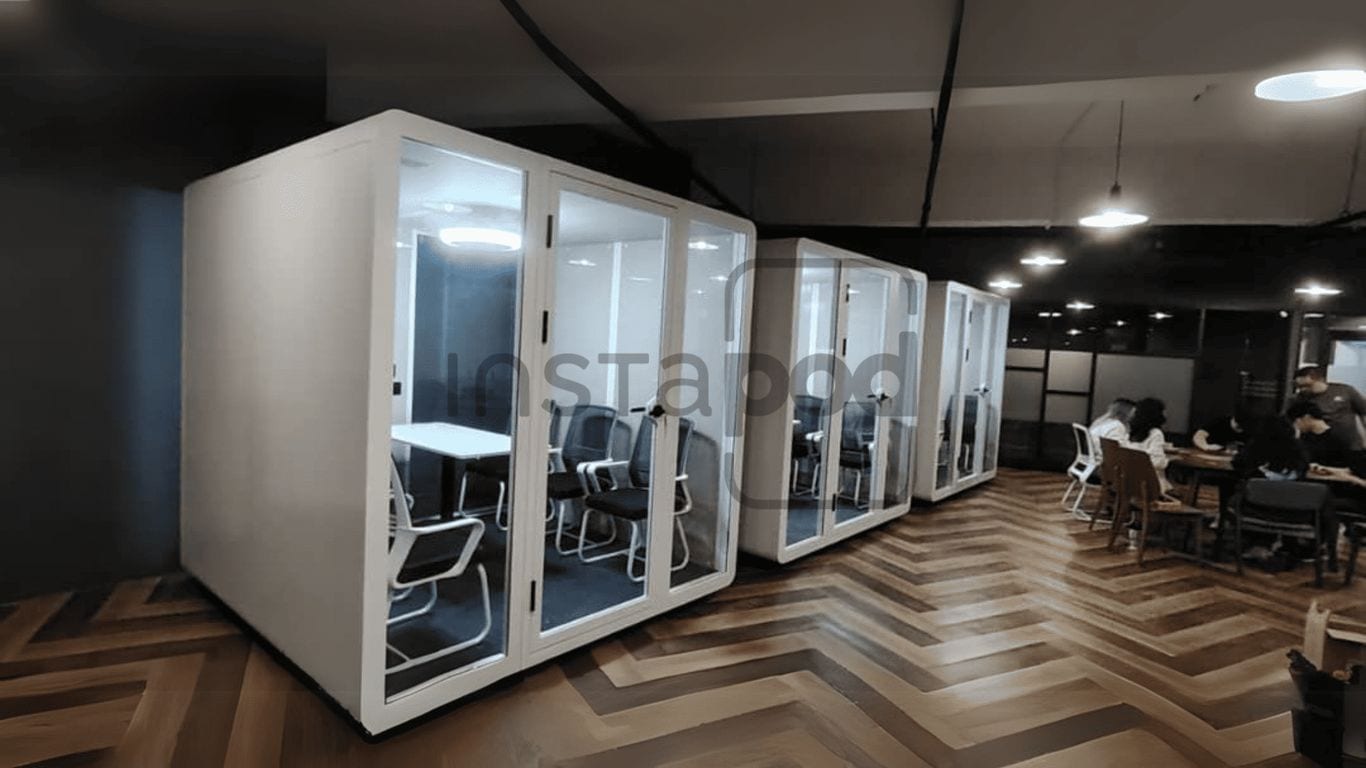
In today’s busy world, finding a quiet spot to really focus can feel like searching for a needle in a haystack. That’s where the study pod comes in. It’s not just a piece of furniture; it’s a dedicated space designed to help you get your head down and concentrate, whether you’re studying for exams or working on a big project. Think of it as your personal bubble of quiet in a noisy world. Here are the main points to remember:
Key Takeaways
- Too much noise and constant distractions in schools make it hard for students to focus and learn, especially for tasks that need deep thinking.
- A study pod gives you a private, quiet space that blocks out both sound and visual interruptions, making it a great spot for focused work.
- These pods work for all ages, from little kids in elementary school to college students, and can be used for studying alone, working in groups, or getting help from a teacher.
- Study pods aren’t just for schools; they’re also popping up in public libraries, co-working spots, and company training rooms, showing they’re useful in many places.
- Good study pods have soundproofing, comfy lights, good air, and features that help students stay focused for a long time.
The Rise Of Study Pods Singapore In Modern Learning
Understanding The Need For Quiet Study Spaces
Let’s be honest, finding a quiet spot to really concentrate these days can feel like searching for a needle in a haystack. Whether you’re a student trying to cram for exams or someone working on a big project, the constant buzz of activity can really throw you off. Think about it: the chatter in the library, the footsteps in the hallway, even just the general hum of a busy campus – it all adds up. These little interruptions chip away at your focus, making it harder to absorb information and get things done. It’s tough to do your best work when your environment is working against you. We’re all looking for ways to cut through the noise and find that sweet spot of concentration.
Introducing The Study Pod: A Solution For Concentration
So, what’s the answer to this modern-day distraction dilemma? Enter the study pod. These aren’t just fancy little rooms; they’re designed specifically to give you back your focus. Imagine a personal sanctuary, a small, enclosed space where the outside world just fades away. That’s the idea behind a study pod. They’re popping up everywhere, especially in places like Singapore, because people are realizing just how much a dedicated quiet zone can change the game for learning and productivity. They offer a practical way to create that much-needed bubble of concentration, no matter how busy things get around you.
What Defines A Study Pod?
At its core, a study pod is a self-contained unit built to minimize distractions. Think of it as a personal workspace that shields you from both sound and sight. They’re typically designed with:
- Acoustic dampening materials: To block out ambient noise.
- Enclosed structure: To limit visual interruptions.
- Comfortable and functional interior: Often including a desk, seating, and power outlets.
These pods are more than just furniture; they represent a shift in how we think about creating effective learning and work environments. They acknowledge that for many, deep concentration requires a controlled space, free from the unpredictable nature of open areas. This makes them a smart investment for institutions looking to support their students and staff better.
These pods are adaptable, too. Some are simple, open-fronted cubbies, while others are fully enclosed rooms with doors. The key is that they provide a defined area where you can shut out the world and get down to business. They’re a straightforward solution for anyone needing a temporary escape to focus.
Creating An Optimal Environment For Deep Work
Minimizing Auditory And Visual Distractions
It’s tough to get anything done when there’s always something going on around you. Think about trying to read a dense textbook or write a paper when people are talking nearby, phones are buzzing, or there’s just general movement. It’s a real challenge, right? Many students find themselves in this exact situation, especially in today’s educational settings that often favor open, collaborative layouts. While these spaces are great for group work and dynamic learning, they often lack the quiet, personal zones needed for deep concentration. This constant barrage of sensory input makes it incredibly difficult for students to focus on complex academic tasks, leading to frustration and reduced learning effectiveness. The modern learning environment, while innovative, has inadvertently created a significant need for dedicated, distraction-free study areas.
Noise and visual clutter are the silent killers of concentration. When a student’s attention is constantly pulled away by external stimuli, their brain has to work harder to re-engage with the task at hand. This isn’t just annoying; it actively hinders the learning process. Studies show that interruptions can significantly impact a student’s ability to absorb and retain information. Imagine trying to follow a complex math problem while someone is having a loud conversation next to you – it’s nearly impossible to maintain your train of thought. This is why creating environments that minimize these disruptions is so important for academic success. Even small distractions can add up, making it harder for students to achieve a state of flow, which is vital for tackling challenging assignments.
The Study Pod As A Private Focus Zone
Essentially, a study pod acts as your own private focus zone. It’s a place where you can escape the usual interruptions that come with open-plan offices or busy libraries. This personal space allows you to get into a state of ‘deep work,’ where your concentration is at its peak. By minimizing both auditory and visual distractions, these pods create an ideal setting for tackling complex tasks, absorbing information, and boosting your overall productivity. They offer a practical solution for anyone needing a quiet retreat to get things done, making them a valuable addition to any learning or work environment. They are a great way to create a quiet space for focused work, much like office pods do in professional settings.
Creating a dedicated, distraction-free environment is key to effective learning and work. Study pods provide this by isolating users from common disturbances, allowing for deeper concentration and improved output.
Enhancing Information Retention And Productivity
It’s tough to get anything done when there’s noise all around, right? For students, this is a constant battle. Whether it’s the chatter in the library, the sounds from a busy hallway, or even just the general hum of a large classroom, distractions are everywhere. These interruptions break concentration, making it harder to absorb information and complete tasks. Study pods offer a simple yet effective way to reclaim focus. By creating a personal, quiet zone, they allow students to get into a state of deep work, where learning really happens.
Here’s how study pods help:
- Sound Dampening: Built with materials that absorb sound, they significantly reduce ambient noise.
- Visual Barrier: The enclosed design blocks out visual distractions like people walking by.
- Personal Space: Offers a dedicated area for uninterrupted focus.
The cognitive demands of academic tasks require sustained attention. When this attention is constantly fragmented by external stimuli, the brain expends extra energy simply trying to re-focus, diminishing the capacity for complex thought and learning. A controlled environment minimizes this cognitive load.
Many students report feeling overwhelmed and unable to concentrate in typical school or university settings. Libraries, while intended for study, can still be surprisingly noisy with the sounds of keyboards, hushed conversations, and movement. Classrooms, especially those with flexible seating or open-plan designs, present their own set of challenges. Even a quiet hum of activity can be enough to break a student’s focus. This struggle is not about a lack of effort on the student’s part; it’s about the environment not being conducive to the kind of focused attention needed for academic success. For students who are particularly sensitive to noise or easily overstimulated, these environments can be even more detrimental. They might avoid studying in common areas altogether, limiting their access to resources and study spaces. This is where the need for controlled, personal study zones becomes apparent, offering a much-needed respite from the chaos. Many students find that even a short period of focused work in a quiet space can make a significant difference in their productivity and understanding, as seen in the positive feedback from universities integrating study pods into their libraries.
Versatile Applications Of Study Pods Across Education
Support For Elementary And High School Students
Study pods aren’t just for college students cramming for exams. They’re actually super helpful for younger kids too. Little ones in elementary school can sometimes get overwhelmed by classroom noise. A pod gives them a calm spot to read a book, finish an assignment, or even get some one-on-one help from a teacher without all the usual distractions. For high schoolers, who are often juggling group projects and individual study, these pods can be a quiet place to brainstorm ideas or just get some serious work done. Some schools even put them right inside classrooms, so students can pop into one for focused tasks or just a moment of peace.
Study Pods In Universities And Libraries
Universities and their libraries are obvious places for study pods. Libraries, especially, can get pretty busy and noisy, making it hard to concentrate. Pods offer a personal escape, a quiet zone where students can really get into their coursework without hearing nearby conversations or seeing people constantly walking by. It’s like having your own little study room, but way more accessible.
Facilitating Group Work And Collaboration
Now, you might think pods are just for solo work, but they can actually help with group projects too. You can arrange them to create a semi-private space for small teams. This setup encourages students to talk through ideas and work together, but with fewer interruptions than you’d get in a typical open area. It’s a good way to get teamwork going and spark creative thinking, whether it’s for brainstorming or just a small study group.
The ability to control your immediate surroundings is a big deal for learning. When there are fewer outside noises and sights, your brain can focus better on what you’re supposed to be learning. This leads to remembering things more clearly and understanding them better. It’s a simple way to make study time more effective.
Here’s a quick look at how pods can be used:
- Individual Focus: Perfect for reading, writing, or online learning.
- Small Group Discussions: Facilitates focused conversations without disturbing others.
- Quiet Reflection: Provides a space for students to decompress or think.
- Teacher-Student Check-ins: Offers a private setting for one-on-one support.
Beyond The Classroom: Broader Uses For Study Pods
Study Pods in Public Libraries and Co-working Spaces
So, study pods aren’t just for students hitting the books. Think about public libraries. They’re great community spots, but let’s be real, they can get pretty loud with all sorts of people coming and going. Adding some private booths, or what you might call office pods, can really help out folks who need a quiet corner to read or get some work done without all the background noise. It’s a simple fix that makes the library a better place for everyone. Co-working spaces are similar. They’re built for people to work together, which is awesome, but sometimes you just need to focus. Having these pods means you can easily switch from chatting with colleagues to getting into some serious deep work. It’s all about giving people control over their workspace.
Applications in Corporate Training Centers
Companies are also finding these pods super useful, especially for training. When employees are learning something new, like a new software or a company policy, they need to concentrate. Instead of booking a big meeting room for just one or two people, a small pod works perfectly. It’s a private, quiet spot where they can really take in the information. This is especially handy for online training or virtual meetings where you don’t want background sounds messing things up. It’s a smarter way to use office space and helps people learn better.
Enhancing Wellbeing and Student Support Services
These pods can also be a big help for student wellbeing. Sometimes students just need a quiet moment to chill out, especially during stressful times like exams. A quiet pod can be like a little sanctuary. They can also be used for private chats with counselors or mentors, offering a comfortable and confidential space. It shows that schools are thinking about more than just academics; they’re looking out for students’ mental health too.
The ability to create a personal, quiet zone is a powerful tool. It allows individuals to escape distractions and enter a state of focused concentration, leading to better absorption of information and increased productivity. This is true whether you’re a student, a remote worker, or an employee undergoing training.
Here’s a quick look at how these pods are being used:
- Libraries: Providing quiet zones for reading and individual work.
- Co-working Spaces: Offering private areas for focused tasks and calls.
- Corporate Offices: Supporting training, remote work, and focused individual tasks.
- Student Support Services: Creating private spaces for counseling and quiet reflection.
Designing Effective Study Pods For Learning
So, you’ve decided study pods are the way to go. That’s great! But just plopping a few pods down isn’t the whole story. To really make them work, you’ve got to think about how they’re built and what goes into them. It’s not just about having a quiet spot; it’s about creating a space that actually helps people focus.
The Importance Of Acoustic Mastery
This is probably the biggest hurdle. If a pod isn’t quiet, it completely misses the point. We’re talking about serious soundproofing here. It’s not enough to just block noise; you need materials that absorb it too. Think about the walls, the ceiling, and even the floor. The goal is to create a little bubble where outside noise just melts away. Even small sounds, like someone typing nearby or a door closing down the hall, can totally break concentration. Good acoustic design is the bedrock of a functional study pod. You can find plenty of options if you search for "study pods near me" or even "meeting pods" for offices, but not all of them prioritize sound.
Aesthetic Considerations In Pod Design
While function comes first, how a pod looks and feels matters too. Nobody wants to sit in a drab, uninviting box for hours. Think about:
- Lighting: Natural light is always a plus, but if that’s not possible, good artificial lighting that’s easy on the eyes is key. Adjustable lighting is even better.
- Comfort: The seating needs to be comfortable for longer periods. A hard stool isn’t going to cut it for a multi-hour study session.
- Ventilation: Nobody likes feeling stuffy. Good airflow is a must to keep the space feeling fresh and conducive to thinking.
- Power Access: Devices are a given these days. Plenty of accessible power outlets are non-negotiable.
The overall feel of the pod should be calming and conducive to focus. It’s about creating a personal sanctuary where distractions are minimized, allowing for maximum concentration.
Key Features Of Effective Study Pods
When you’re looking at different study pods, keep an eye out for these features. They’re the things that make a real difference in how well a pod helps you concentrate:
- Soundproofing: As we’ve hammered home, this is number one. Look for pods with good acoustic insulation.
- Privacy: The enclosure should offer a good level of visual privacy. You don’t want to feel like you’re on display.
- Ergonomics: Comfortable seating and a suitable desk or surface for working are important for longer sessions.
- Connectivity: Built-in power outlets and USB ports are incredibly useful for keeping devices charged.
- Ventilation: Proper airflow prevents the space from becoming stuffy and uncomfortable.
These elements combine to create a space that’s not just a box, but a tool for better learning and work.
The Takeaway: Finding Focus In A Noisy World
How Study Pods Singapore Enhance Student Concentration
Let’s be real, trying to get serious work done when there’s a constant buzz around you is a real struggle. Think about it: you’re trying to read a tough chapter or work through a tricky problem, and suddenly there’s chatter, phones pinging, or just general movement. It pulls you right out of your zone. For students, this is an everyday challenge, especially with how many learning spaces are designed to be open and busy. While that’s great for some things, it leaves a big gap when you just need quiet. Study pods in Singapore are stepping in to fill that gap. They offer a personal bubble, a place where you can shut out the noise and actually get your brain to focus on what matters. It’s not about being anti-social; it’s about creating the right conditions for learning to happen.
The Impact Of Quiet Spaces On Academic Performance
It’s not just about feeling less annoyed; quiet spaces directly impact how well students do. When your brain isn’t constantly fighting off distractions, it has more power to actually process and remember information. Imagine trying to memorize facts or follow a complex argument when you’re being interrupted every few minutes. It’s exhausting and just plain ineffective. Studies show that even short bursts of focused work in a quiet environment can lead to better understanding and higher scores. It’s like giving your brain a clear runway to land its thoughts.
Here’s a quick look at why focus matters:
- Reduced Cognitive Load: Less distraction means your brain doesn’t have to work as hard to filter out background noise, freeing up mental energy for learning.
- Improved Information Retention: When you can concentrate without interruption, you’re more likely to absorb and recall what you’re studying.
- Increased Task Completion: Focused work leads to getting more done in less time, reducing stress and improving overall academic output.
The constant battle against distractions in busy environments can be draining. Creating dedicated quiet zones, like study pods, allows students to enter a state of deep concentration, which is where real learning and problem-solving occur. This isn’t a luxury; it’s a necessity for academic success in today’s world.
The Future Of Learning Environments With Study Pods
Looking ahead, it’s clear that learning spaces need to be more flexible. While group work and collaboration are important, so is the ability to focus. Study pods are a smart way to balance these needs. They provide a much-needed resource for students who thrive in quiet, or who simply need a break from the usual hustle and bustle. As more institutions and public spaces recognize the benefits, we’ll likely see these quiet zones become a standard feature, making it easier for everyone to find their focus and do their best work.
The Takeaway: Finding Focus in a Noisy World
It’s pretty clear that if you’re looking for a way to help students concentrate better, study pods are a solid option. They really do create a quiet bubble in otherwise busy schools and libraries. We’ve seen how they can cut down on distractions, which is a big deal when you’re trying to get work done. Plus, they seem to make students feel less stressed and more in control of their study time. Whether it’s for quiet reading, group work, or just a moment of calm, these pods are proving to be pretty useful. It’s not just about having a quiet spot; it’s about giving students the tools they need to actually focus and do their best work, no matter where they are on campus. The future of learning environments is looking quieter and more focused, thanks to innovations like study pods.
Frequently Asked Questions
What exactly is a study pod?
Think of a study pod as your own personal quiet room, but much smaller and portable. It’s a little booth, often soundproof, designed to help you focus on your work without outside noise or people bothering you. They usually have good lighting and a place to put your books or laptop.
Do these pods really help students concentrate better?
Yes, they really do! By blocking out noise and other distractions, study pods create a calm space where students can get into their work. This helps them pay attention better and learn more effectively, especially when they have tough subjects to study.
Can study pods be used for group work too?
While they’re often seen as solo spots, study pods can also be set up for small groups. They offer a semi-private space where students can talk about ideas and work together without disturbing everyone else. It’s a good way to encourage teamwork.
Where else can you find study pods besides schools?
You can find study pods in lots of places! Public libraries use them so people can read or work quietly. Co-working spaces have them for people who need to focus away from the main area. Businesses also use them for training or private calls.
What makes a study pod good for focusing?
The main thing is how quiet it is. Good study pods have special materials to block sound. They also have comfortable seating, good lighting, and places to plug in your devices, making it easy to stay focused for a long time.
Are study pods just for older students?
Nope! Study pods are helpful for students of all ages. Younger kids can use them to read or do quiet work away from classroom noise. Older students use them for studying, projects, or when they just need a break from the busy school environment.
The post Quiet Spaces for Maximum Productivity: Why Study Pods Singapore Are Redefining Modern Learning and Work Environments appeared first on InstaPod Singapore.